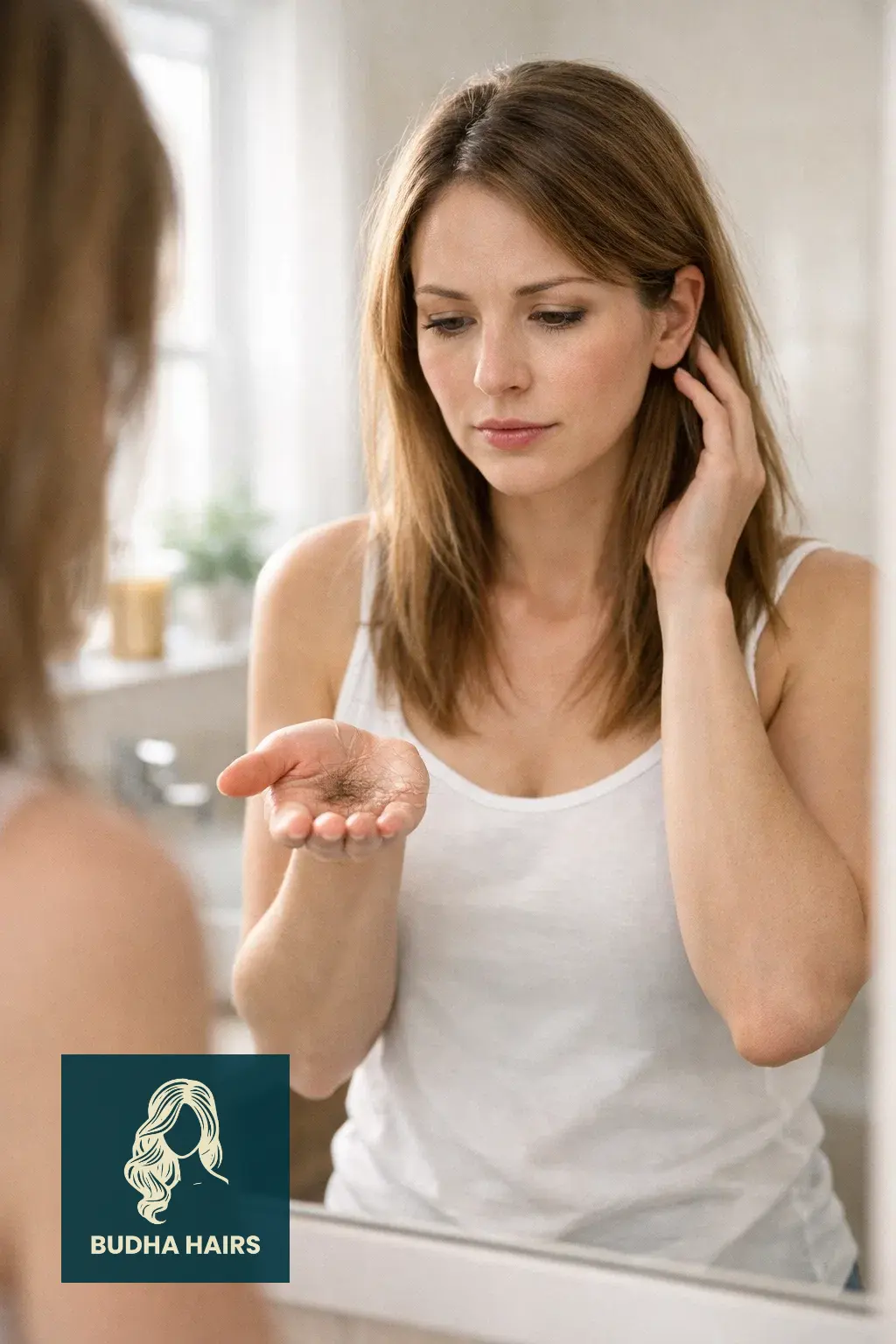
Noticing more hair on your pillow, shower drain, or hairbrush can be alarming. If you’re asking yourself “Why is my hair shedding more than usual?”, the good news is that increased hair shedding is often temporary and reversible. Hair shedding is a natural process, but when it becomes excessive or sudden, it usually signals that something inside your body or daily routine has changed.
Why is my hair shedding more than usual?
This article breaks down the real reasons behind increased hair shedding, how to reduce it effectively, common myths you should stop believing, and when shedding could indicate a more serious issue.
Why Is My Hair Shedding More Than Usual?
Hair shedding increases when the normal hair growth cycle is disrupted. On average, people shed 50–100 hairs per day, but this number can rise significantly due to internal or external triggers.
Disruption of the Hair Growth Cycle
Hair grows in cycles: growth (anagen), transition (catagen), and rest/shedding (telogen). When stress or health changes push too many hairs into the telogen phase at once, noticeable shedding occurs. This condition is commonly known as telogen effluvium.
Stress and Emotional Shock
Mental stress, anxiety, trauma, or sudden life changes can trigger hair shedding two to three months later. Elevated cortisol levels interfere with healthy hair growth, forcing follicles into a resting phase prematurely.

Hormonal Changes
Hormonal fluctuations play a major role in hair health. Shedding may increase due to:
- Postpartum hormonal shifts
- Thyroid disorders
- PCOS
- Menopause
- Starting or stopping birth control
Hormonal shedding usually appears as diffuse thinning across the scalp rather than bald patches.
Nutritional Deficiencies
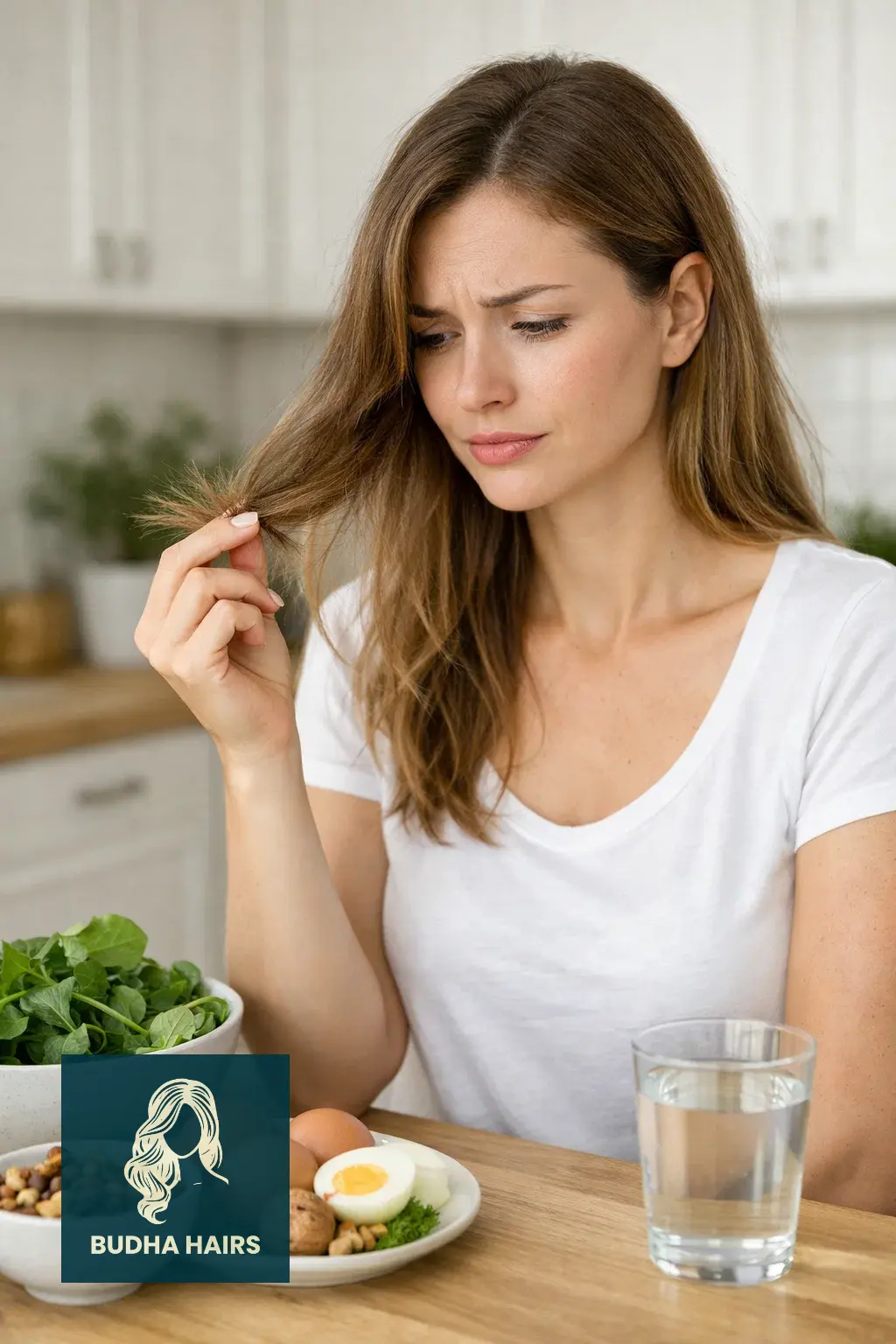
Hair follicles are highly sensitive to nutrient shortages. Deficiencies in iron, protein, vitamin D, zinc, or vitamin B12 can weaken hair at the root, causing increased shedding.
Experiencing more hair shedding than usual can be alarming, but gentle care and proper scalp maintenance can make a big difference. Following routines from How to Get Rid of Pimples on Hairline helps keep the scalp clear, reducing inflammation that can contribute to shedding.
Illness, Fever, or Surgery
Physical stress such as illness, infections, high fever, or surgery often triggers temporary hair shedding. The body redirects energy away from hair growth to prioritize healing.
Scalp Health Issues
An unhealthy scalp can lead to weak hair anchoring. Conditions like dandruff, seborrheic dermatitis, fungal infections, or excessive oil buildup can inflame follicles and increase shedding.
Aggressive Hair Practices
Daily habits such as tight hairstyles, excessive heat styling, harsh brushing, and chemical treatments can worsen shedding by weakening the hair shaft and stressing follicles.
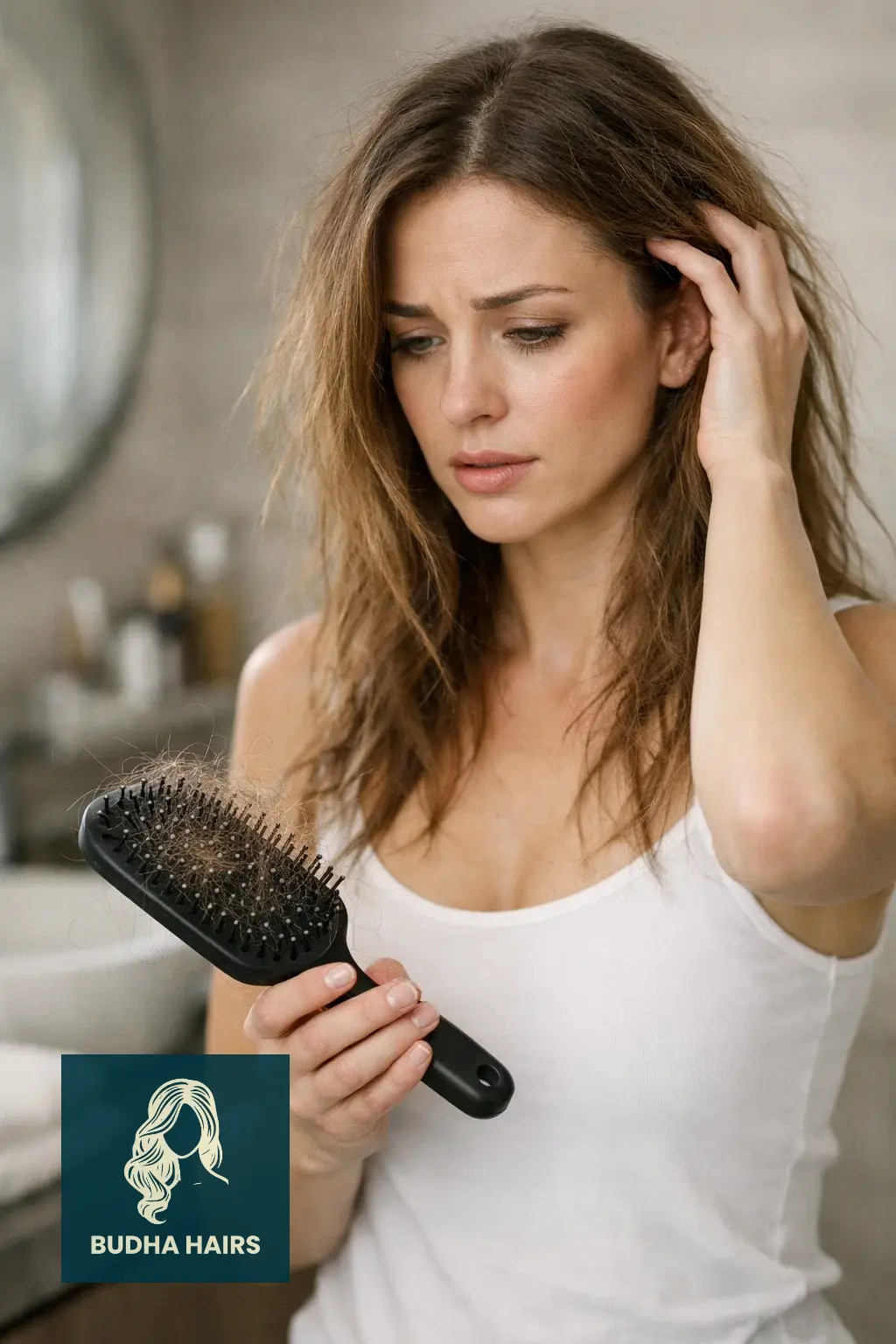
If you’re wondering why your hair is shedding more than usual, it could be due to seasonal changes, stress, or scalp health issues. Proper scalp care using tips from Dry Scalp During Winter can help strengthen hair and reduce excessive shedding.
How to Minimize Hair Shedding and Support Growth
Reducing hair shedding requires addressing the underlying cause while supporting the scalp and hair follicles.
Improve Nutrition and Hydration
Hair is made of protein, so a nutrient-rich diet is essential. Focus on:
- Protein-rich foods like eggs, fish, and legumes
- Iron-rich foods such as spinach and lentils
- Omega-3 fatty acids
- Zinc and biotin
Drink enough water daily to keep follicles hydrated.
Manage Stress Levels
Since stress is one of the biggest triggers of excessive shedding, stress management is critical. Practices like meditation, deep breathing, regular exercise, and adequate sleep help normalize hair growth cycles.

Use Gentle Hair Care Practices
Switch to sulfate-free shampoos, avoid daily heat styling, detangle hair gently, and use wide-tooth combs. Rough handling increases breakage and worsens shedding.
Maintain a Healthy Scalp
Clean the scalp regularly, treat dandruff promptly, and avoid heavy product buildup. Gentle scalp massages can improve blood circulation and support follicle health.

Shedding can make thin hair appear even finer. Incorporating techniques from How to Make Thin Hair Look Thick adds volume and fullness, helping your hair appear healthier while minimizing the visual effects of hair loss.
Be Patient With Regrowth
Hair shedding often improves within 3–6 months after the trigger is resolved. Regrowth takes time, so consistency is more important than quick fixes.
Excess shedding can also be linked to scalp buildup or odor problems. Incorporating practices from Why Does My Hair Smell Bad Even After Washing? ensures your scalp stays clean and healthy, promoting stronger, more resilient hair.
What Are Common Myths About Hair Shedding?
Myth 1: Washing Hair Causes Hair Loss
Washing does not cause hair loss. It simply removes hairs that were already in the shedding phase.

Myth 2: Brushing Less Will Stop Shedding
Avoiding brushing doesn’t prevent shedding. However, rough brushing can cause breakage, making hair fall appear worse.
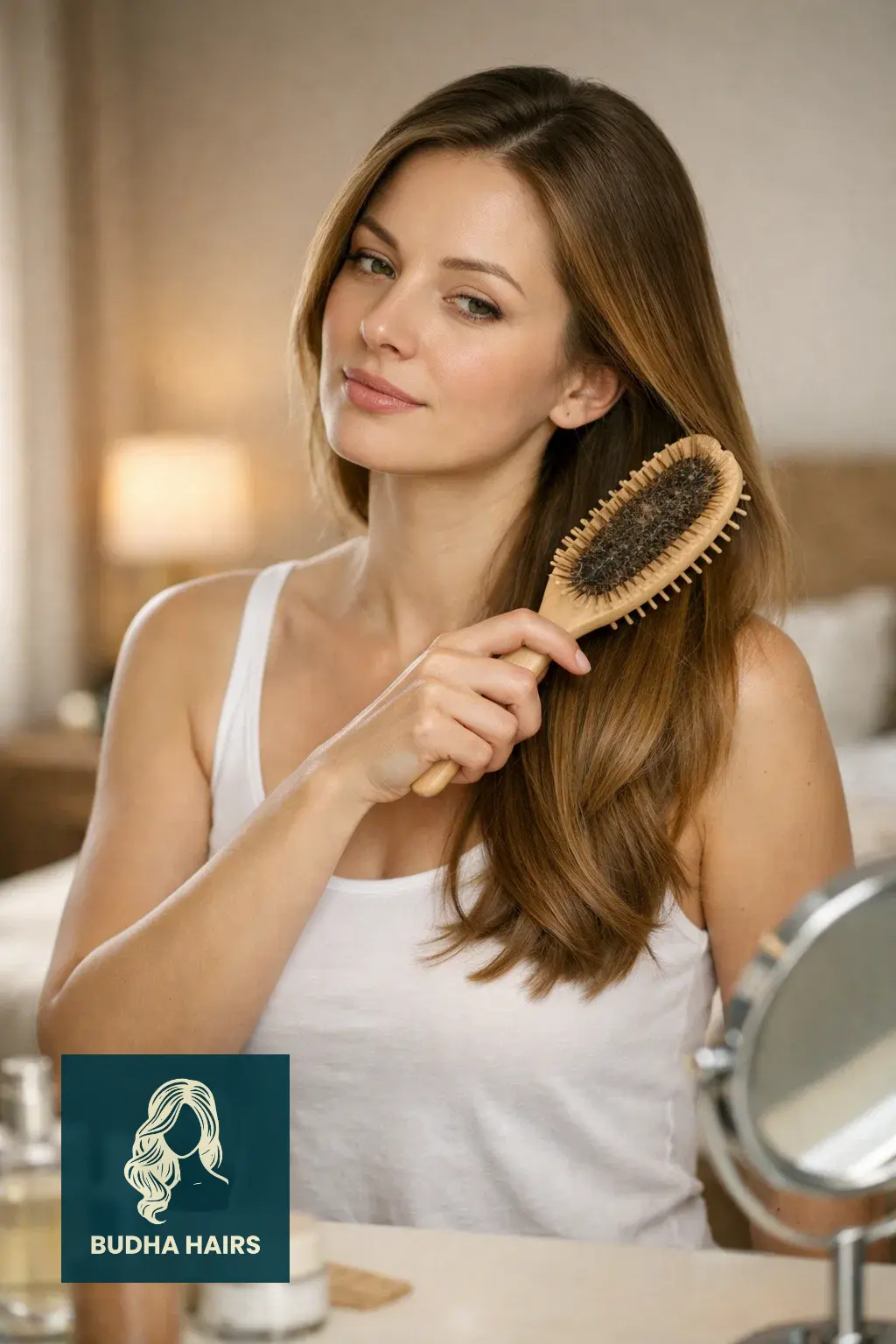
Myth 3: Hair Oils Can Stop Shedding Instantly
Oils can improve scalp health, but they cannot stop shedding caused by hormones, stress, or nutrient deficiencies.
Myth 4: Shedding Always Means Permanent Hair Loss
Most excessive shedding is temporary and does not lead to permanent hair loss.
Excessive shedding may also be linked to buildup or scalp odor issues. Applying strategies from Why Does My Hair Smell Bad Even After Washing? keeps the scalp fresh and balanced, supporting overall hair strength and growth.
How Do You Know If Shedding Is a Sign of Something Serious?
While most hair shedding is harmless, certain signs may indicate an underlying condition that requires medical attention.
Warning Signs to Watch For
- Shedding lasting longer than six months
- Noticeable thinning or widening of the part
- Bald patches or uneven hair loss
- Shedding accompanied by fatigue, weight changes, or hormonal symptoms
- Scalp pain, redness, or severe itching
If shedding continues despite lifestyle improvements, consulting a dermatologist or healthcare provider is recommended.
FAQs
Final Thoughts
If you’ve been wondering why your hair is shedding more than usual, remember that shedding is often your body’s response to stress, hormonal changes, nutritional gaps, or scalp imbalance. By addressing the root cause and maintaining healthy hair habits, most cases of excessive shedding can be reversed.

I’m Budha Styler, a hair enthusiast who loves creating beautiful, confidence-boosting looks that feel true to who you are. I’m passionate about exploring new trends, techniques, and textures, and I enjoy turning that knowledge into simple, inspiring ideas anyone can try. Through my work, I hope to help you express your unique style, feel amazing in your own hair, and discover everyday looks that make you shine.