Washing your hair and still noticing an unpleasant smell can be extremely frustrating. You may scrub thoroughly, use scented shampoo, and rinse well—yet within hours, your hair smells sour, musty, oily, or sweaty again. If you keep asking yourself “Why does my hair smell bad even after washing?”, the truth is that the problem usually lies deeper than surface-level cleanliness.
Persistent hair odor is almost always a scalp issue, not a hair-length issue. In this in-depth guide, you’ll learn the real scientific reasons behind bad-smelling hair, how scalp conditions, habits, and products play a role, and what you can do to permanently fix the problem and keep your hair fresh for days.
Understanding Where Hair Odor Really Comes From
Hair itself does not produce odor. The smell comes from the scalp environment, where oil glands, sweat, bacteria, and yeast coexist. When this environment becomes unbalanced, odor-causing compounds are released—even if your hair looks clean.
Think of it this way:
👉 Clean hair + unhealthy scalp = bad smell
👉 Healthy scalp = fresh-smelling hair
Main Reasons Why Hair Smells Bad Even After Washing
Now, let’s uncover the main reasons why your hair might smell bad even after washing. Factors like buildup of sweat and oil, fungal or bacterial growth, and residue from hair products can all leave lingering odors despite regular cleansing.
1. Excess Sebum (Oil) Production on the Scalp
Sebum is the natural oil produced by your scalp to protect hair and skin. However, when too much oil is produced, it mixes with sweat and dead skin cells. Bacteria then break down this mixture, releasing unpleasant odors.
Why excess oil happens:
- Naturally oily scalp
- Hormonal changes
- Stress
- Overwashing (which causes rebound oil production)
This often results in a greasy, sour, or sweaty smell shortly after washing.
2. Bacterial and Fungal Overgrowth
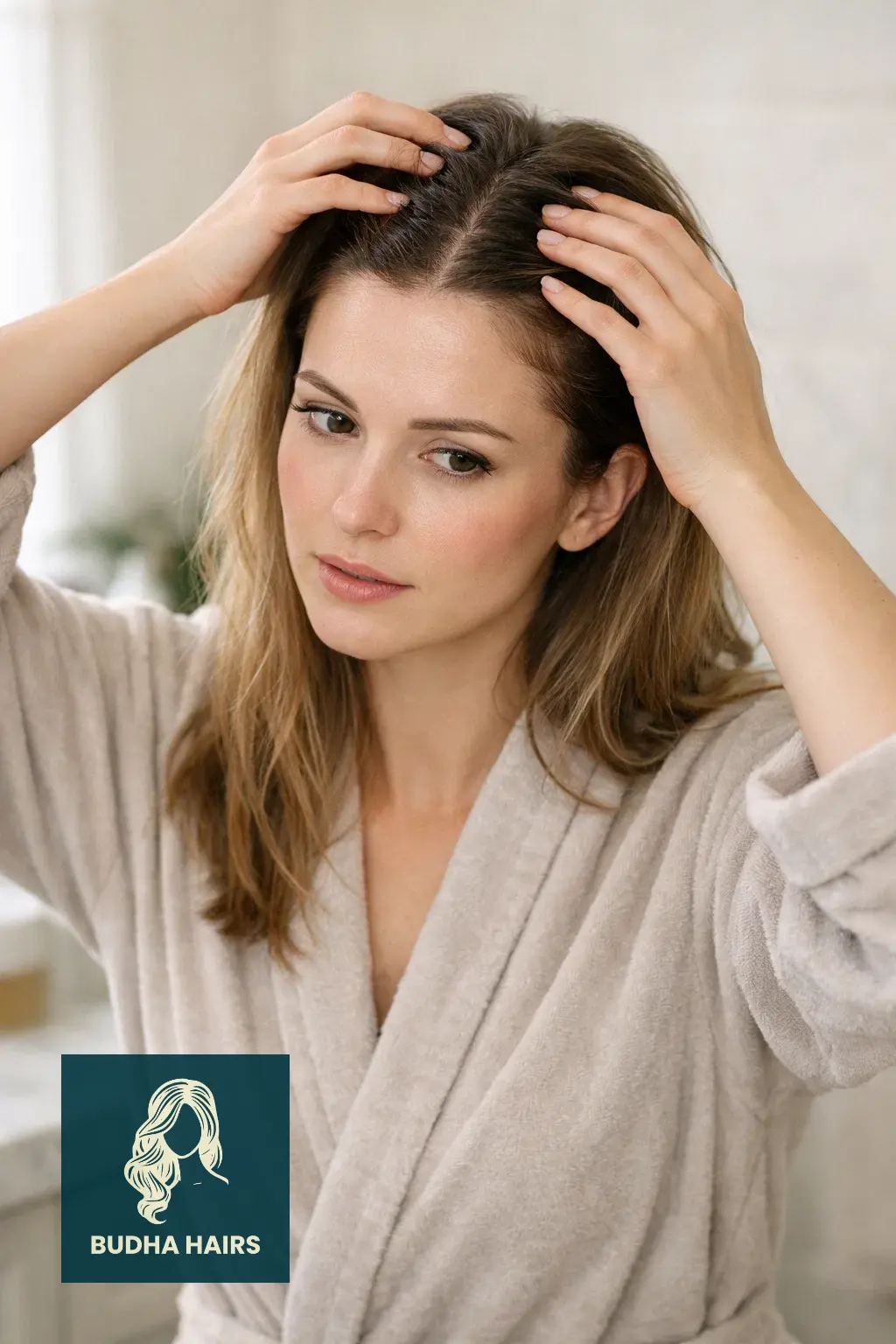
Your scalp naturally hosts microorganisms. Problems arise when bacteria or yeast multiply excessively.
- Bacteria break down sweat and oil, producing sharp or sour odors
- Fungal overgrowth (yeast) causes musty, damp, or mold-like smells
This is very common in:
- Humid climates
- People who sweat heavily
- Those who keep hair wet for long periods
Wondering why your hair smells bad even after washing can be frustrating, but it often comes down to scalp buildup or product residue. Maintaining scalp health using tips from How to Make My Hair Shine can help your hair feel fresher while improving its overall luster.
3. Product Buildup Trapping Odor
Even good-quality hair products can cause odor if they accumulate on the scalp.
Common buildup-causing products include:
- Dry shampoo
- Hair oils
- Leave-in conditioners
- Styling creams, gels, and sprays
Over time, buildup creates a sticky layer that traps sweat, bacteria, and pollution—leading to persistent smell even after shampooing.
4. Incomplete or Incorrect Hair Washing
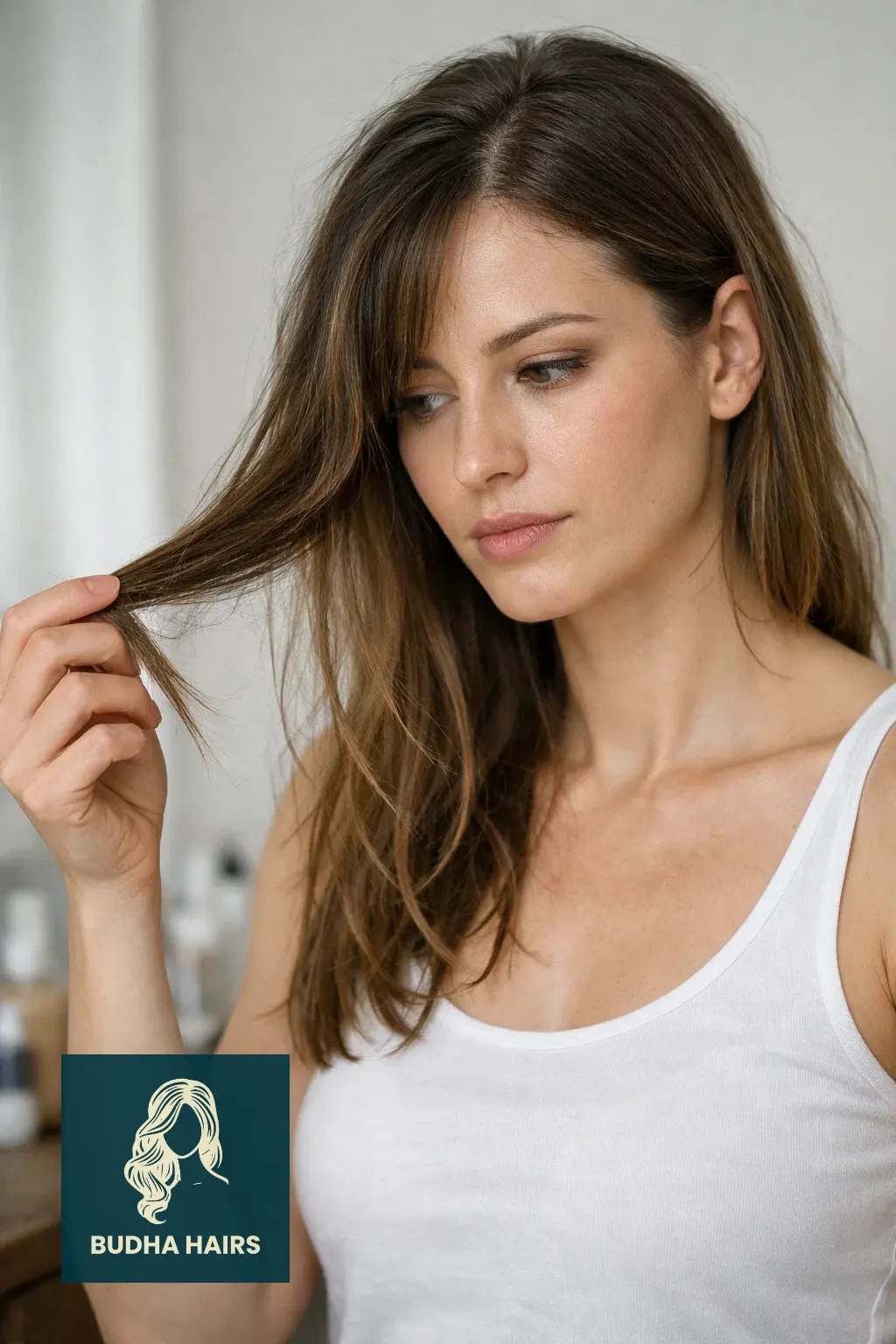
Many people wash their hair incorrectly without realizing it.
Common mistakes:
- Applying shampoo only to hair lengths
- Not massaging the scalp
- Using too little shampoo
- Rinsing too quickly
If the scalp isn’t properly cleansed, odor-causing residue remains.
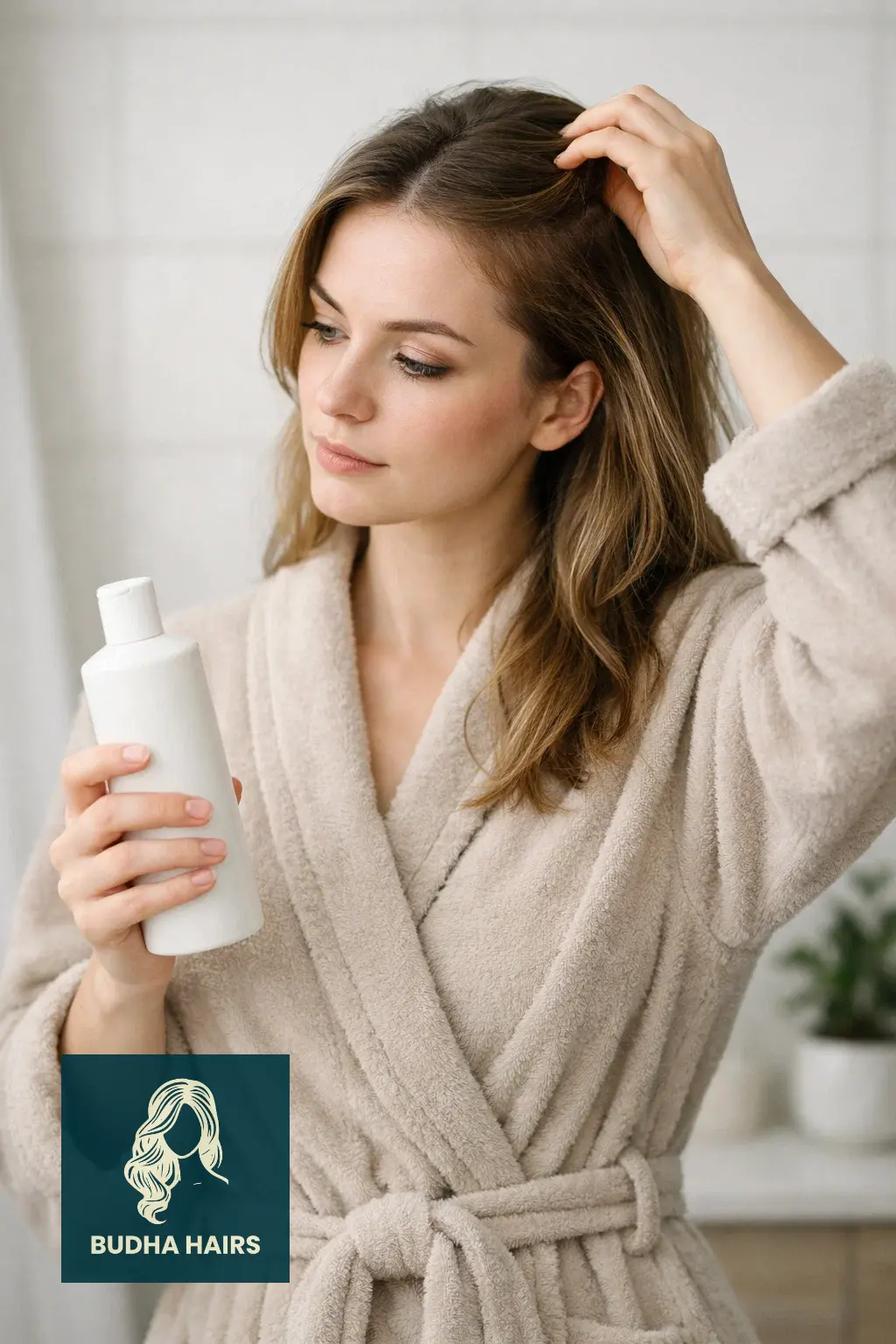
5. Sleeping or Staying with Wet Hair
A damp scalp is a breeding ground for bacteria and fungus. When hair stays wet for hours—especially overnight—it often develops a musty or mildew-like smell.
This is one of the most underestimated causes of bad-smelling hair.

6. Dirty Hair Tools, Pillowcases, and Headwear
Even if you wash your hair properly, dirty items can transfer odor back to your scalp.
These include:
- Brushes and combs
- Pillowcases
- Hats, scarves, helmets
- Hair towels
Oil and bacteria accumulate on these items and contaminate freshly washed hair.
7. Scalp Conditions and Disorders
Certain scalp conditions are strongly associated with persistent odor:
- Dandruff
- Seborrheic dermatitis
- Scalp acne
- Fungal infections
These conditions increase oil, flaking, inflammation, and microbial growth—making odor hard to eliminate with regular shampoo alone.
8. Diet, Dehydration, and Internal Factors
Your body chemistry affects how you smell, including your scalp.
Factors that worsen scalp odor:
- High sugar intake
- Excess dairy
- Processed foods
- Dehydration
- Smoking
- Chronic stress
Poor hydration concentrates sweat and makes odors stronger.
Persistent hairline breakouts or irritation can contribute to unpleasant odors. Following routines from How to Get Rid of Pimples on Hairline can keep your scalp clean and reduce the chance of lingering smells.
How to Fix Bad-Smelling Hair Permanently (Step-by-Step)
Let’s explore a step-by-step approach to permanently fix bad-smelling hair. By addressing scalp buildup, improving hygiene, and using the right treatments, you can keep your hair fresh and odor-free consistently.
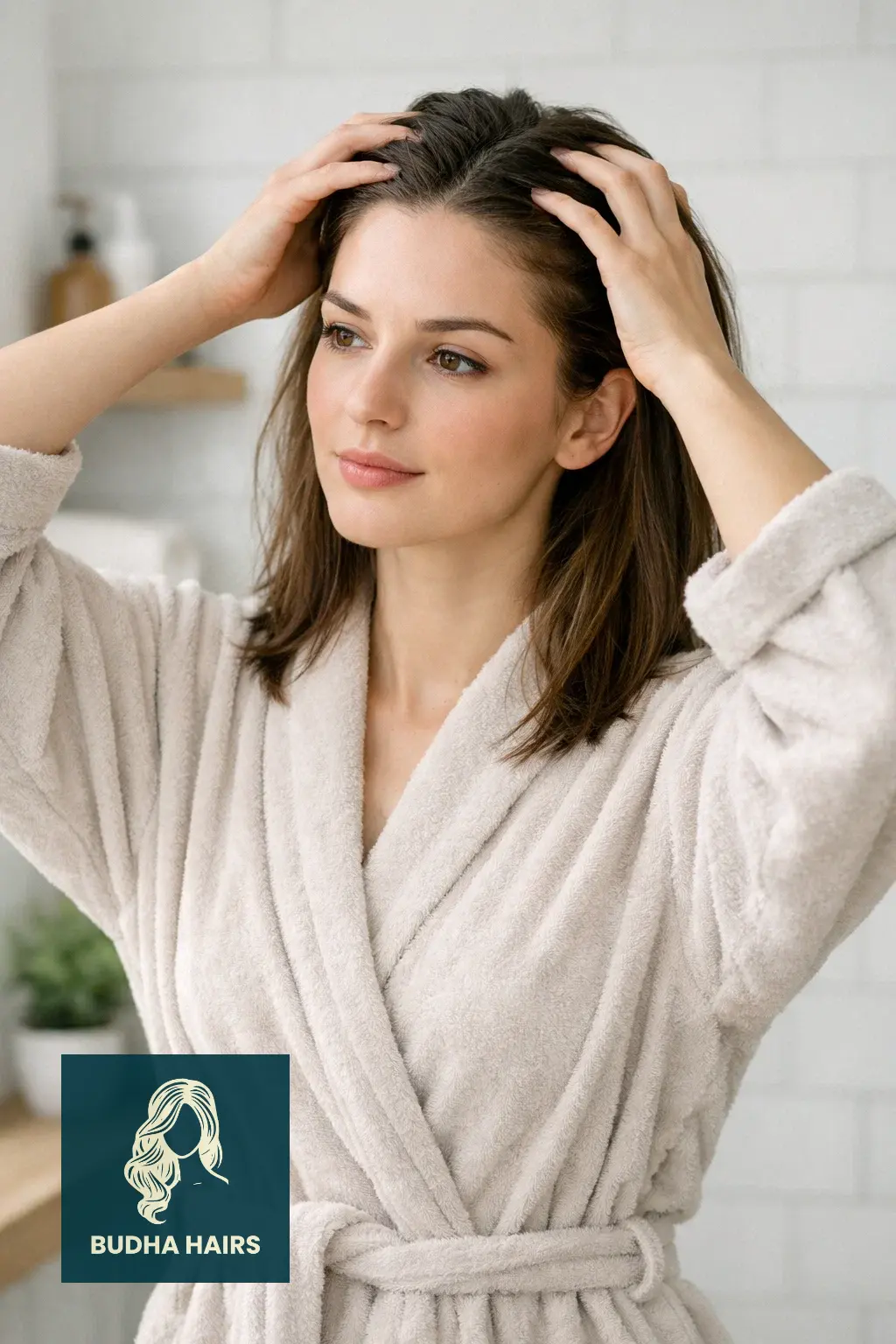
1. Wash Your Scalp, Not Just Your Hair
Always focus shampoo on the scalp, not the ends.
Proper method:
- Wet hair thoroughly
- Apply shampoo to scalp
- Massage gently for 60–90 seconds
- Let it sit briefly before rinsing
This allows ingredients to break down oil and bacteria.
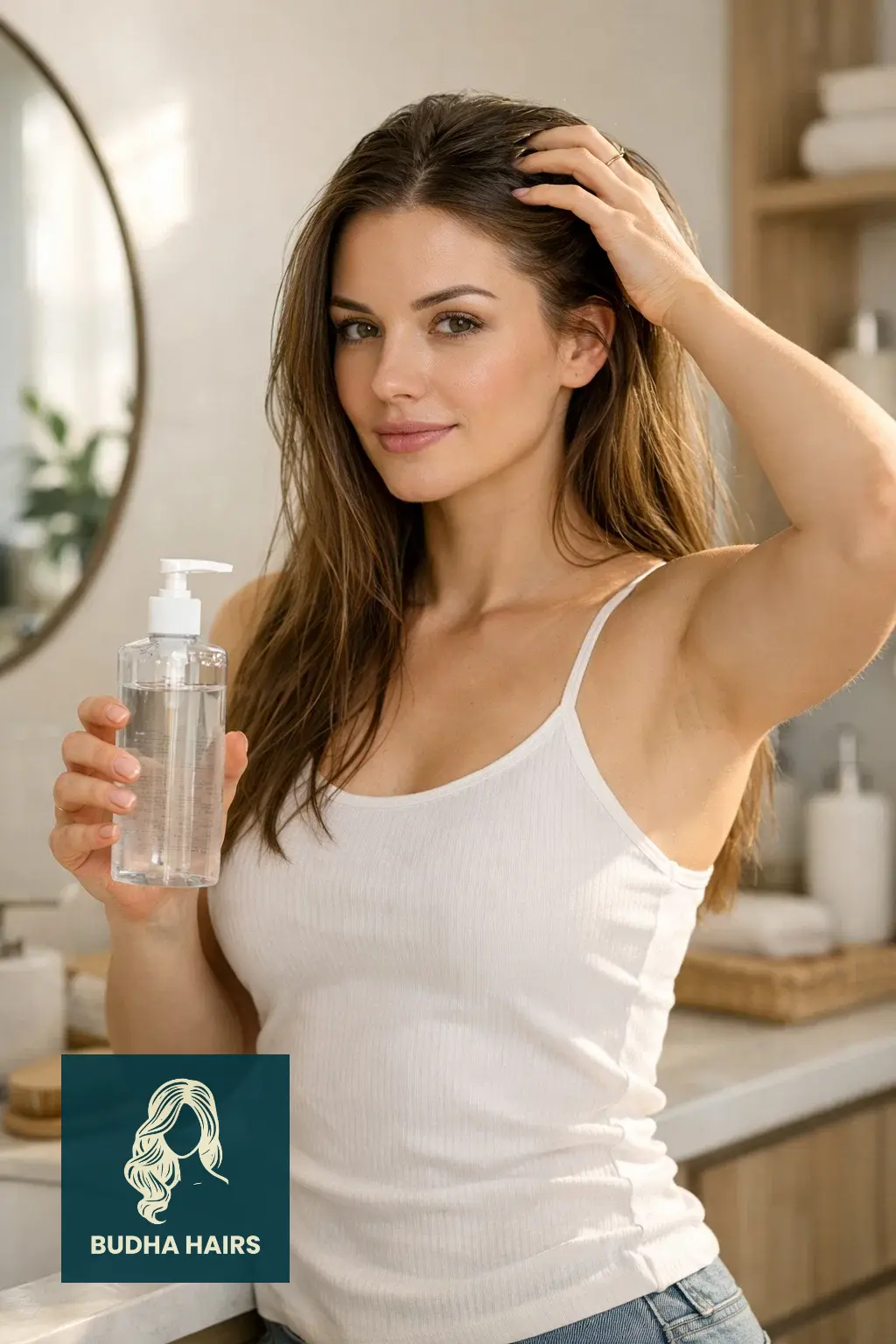
2. Use a Clarifying Shampoo Weekly
Clarifying shampoos remove:
- Product buildup
- Excess oil
- Odor-causing residue
Use once a week—more often can irritate the scalp.
3. Use an Antifungal or Medicated Shampoo if Needed
If odor persists, choose shampoos containing:
- Ketoconazole
- Zinc pyrithione
- Selenium sulfide
These ingredients directly target odor-causing yeast and bacteria.
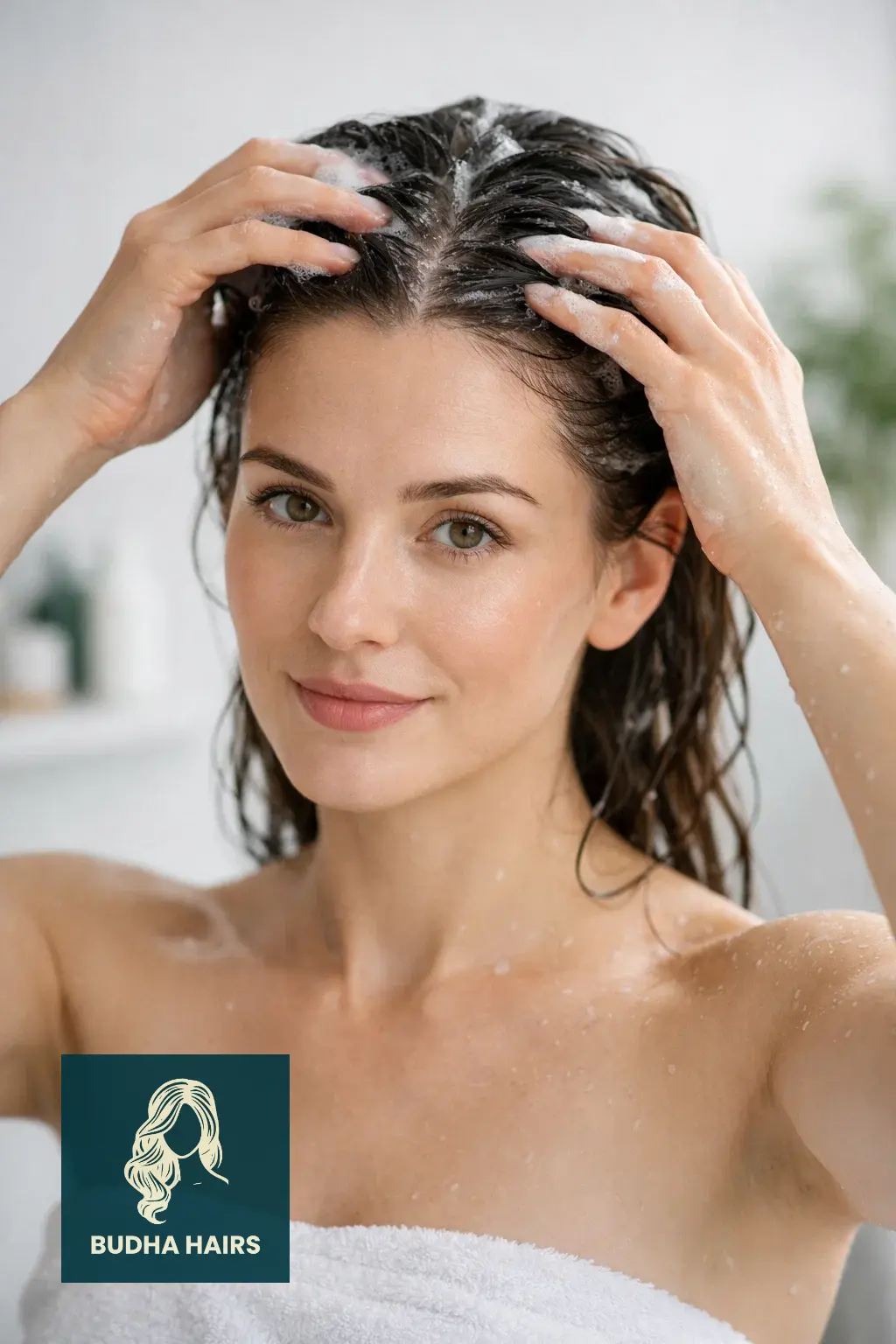
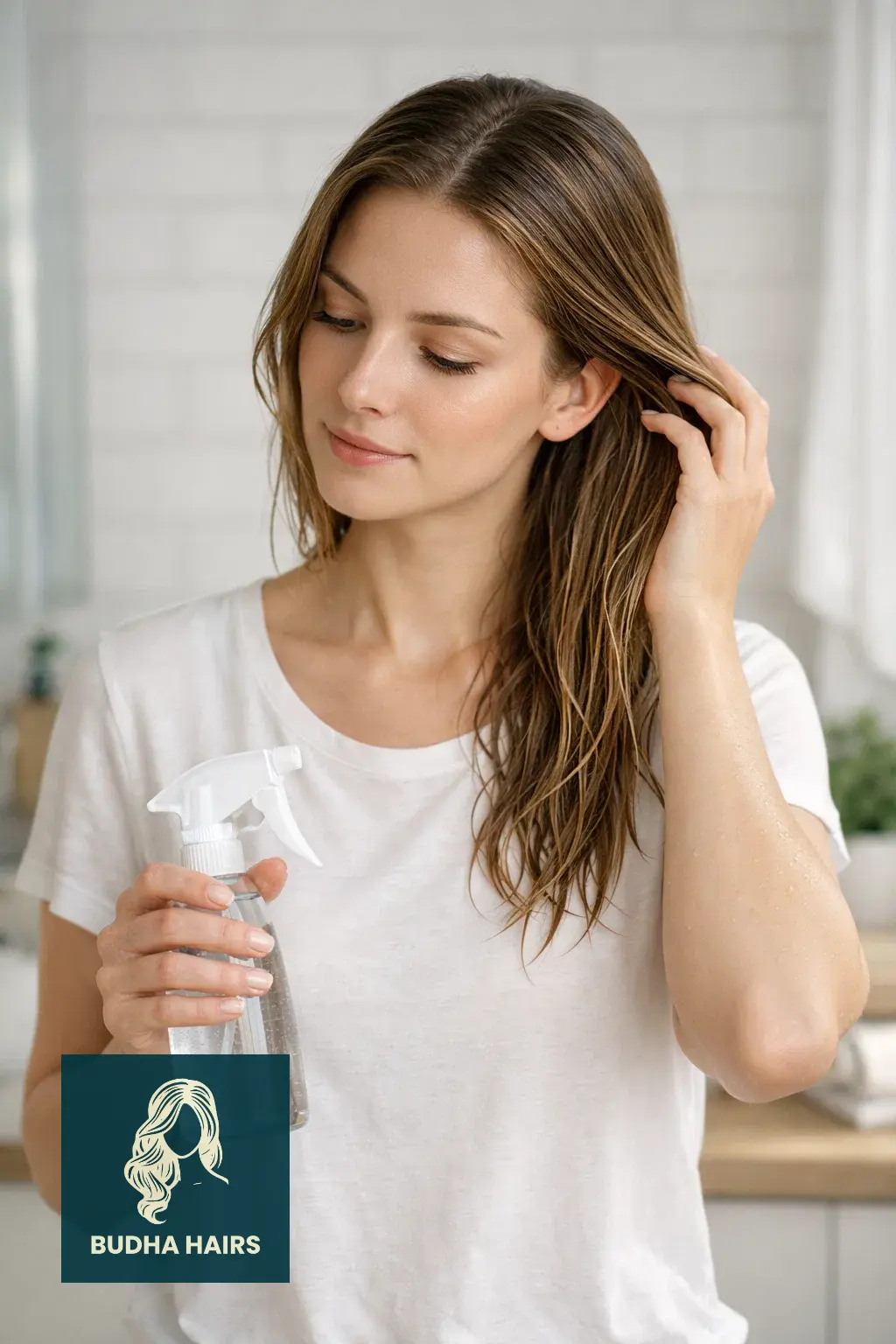
4. Rinse Extremely Well
Leftover shampoo or conditioner residue can worsen odor. Rinse until hair feels light and squeaky clean at the roots.
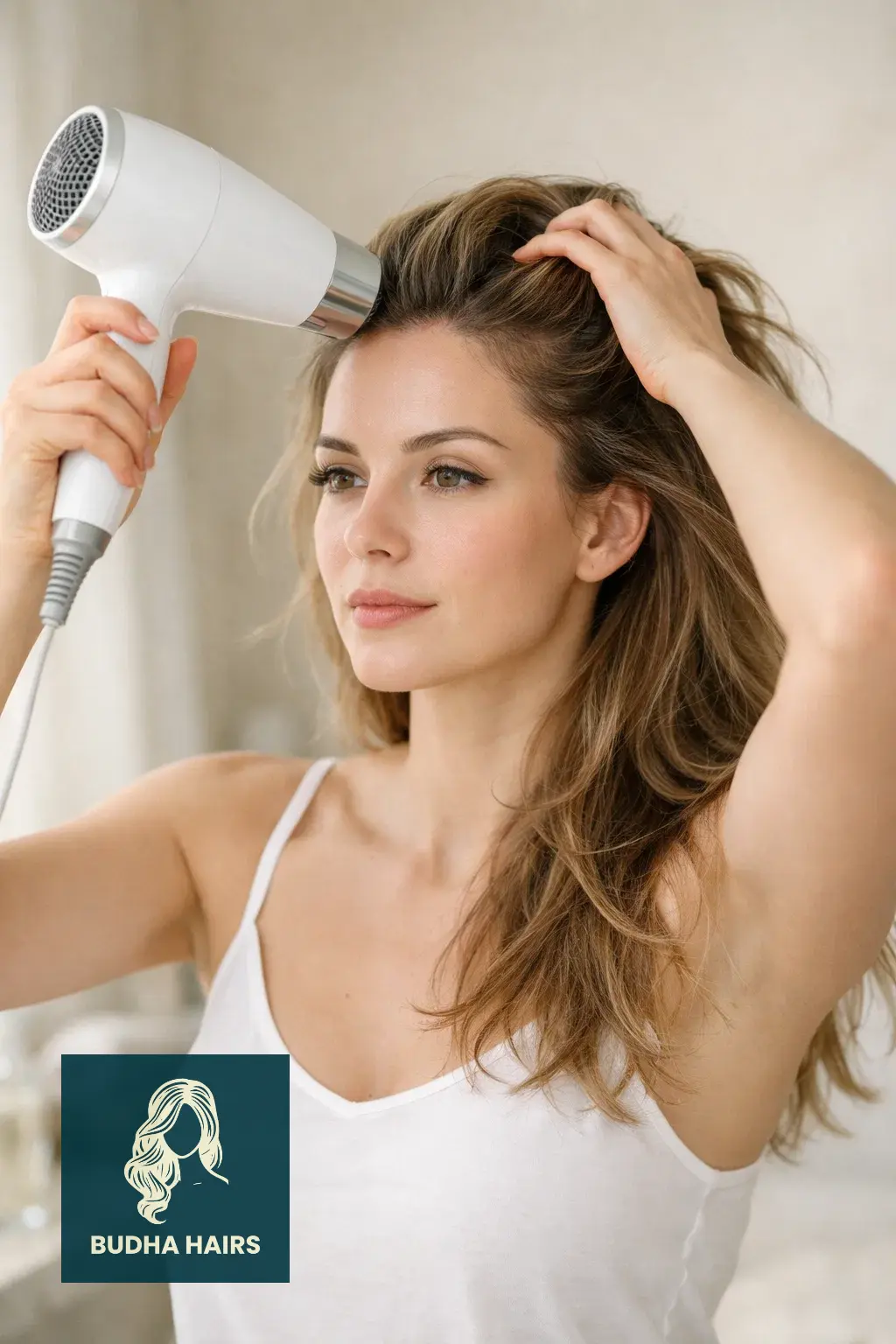
5. Dry Hair and Scalp Completely
- Avoid sleeping with wet hair
- Use a blow dryer on low or cool heat if needed
- Make sure the scalp—not just lengths—is dry
6. Clean Hair Tools and Fabrics Regularly
- Wash brushes and combs weekly
- Change pillowcases 2–3 times a week
- Wash hats and scarves frequently
7. Apple Cider Vinegar Scalp Rinse (Natural Remedy)
ACV helps:
- Balance scalp pH
- Reduce bacterial growth
- Neutralize odors
How to use:
Mix 1 tablespoon ACV with 1 cup water. Apply to scalp once weekly.
8. Improve Diet and Hydration
- Drink more water daily
- Reduce sugar and processed foods
- Add zinc, omega-3s, and leafy greens
Internal balance supports scalp health.
What Makes Hair Smell Worse (Avoid These)
❌ Overwashing daily
❌ Masking odor with perfumes or sprays
❌ Applying heavy oils directly to scalp
❌ Ignoring itching, flakes, or redness
❌ Reusing dirty towels
How Long Does It Take to Eliminate Hair Odor?
- Mild odor: 3–7 days
- Product buildup: 1–2 weeks
- Bacterial or fungal issues: 2–4 weeks with correct treatment
Consistency is essential for long-term results.
When Should You See a Dermatologist?
Seek professional help if:
- Odor persists beyond 4 weeks
- Scalp becomes itchy, red, or painful
- You notice excessive dandruff or hair loss
These may indicate an underlying scalp disorder.
Seasonal dryness and scalp imbalance can also make hair smell off despite regular washing. Incorporating strategies from Dry Scalp During Winter helps restore moisture and scalp health, leaving hair fresher and more manageable.
FAQs
Final Thoughts
If you’ve been wondering why your hair smells bad even after washing, the answer almost always lies in scalp health, buildup, moisture, and habits—not hygiene alone. By treating your scalp properly, choosing the right products, and maintaining good hair-care practices, you can eliminate odor at the root and keep your hair fresh, clean, and healthy long-term.

I’m Budha Styler, a hair enthusiast who loves creating beautiful, confidence-boosting looks that feel true to who you are. I’m passionate about exploring new trends, techniques, and textures, and I enjoy turning that knowledge into simple, inspiring ideas anyone can try. Through my work, I hope to help you express your unique style, feel amazing in your own hair, and discover everyday looks that make you shine.


