
Waking up to smooth, manageable hair only to watch it transform into a chaotic halo of frizz as it dries is a universal frustration that affects every hair type, from pin-straight to coily. Understanding why does my hair dry frizzy requires looking beyond surface-level dryness and examining the microscopic behavior of the hair shaft when it interacts with moisture. Frizz is essentially a cry for help from your hair cuticle; when this protective outer layer is raised or damaged, the underlying cortex is exposed to the air. If the atmosphere is more humid than the hair, the dry strands frantically absorb water molecules, causing the shaft to swell unevenly and kink in irregular directions.
The Root Causes: Biology, Humidity, and Friction
This guide explores the biological mechanisms behind this swelling and provides ten elite tips to ensure your hair dries smooth, sleek, and polished every time.
The Science of Porosity and the Cuticle
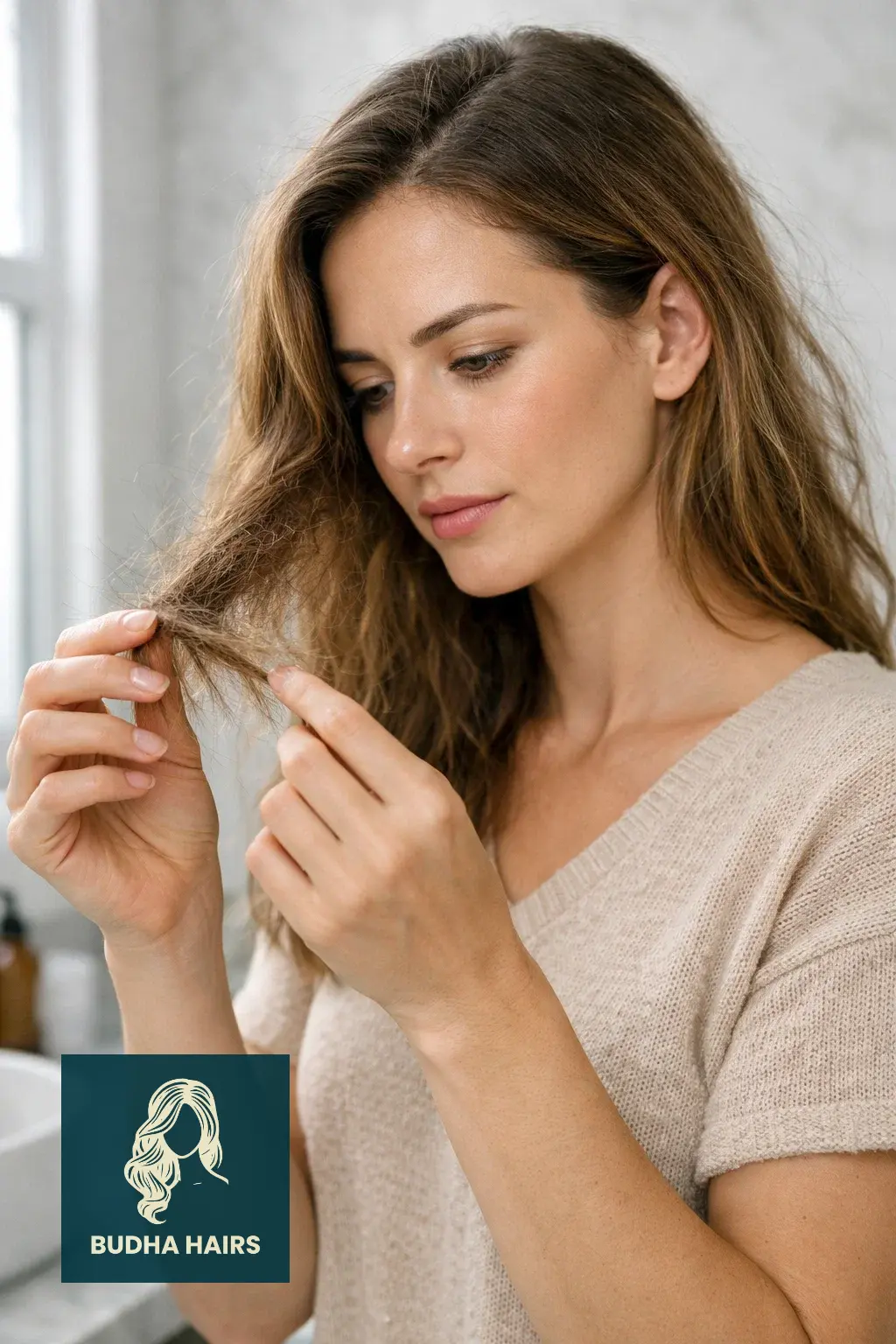
The primary biological factor determining whether hair dries smooth or frizzy is the condition of the cuticle, which resembles overlapping shingles on a roof. In healthy, low-porosity hair, these shingles lie flat and tight against the shaft, sealing in internal moisture and reflecting light for a shiny appearance. However, when hair is damaged by heat, chemical processing, or genetic dryness, these scales lift up, creating a “high porosity” structure. This open structure allows internal moisture to evaporate rapidly while simultaneously inviting external atmospheric moisture in. When this moisture exchange happens too quickly during the drying process, the hair strand twists and bends out of alignment with its neighbors, creating the visual texture we recognize as frizz.
The Impact of Hydrogen Bonds
At a molecular level, the shape of your hair is held together by hydrogen bonds, which are temporary physical side bonds that are easily broken by water and heat. When you wet your hair, you break these bonds, and as the hair dries, they reform to hold the hair in its new shape. If you are in a humid environment, the excess water vapor in the air disrupts these reforming bonds, preventing them from setting in a smooth, uniform pattern. Instead, the hydrogen bonds keep breaking and resetting in a chaotic manner as the hair continues to absorb moisture from the air, causing the hair to expand and “poof” out rather than laying flat and compact.
Mechanical Damage and Friction
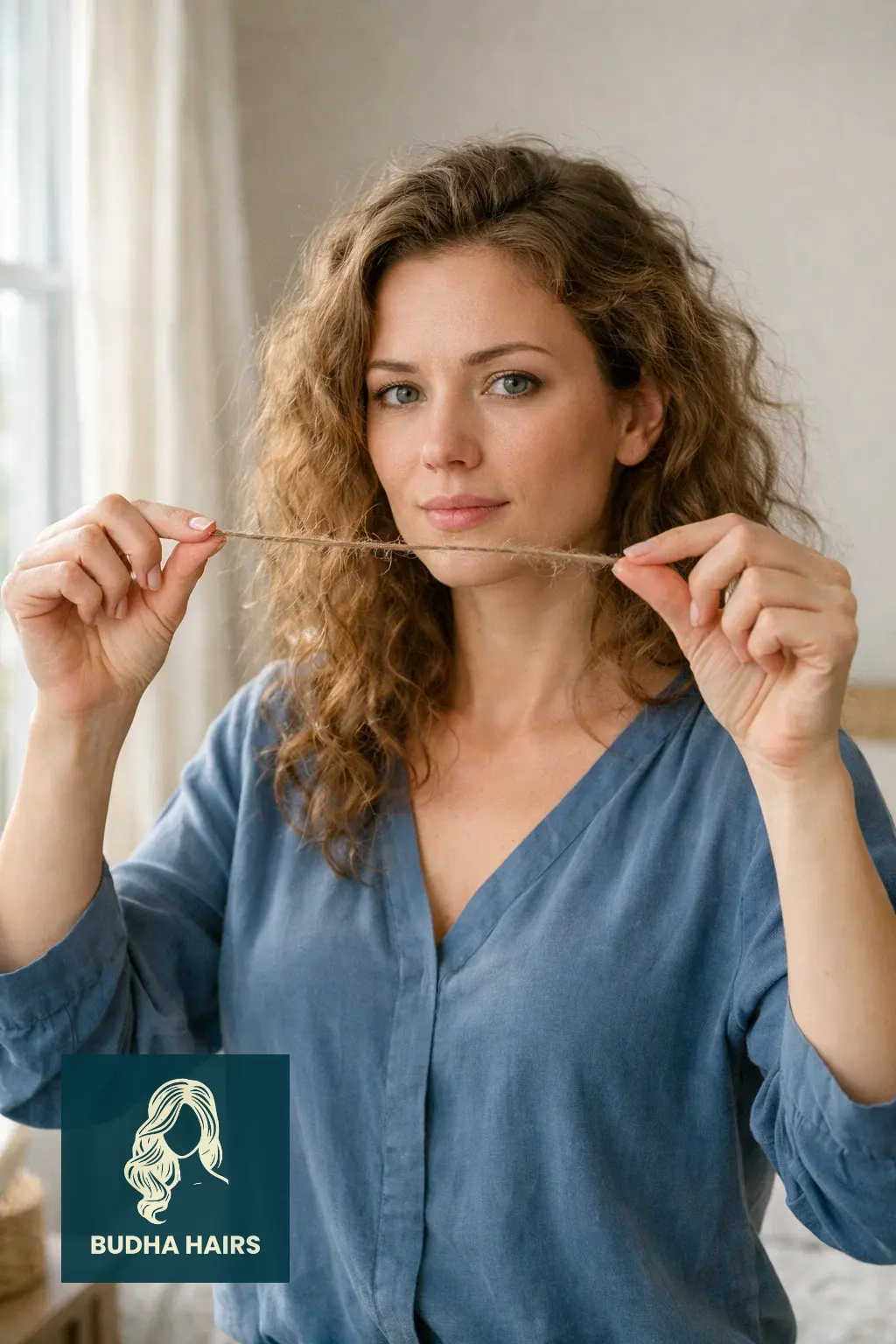
While biology plays a huge role, how you physically handle your hair while it is wet is often the immediate cause of a frizzy result. Using a standard terry cloth towel to aggressively rub your hair dry is one of the most damaging habits you can have, as the coarse loops of the fabric snag on the cuticle scales. This friction forces the cuticle to stand up in the wrong direction, creating a rough surface texture that acts like Velcro, causing strands to catch on one another and separate from their natural clumps. Once the cuticle has been roughed up by a towel, no amount of product can fully smooth it back down, meaning the hair is destined to dry frizzy before you even leave the bathroom.
10 Expert Tips to Prevent Frizz
Now, let’s explore 10 expert tips to prevent frizz. With the right hydration, styling techniques, and protective habits, these tips help keep hair smooth, controlled, and polished in any weather.
1. Finish Every Shower with a Cold Rinse
While a hot shower feels relaxing, hot water strips away the natural lipids (sebum) that act as your hair’s first line of defense against frizz, leaving the cuticle raised and vulnerable. To combat this, you should commit to a “cold shot” at the very end of your washing routine, rinsing your hair with the coldest water you can stand for at least 30 seconds. This sudden drop in temperature physically shocks the cuticle scales, forcing them to snap shut and lie flat against the hair shaft. A closed cuticle reflects light better and prevents atmospheric moisture from penetrating the cortex, setting a smooth foundation before you even step out of the shower.

Wondering why your hair dries frizzy is often linked to moisture loss, improper drying methods, or hair texture. Using techniques from How to Blow Dry Hair Without Heat Damage helps smooth the hair cuticle and reduce frizz without causing stress to strands.
2. Ditch the Terry Cloth for Microfiber
The texture of your drying tool matters immensely; standard cotton bath towels have coarse loops that act like sandpaper on wet, fragile hair, roughening the cuticle and creating immediate frizz. You must switch to a microfiber towel or a clean, soft cotton t-shirt, both of which have a flat surface that glides over the hair without snagging. Instead of rubbing your head vigorously, use a gentle blotting motion to squeeze excess water out of the strands, or wrap the hair in a turban to let the fabric absorb moisture passively. This “low-friction” drying method preserves the natural clump of the hair and ensures the cuticle remains aligned downward.

3. Apply Products to Soaking Wet Hair
Many people make the mistake of towel-drying their hair until it is damp before applying product, but by then, the frizz has often already started to form. For the smoothest results, apply your leave-in conditioners and styling creams while your hair is still soaking wet, preferably before you even leave the shower stall. The water acts as a carrier, helping to distribute the product evenly from root to tip and ensuring that every single strand is coated before it has a chance to dry out. This technique locks the hydration inside the shaft immediately and creates a barrier against the air from the very first moment of the drying process.

4. Use the “Praying Hands” Application Method
How you apply your product is just as important as when you apply it; raking your fingers aggressively through your hair can break up clumps and cause separation that leads to frizz. Instead, use the “praying hands” technique: rub the product between your palms, then press your hands together with a section of hair in between them, sliding from root to tip. This smoothing motion physically lays the cuticle down and ensures the product coats the surface of the hair evenly without disrupting the natural curl or wave pattern. By smoothing the hair downwards, you are mechanically reinforcing the direction you want the hair to dry in.

Frizz can sometimes make hair appear thinner or more damaged than it actually is. Understanding How Much Hair Shedding Is Normal? helps separate natural hair loss from breakage caused by dryness and frizz.
5. Layer with the L.O.C. Method
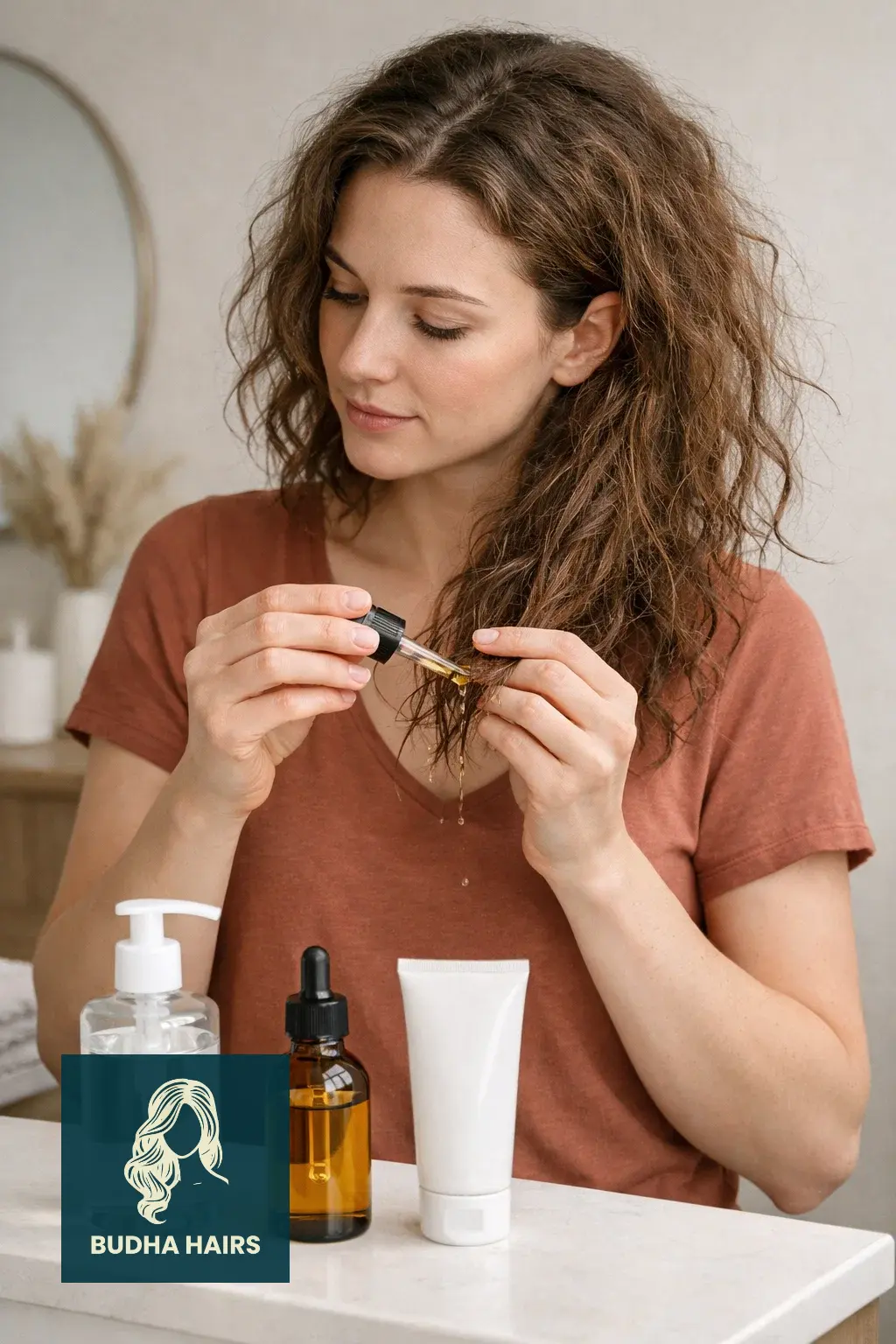
To create an impenetrable shield against humidity, you should adopt the L.O.C. method, which stands for Liquid (or Leave-in), Oil, and Cream. Start with a water-based leave-in conditioner to hydrate the cortex, follow with a penetrating oil to nourish the strand, and finish with a heavier cream or butter to seal the cuticle. This specific order is designed to trap moisture inside the hair shaft (hydration) and then lock it in with an occlusive layer (oil/cream) that prevents it from evaporating. This layering creates a robust defense system that stops your hair from seeking moisture from the humid air outside.
6. Invest in an Ionic Blow Dryer
If you choose to heat dry your hair, the technology of your tool can make a massive difference; standard dryers simply blow hot air, which can dehydrate the hair and cause static. Ionic blow dryers, however, emit negative ions that interact with the positive charge of water molecules, breaking them down faster and sealing the cuticle in the process. This technology neutralizes the static electricity that causes flyaways and helps the hair dry faster with less heat exposure. Using an ionic dryer with a concentrator nozzle directs the airflow down the shaft, further smoothing the scales for a sleek, salon-quality finish.
7. Sleep on Silk or Satin
Your nighttime environment is a hidden source of frizz; sleeping on a traditional cotton pillowcase creates friction every time you move, pulling moisture out of your hair and snagging the cuticle. Switching to a silk or satin pillowcase provides a slippery surface that allows your hair to glide effortlessly as you toss and turn, eliminating the mechanical damage that leads to “bed head” frizz. Alternatively, wrapping your hair in a silk bonnet or scarf keeps your style contained and protected from the drying effects of bedding. This simple change preserves the integrity of your hair overnight, so you wake up with the same smoothness you went to bed with.

8. Stop Touching Your Hair While It Dries
One of the hardest but most effective habits to master is the “hands-off” rule: once you have applied your products and set your style, you must not touch your hair until it is 100% dry. Touching damp hair transfers oils and dirt from your hands, but more importantly, the friction from your fingers disrupts the hydrogen bonds while they are trying to set. Every time you touch a drying strand, you create a potential frizz point by separating it from its neighbors and roughening the surface. Patience is key; let the air or the diffuser do the work, and only scrunch or style the hair once it is completely cool and dry.
9. Use Alcohol-Free Styling Products
Many drugstore gels and mousses contain short-chain alcohols (like ethanol or isopropyl alcohol) that give a quick-drying effect but severely dehydrate the hair shaft in the long run. When the hair is stripped of its internal moisture by these harsh ingredients, it becomes desperate for hydration and reaches out to the humidity in the air, resulting in immediate frizz. You should meticulously check ingredient labels and opt for “alcohol-free” formulas or those containing “fatty alcohols” like cetyl or stearyl alcohol, which actually help to moisturize and smooth the hair. Choosing the right chemistry for your hair ensures that your styling products are solving the problem, not causing it.

Managing frizz effectively requires a consistent care routine. Following a Hair Routine for Thin Straight Hair keeps strands hydrated, smooth, and easier to manage on a daily basis.
10. Get Regular Trims to Remove Split Ends
Sometimes, what looks like frizz is actually structural damage at the ends of the hair that no amount of product can fix. Split ends are fractures in the hair shaft that can travel upwards, causing the hair to fray and look fuzzy and unkempt regardless of your drying routine. Scheduling regular trims every 6 to 8 weeks ensures that these damaged ends are removed before they can spread, keeping the overall texture of your hair blunt and healthy. A fresh cut removes the oldest, most porous parts of the hair, instantly making the style look smoother, thicker, and more polished.
Conclusion
Ultimately, stopping hair from drying frizzy is a holistic process that combines biological understanding with mechanical discipline. By identifying that frizz is a symptom of a thirsty, open cuticle, you can pivot your routine from fighting the texture to nurturing the fiber with hydration and protection. Implementing these ten tips—from the cold water rinse to the silk pillowcase—creates a comprehensive defense strategy that seals the cuticle and blocks out humidity. With consistent care that respects the delicate structure of wet hair, you can finally break the cycle of frizz and enjoy a smooth, brilliant finish every single day.

I’m Budha Styler, a hair enthusiast who loves creating beautiful, confidence-boosting looks that feel true to who you are. I’m passionate about exploring new trends, techniques, and textures, and I enjoy turning that knowledge into simple, inspiring ideas anyone can try. Through my work, I hope to help you express your unique style, feel amazing in your own hair, and discover everyday looks that make you shine.