Showering your hair provides a necessary clean slate, but professional stylists and trichologists agree that what happens immediately after you rinse is just as critical as the specific shampoo or conditioner you choose to use. Knowing exactly what to do with hair after washing can make the definitive difference between experiencing chronic breakage and achieving healthy, hydrated, and manageable locks that last for days. While there are certain aspects of your post-wash routine that serve simply to avoid damage, there are other active steps that, if performed correctly, elevate the entire process from basic hygiene to intense hair therapy.
Understanding Hair Vulnerability
This guide breaks down the science of wet hair and provides actionable steps to transform your routine.
Why Wet Hair is So Fragile
The primary reason post-wash care is so vital is that when your hair is thoroughly wet, it is in its most vulnerable and fragile state, making it highly susceptible to snapping, stretching, and permanent deformation. This fragility occurs because water breaks the hydrogen bonds in the keratin structure, causing the hair shaft to swell and the protective cuticle scales to lift slightly, which exposes the delicate inner cortex. If you treat wet hair with the same roughness as dry hair, you cause irreversible mechanical damage that manifests as split ends and chronic frizz. Understanding this biological change is the first step in correcting your routine, as the primary cause of post-wash disaster is simply a lack of gentleness during this critical drying window.
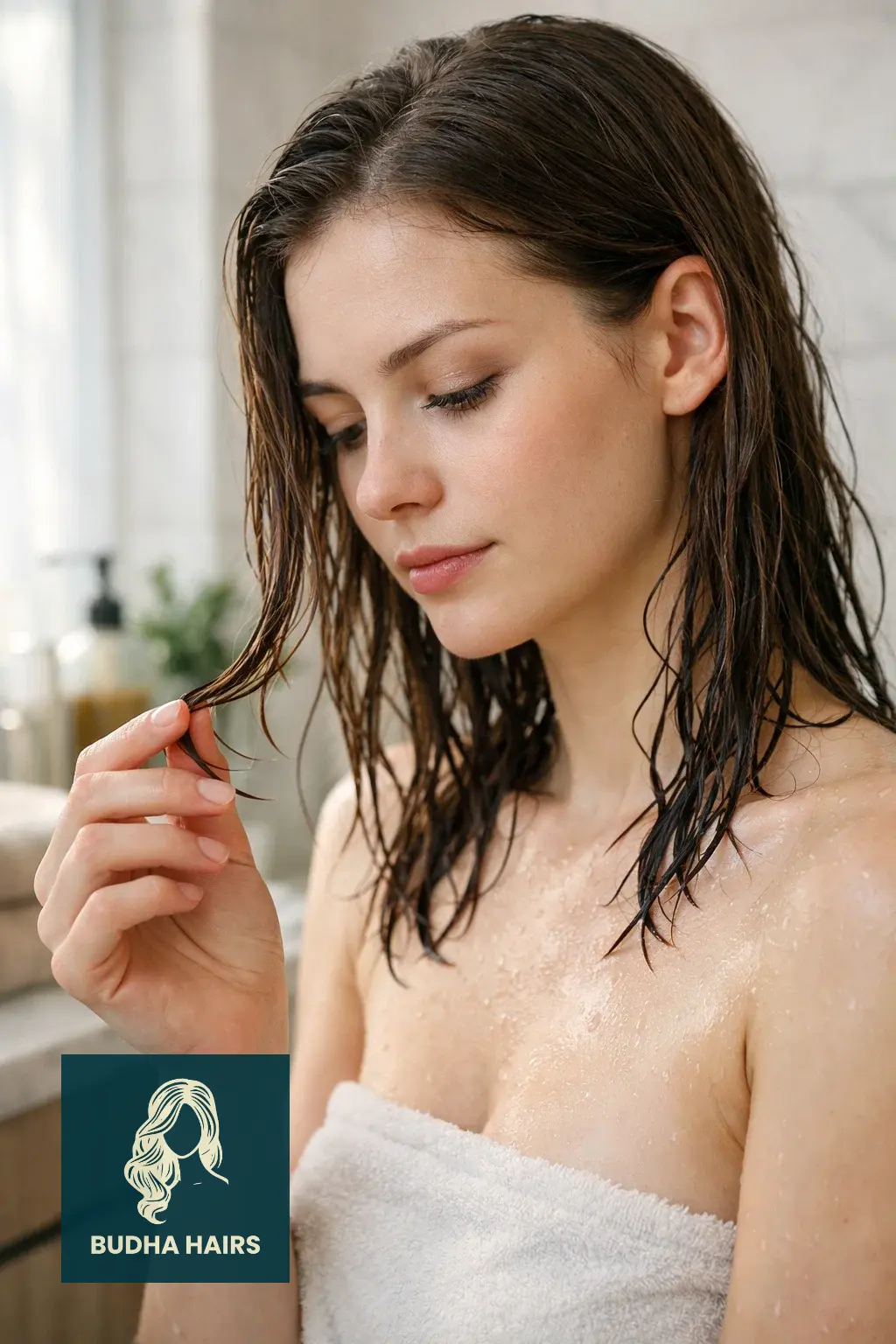
Knowing what to do with hair after washing is key to maintaining its health and preventing damage. Following tips from How to Stop Hair Breakage at the Crown helps protect delicate areas while keeping hair strong and resilient.
The Damage Caused by Friction
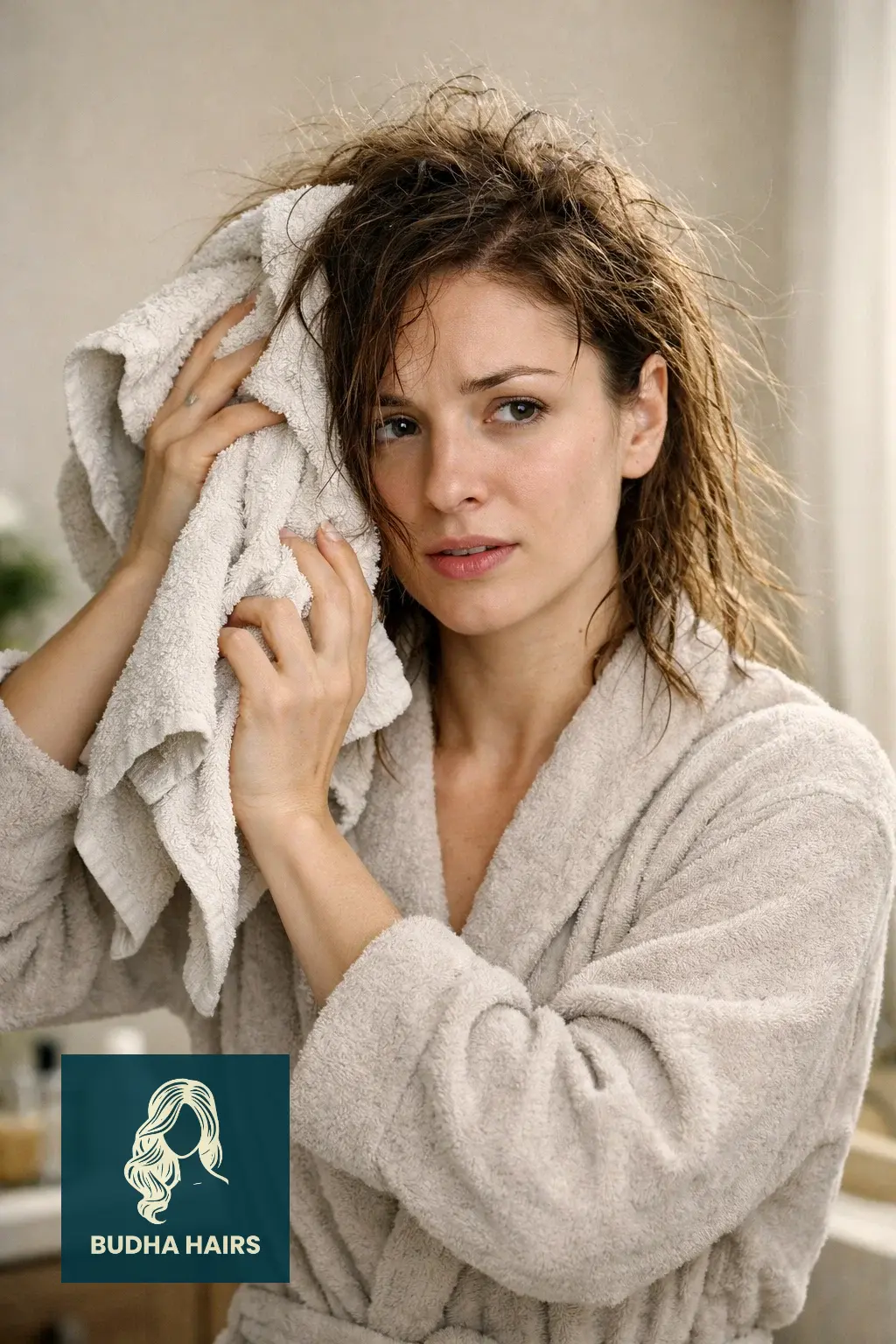
Another significant cause of unmanageable texture is the friction introduced by traditional drying methods, specifically the use of coarse terry cloth towels that act like sandpaper on the hair shaft. Rubbing wet hair aggressively to remove excess water creates significant friction that roughens the cuticle layer, preventing it from lying flat and reflecting light effectively. This chaotic roughening is the root cause of the “poofy” or unmanageable texture many experience once their hair finally dries, as the strands catch on one another. Furthermore, skipping immediate hydration allows the water to evaporate too quickly, leaving the cortex parched and leading to a cycle of dryness that makes the hair brittle and prone to static electricity.
- Key Causes of Damage:
- Swelling: Water absorption stretches the internal protein structure, reducing elasticity.
- Rough Towels: Coarse fabrics strip the cuticle, leading to a dull appearance.
- Rapid Evaporation: Letting hair air-dry without product leads to dehydration and frizz.
Immediate Remedies: The Drying Phase
Now, let’s explore immediate remedies during the drying phase. Using the right techniques and products while hair dries helps prevent frizz, breakage, and damage, keeping strands smooth and healthy.
Swapping Your Towel Tools
The immediate remedy for preventing damage is swapping your standard towel for a microfiber turban or a simple, soft cotton t-shirt, which are materials designed to be gentle on the fiber. Instead of rubbing, you must utilize a gentle blotting or squeezing motion to press the water out of the hair without disturbing the natural cuticle alignment. This method, often referred to as “plopping” in the curly hair community, drastically reduces friction and preserves the natural clump or wave pattern of the hair by cupping it gently. By carefully blotting section by section, you remove the heavy dripping water while keeping the essential hydration necessary for your leave-in products to function effectively and absorb deeply.
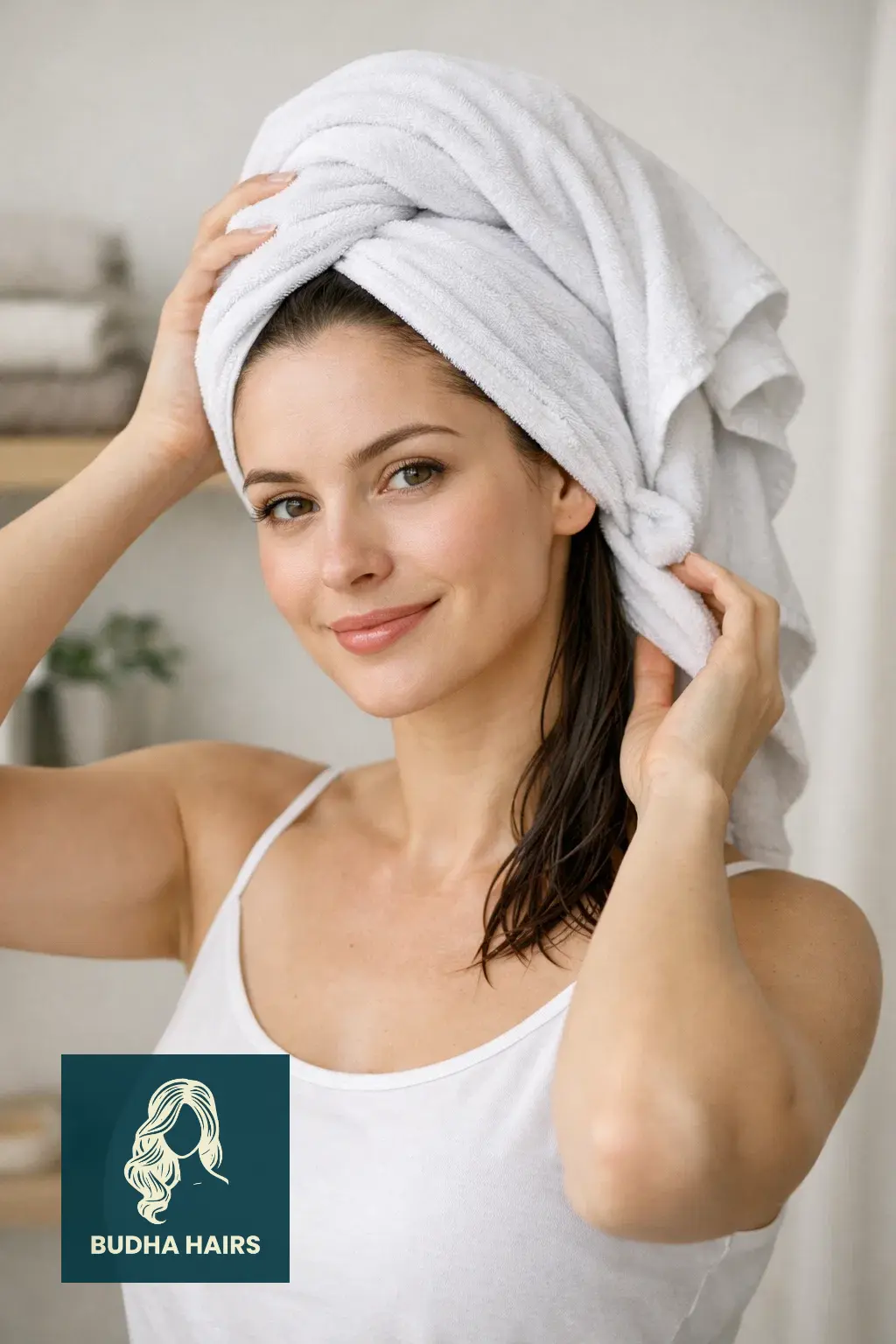
Post-wash care can also affect texture and frizz. Understanding Why Does My Hair Dry Frizzy ensures your hair stays smooth, hydrated, and easier to style after washing.
The “No-Friction” Technique
If you can avoid vigorous towel drying altogether, do so; simply patting the hair allows the fabric to soak up moisture passively without agitating the strands. This approach is superior because it respects the hair’s natural direction and prevents the mechanical stress that leads to breakage and flyaways near the roots. When you eliminate friction from the drying process, you notice an immediate difference in how smooth the hair dries, even before applying any styling products. This simple switch is often the most transformative step in a healthy hair journey, costing nothing but requiring a change in habit and mindfulness.
- Drying Best Practices:
- Blot, Don’t Rub: Press the water out gently rather than scrubbing the scalp.
- Use Microfiber: These towels absorb water faster without snagging the hair loops.
- T-Shirt Hack: A cotton tee is smoother than terry cloth and reduces static buildup.
Essential Remedies: Product Application & Detangling
The Art of Safe Detangling
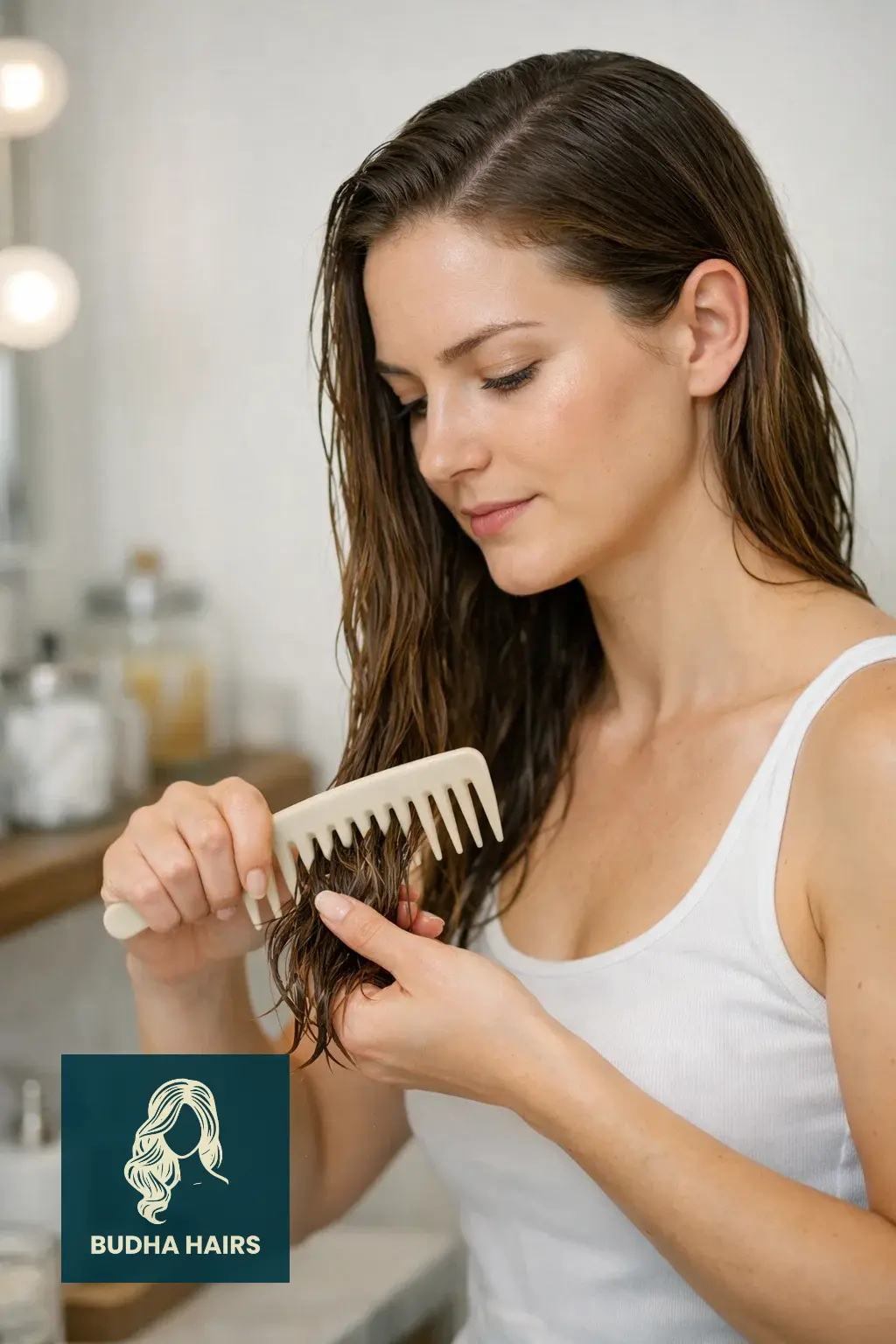
Detangling is a critical step that must be approached with patience, using a wide-tooth comb or your fingers to gently separate strands without tearing through wet knots. You must always start detangling from the very ends of your hair and slowly work your way up to the roots to prevent tightening knots into breakage points. If you encounter a tough tangle, add a little more water or conditioner rather than forcing the comb through, which can snap the elastic wet hair. To make this process smoother, apply a high-quality leave-in conditioner or detangling spray on damp strands first, providing the necessary “slip” to protect the hair shaft.
Layering Products for Moisture
Once the hair is damp but not dripping, applying products in the correct order is the ultimate remedy for locking in moisture and ensuring the longevity of your style. Start with a water-based leave-in conditioner to provide hydration, followed by a light oil to seal the cuticle, and finish with a cream for styling hold if necessary. This layering technique traps the water inside the hair shaft before it can evaporate into the air, keeping the hair supple and shiny for days. Ensure you distribute these products evenly using “praying hands” or a comb to guarantee every strand is coated, paying special attention to the oldest part of the hair—the ends.
- Step-by-Step Routine:
- Leave-In Conditioner: Apply first to wet hair to boost hydration levels.
- Serum/Oil: Use a pea-sized amount to seal the ends and prevent split ends.
- Heat Protectant: Non-negotiable if you plan to use a blow dryer or iron.

The right drying and styling routine sets the stage for lasting looks. Applying methods from How to Make Your Hair Hold a Curl helps maintain style while minimizing heat and mechanical stress on freshly washed hair.
Conclusion
Ultimately, mastering what to do with hair after washing requires a shift in mindset from quick drying to careful, intentional nurturing of the fiber. By understanding the causes of wet-hair vulnerability and implementing remedies like microfiber blotting and strategic product layering, you can transform the health of your mane. Consistency in this gentle approach will lead to a noticeable reduction in breakage, increased moisture retention, and a smoother overall texture. Treat your post-wash routine as a delicate ritual rather than a hurried chore, and your hair will reward you with resilience, brilliance, and long-term vitality.

I’m Budha Styler, a hair enthusiast who loves creating beautiful, confidence-boosting looks that feel true to who you are. I’m passionate about exploring new trends, techniques, and textures, and I enjoy turning that knowledge into simple, inspiring ideas anyone can try. Through my work, I hope to help you express your unique style, feel amazing in your own hair, and discover everyday looks that make you shine.


