For many women, hair thinning is not just a cosmetic issue but a distressing signal that the body is depleted or out of balance. Unlike male pattern baldness, which is largely genetic, female hair thinning is often “reactive”—meaning it is a direct response to nutritional deficiencies, hormonal fluctuations, or stress. Because the hair follicle is one of the most metabolically active tissues in the body, it requires a constant supply of energy and raw materials to produce fiber. If these materials are missing, the body considers hair “non-essential” and shuts down production to save energy for vital organs.
The Science of Deficiency and Growth
This guide explores the critical link between nutrition and follicle health, detailing the essential vitamins and minerals women need to stop the shed and encourage thicker, stronger regrowth.
Why Vitamins Matter for Women
Women are uniquely susceptible to vitamin-related hair loss due to biological factors like menstruation, pregnancy, and menopause, all of which deplete nutrient stores and alter hormonal baselines. When the body lacks specific micronutrients, the hair growth cycle is disrupted. The Anagen (growth) phase shortens, and the Telogen (resting) phase lengthens, leading to visible widening of the part line and a decrease in overall volume. Correcting these deficiencies is often the most effective “root cause” treatment, acting as the fuel the biological machinery needs to restart fiber production.
The “Bio-Availability” Factor
Taking a vitamin is not enough; your body must be able to absorb it. Many women take supplements that pass right through them because they are not paired with the correct co-factors (like taking Iron without Vitamin C). Understanding synergy—how vitamins work together—is key to ensuring that the nutrients actually reach the hair follicle bulb where they can effect change.
The Top 8 Vitamins & Nutrients for Thinning Hair
Now, let’s explore the top 8 vitamins and nutrients for thinning hair. Key essentials like biotin, vitamin D, iron, and zinc support hair growth, strengthen strands, and help reduce hair loss over time.
1. Iron (Specifically Ferritin)
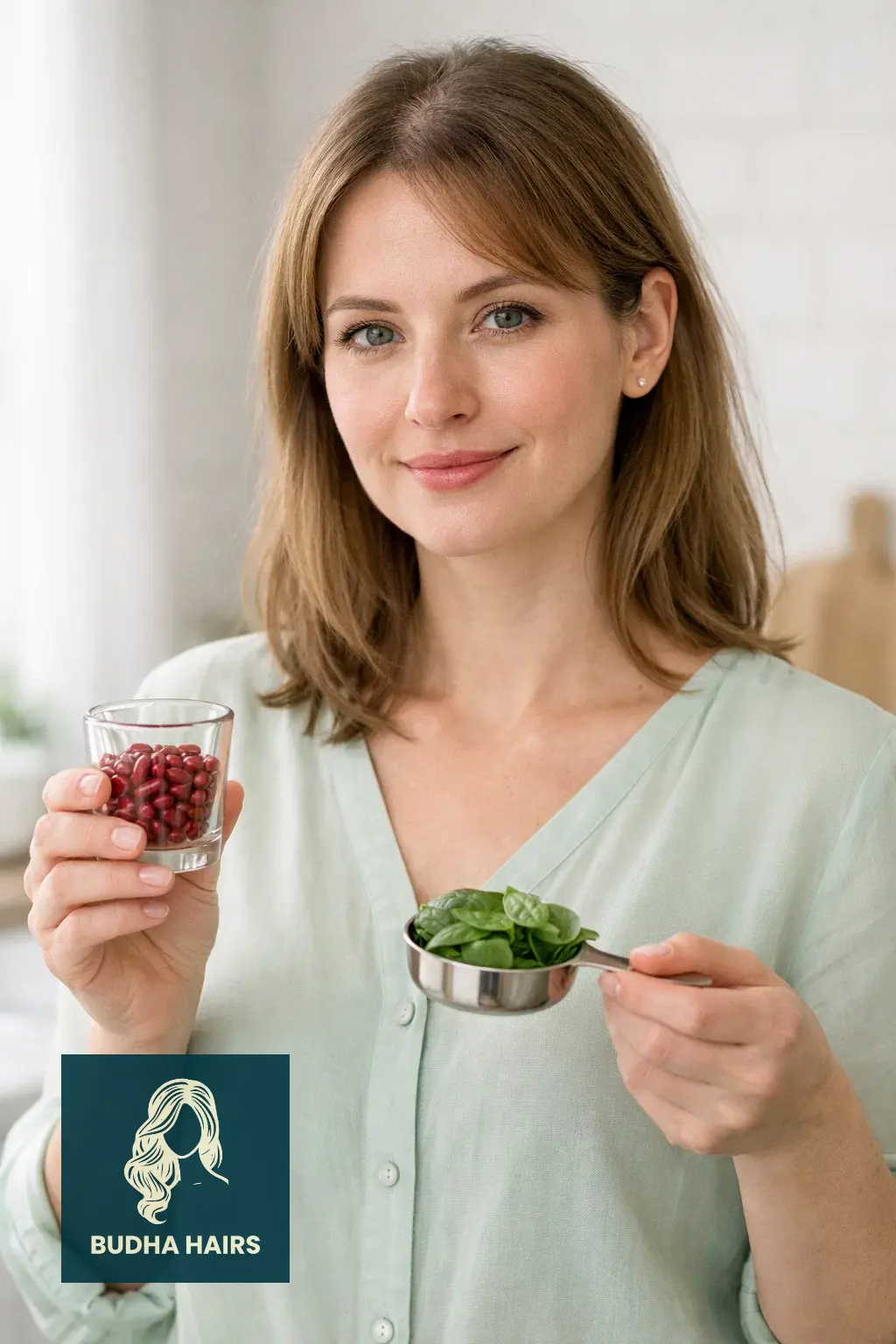
Iron deficiency is the number one cause of hair thinning in women of childbearing age, largely due to blood loss during menstruation. You don’t need to be anemic to lose hair; you just need low “Ferritin,” which is the protein that stores iron. If Ferritin drops below 40 ng/mL, the body rations iron for red blood cell production and cuts off the supply to hair follicles.
- Best Sources: Red meat, lentils, spinach, fortified cereals.
- Pro Tip: Always take iron supplements with Vitamin C (like a glass of orange juice) to boost absorption by up to 300%.
2. Vitamin D (The “Sun Vitamin”)
Vitamin D is actually a hormone precursor that plays a direct role in the cycling of the hair follicle. Receptors for Vitamin D are found on the follicle itself, and a deficiency is strongly linked to Telogen Effluvium (excessive shedding) and Female Pattern Hair Loss. Since it is difficult to get enough from food and sun alone (especially in winter), deficiency is rampant among women.
- Best Sources: Fatty fish (salmon), mushrooms, egg yolks, fortified milk.
- Pro Tip: Ask your doctor for a blood test to determine your exact dosage, as Vitamin D is fat-soluble and can accumulate in the body.

Vitamins for thinning hair for women play a key role in supporting stronger, healthier strands. Combining proper nutrition with scalp care from Itchy Scalp After Hair Coloring helps maintain a balanced and irritation-free scalp, supporting overall hair health.
3. Biotin (Vitamin B7)
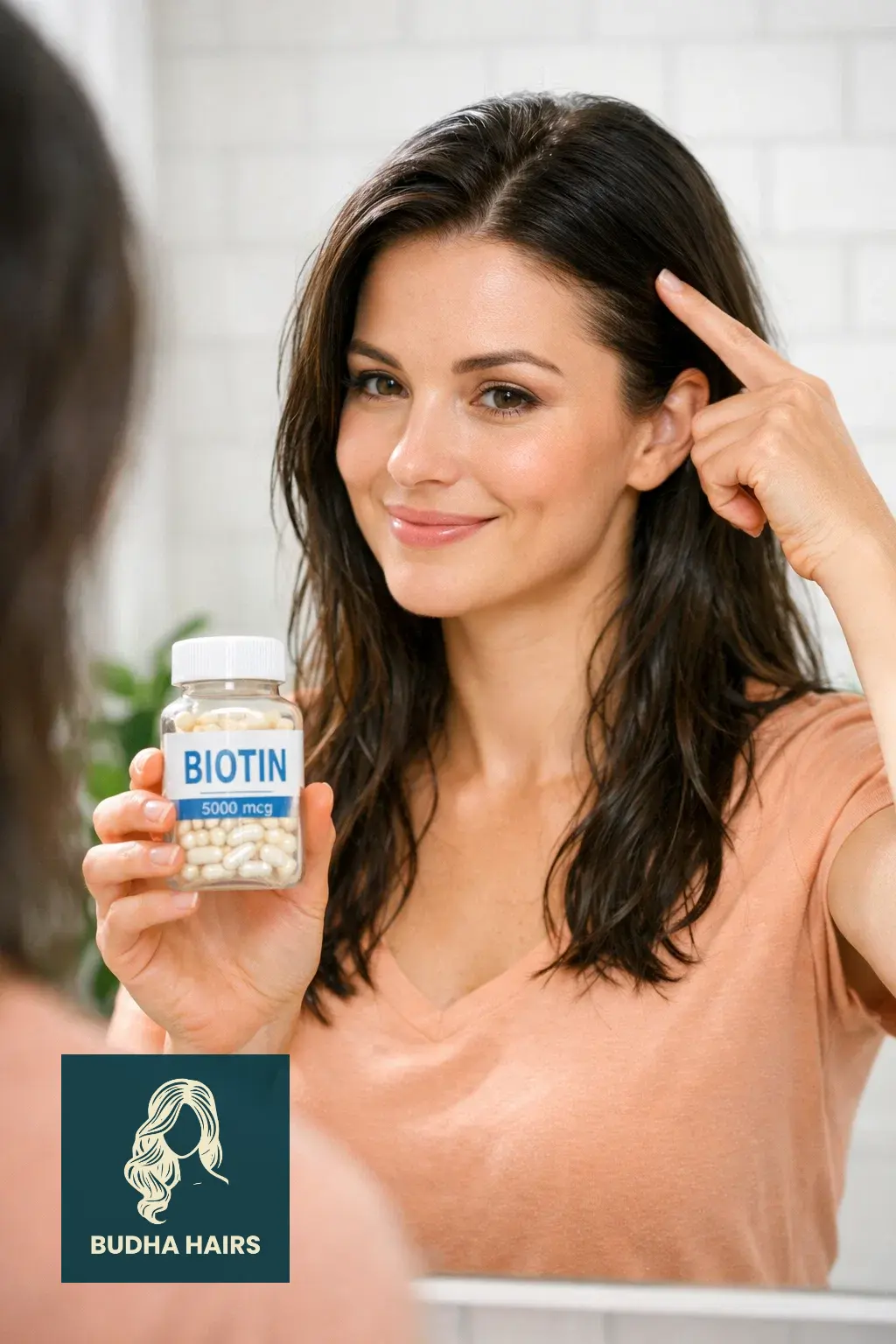
Biotin is the most famous hair vitamin, known as the “builder.” It assists in the production of keratin, the protein that makes up 90% of the hair shaft. While true biotin deficiency is rare, supplementing with it can improve the infrastructure of the keratin protein, making the hair strand stronger and less likely to snap or break before it reaches terminal length.
- Best Sources: Eggs, almonds, cauliflower, sweet potatoes.
- Pro Tip: High doses of Biotin can interfere with thyroid lab test results, so always inform your doctor if you are taking it before blood work.
4. Zinc
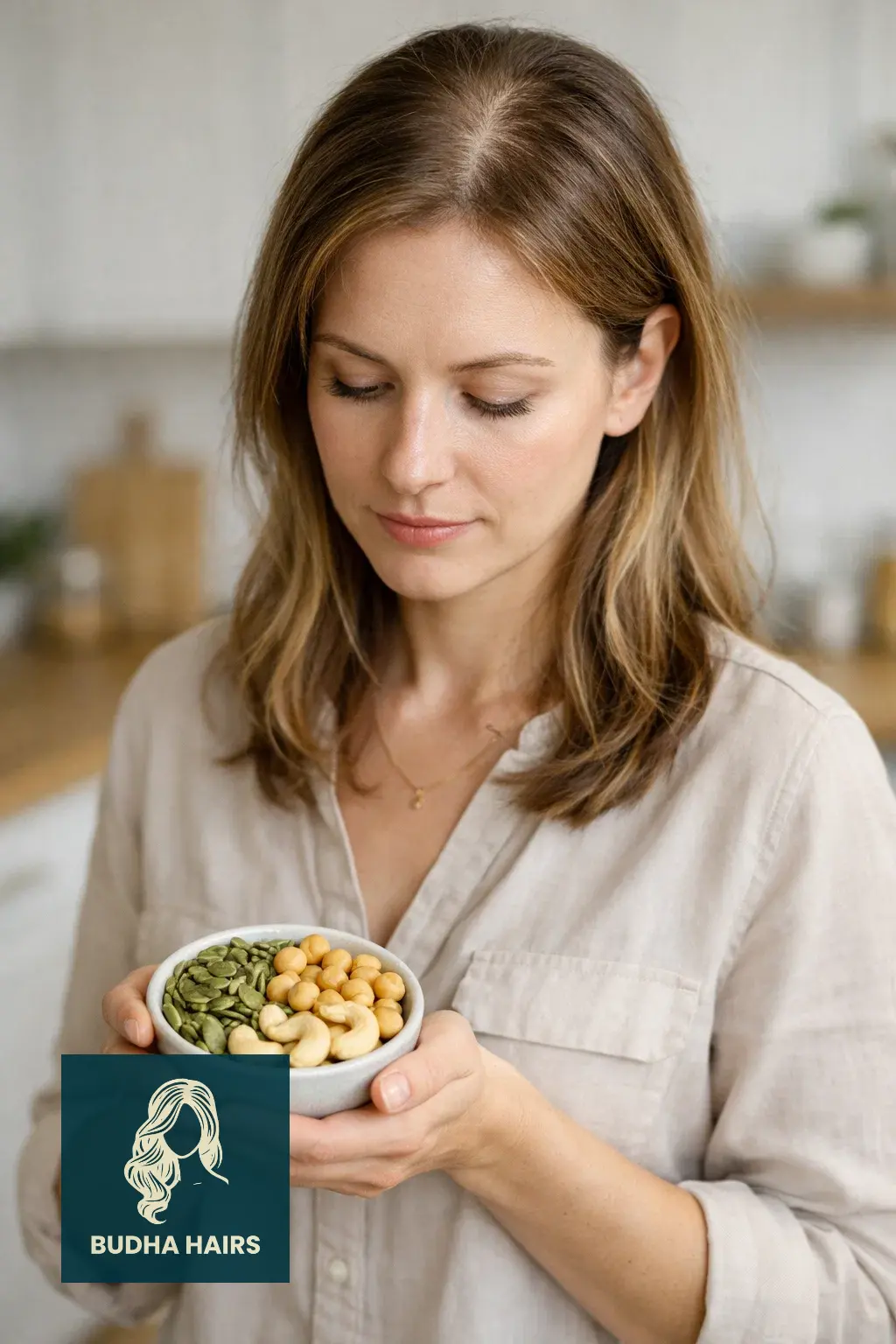
Zinc acts as a potent balancer. It plays a crucial role in DNA and RNA production within the follicle cells, which is necessary for the rapid division required for hair growth. Furthermore, Zinc helps keep hormone levels around the follicle regulated; a deficiency can lead to a deterioration of the protein structure of the hair, causing shedding and breakage.
- Best Sources: Oysters (highest source), beef, pumpkin seeds, lentils.
- Pro Tip: Zinc and Copper compete for absorption; if you take high doses of Zinc long-term, ensure your supplement includes a small amount of Copper to prevent a secondary deficiency.
5. Vitamin C (The Protector)
Vitamin C is a powerhouse antioxidant that protects the hair follicles from “oxidative stress” caused by free radicals (pollution, UV rays). More importantly, Vitamin C is mandatory for the production of Collagen, a structural protein that strengthens the skin of the scalp and anchors the hair follicle firmly. Without adequate Vitamin C, iron absorption is poor, and capillaries feeding the scalp become weak.
- Best Sources: Citrus fruits, bell peppers, strawberries, guavas.
- Pro Tip: Vitamin C is water-soluble and leaves the body quickly, so it must be consumed daily.
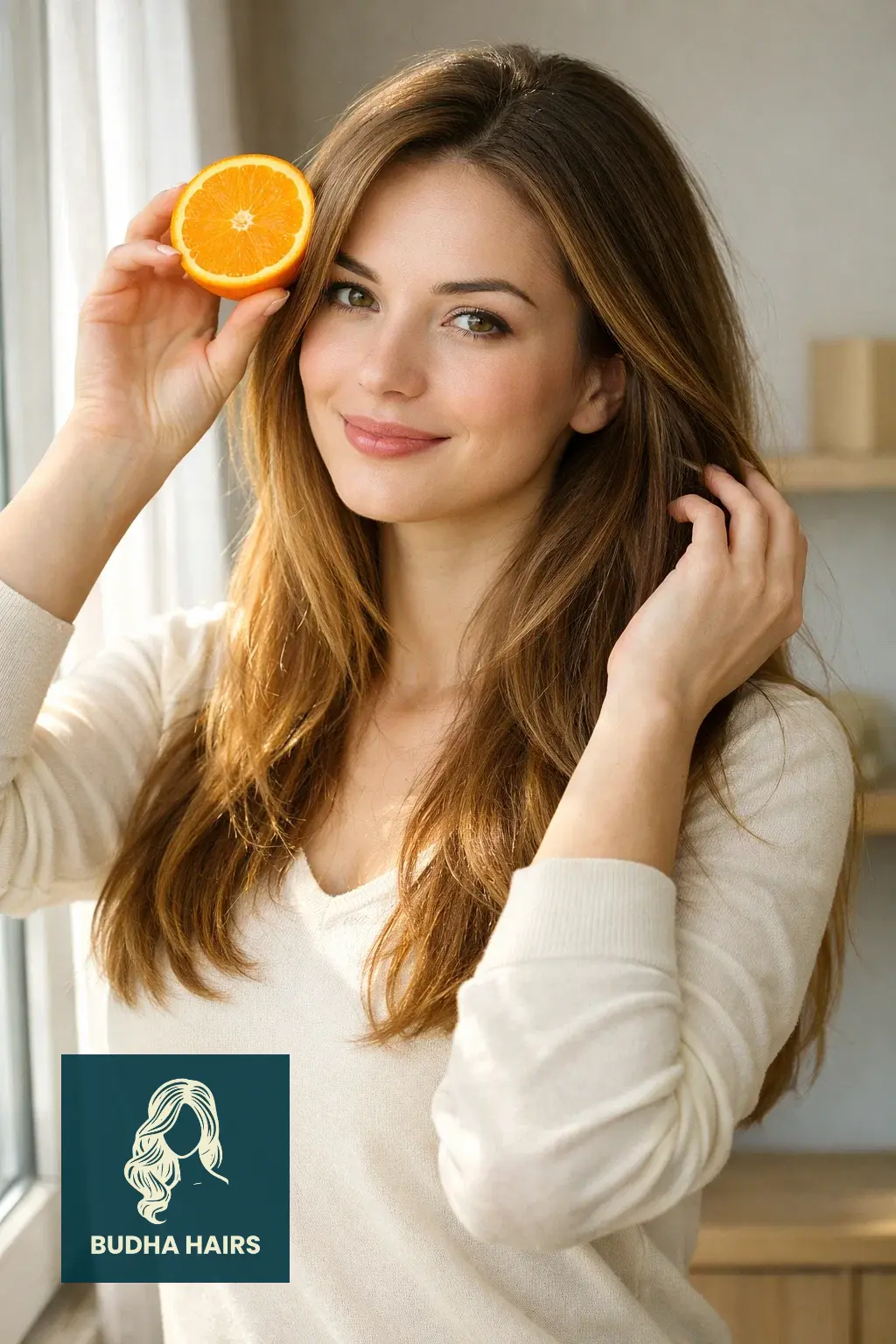
Nourishing the hair from within can prevent breakage and improve texture. Tips from How to Fix Uneven Hair Color ensure that hair remains vibrant and evenly toned, complementing internal hair health efforts.
6. Omega-3 Fatty Acids
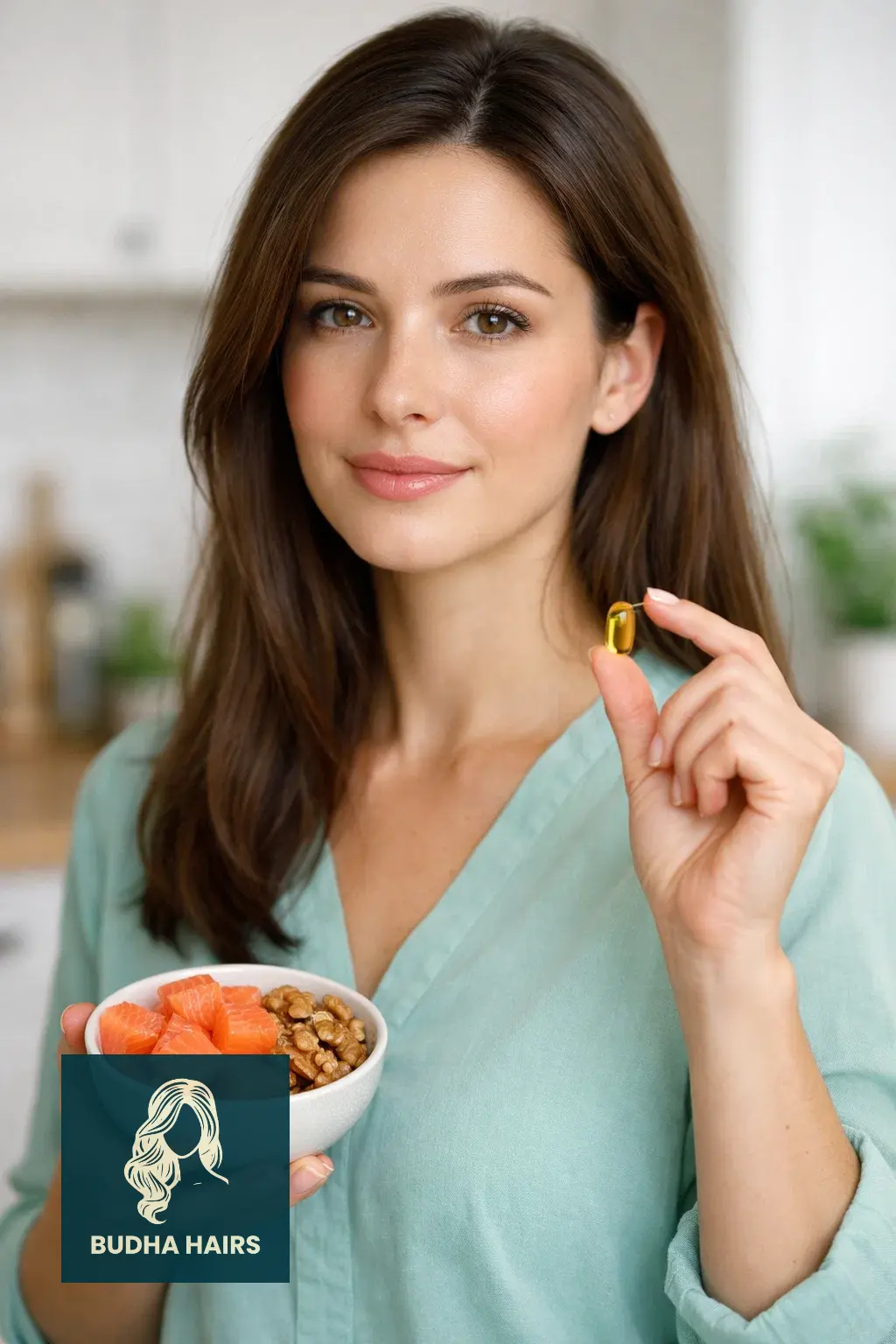
While not a vitamin, Omega-3s are essential nutrients that provide the oils that keep your scalp and hair hydrated. They nourish the hair follicle and reduce inflammation, which can be a major trigger for hair loss (especially in conditions like scarring alopecia). Omega-3s add elasticity to the hair shaft, preventing the “brittle” look of thinning hair.
- Best Sources: Mackerel, salmon, chia seeds, walnuts, flaxseed oil.
- Pro Tip: If you don’t eat fish, look for an Algae-based Omega-3 supplement.
7. Vitamin E (Tocotrienols)
Vitamin E is another crucial antioxidant that has been shown in studies to increase hair count in people with thinning hair. Specifically, the “tocotrienol” form of Vitamin E is potent at reducing lipid peroxidation in the scalp—essentially preventing the scalp oils from going rancid and causing oxidative damage to the follicles.
- Best Sources: Sunflower seeds, almonds, spinach, avocados.
- Pro Tip: Apply Vitamin E oil topically to the scalp as well as ingesting it to soothe inflammation directly.
8. Saw Palmetto (For Hormonal Thinning)
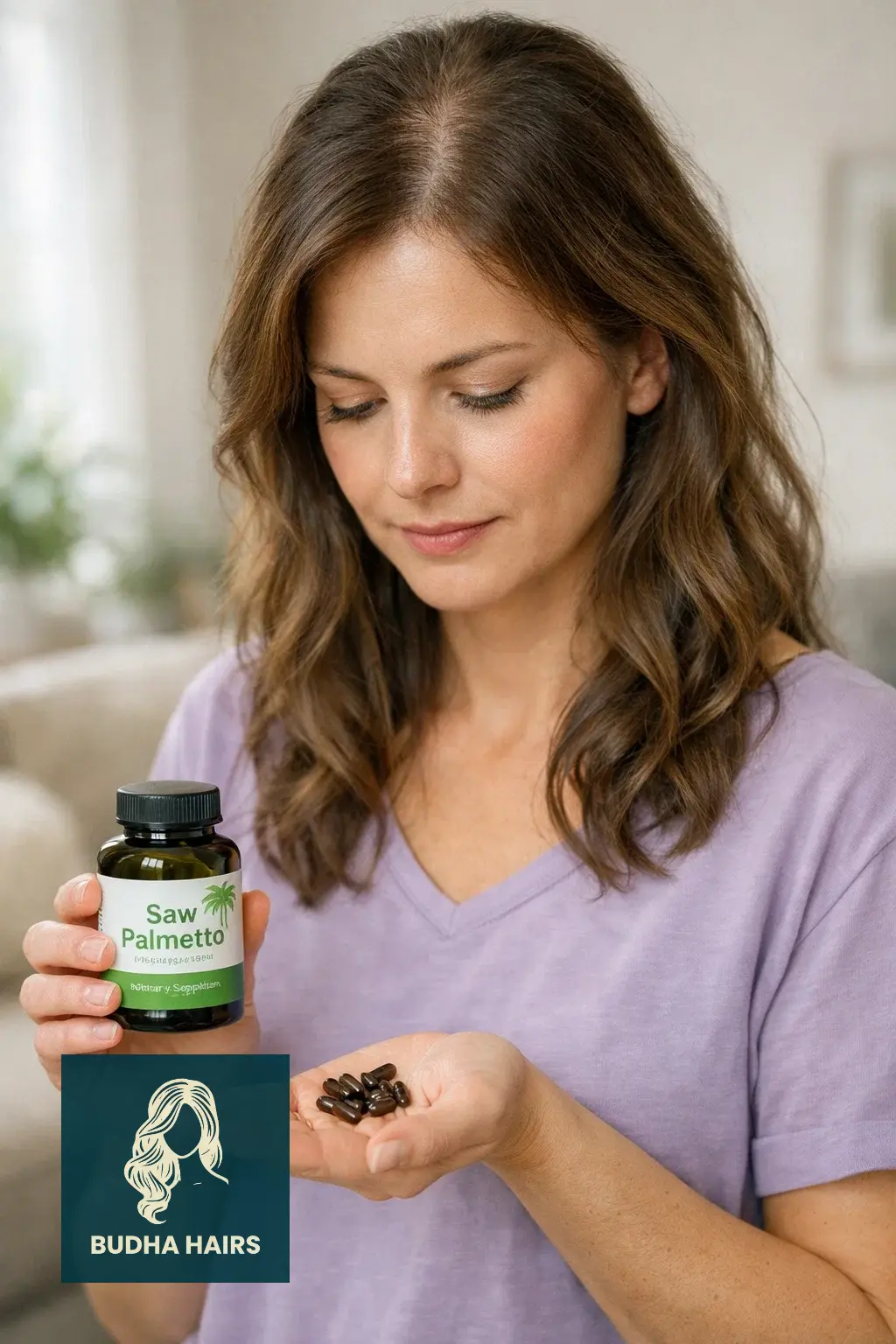
For women experiencing thinning due to hormonal imbalances (like PCOS or menopause), Saw Palmetto acts as a natural blocker of 5-alpha-reductase. This enzyme converts testosterone into DHT, the molecule that shrinks hair follicles. By inhibiting this process, Saw Palmetto can help preserve follicle size and thickness in androgen-sensitive individuals.
- Best Sources: Mostly available as a concentrated berry extract supplement.
- Pro Tip: This is specifically helpful for women with “widening parts” or thinning at the crown.
Mineral buildup or residue can affect both shine and scalp condition. Following strategies from How to Remove Hard Water Build Up from Hair helps maintain smooth, manageable hair while supporting growth and strength.
Conclusion
Combating thinning hair is an “inside-out” job. While shampoos and serums treat the fiber, only proper nutrition can fuel the factory—the follicle—to produce healthy hair. For women, the “Big Three” to check immediately are Ferritin (Iron), Vitamin D, and Zinc. By addressing these common deficiencies and supporting the hair with protein-builders like Biotin and Collagen, you can transition your follicles from a resting state back into an active growth phase. Remember, hair growth is slow; commit to a supplement routine for at least 3 to 6 months to see visible changes in density and strength.

I’m Budha Styler, a hair enthusiast who loves creating beautiful, confidence-boosting looks that feel true to who you are. I’m passionate about exploring new trends, techniques, and textures, and I enjoy turning that knowledge into simple, inspiring ideas anyone can try. Through my work, I hope to help you express your unique style, feel amazing in your own hair, and discover everyday looks that make you shine.


