Having an oily scalp (Seborrhea) is often a misunderstood condition. Many people believe the solution is to wash their hair more frequently with harsh soaps, but this often backfires. Your scalp produces sebum (oil) to protect and hydrate the skin; when you strip it aggressively, your sebaceous glands go into overdrive to replace the lost moisture, creating a vicious cycle of “rebound oiliness.” The key to treating an oily scalp naturally is not to strip the oil, but to balance the pH and regulate sebum production.
15 Expert Natural Remedies for Oily Scalp
This guide explores the science of scalp regulation and provides 15 expert-approved natural remedies to keep your roots fresh and voluminous.
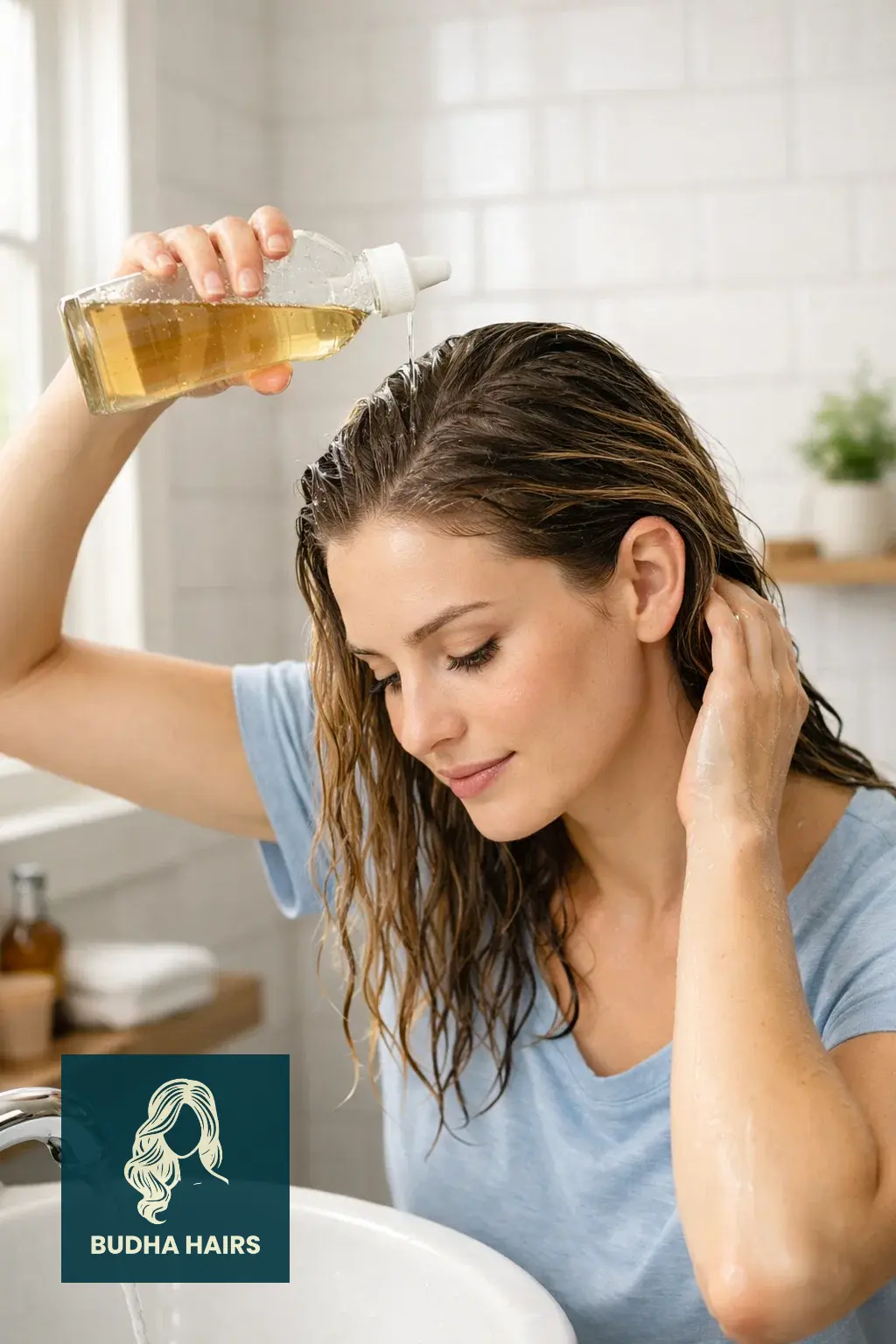
1. Apple Cider Vinegar (ACV) Rinse
The scalp has a natural pH of around 5.5 (slightly acidic), while many shampoos are alkaline. This imbalance can trigger excess oil. ACV is acidic and helps restore the scalp’s natural pH level. It also contains acetic acid, which cuts through grease and product buildup without stripping the essential lipid barrier.
- How to use: Mix 2-3 tablespoons of ACV in a cup of water. Pour over hair after shampooing, leave for a minute, and rinse.
2. Tea Tree Oil
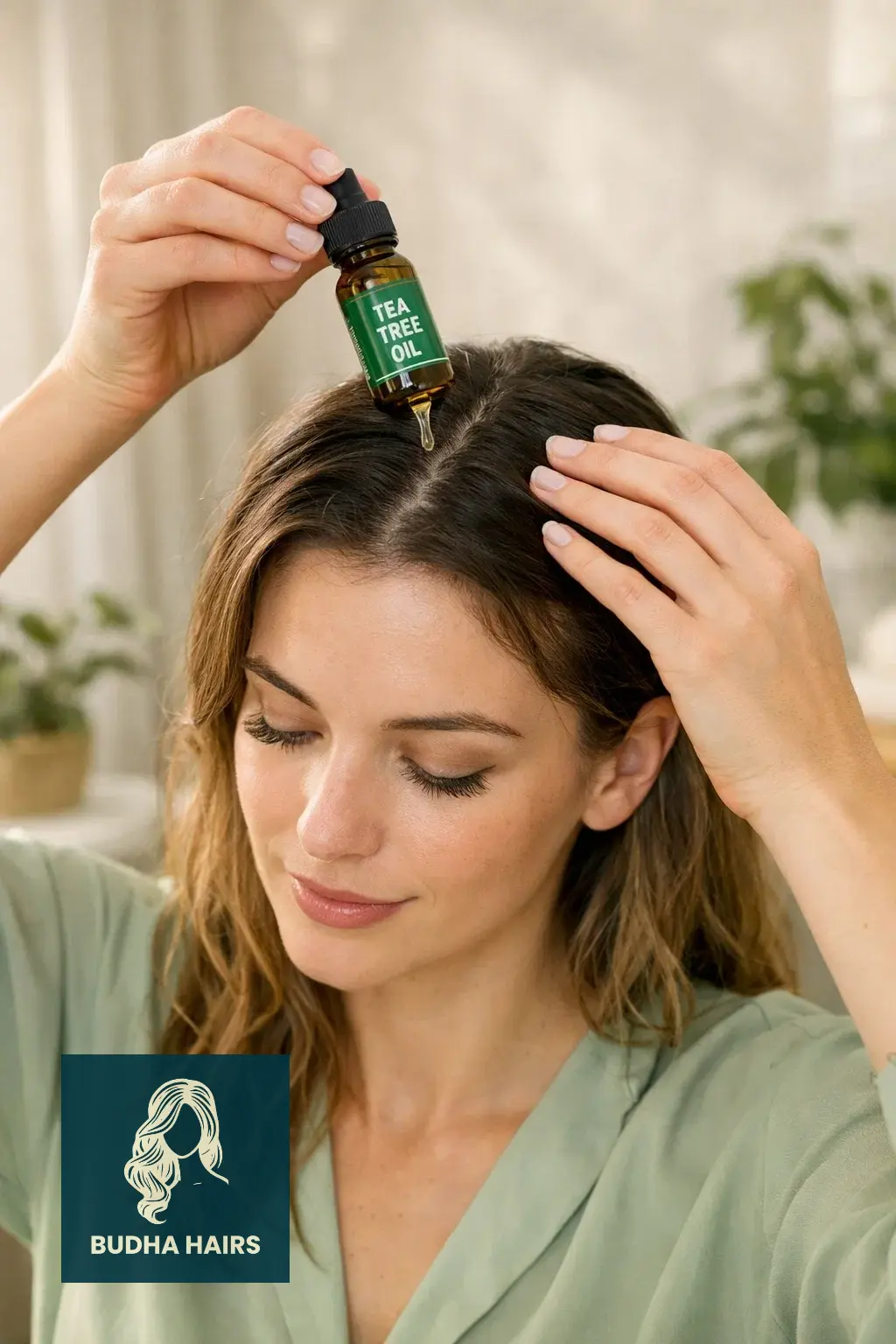
Tea tree oil is a potent antifungal and antibacterial agent. Often, excess oil is accompanied by yeast overgrowth (Malassezia), which causes dandruff and inflammation. Tea tree oil clears out the bacteria and unblocks clogged pores, allowing the scalp to breathe and normalizing oil production.
- How to use: Never use undiluted. Add 2-3 drops to your shampoo bottle or mix with a carrier oil like Jojoba for a scalp massage before washing.
3. Witch Hazel (Astringent)
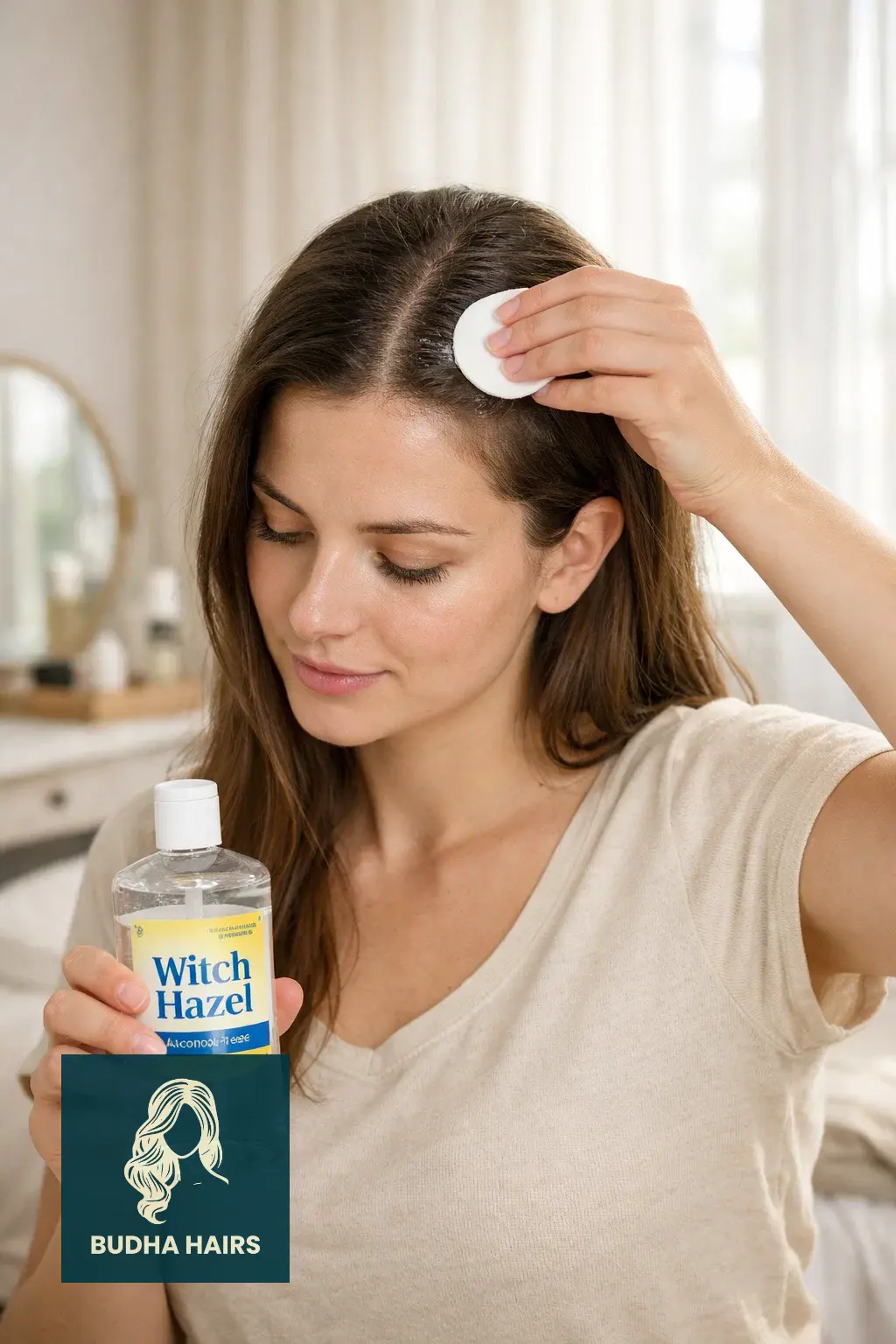
Witch Hazel is a natural astringent derived from the bark of the Hamamelis shrub. It is rich in tannins, which naturally tighten the skin pores and reduce inflammation. By tightening the follicle opening, it physically restricts the amount of sebum that can be secreted onto the scalp surface.
- How to use: Dab alcohol-free Witch Hazel directly onto your scalp with a cotton pad before washing, or put it in a spray bottle for a refreshing root lift.
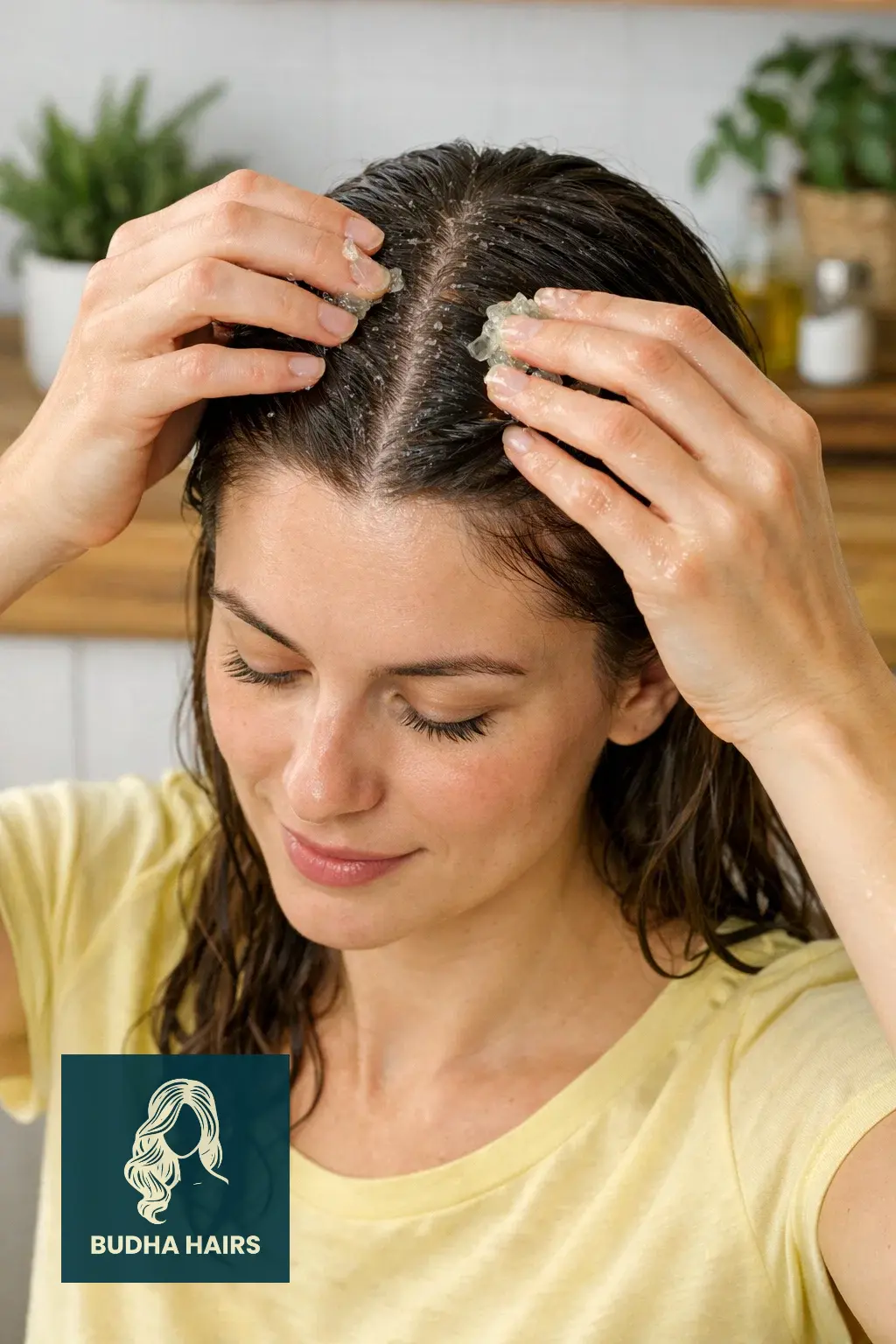
4. Aloe Vera Gel
It seems counterintuitive to add moisture to oily skin, but dehydration often triggers oil production. Aloe Vera provides intense hydration without any greasy residue. It also contains enzymes that exfoliate dead skin cells which can trap oil in the pores, acting as a lightweight detox for the scalp.
- How to use: Massage pure Aloe Vera gel into the scalp and leave it for 15 minutes before shampooing.
5. Green Tea Rinse
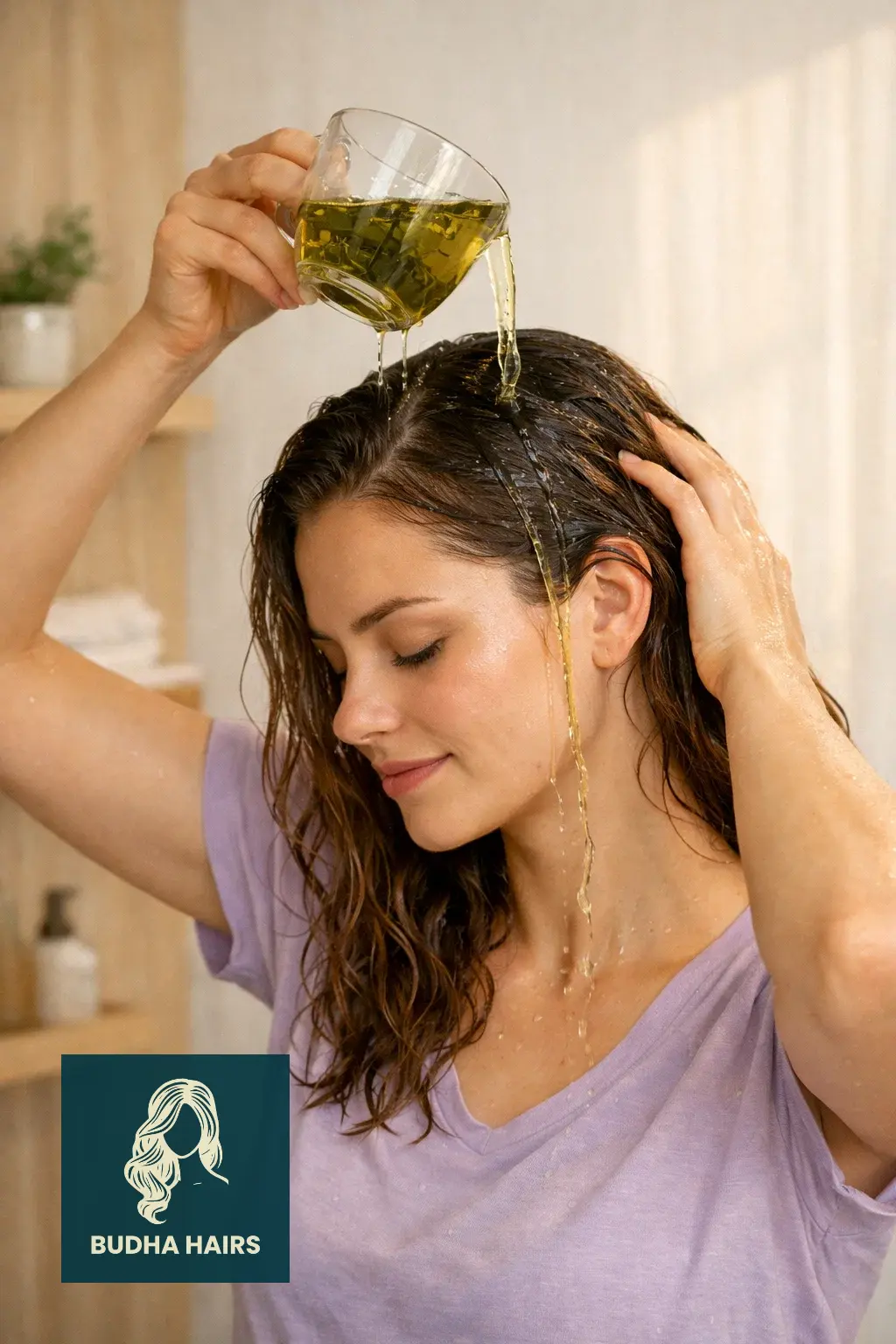
Green tea is loaded with polyphenols called catechins (EGCG). Studies suggest that topical application of green tea can significantly reduce sebum production by inhibiting the 5-alpha-reductase enzyme. It acts as a mattifying agent for the scalp.
- How to use: Brew two bags of strong green tea, let it cool completely, and use it as a final rinse after washing your hair. Do not rinse it out.
Natural remedies for oily scalp focus on balancing oil production without stripping the scalp. Maintaining gentle handling habits similar to Tips for Detangling Curly Hair helps prevent excess oil spread while reducing breakage.
6. Lemon Juice (Citric Acid)
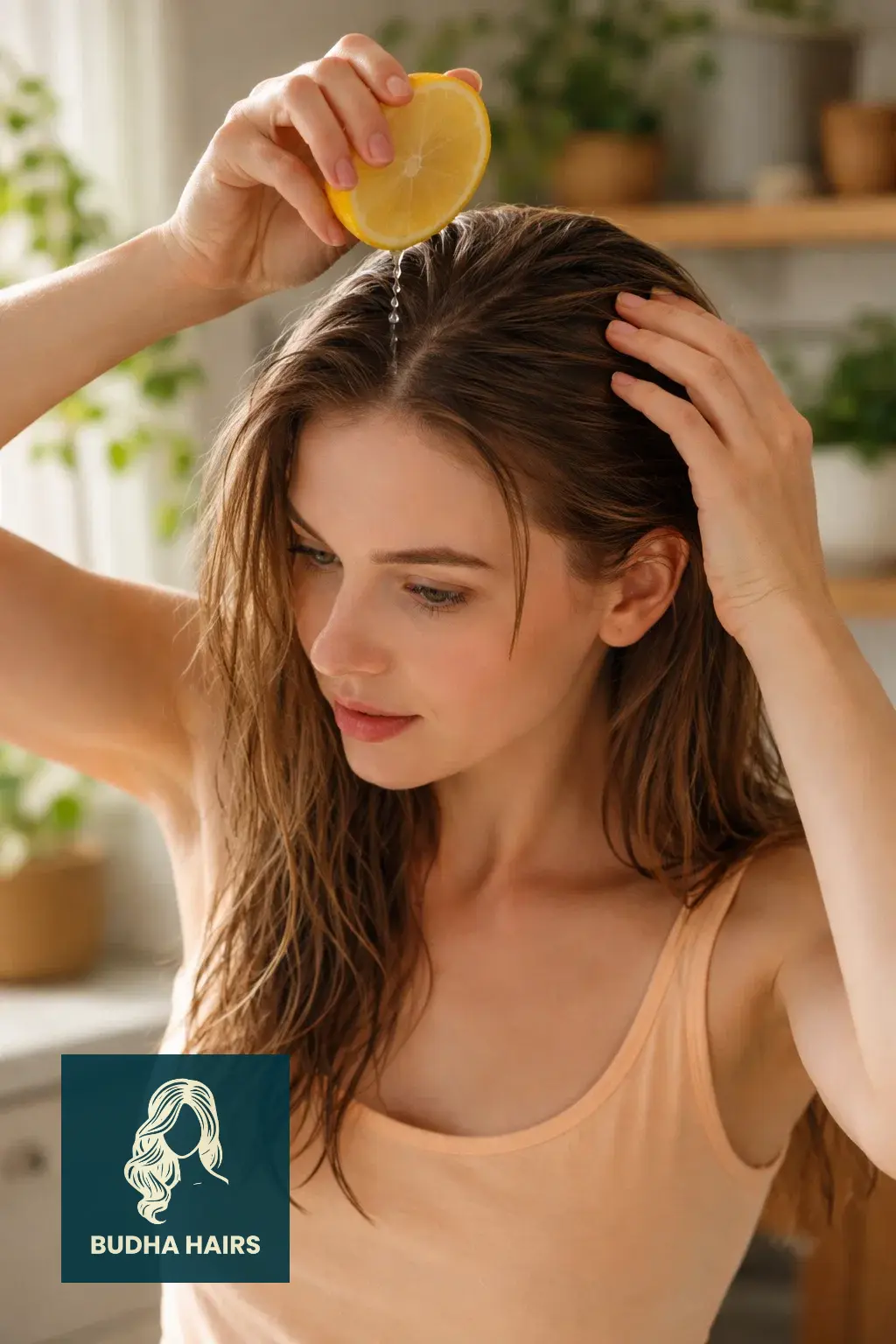
Lemon juice is highly acidic and acts as a powerful clarifying agent. The citric acid breaks down the heavy lipid molecules of sebum and dissolves dandruff flakes. It is particularly effective for people who live in hard water areas, as it removes mineral buildup that makes hair look greasy.
- How to use: Mix 2 tablespoons of lemon juice with a cup of water. Apply to the scalp for 5-10 minutes max (it can be drying) and rinse thoroughly.
7. Jojoba Oil (The “Trickster”)
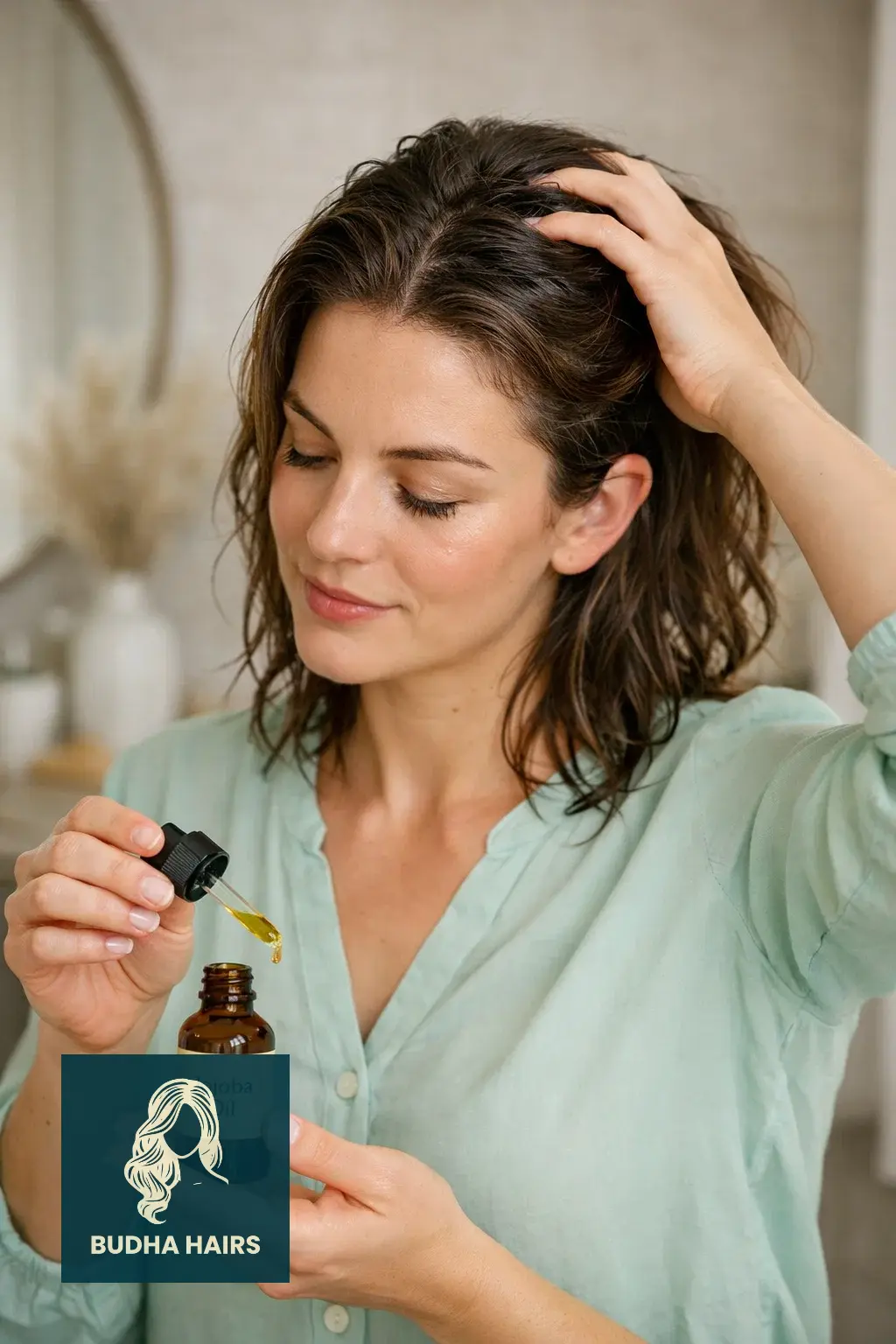
Jojoba oil is chemically a liquid wax that is almost identical to human sebum. When applied to the scalp, it tricks the sebaceous glands into thinking there is already enough oil present, signaling them to stop producing more. It breaks the cycle of overproduction.
- How to use: Massage warm Jojoba oil into the scalp 30 minutes before washing to dissolve hardened sebum plugs (oil buildup).
8. Fuller’s Earth (Multani Mitti)
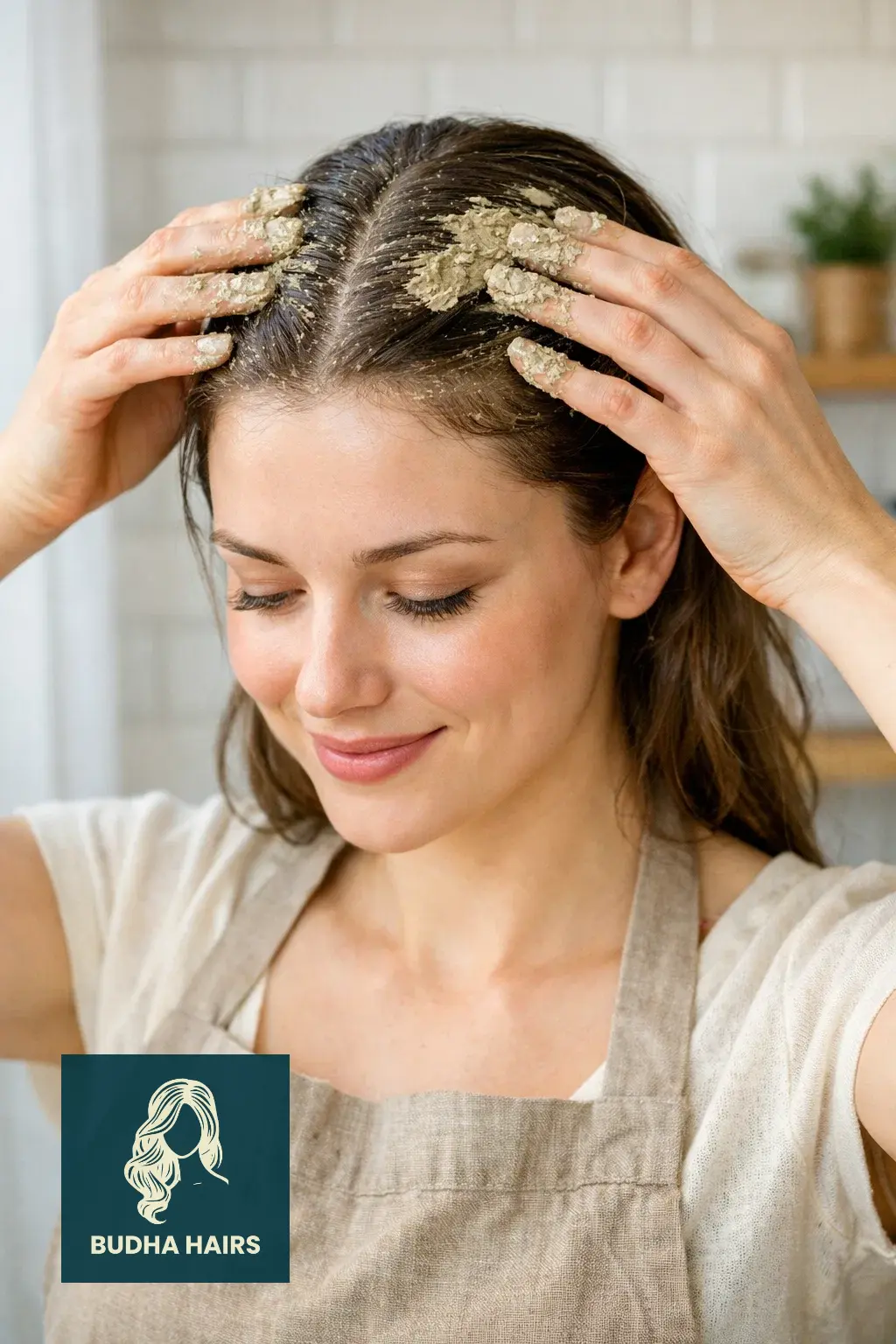
This is a mineral-rich clay that works like a sponge. When applied as a hair mask, it physically absorbs excess oil and pulls impurities out of the pores. It creates a matte, clean surface and adds volume to limp, greasy hair.
- How to use: Mix the clay powder with water to form a paste. Apply to the scalp (not the ends), let it dry for 15 minutes, and wash out carefully.
9. Oatmeal Mask
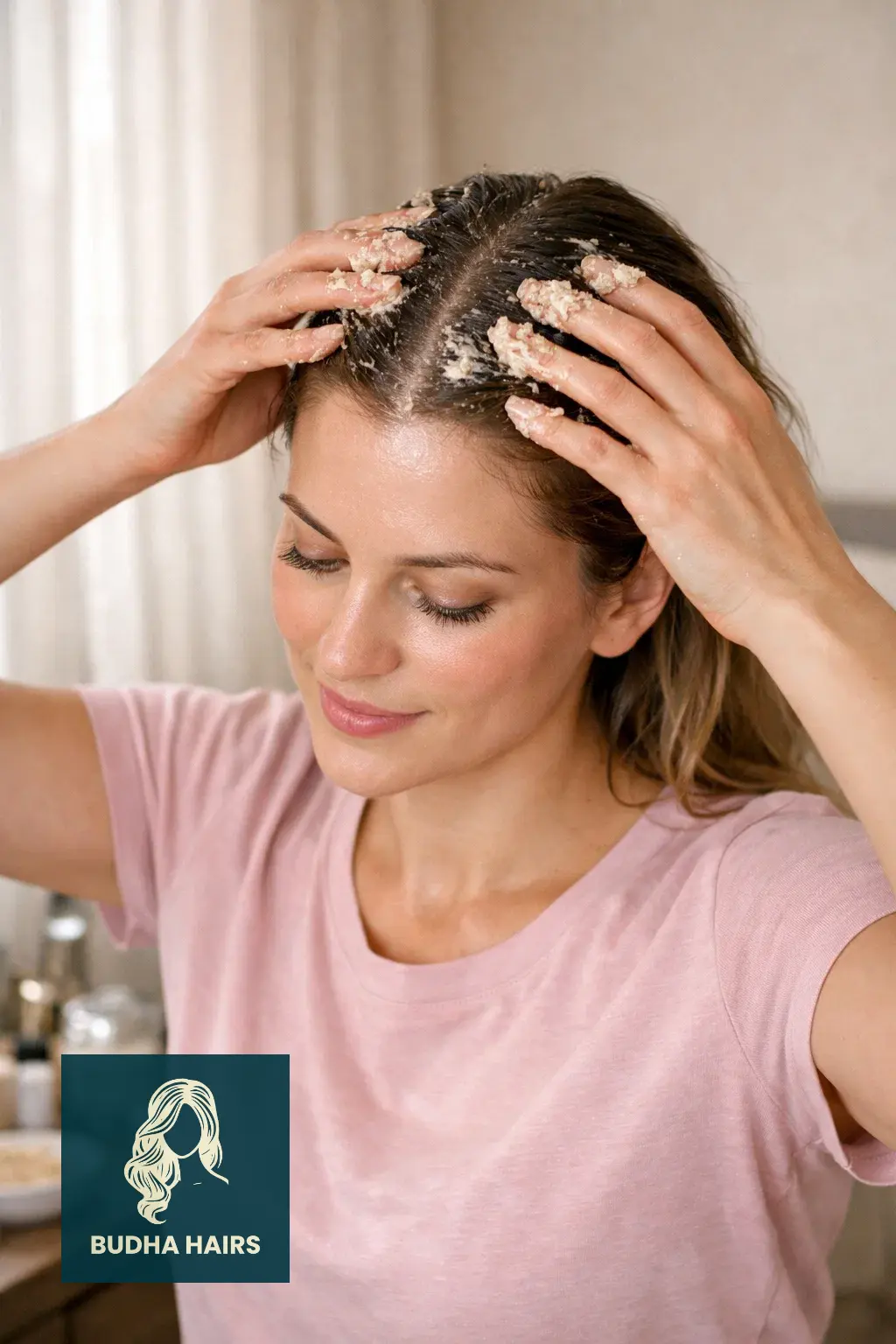
Oatmeal is soothing and absorbent. It is ideal if your oily scalp is also itchy or sensitive. The colloids in oatmeal bind to oil and dirt, allowing them to be rinsed away easily, while the anti-inflammatory properties soothe the irritated sebaceous glands.
- How to use: Cook plain oatmeal, let it cool, and apply the thick paste to your roots. Leave for 15 minutes before shampooing.
Managing an oily scalp doesn’t stop at cleansing—it also depends on proper aftercare. Following guidance from What to Do With Hair After Washing ensures hair stays fresh, lightweight, and well-balanced throughout the day.
10. Baking Soda (Deep Clarify)
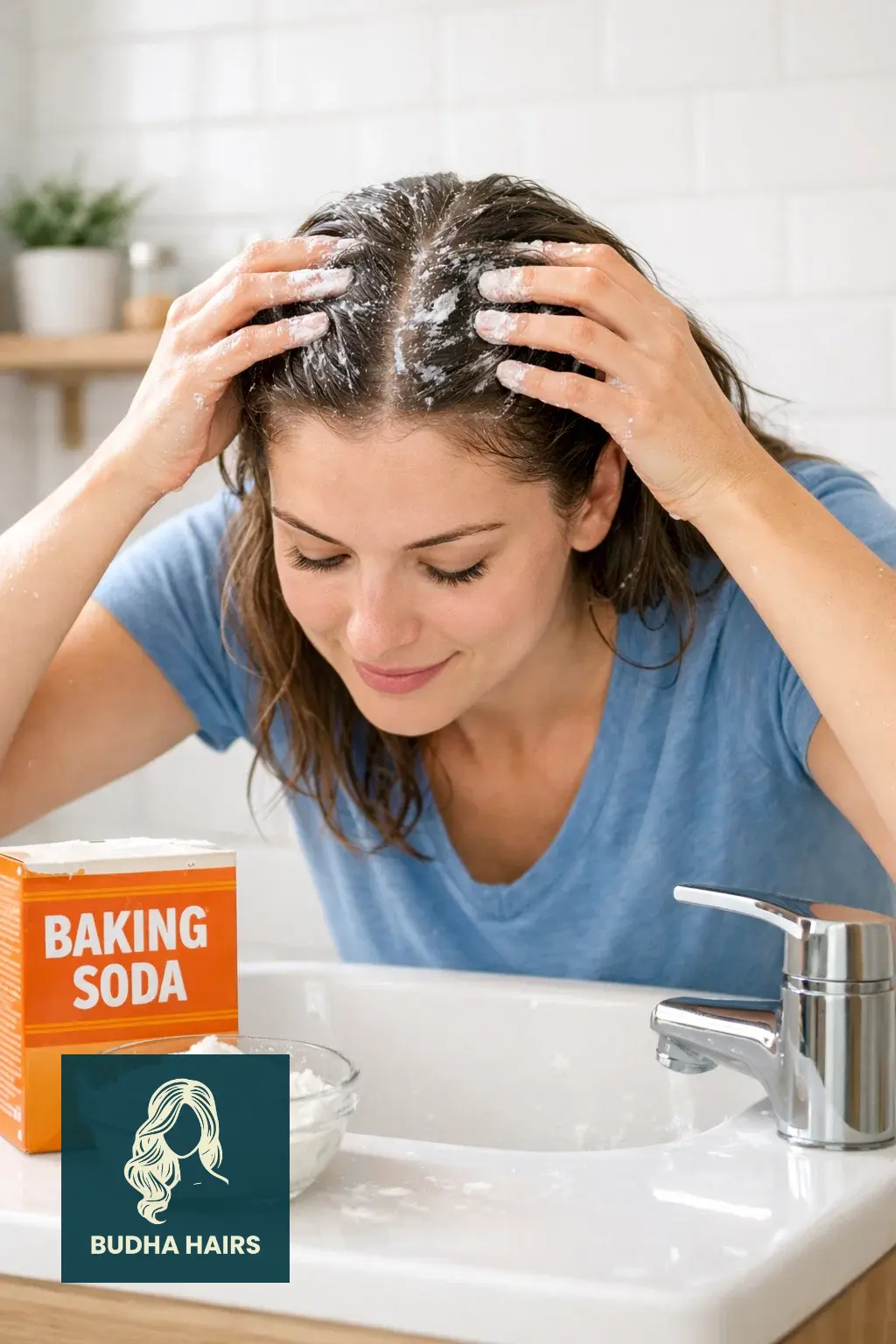
Baking soda is alkaline and abrasive. It acts as a physical exfoliant and a degreaser, saponifying the oils (turning them into soap) so they wash away. Warning: It is very strong. Use this only once or twice a month for a deep “reset” clean, not daily.
- How to use: Mix 1 tablespoon of baking soda with water to make a paste. Scrub the scalp gently and follow immediately with an ACV rinse to rebalance pH.
11. Peppermint Oil
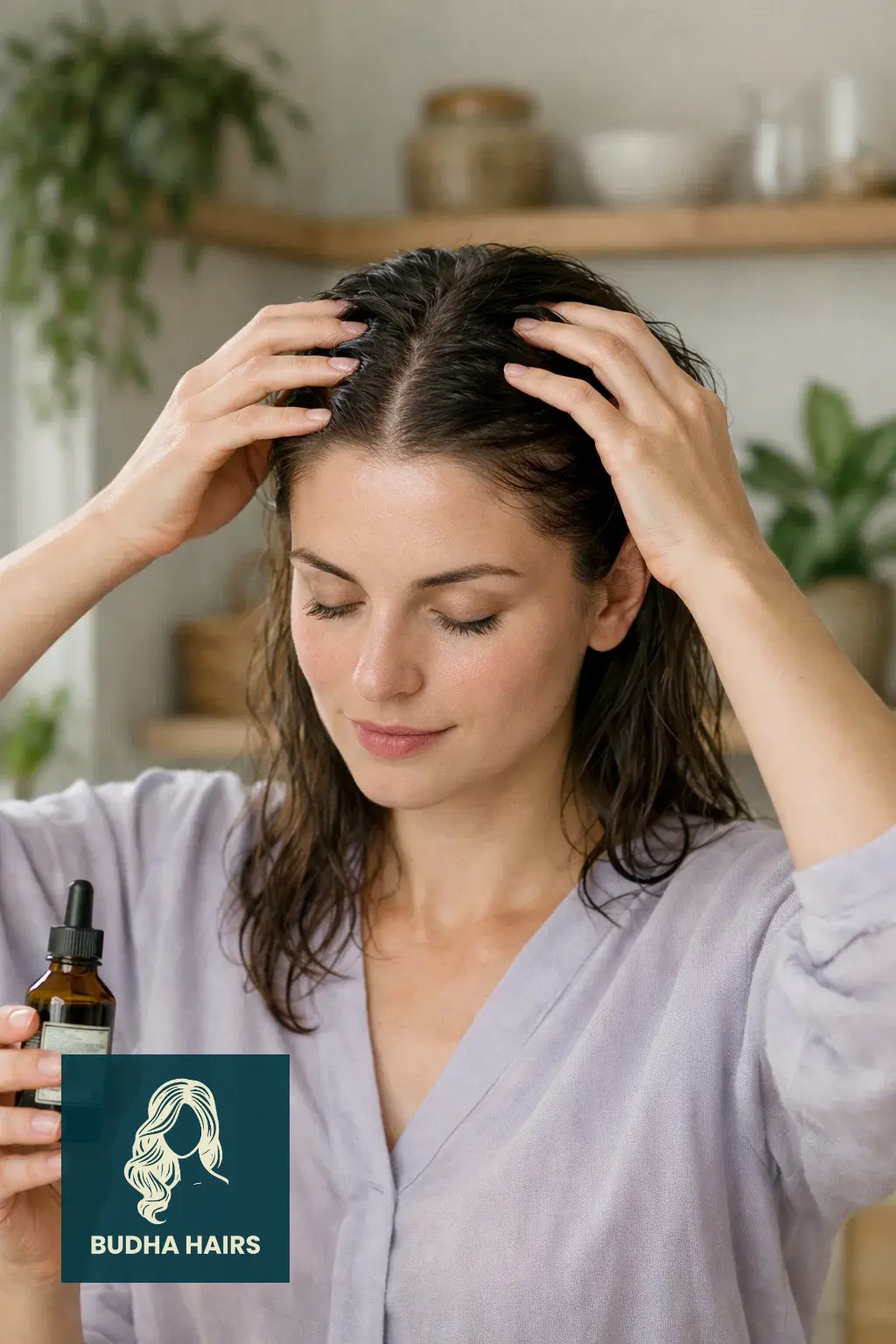
Peppermint oil contains menthol, which provides a cooling sensation that constricts the capillaries and pores. This vasoconstriction helps to reduce the secretion of oil. It also stimulates blood flow, ensuring the scalp environment is healthy and oxygenated.
- How to use: Add 1-2 drops to your shampoo or a scalp mask. The tingling sensation indicates it is working.
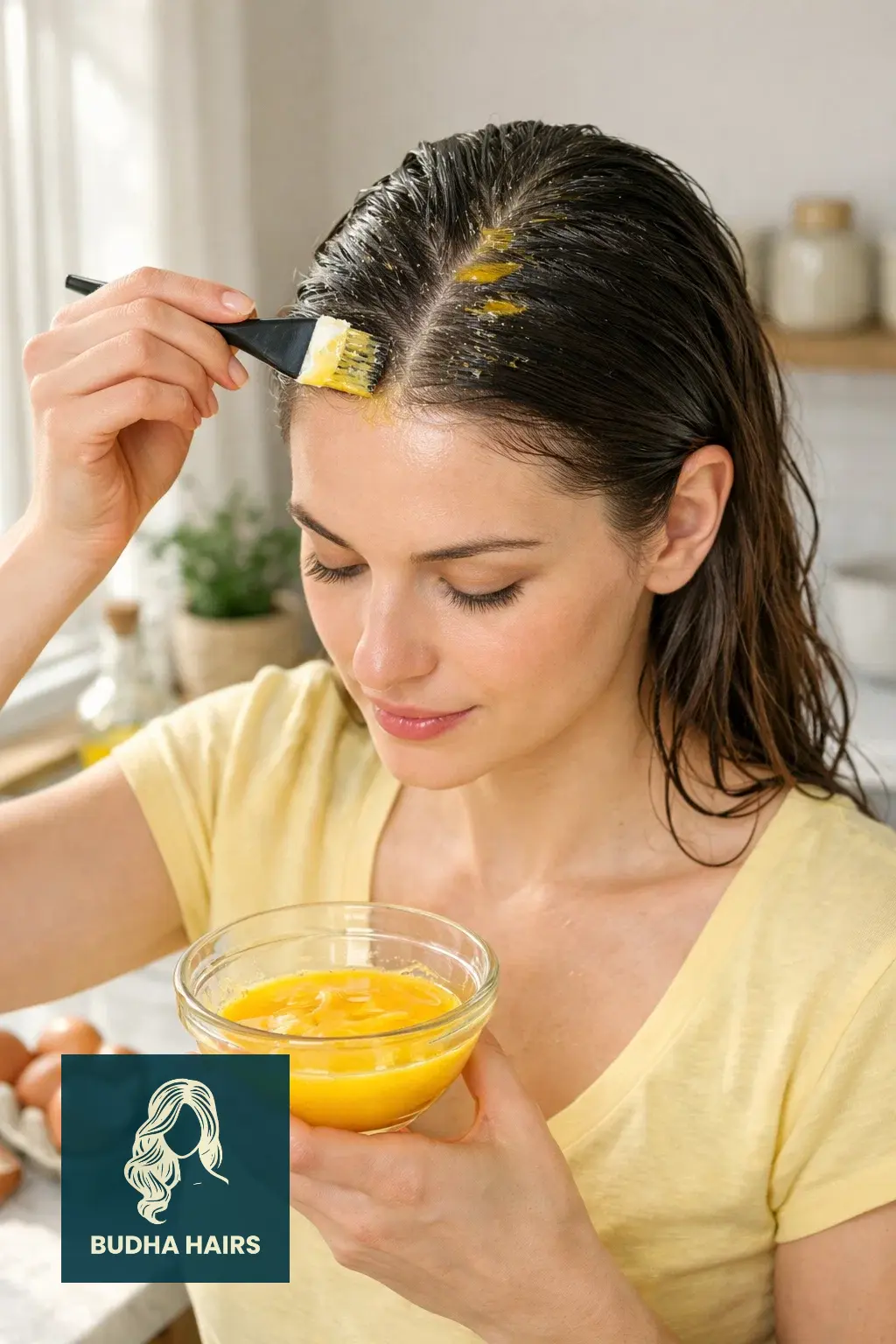
12. Egg Yolk Mask
Egg yolks are rich in sulfur and protein. While it sounds oily, the cholesterol and nutrients in egg yolk strengthen the hair follicle while the sulfur helps to manage dandruff and oil secretion. It conditions the scalp without the heavy weight of synthetic conditioners.
- How to use: Beat two egg yolks with a few drops of lemon juice. Apply to the scalp, leave for 20 minutes, and rinse with cool water (to avoid cooking the egg).
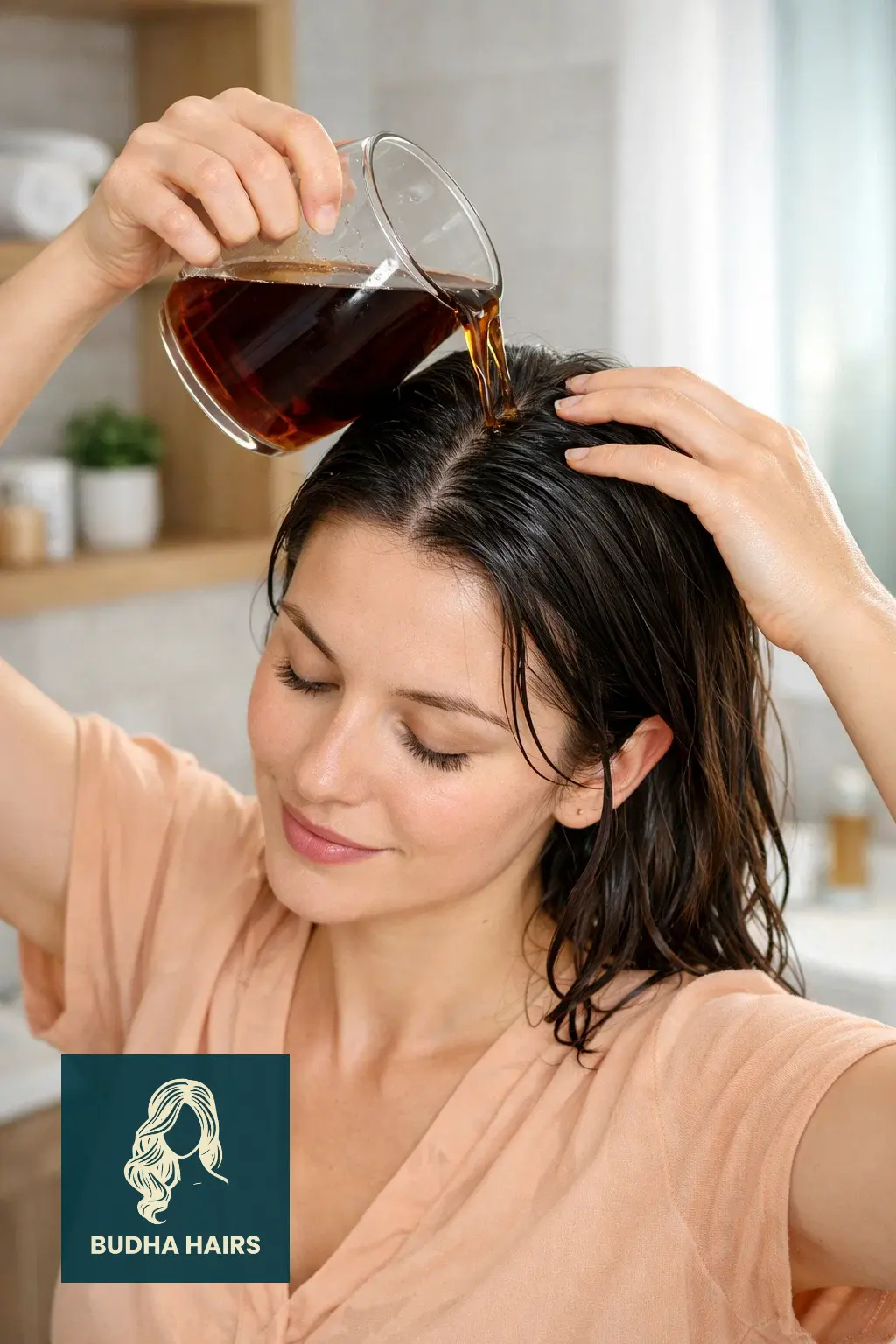
13. Black Tea Rinse
Like green tea, black tea is full of tannic acid. Tannic acid is an astringent that helps to shrink pores and absorb excess oil. It adds shine and can slightly darken the hair, making it a great option for brunettes dealing with grease.
- How to use: Brew strong black tea, cool it, and pour it over the hair. Leave for 10 minutes before rinsing.
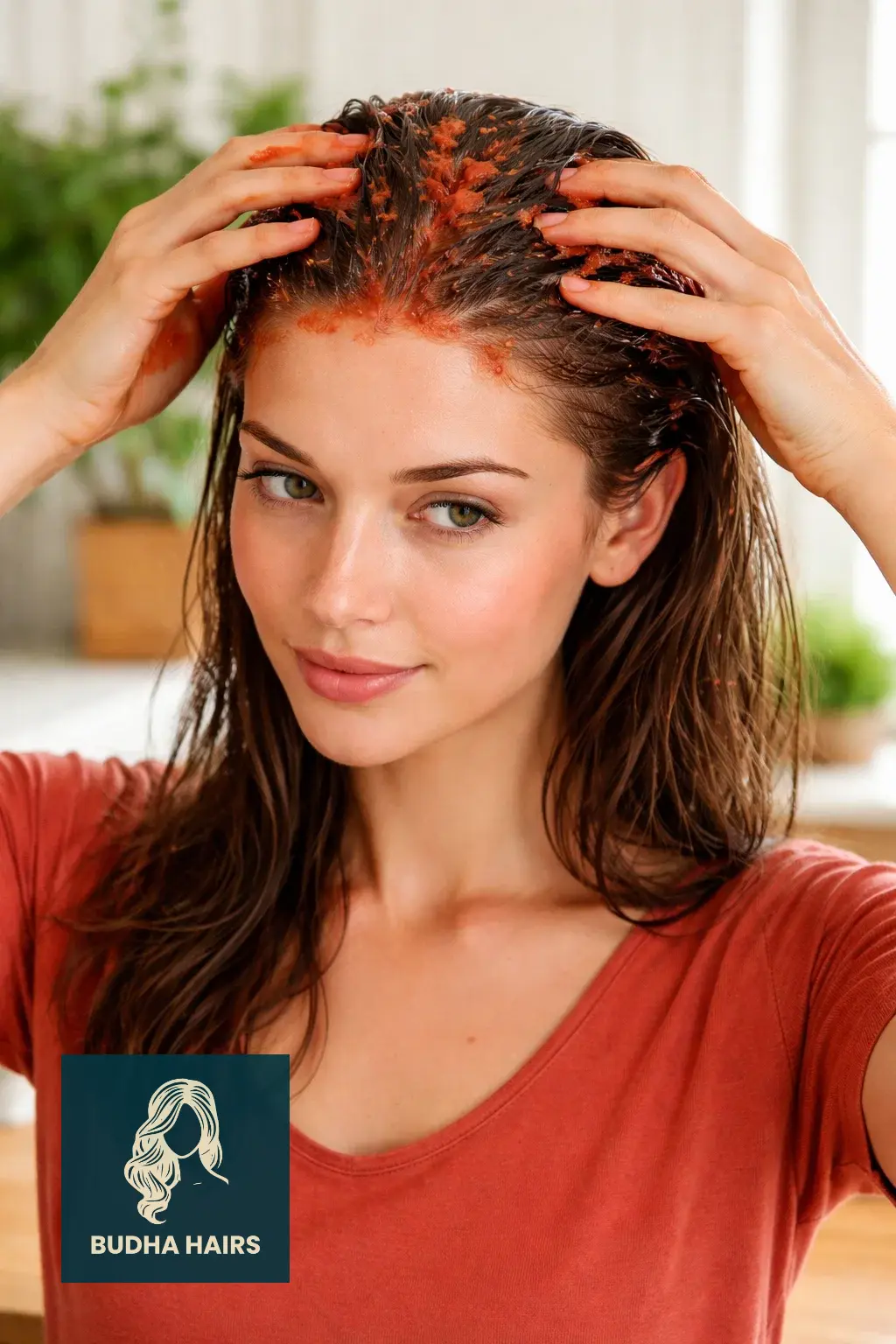
14. Tomato Mask
Tomatoes are acidic and contain lycopene. The acidity helps to balance the pH of the scalp and remove odors associated with oily hair. It acts as a gentle exfoliant, removing the “sludge” of dead skin and oil that clogs follicles.
- How to use: Blend a ripe tomato into a pulp and massage it into the scalp. Leave for 20 minutes and rinse.
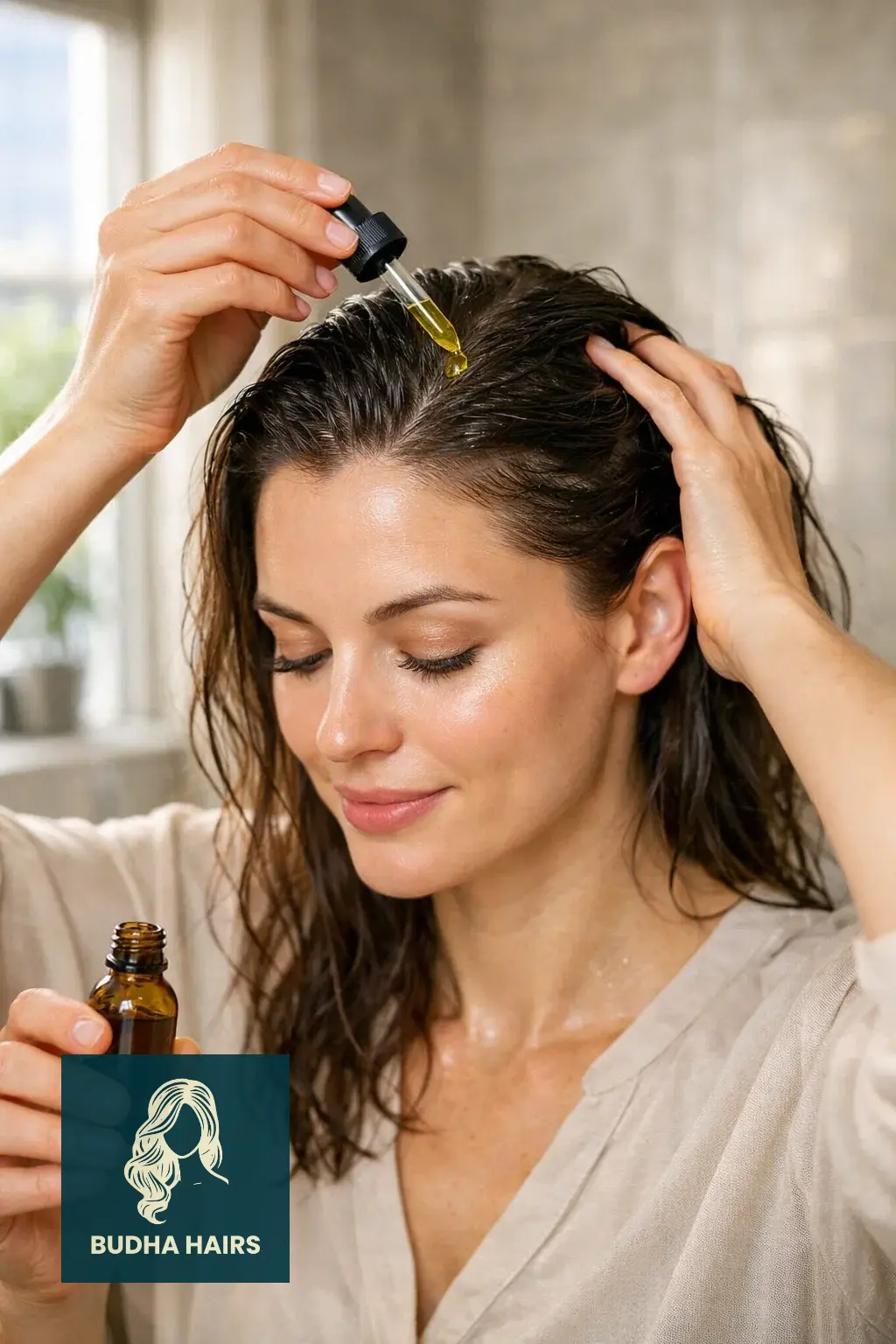
15. Argan Oil
While lighter than castor or coconut oil, Argan oil is rich in linoleic acid, which helps to reduce inflammation. Often, oiliness is a reaction to an inflamed scalp barrier. Argan oil repairs the barrier function, allowing the scalp to retain moisture naturally so it doesn’t have to panic-produce oil.
- How to use: Use a tiny amount on damp hair ends, or as a pre-shampoo scalp treatment to soothe irritation.
Scalp health plays a major role in overall hair and follicle strength. Practices inspired by How to Grow Thicker Eyebrows Naturally emphasize nourishment and consistency, supporting healthier growth from root to tip.
FAQs
Conclusion
Managing an oily scalp is about regulation, not eradication. Using natural astringents like Witch Hazel and Apple Cider Vinegar can tighten pores and balance pH, while “trickster” oils like Jojoba can stop the overproduction signal at the source. Start with one remedy at a time to see how your scalp reacts, and remember to avoid washing your hair every single day, as this only perpetuates the grease cycle.

I’m Budha Styler, a hair enthusiast who loves creating beautiful, confidence-boosting looks that feel true to who you are. I’m passionate about exploring new trends, techniques, and textures, and I enjoy turning that knowledge into simple, inspiring ideas anyone can try. Through my work, I hope to help you express your unique style, feel amazing in your own hair, and discover everyday looks that make you shine.


