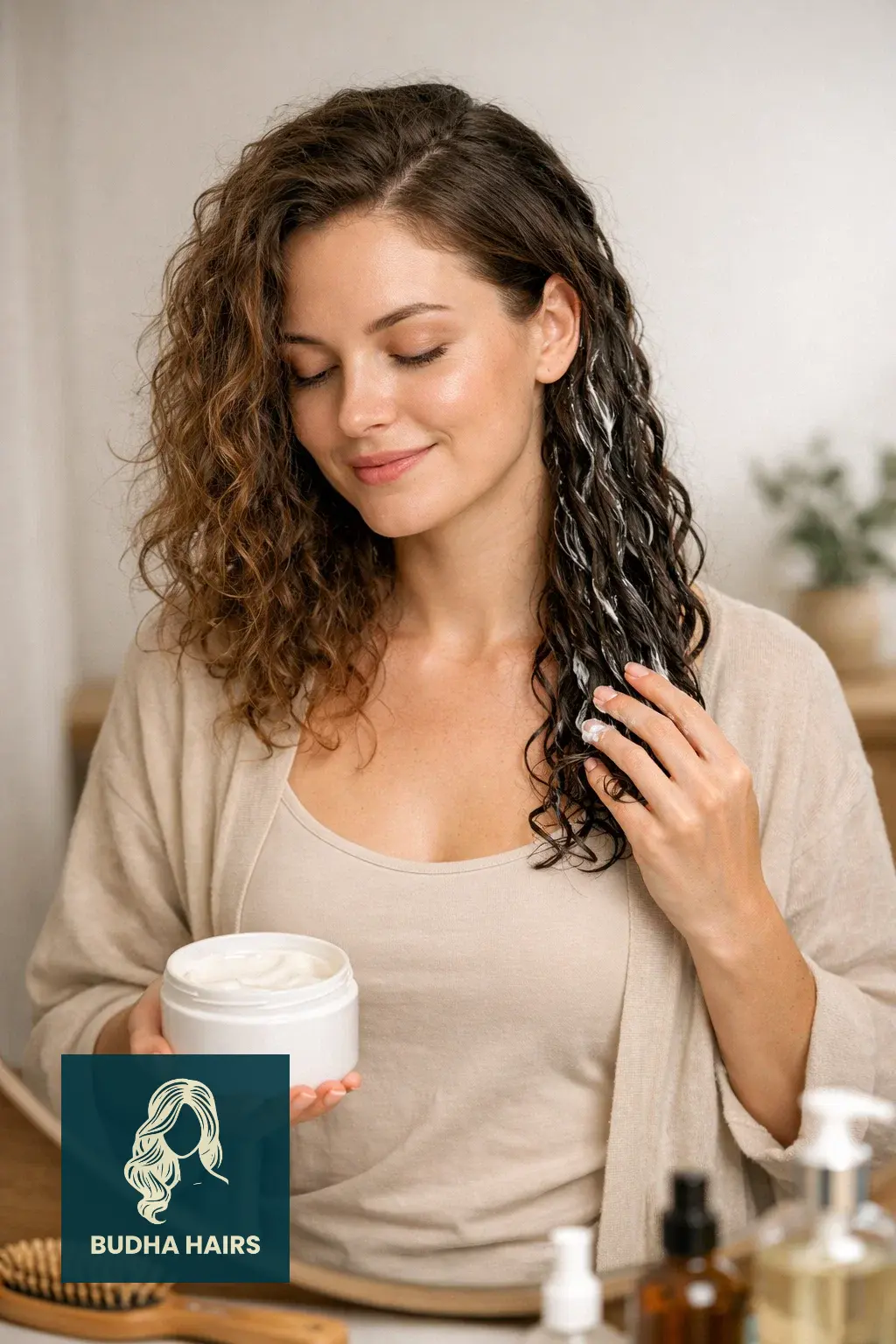
Curly hair is physically unique; its elliptical follicle shape and twisting structure make it difficult for the scalp’s natural oils (sebum) to travel down the shaft. This leaves curls naturally drier, more fragile, and more prone to frizz than straight hair. Because of this delicate structure, curly hair thrives on natural ingredients that mimic sebum, provide slip for detangling, and seal in hydration without the harsh stripping effects of synthetic sulfates or drying alcohols. This guide explores the science of botanical hair care and provides a comprehensive list of the 20 best natural ingredients to transform your curls from dry and undefined to juicy and bouncy.
The Science: Penetrating vs. Sealing
To effectively use natural ingredients, you must understand the difference between moisturizing (penetrating) and sealing (coating).
- Humectants (Moisturizers): Ingredients like Aloe and Honey draw water from the air into the hair shaft.
- Emollients (Sealants): Ingredients like Shea Butter and Castor Oil sit on top of the hair to lock that moisture in.
- Proteins: Ingredients like Rice Water fill in the gaps in the cuticle to strengthen the structure. A successful curly routine balances all three.
20 Best Natural Ingredients for Curly Hair
Now, let’s explore the 20 best natural ingredients for curly hair. From moisturizing oils and hydrating butters to plant extracts, these ingredients nourish, define, and protect curls for healthy, bouncy hair.
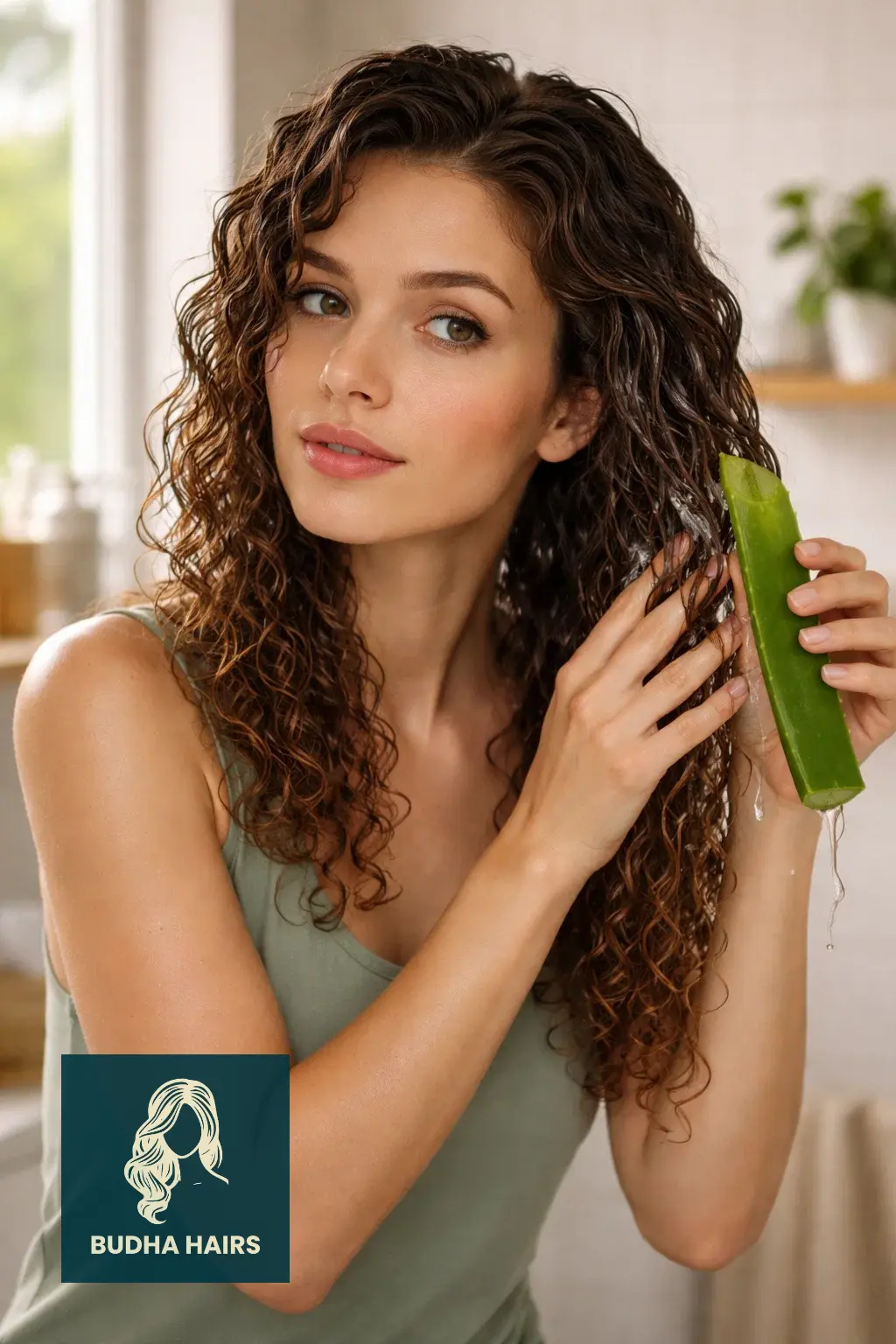
1. Aloe Vera (The Hydrator)
Aloe Vera is the holy grail for curls because it is primarily water-based but contains enzymes that repair dead skin cells on the scalp. It acts as a powerful humectant, drawing moisture into the curl pattern. Its pH level (around 4.5-5.5) matches the natural pH of hair, helping to smooth the cuticle and reduce frizz without weighing hair down.
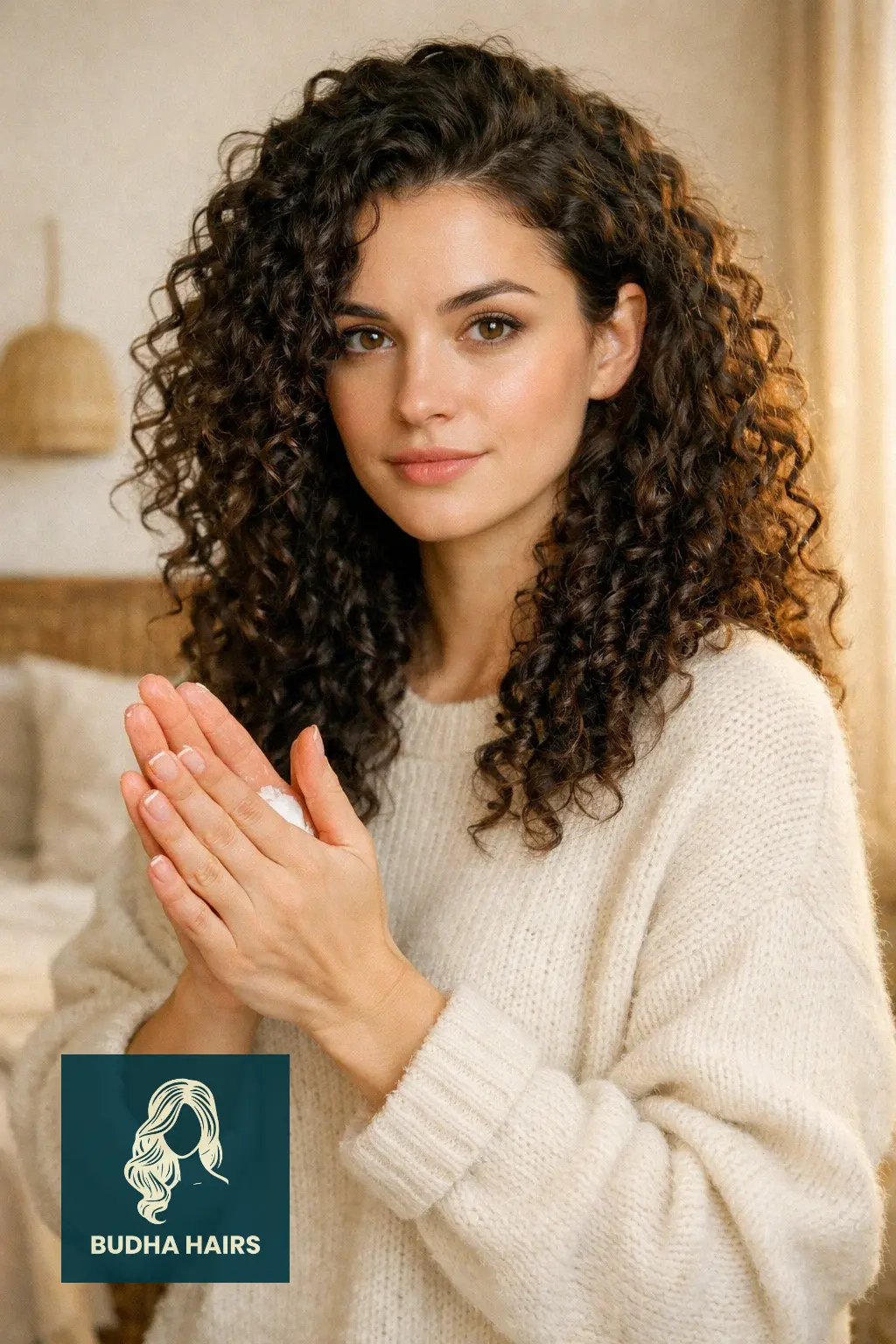
2. Shea Butter (The Heavy Sealer)
Extracted from the nut of the African Shea tree, this rich butter is an intense emollient. It is ideal for high-porosity or coarse curls (Types 3C-4C) because it is heavy enough to seal moisture in for days. It creates a barrier against the elements, preventing wind and sun from drying out the hair.
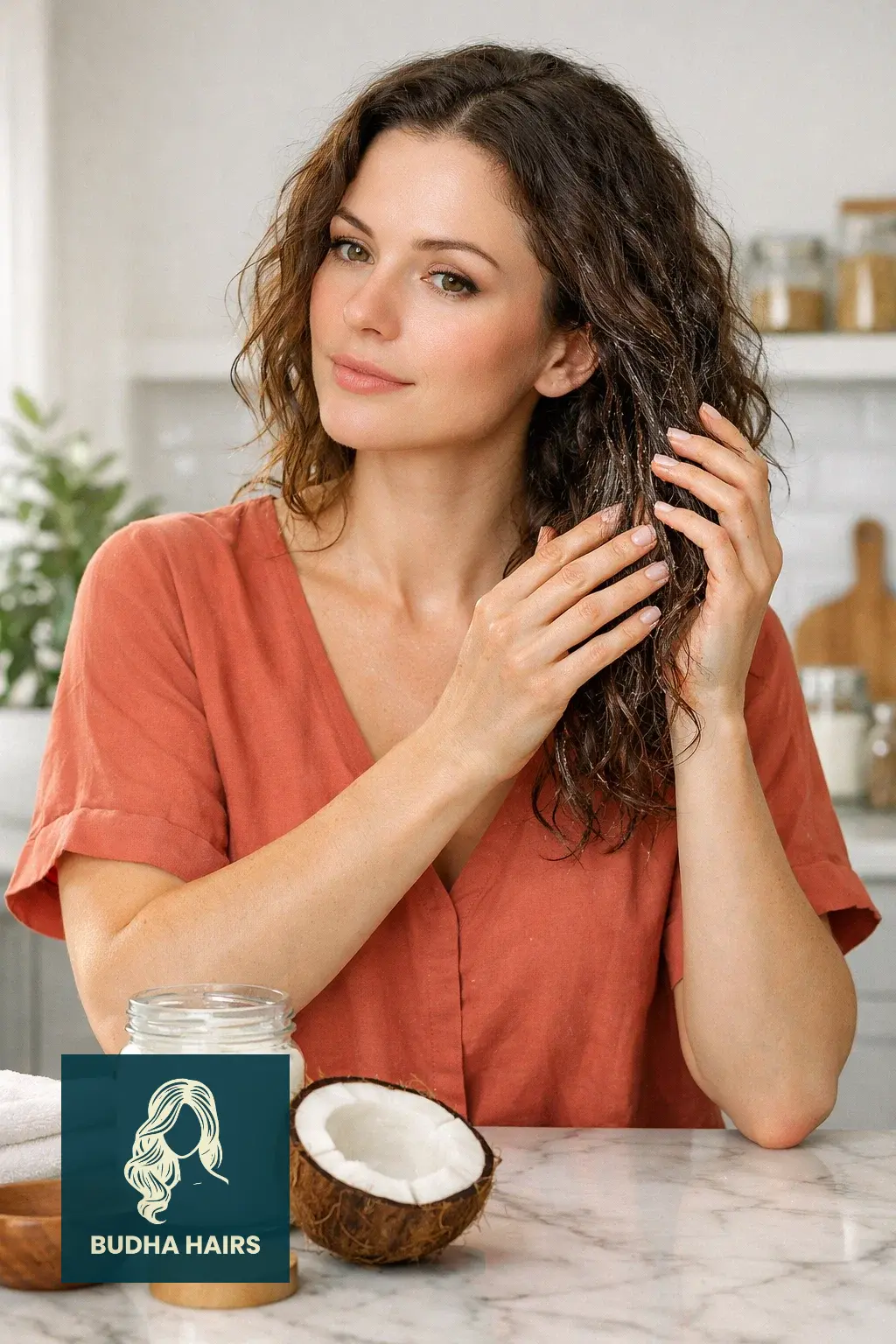
3. Coconut Oil (The Penetrator)
Unlike most oils that sit on top of the hair, coconut oil has a low molecular weight and a straight chain structure (lauric acid) that allows it to penetrate deep into the cortex. It prevents protein loss (hygral fatigue) during washing, making it an excellent “pre-poo” treatment to protect curls before shampooing.
4. Flaxseed (The Natural Gel)
When boiled in water, brown flaxseeds release a thick, gooey mucilage that acts as arguably the best natural styling gel in existence. It is rich in Omega-3 fatty acids and Vitamin E. As it dries, it forms a clear, crunch-free cast that clumps curls together beautifully, providing hold and definition without synthetic polymers.
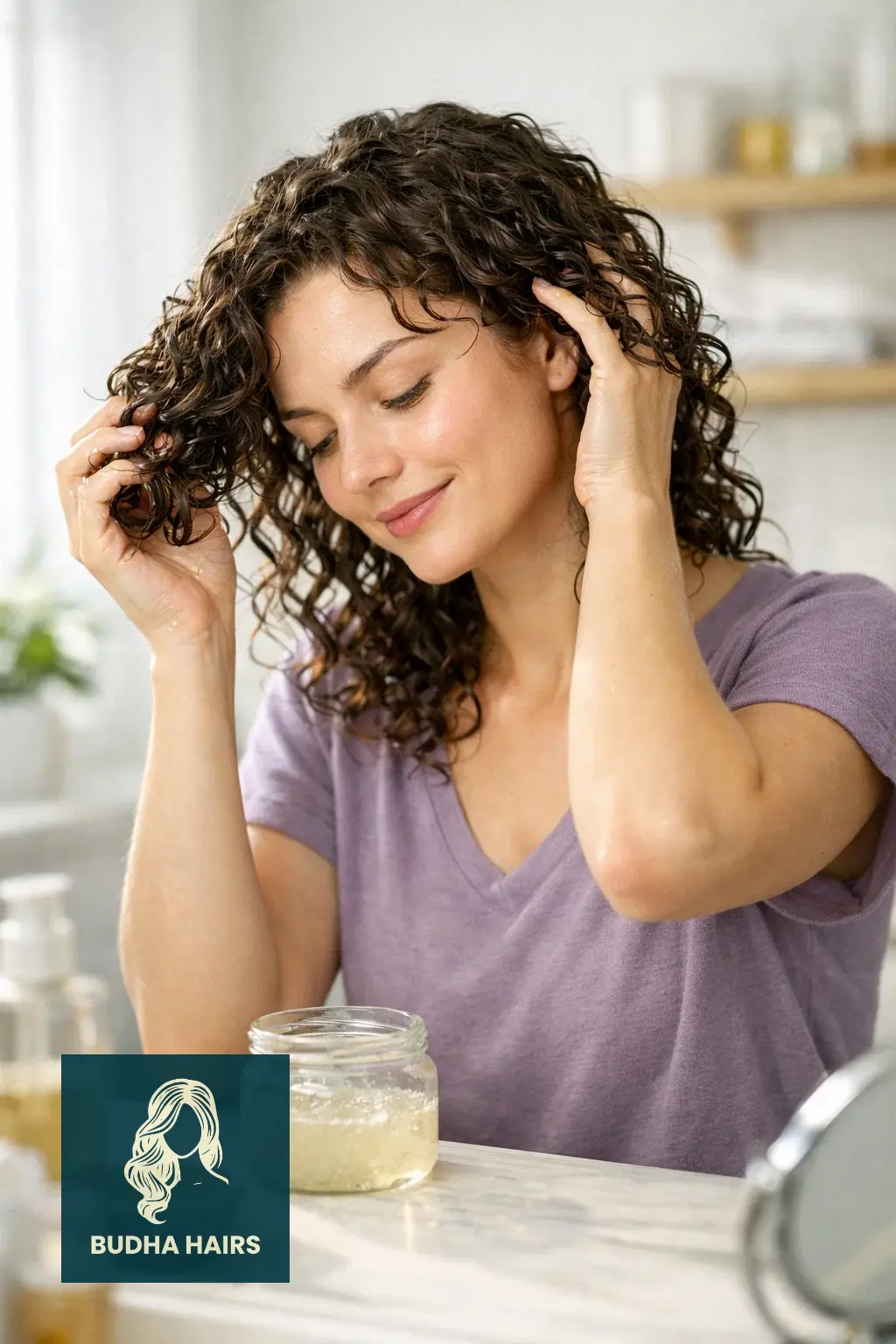
Using natural ingredients for curly hair helps enhance curl definition while keeping strands nourished and healthy. Combining this with strategies from How to Stop Thinning Hair in Women strengthens fragile curls and reduces breakage.
5. Argan Oil (Liquid Gold)
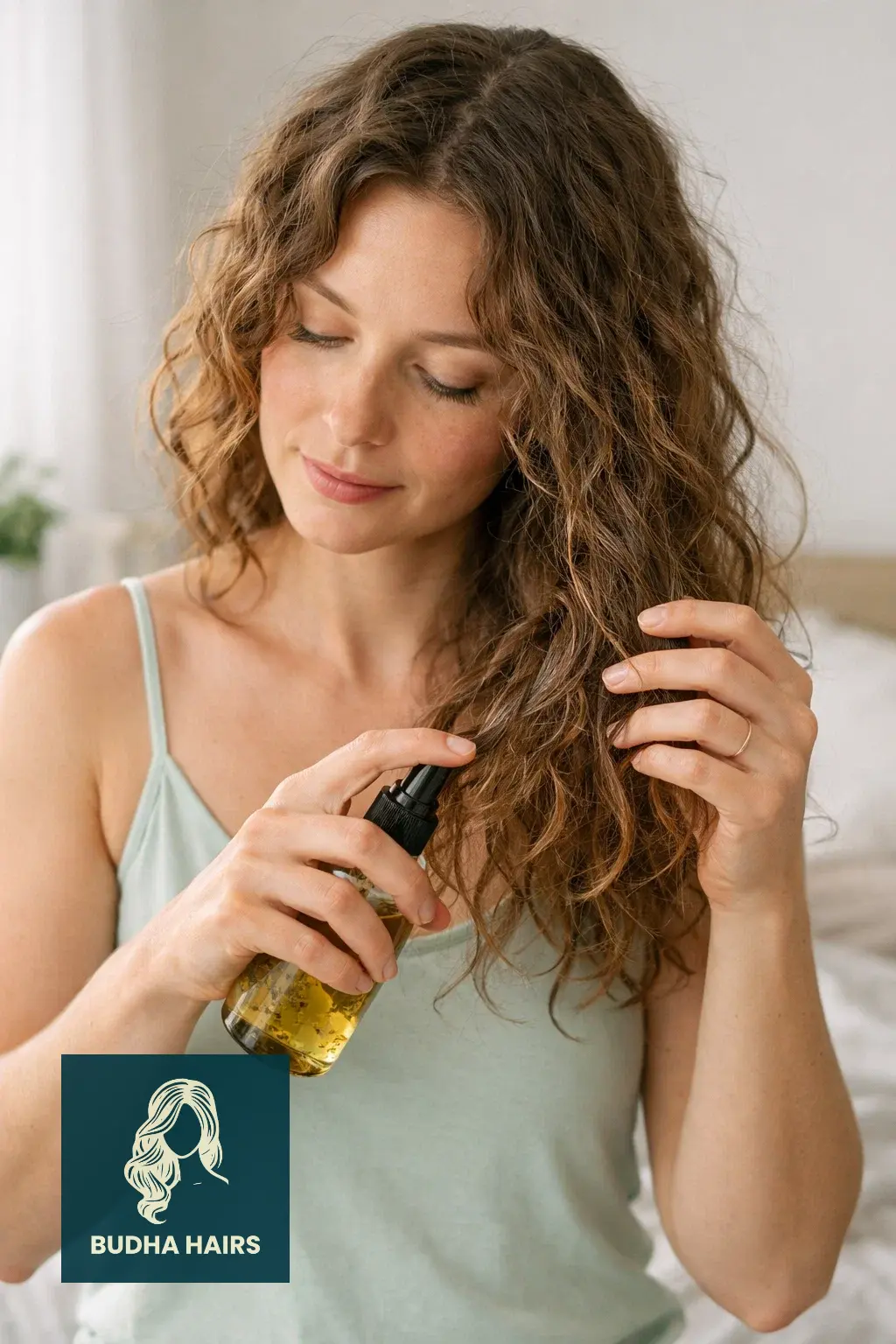
Native to Morocco, Argan oil is loaded with antioxidants and fatty acids. It is a “dry oil,” meaning it absorbs quickly and doesn’t leave a greasy residue. It is perfect for finer curls or wavy hair that need shine and frizz control but can’t handle the weight of shea butter or castor oil.
6. Jojoba Oil (The Sebum Mimic)
Chemically, Jojoba oil is actually a liquid wax ester that is almost identical to human sebum. Because of this bio-mimicry, the scalp accepts it readily without clogging pores. It is the perfect oil for scalp massages to regulate oil production and for sealing the ends of fine curls.
7. Honey (The Humectant)
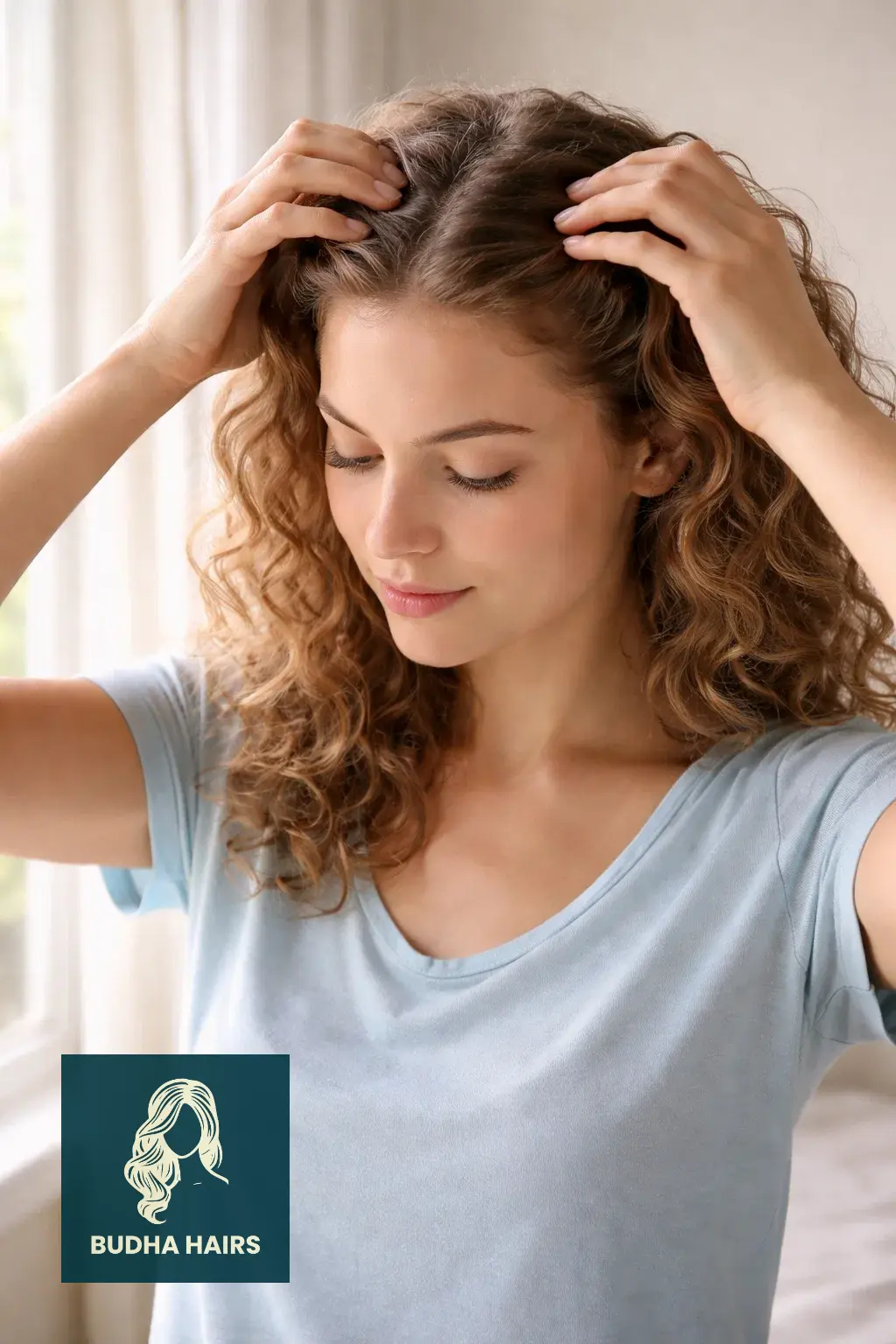
Honey is a natural humectant, meaning it grabs moisture molecules from the atmosphere and pulls them into your hair. It is also an emollient, softening the hair texture. Add raw honey to your deep conditioner for an intense moisture boost, but be careful in high humidity, as it can pull in too much water and cause frizz.
8. Rice Water (The Strengthener)
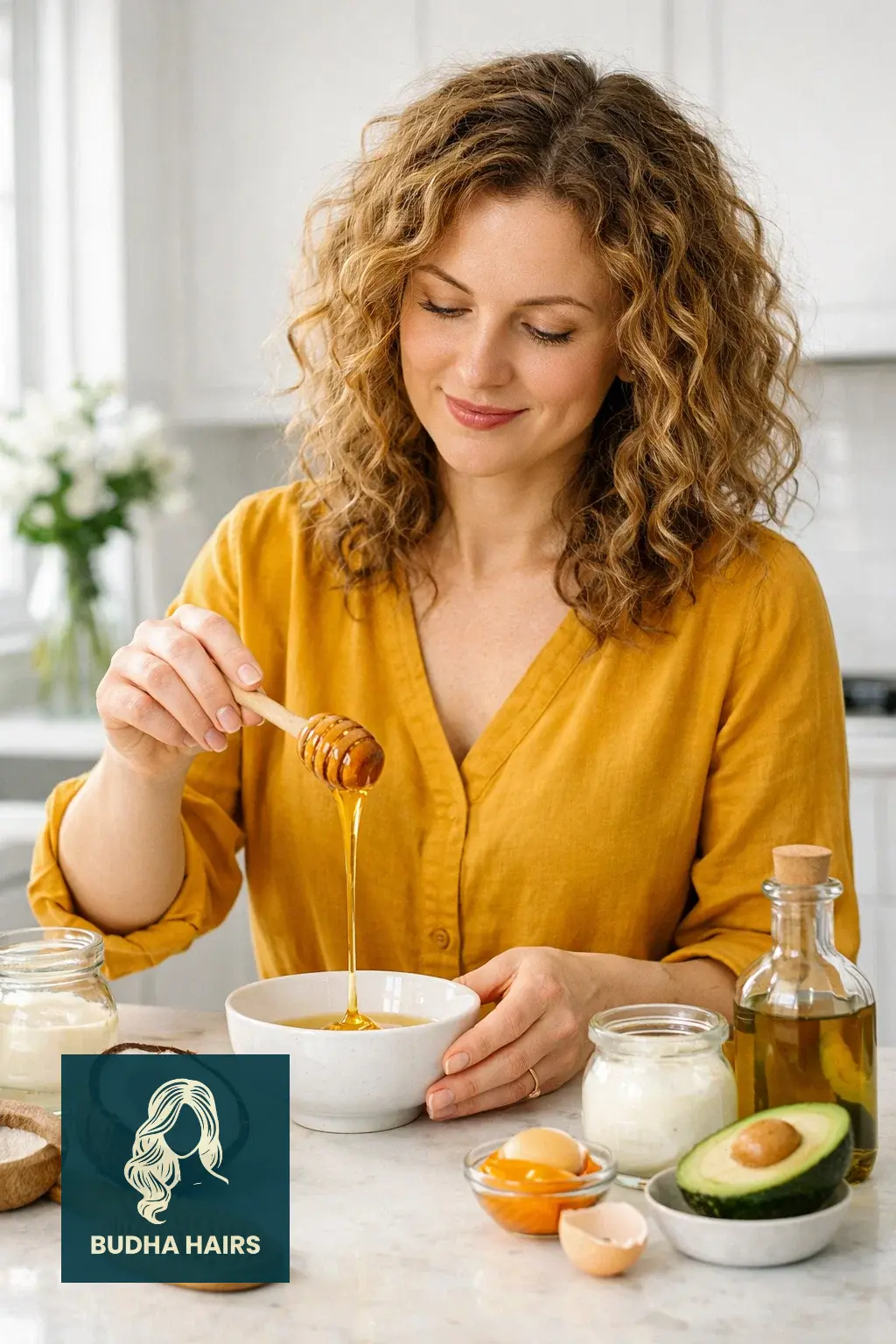
The starchy water left over from soaking or boiling rice contains inositol, a carbohydrate that repairs damaged hair, and amino acids that strengthen the hair shaft. It essentially acts as a protein treatment, improving elasticity and curl spring (the “bounce back” factor). It is famous for the Yao women of China who have floor-length hair.
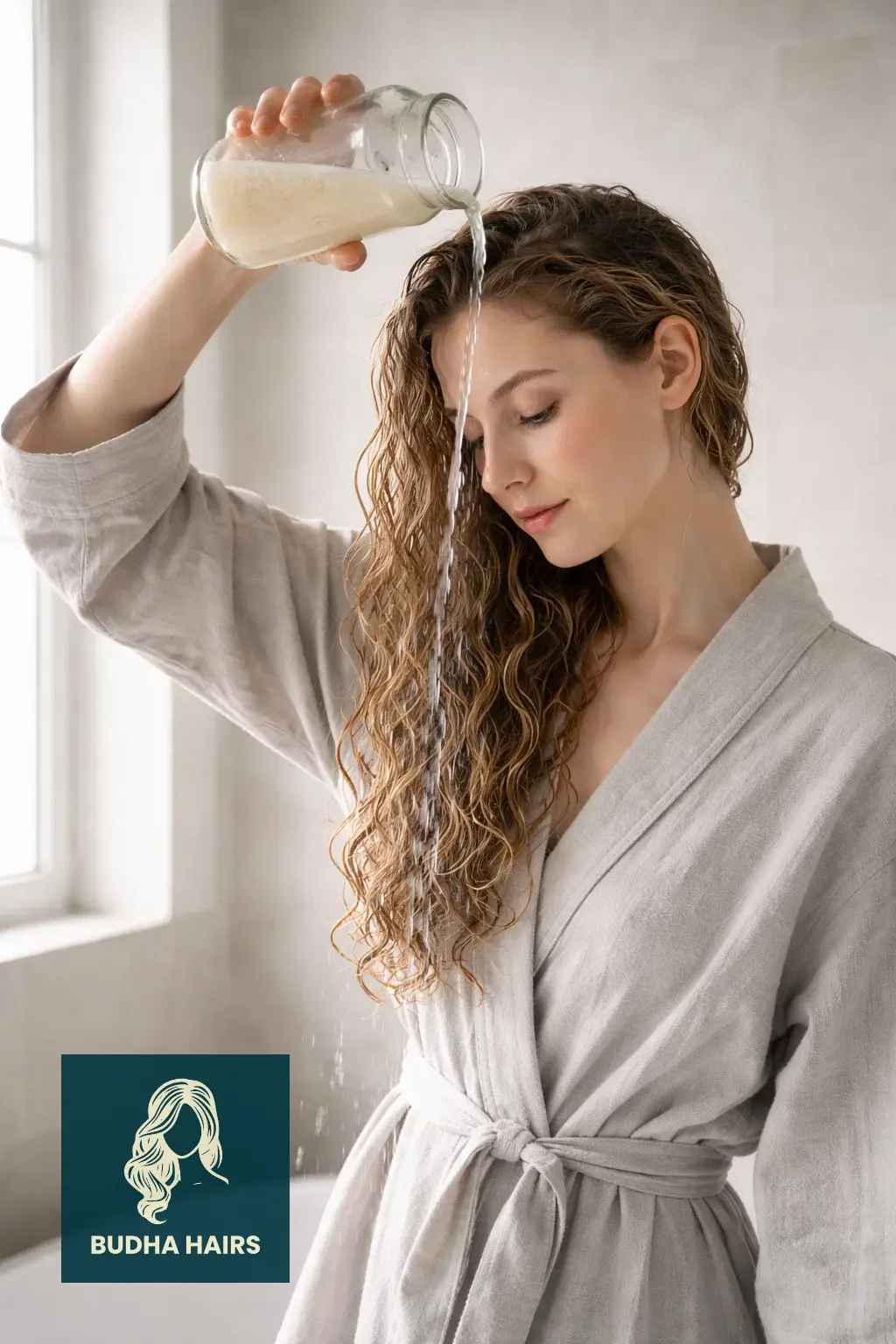
Curly hair thrives when the scalp and strands are properly nourished. Incorporating Natural Remedies for Hair Growth promotes healthier follicles and supports fuller, more resilient curls over time.
9. Castor Oil (The Growth Stimulator)
Specifically Jamaican Black Castor Oil (JBCO), this thick, viscous oil is rich in ricinoleic acid, which fights inflammation. It is commonly used on the scalp and edges to stimulate blood flow and encourage thicker growth. It is also an excellent sealant for the very ends of the hair to prevent splitting.
10. Avocado Oil (The Nutrient Bomb)
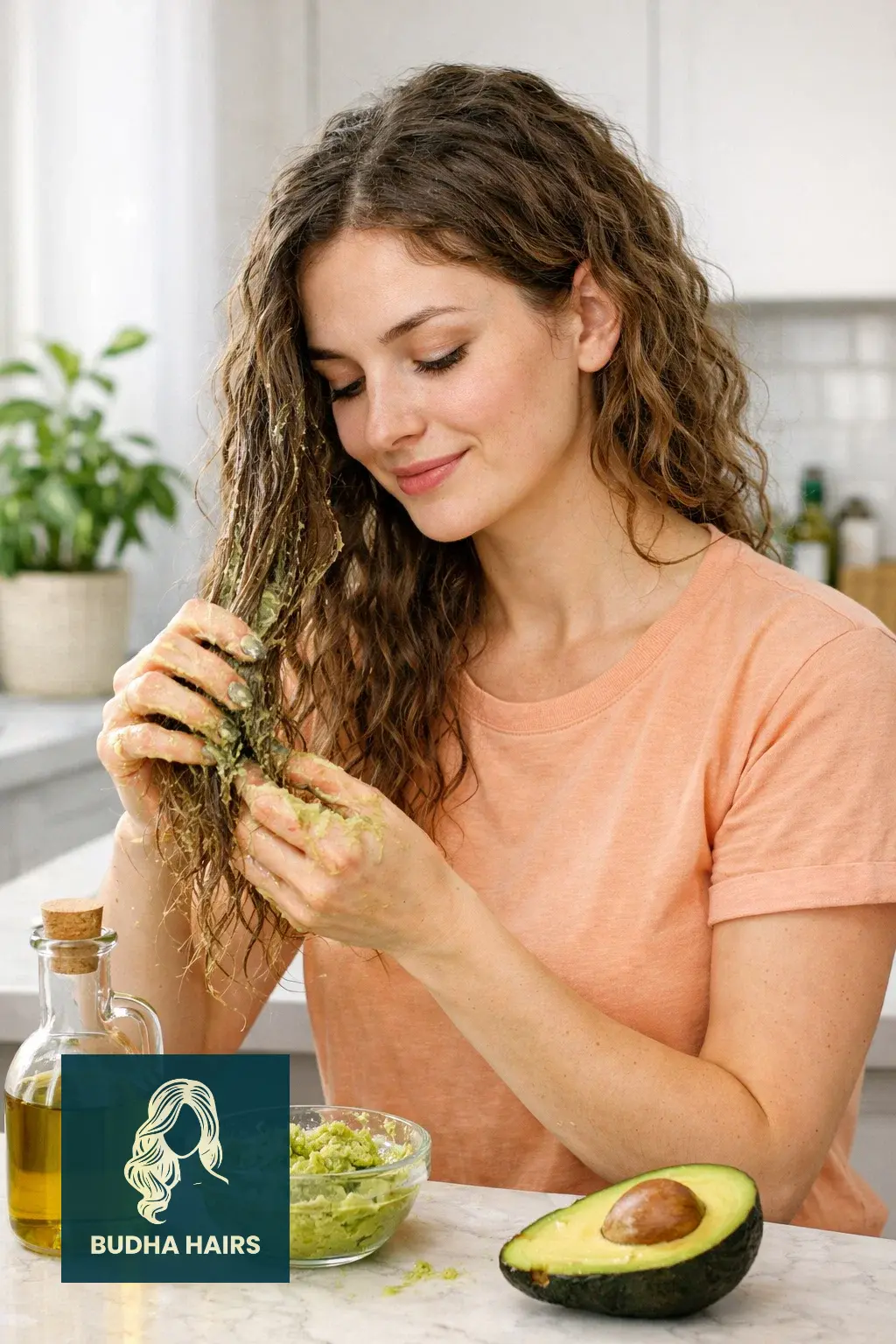
Like coconut oil, avocado oil can penetrate the hair shaft, but it is richer in monounsaturated fats and Vitamin E. It is fantastic for detangling because it provides immense “slip.” It creates a lubricated surface that allows knots to unravel gently without snapping the fragile curly strands.
11. Marshmallow Root (The Detangler)
If you see “slippery elm” or “marshmallow root” in a product, buy it. This herb releases a slippery mucilage when mixed with water that provides incredible slip. It is nature’s detangler, allowing a comb to glide through tight coils effortlessly, significantly reducing mechanical breakage on wash day.
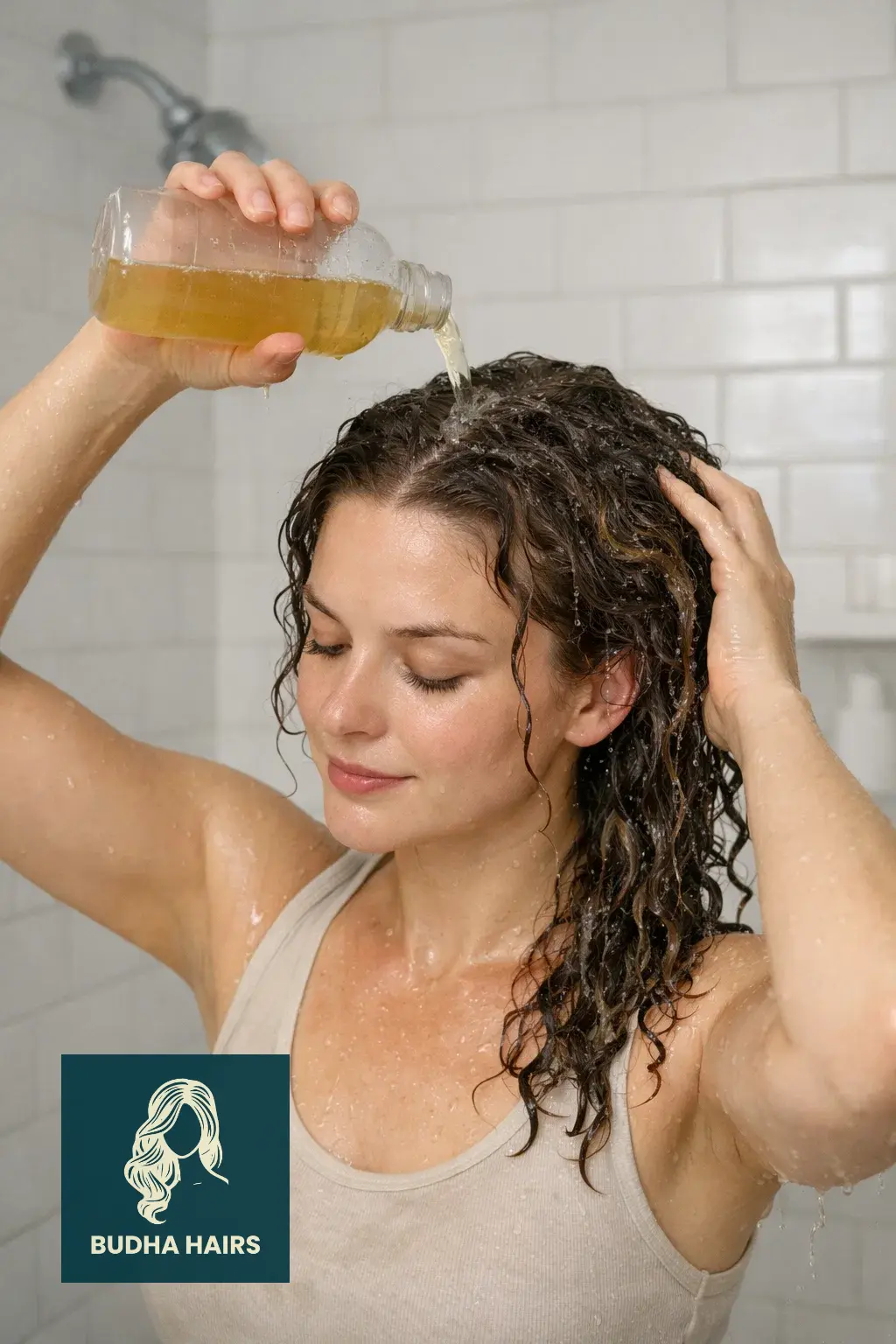
12. Apple Cider Vinegar (The Clarifier)
Product buildup is the enemy of volume. ACV is acidic (low pH), which helps to close the hair cuticle (enhancing shine) and dissolve mineral buildup from hard water. An ACV rinse (diluted with water) resets the scalp’s pH balance and removes the “gunk” that weighs curls down, restoring their natural spring.
13. Tea Tree Oil (The Scalp Healer)
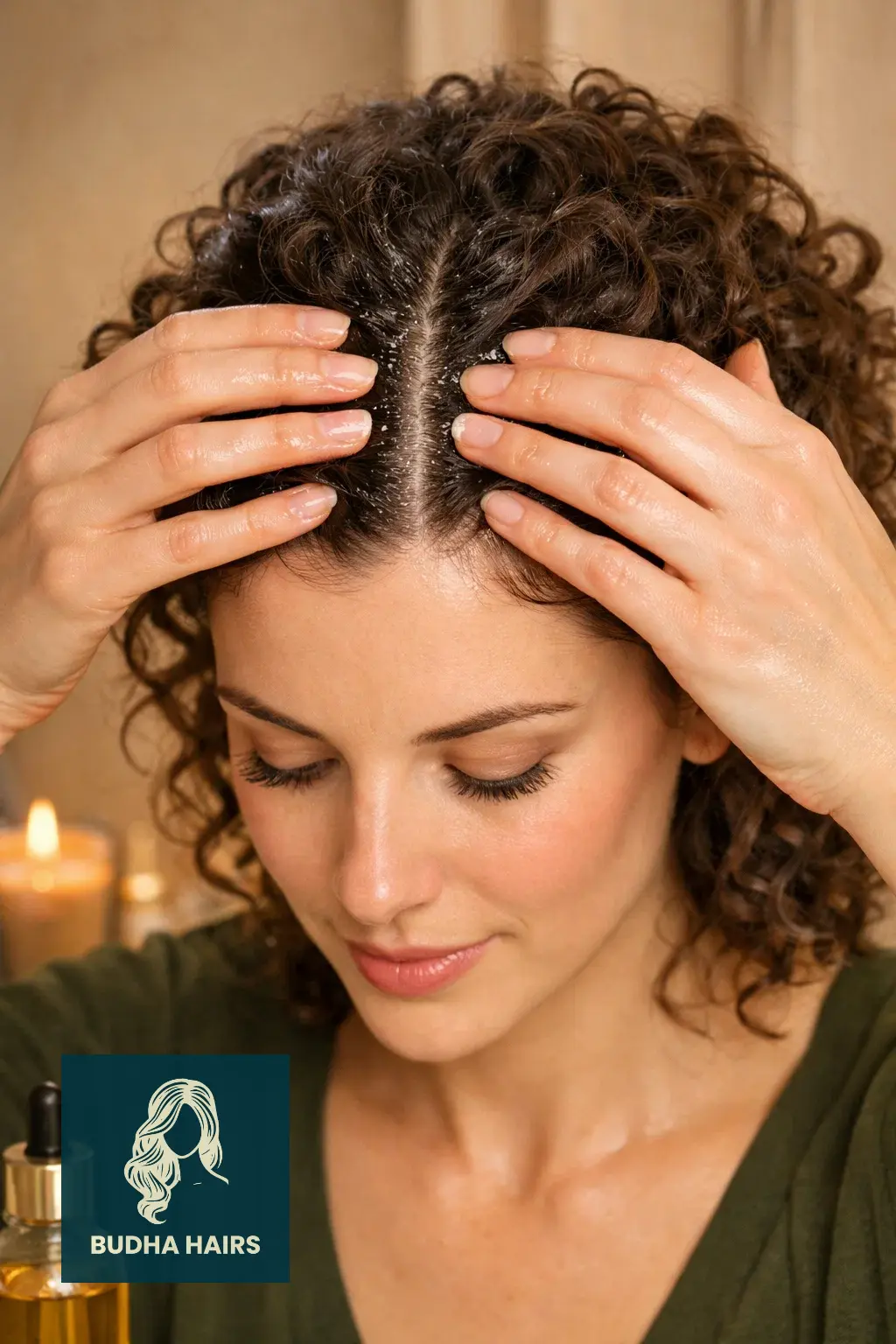
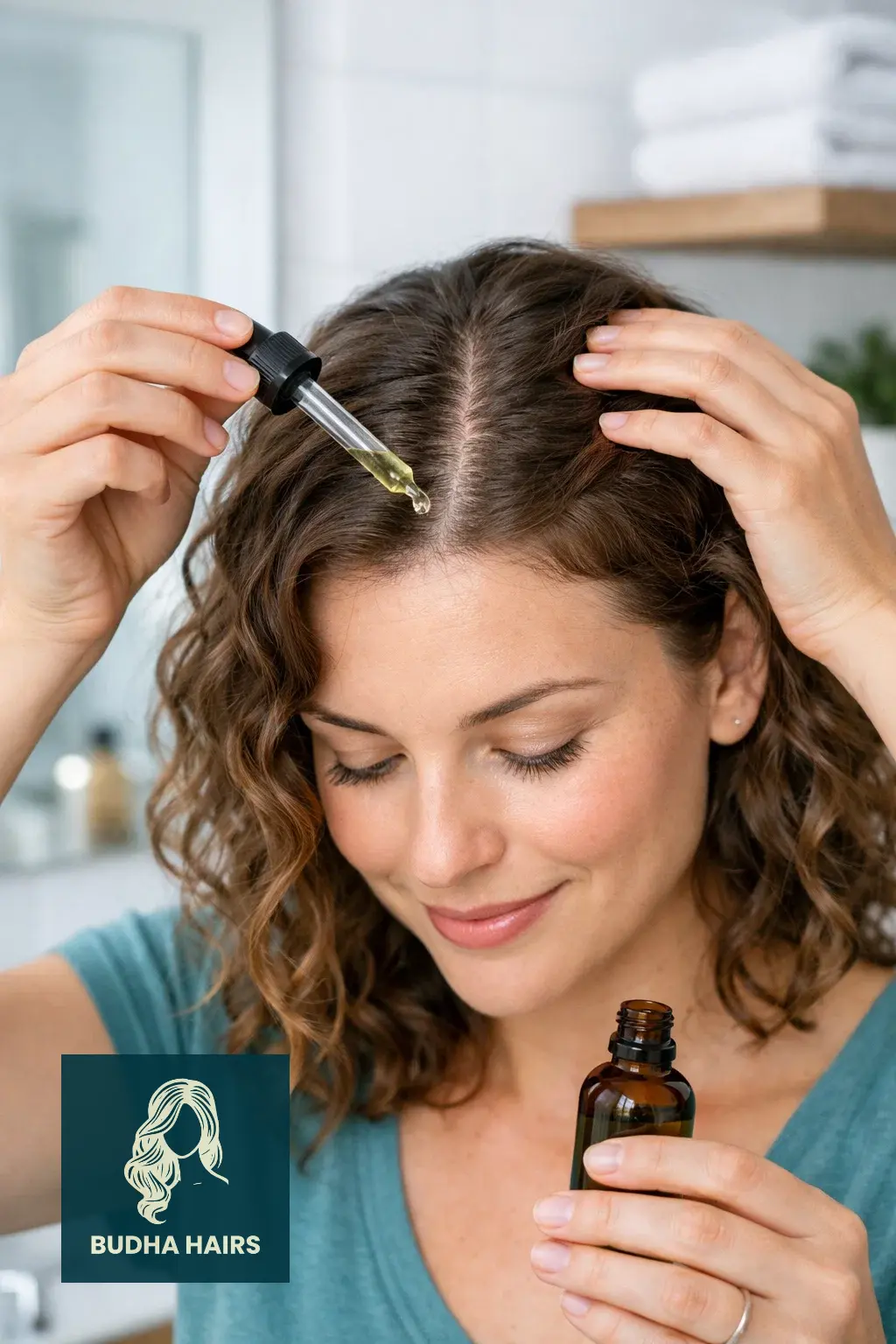
Curls can’t grow from an inflamed scalp. Tea Tree oil is a potent antifungal and antibacterial agent. It is the best natural remedy for dandruff, dry itchiness, or seborrheic dermatitis. Always dilute it in a carrier oil (like Jojoba) before applying to the scalp to clear follicles and soothe irritation.
14. Glycerin (The Weather Vane)
Vegetable glycerin is a powerful humectant found in many curly products. It is highly effective at drawing moisture into the hair. However, use it with caution: in very dry weather, it can pull moisture out of your hair; in very humid weather, it can pull too much in and cause poofiness. It is best used in moderate climates.
15. Sweet Almond Oil (The Smoother)
This oil is rich in magnesium, calcium, and zinc. It is lighter than olive oil but heavier than jojoba. It is excellent for sealing the cuticle after a leave-in conditioner. It fills in the microscopic gaps in the hair shaft, making the hair feel smoother and reflecting light for high shine.
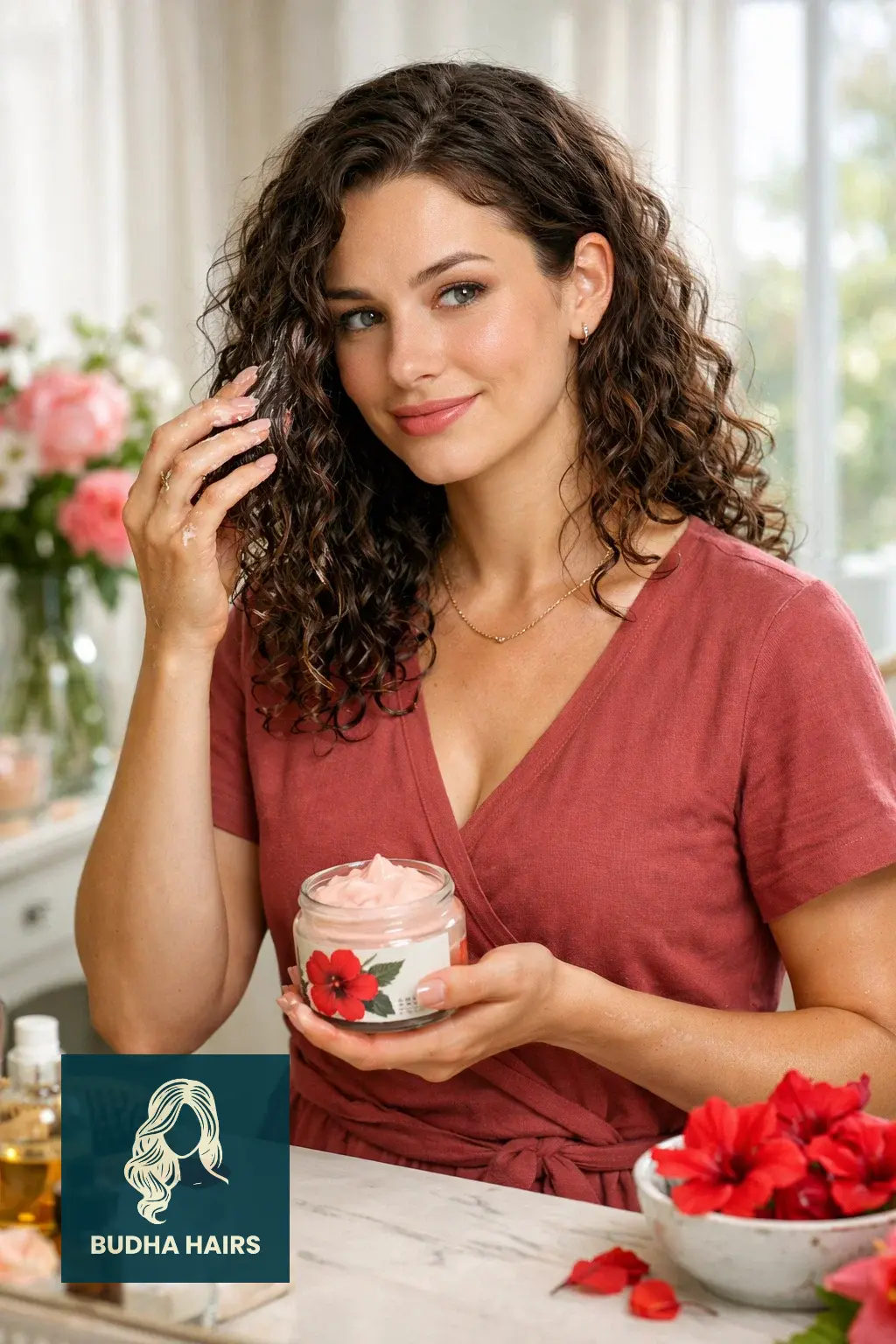
16. Hibiscus (The Shine Booster)
Often called the “Botox plant” for hair, Hibiscus flower (used as a powder or extract) is acidic and helps seal the cuticle layer. It produces a reddish tint (if used frequently) and provides incredible shine. It is also believed to stop hair shedding and prevent premature graying.
Repairing damage is also essential for maintaining curly hair. Following tips from How to Fix Split Ends Without Cutting keeps curls smooth and prevents further splitting without sacrificing length.
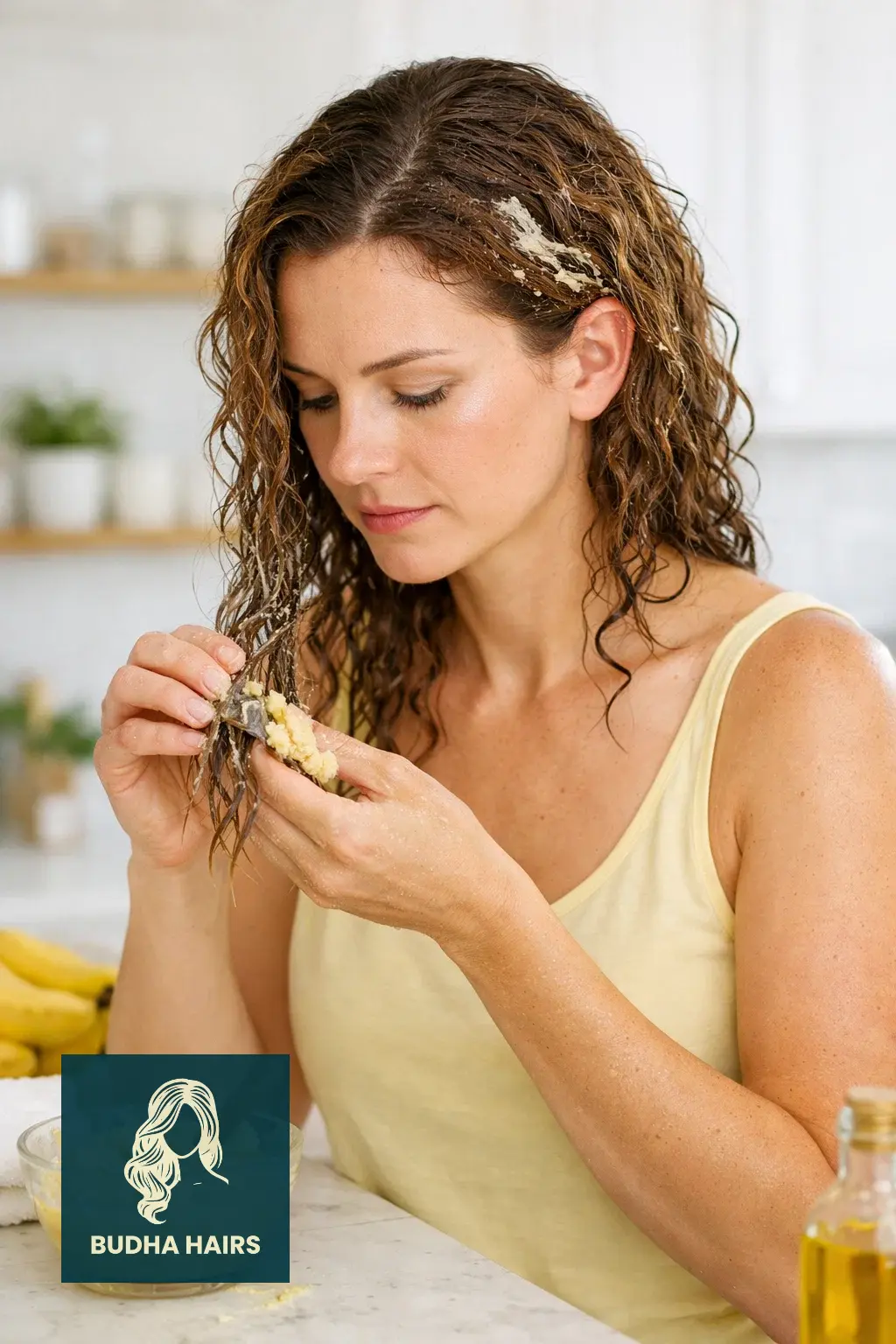
17. Banana (The Elasticity Builder)
Bananas are rich in potassium and silica. When pureed into a DIY mask, they soften the hair and improve its natural elasticity (the ability to stretch and return to shape). This is crucial for preventing breakage in tight curl patterns. Ensure you blend it thoroughly to avoid chunks getting stuck in your curls!
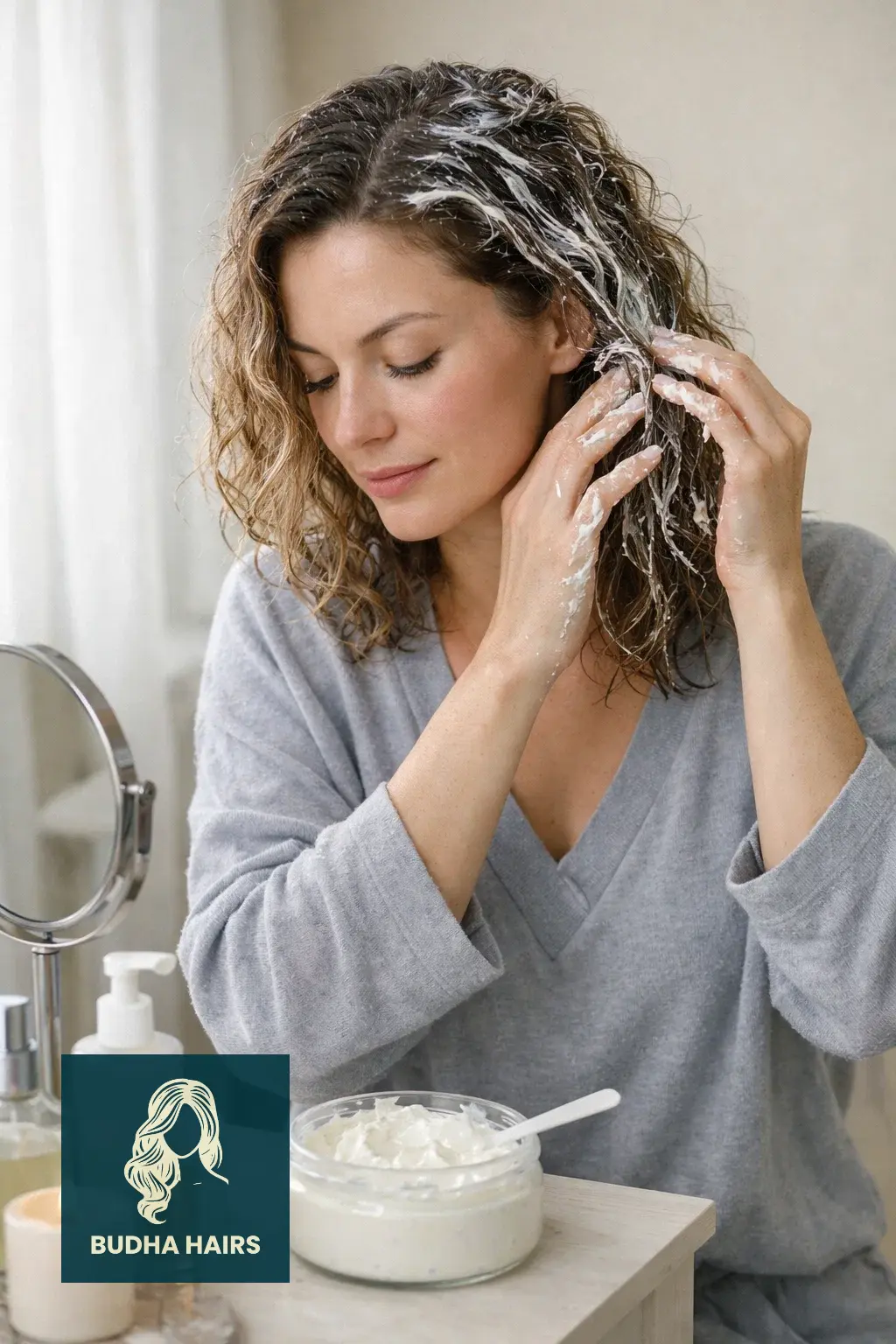
18. Yogurt (The Protein-Moisture Balance)
Plain Greek yogurt contains lactic acid (which hydrates) and milk proteins (which strengthen). A yogurt mask offers a gentle protein treatment that isn’t as harsh or stiffening as synthetic keratin treatments. It exfoliates the scalp gently while feeding the hair strands.
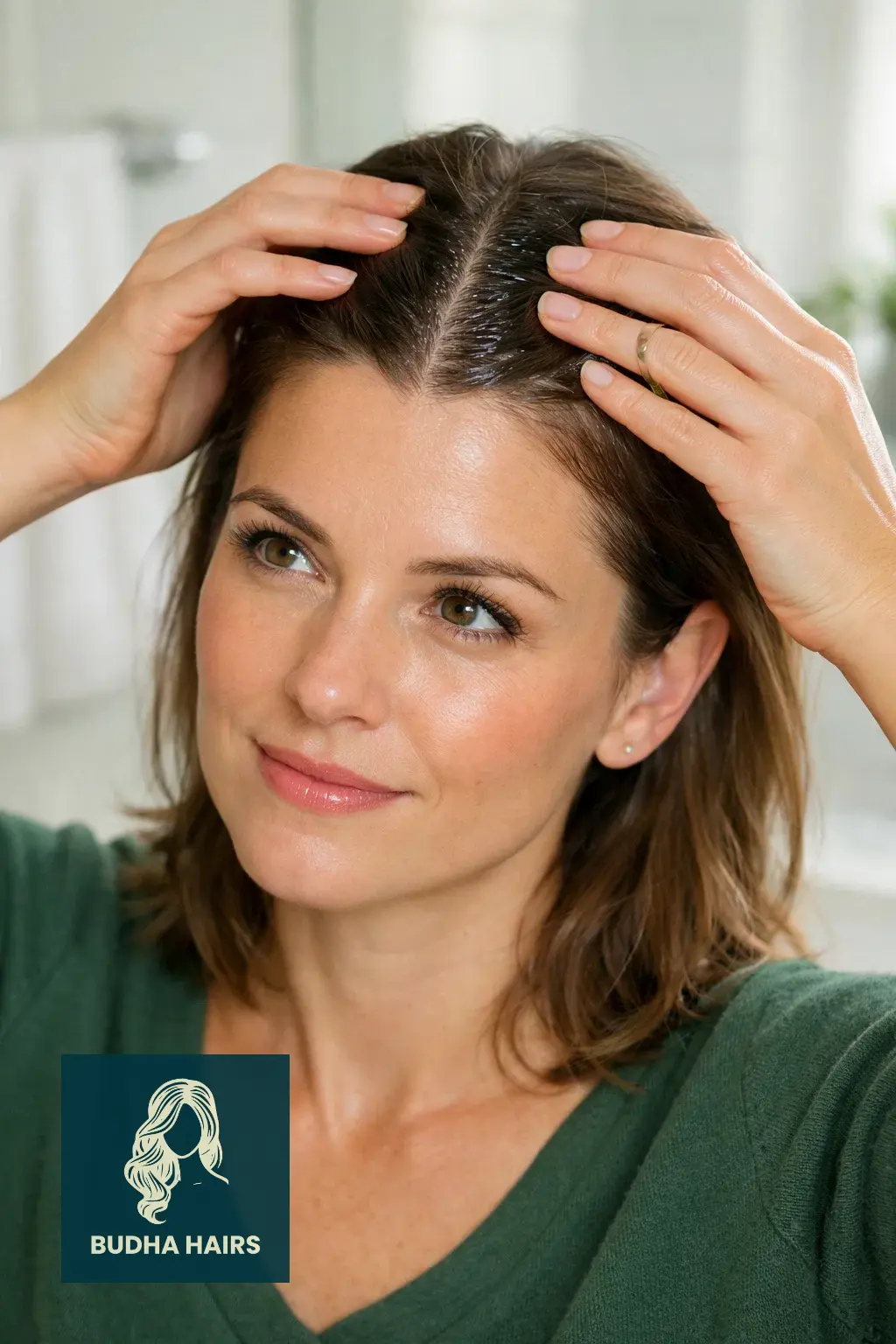
19. Rosemary Oil (The Minoxidil Rival)
Studies have shown Rosemary oil to be effective in blocking DHT and stimulating hair growth, comparable to 2% Minoxidil. For curly girls suffering from traction alopecia (thinning edges from tight styles), massaging rosemary oil into the scalp can help regrow density.
20. Slippery Elm (The Conditioner Base)
Similar to marshmallow root, the inner bark of the Slippery Elm tree becomes a slick gel when mixed with water. It is rich in amino acids and calcium. It is frequently used as a base for DIY leave-in conditioners because it softens the hair fiber and keeps it pliable long after it dries.
Conclusion
Embracing natural ingredients allows you to cater to your curls’ specific needs without reliance on synthetic silicones that cause buildup. Whether you need the penetrating power of Coconut Oil, the heavy sealing of Shea Butter, or the unmatched definition of Flaxseed Gel, there is a botanical solution for every curl type. Start by introducing one ingredient at a time to see how your hair porosity reacts, and build your own “farm-to-follicle” routine for your healthiest hair yet.

I’m Budha Styler, a hair enthusiast who loves creating beautiful, confidence-boosting looks that feel true to who you are. I’m passionate about exploring new trends, techniques, and textures, and I enjoy turning that knowledge into simple, inspiring ideas anyone can try. Through my work, I hope to help you express your unique style, feel amazing in your own hair, and discover everyday looks that make you shine.


