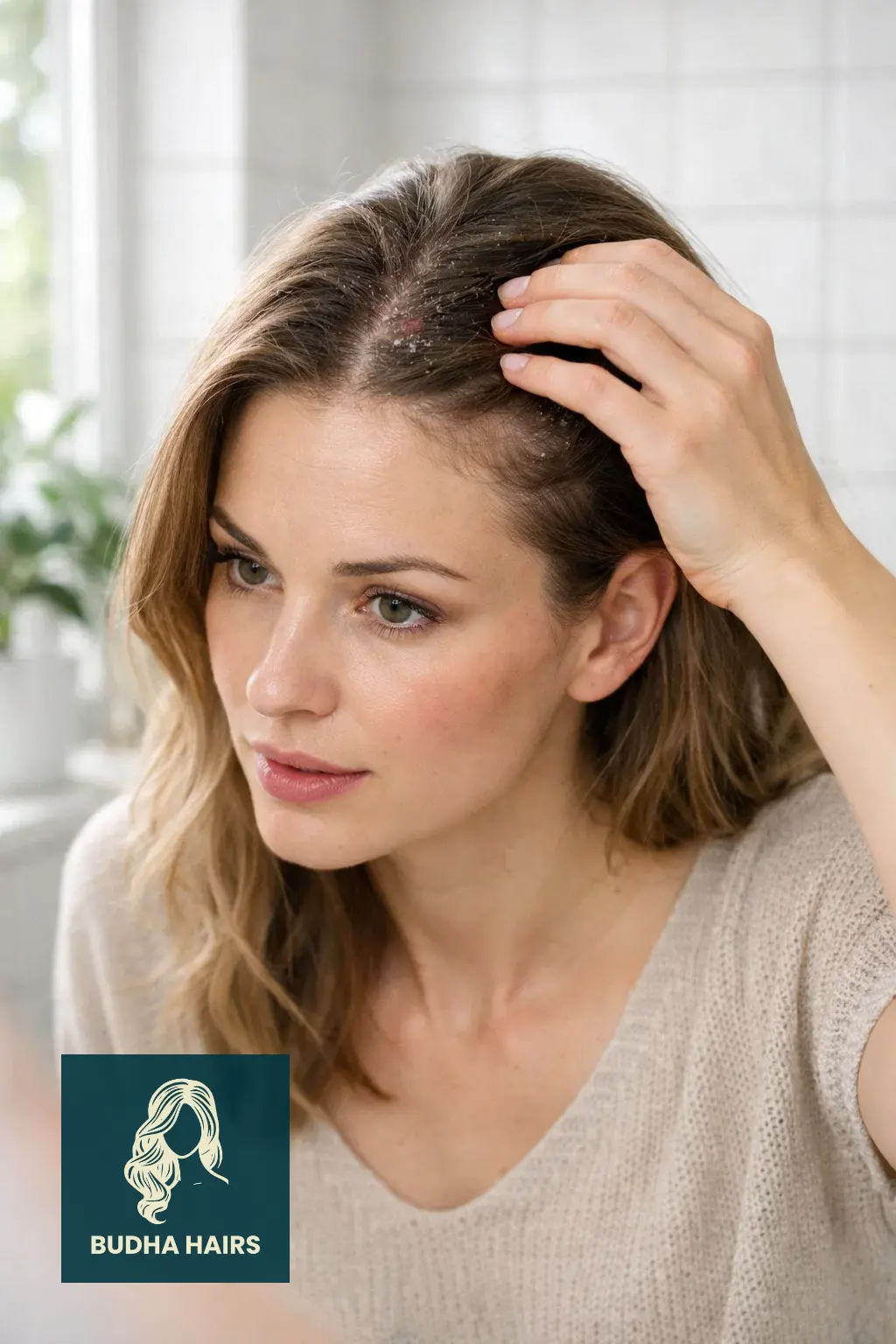
A constantly itchy scalp, medically known as pruritus, is more than just a physical nuisance; it can be a source of significant social embarrassment and psychological stress. Whether accompanied by visible flakes (dandruff) or manifesting as invisible, burning irritation, the urge to scratch can damage the hair follicles and lead to hair thinning if left untreated. The root causes are vast, ranging from an overgrowth of naturally occurring yeast (Malassezia) and Seborrheic dermatitis to simple dehydration or allergic reactions to styling products. Addressing this issue requires a multi-faceted approach that not only soothes the immediate symptom but also corrects the underlying imbalance of the scalp’s microbiome and lipid barrier.
The Science of the Itch: Why It Happens
This guide dives into the science of scalp health and provides fifteen state-of-the-art remedies to banish the itch for good.
The Microbiome and Yeast Overgrowth
The most common culprit behind a chronic itchy scalp is an imbalance in the skin’s microbiome, specifically an overgrowth of a yeast-like fungus called Malassezia globosa. This fungus lives on everyone’s scalp and feeds on the natural oils (sebum) produced by your hair follicles; however, in some people, the fungus grows out of control. As it breaks down sebum, it produces oleic acid, a byproduct that penetrates the skin barrier and triggers an inflammatory immune response in sensitive individuals. This inflammation disrupts the skin’s shedding cycle, causing cells to clump together and flake off while sending frantic “itch” signals to the brain as a defense mechanism against the irritation.
Compromised Barrier Function
Another major scientific cause is a compromised skin barrier, often resulting from environmental factors or harsh grooming habits. The scalp has a natural protective layer known as the acid mantle, which maintains a slightly acidic pH (around 5.5) to keep moisture in and bacteria out. When you use alkaline shampoos, take scorching hot showers, or expose your head to dry winter air, this acid mantle is stripped away. Without this shield, the nerve endings in the scalp become hypersensitive to external stimuli, and moisture evaporates rapidly from the epidermis. This distinct lack of hydration leads to “tightness” and itching, even in the absence of dandruff or fungal infections, signaling that the skin is structurally weak and exposed.
15 Expert Remedies to Stop the Itch
Now, let’s explore 15 expert remedies to stop scalp itch. From soothing treatments and proper cleansing to lifestyle tweaks, these tips help calm irritation and keep your scalp comfortable and healthy.
1. Apple Cider Vinegar (ACV) Rinse
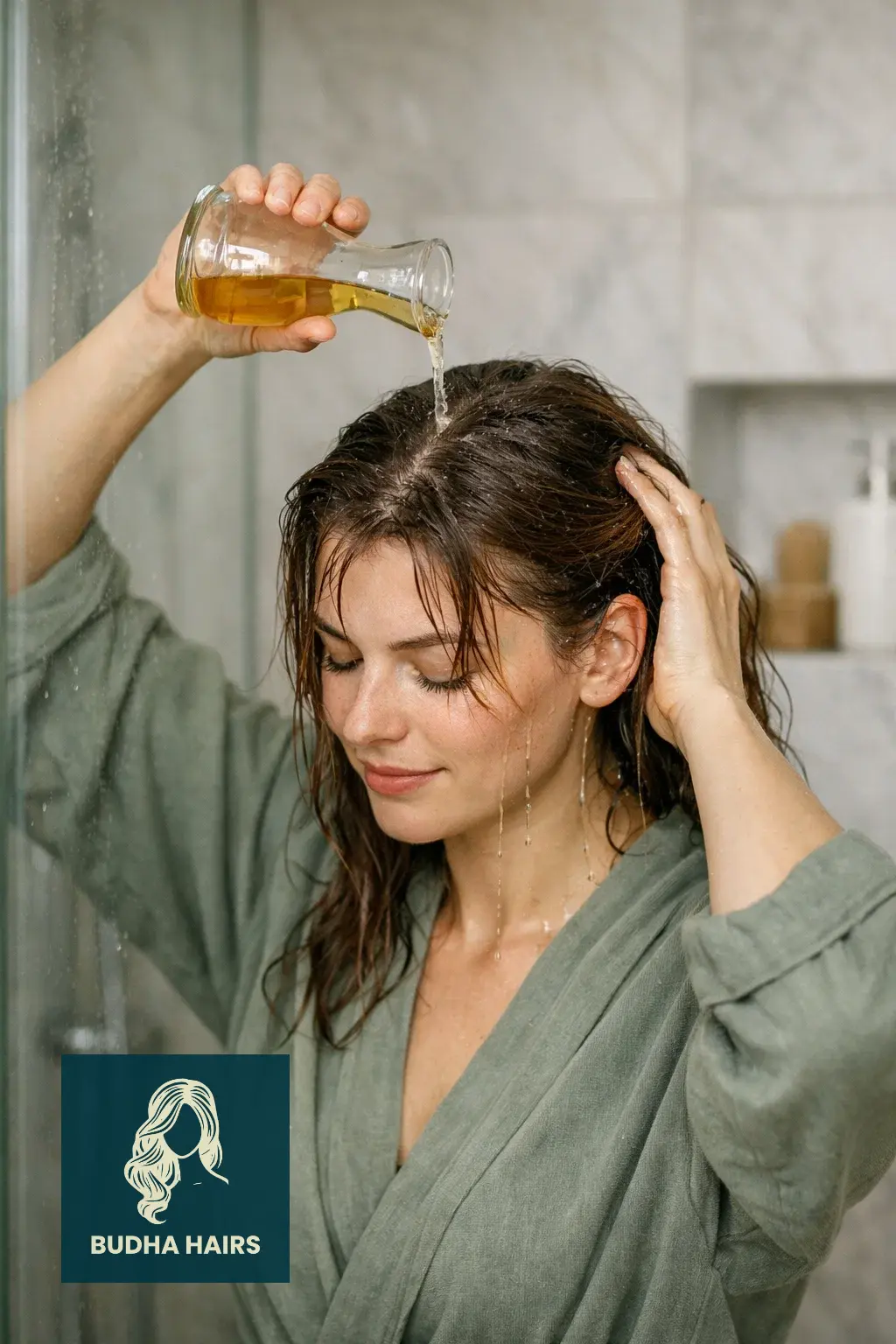
Apple cider vinegar is one of the most effective natural remedies because its high acidity helps to recalibrate the scalp’s pH levels, which are often thrown off by alkaline shampoos. By restoring the acid mantle, ACV creates an environment where fungus and bacteria struggle to survive, directly addressing the root cause of the itch. Furthermore, the acetic acid acts as a gentle exfoliant to dissolve product buildup and dead skin cells that may be clogging pores. Mix one part ACV with four parts water and pour it over your head after shampooing, letting it sit for a few minutes before rinsing to seal the cuticle and soothe the skin.
2. Tea Tree Oil Application
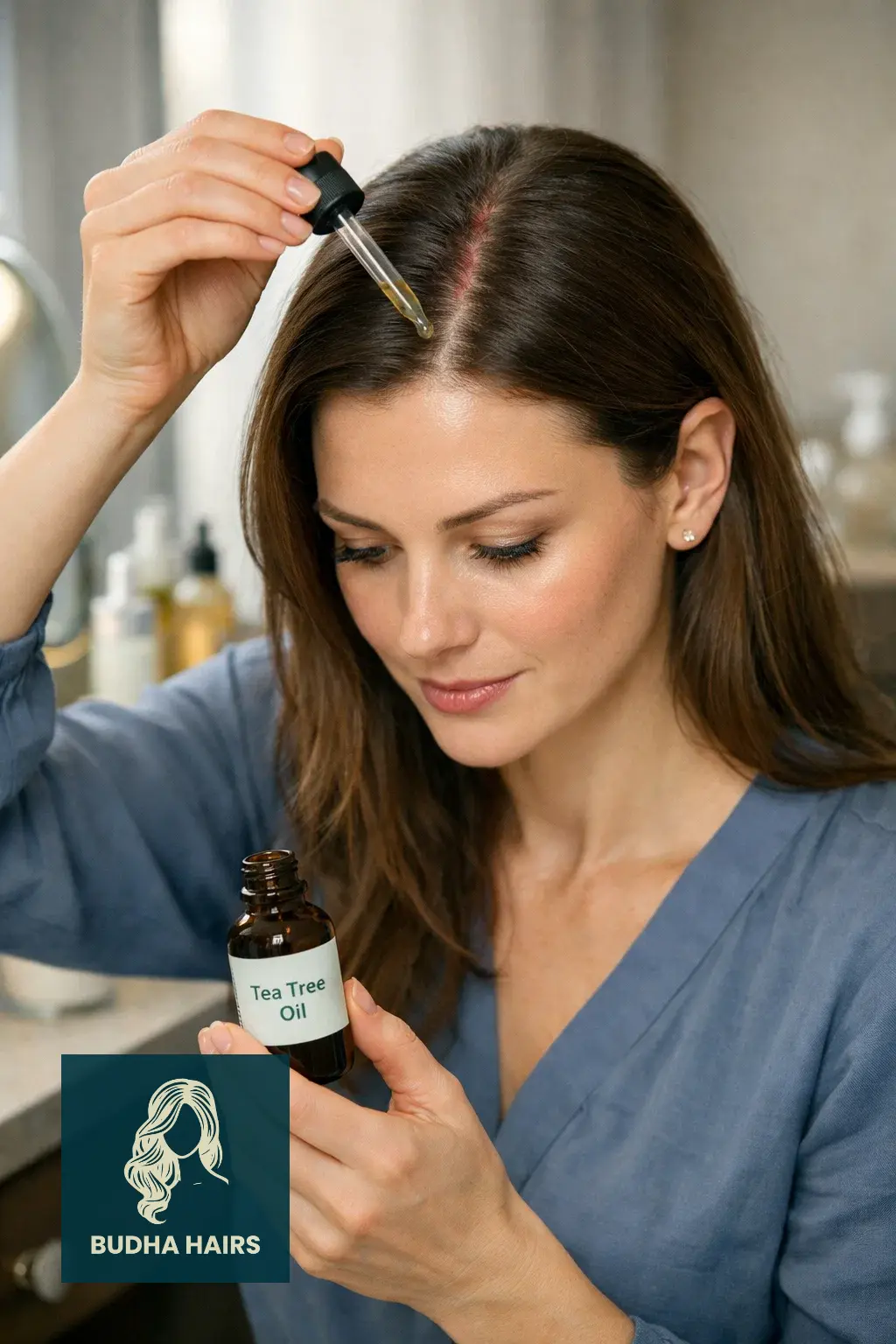
Tea tree oil is renowned in the dermatological community for its potent antifungal, antibacterial, and anti-inflammatory properties, making it a weapon against Malassezia yeast. However, pure tea tree oil is incredibly strong and can cause chemical burns if applied directly, so it must always be diluted with a carrier oil like jojoba or mixed into your shampoo. Regular use can significantly reduce the microbial load on the scalp, calming the immune response and stopping the itch at its source. Add 10 drops to your bottle of shampoo or massage a diluted mixture into the scalp 20 minutes before washing for a deep treatment.
Itchy scalp remedies focus on soothing irritation, reducing flakiness, and restoring balance to the scalp. Incorporating a Hair Routine for Thin Curly Hair can help maintain moisture and prevent dryness that often causes itchiness.
3. Peppermint Oil for Immediate Cooling
While tea tree oil treats the cause, peppermint oil treats the symptom by providing an immediate, intense cooling sensation that overrides the urge to scratch. Peppermint contains menthol, a compound that stimulates the cold receptors in the skin, acting as a natural anesthetic to numb the irritation instantly. Additionally, peppermint oil is a vasodilator, meaning it increases blood circulation to the follicles, which can help promote a healthier scalp environment overall. Like other essential oils, it must be diluted; mix a few drops with a carrier oil and massage it in for a refreshing, tingling relief that lasts for hours.
4. Colloidal Oatmeal Mask
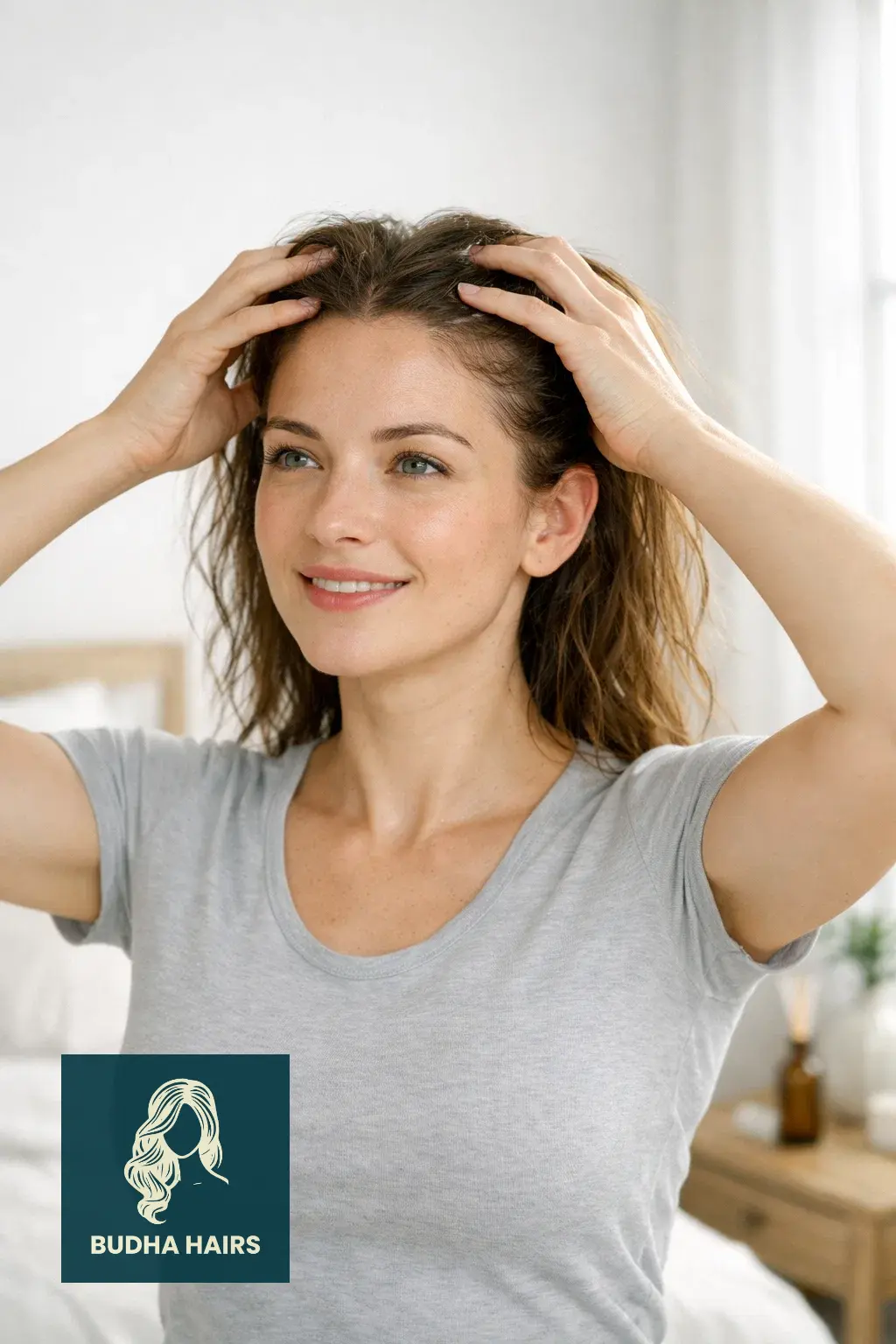
Colloidal oatmeal—finely ground oats suspended in liquid—is a classic remedy for eczema and inflammatory skin conditions because of its high concentration of avenanthramides, which are anti-inflammatory compounds. When applied to the scalp, it forms a protective, slimy film that locks in moisture and soothes raw, irritated nerve endings. To use this remedy, mix colloidal oatmeal powder with water to form a loose paste and apply it directly to the scalp, leaving it on for 15-20 minutes. This is particularly effective for dry, sensitive scalps that react poorly to harsh chemical treatments or medicated shampoos.
5. Aloe Vera Gel
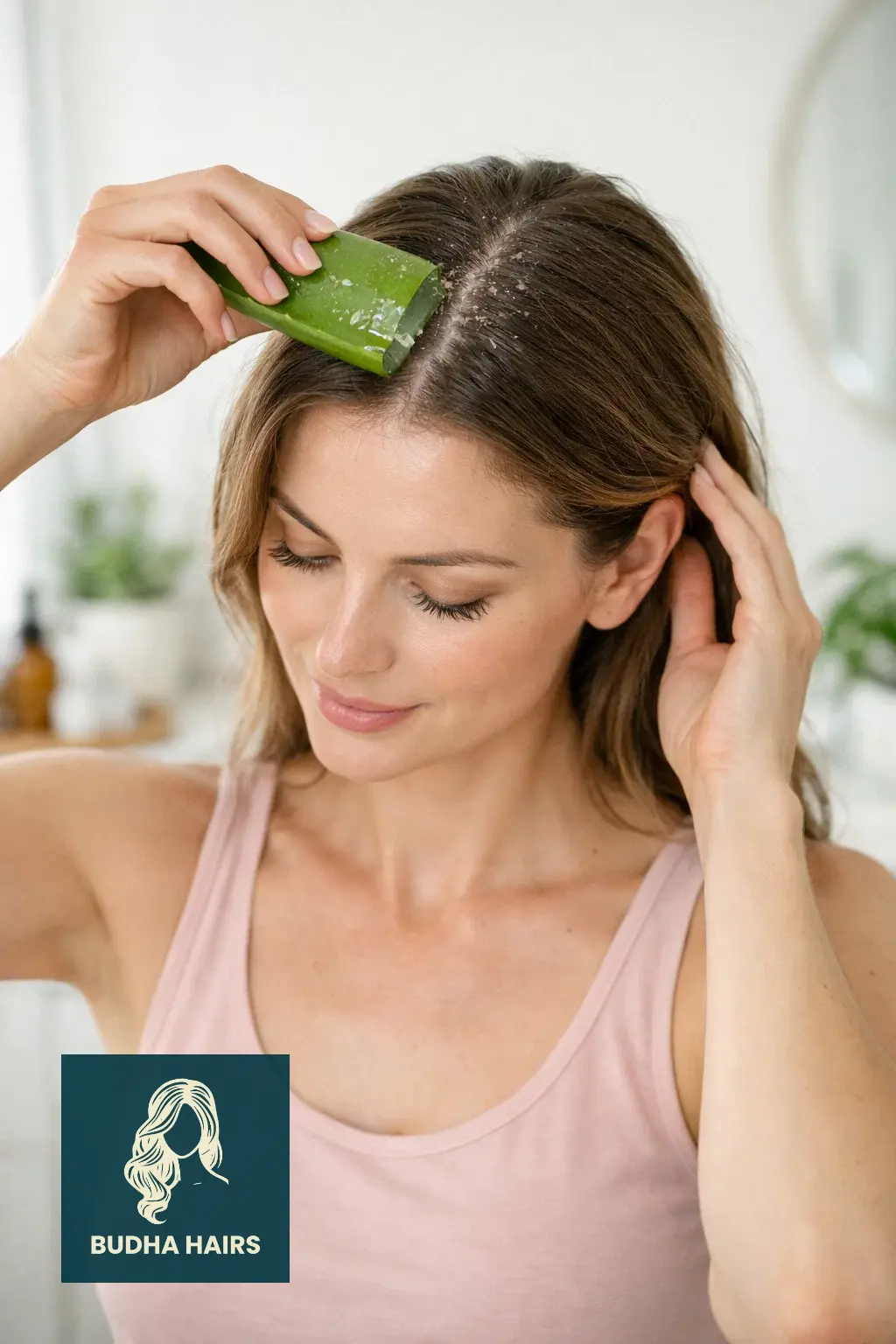
Aloe vera is a hydration powerhouse that mimics the skin’s natural moisture content while providing enzymes that help break down dead skin cells (a process called proteolytic action). Applying pure aloe vera gel to the scalp acts as an intensive moisturizing mask that cools inflammation and reduces the redness associated with scratching. It is rich in vitamins A, C, and E, which contribute to cell turnover and healthy skin regeneration. Apply fresh gel from a leaf or a pure store-bought version generously to the scalp, let it sit for 30 minutes, and rinse with cool water to leave the skin feeling plump and hydrated.
6. Salicylic Acid Exfoliation
For scalps plagued by thick, scaly buildup or psoriasis plaques, physical scrubbing isn’t enough; you need chemical exfoliation using Salicylic Acid (a Beta Hydroxy Acid). This ingredient works by dissolving the “glue” that holds dead skin cells together, allowing them to wash away easily rather than accumulating into itchy patches. It is technically oil-soluble, meaning it can penetrate deep into the sebum-filled pores to clear out blockages that cause irritation. Look for shampoos or pre-wash treatments containing salicylic acid and use them weekly to keep the scalp surface smooth and breathable.
7. Coconut Oil Deep Condition
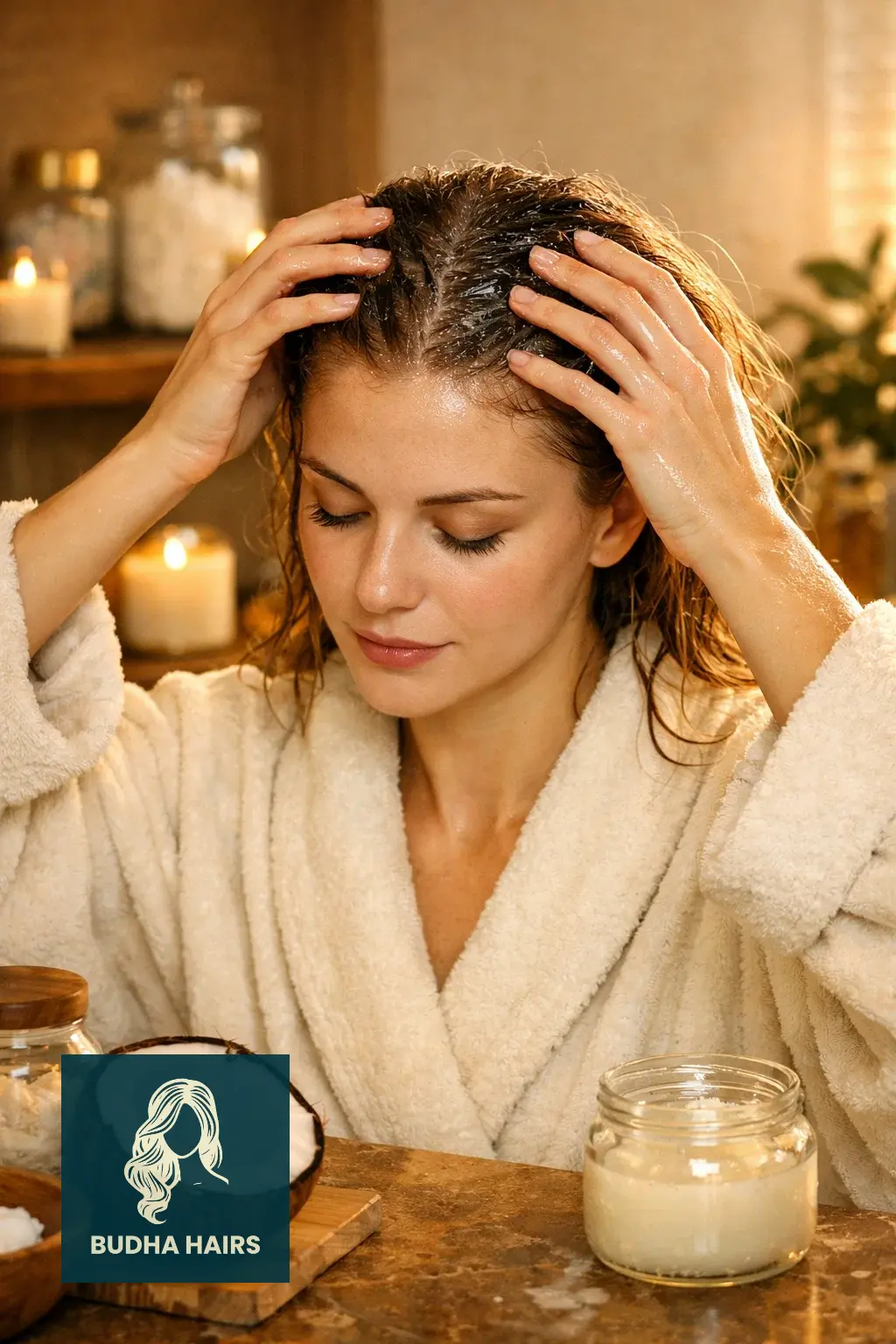
Coconut oil is unique among oils because of its low molecular weight, allowing it to penetrate the hair shaft and the scalp skin barrier rather than just sitting on top. It contains lauric acid, a medium-chain fatty acid that has demonstrated proven antifungal effects against various yeast strains. Treating your scalp to a warm coconut oil mask before bed (and sleeping with a towel) provides deep lipid restoration for dry, tight skin. This intense moisturization repairs the barrier function, preventing the “dry itch” that occurs when water evaporates too quickly from the skin surface.
Persistent scalp irritation can weaken hair and lead to breakage, especially around delicate areas like bangs. Techniques from How to Keep Bangs from Splitting help protect hair while addressing scalp discomfort.
8. Zinc Pyrithione Shampoo
When natural remedies aren’t enough, turning to the gold standard of over-the-counter medication is often necessary; Zinc Pyrithione is the active ingredient in most anti-dandruff shampoos. It works by inhibiting the division of fungal cells and slowing down the rate at which skin cells die and flake off. By controlling the population of microbes on your scalp, it reduces the waste products that cause inflammation and itching. For best results, lather the shampoo and let it sit on your scalp for at least two full minutes before rinsing to allow the active ingredients to penetrate the skin.
9. Lemon Juice Clarification
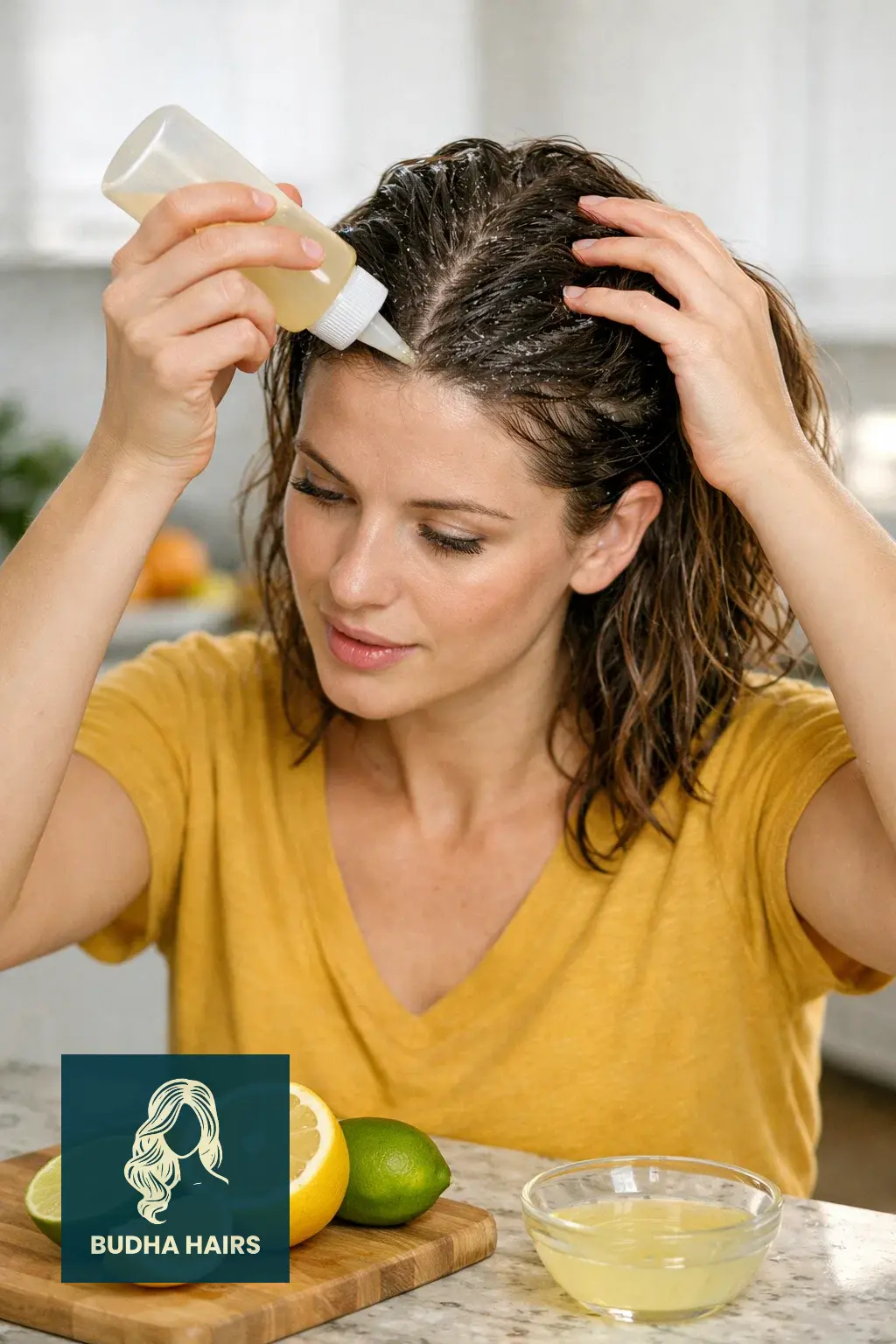
Similar to apple cider vinegar, lemon juice is highly acidic and can be used to break down stubborn product buildup and hard water minerals that may be causing contact dermatitis. The citric acid acts as a powerful antimicrobial agent that can help manage dandruff-causing bacteria while shrinking pores and reducing excess oil production. Mix fresh lemon juice with water (and a little yogurt or honey to buffer the acidity) and apply it to the scalp for 10 minutes. Be cautious with this remedy if you have open sores from scratching, as it will sting, and avoid sun exposure afterward as lemon is photosensitive.
10. Meditation and Stress Management
It may seem unrelated, but high stress levels cause a spike in cortisol, a hormone that triggers inflammation throughout the body and can lead to a “neurogenic itch.” Stress also weakens the immune system, allowing natural yeast populations to flare up unchecked, leading to sudden bouts of dandruff during difficult times. Incorporating stress-reduction techniques like meditation, yoga, or deep breathing can actually lower systemic inflammation and reduce the severity of scalp pruritus. Treating the mind is often the missing link for those suffering from chronic, unexplained itching that doesn’t respond to topical products.
11. Clean Your Hair Tools
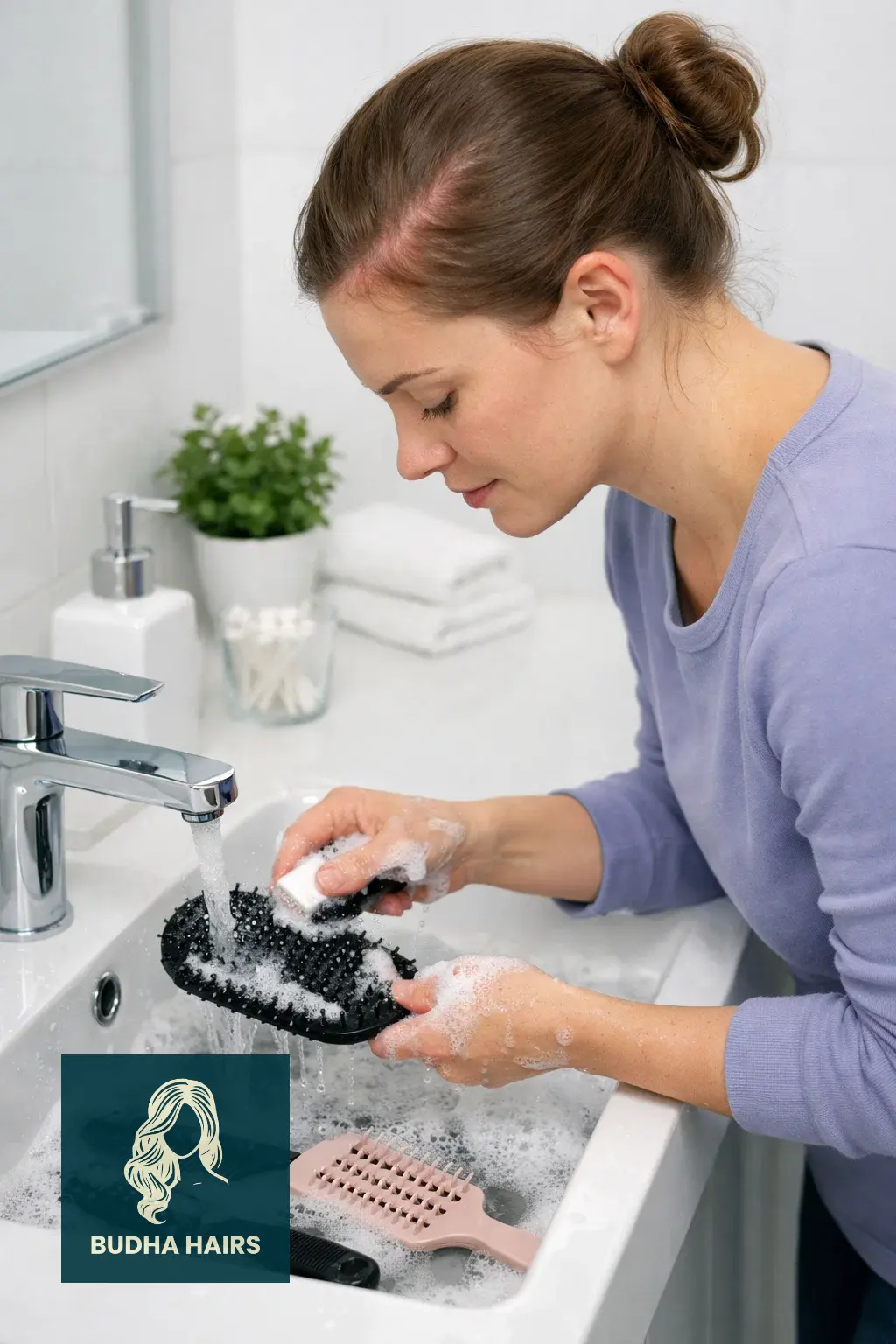
Re-infecting your clean scalp with dirty tools is a common cycle; brushes, combs, and hair ties accumulate dead skin, oil, and fungal spores with every use. If you do not clean them regularly, you are brushing these irritants right back into your fresh scalp, triggering the itch all over again. Make it a habit to remove hair from your brushes weekly and wash them in a bath of warm water and clarifying shampoo or baking soda. This hygiene practice ensures that your mechanical tools aren’t the hidden source of your ongoing scalp irritation.
12. Baking Soda Paste (Use with Caution)
Baking soda is an alkaline substance that can act as a gentle physical exfoliant to remove heavy crusts and soak up excess oil that feeds the itch-causing fungus. It can be mixed with water to form a paste and massaged gently into the scalp for a “deep clean” feeling that relieves the itch immediately. However, because its pH is very high, this remedy should be used sparingly (once a month) and always followed by an acidic rinse (like ACV) to rebalance the scalp. Overusing baking soda can dry out the hair, so reserve this for times when you need heavy-duty removal of buildup.
13. Probiotics and Diet
Gut health is intrinsically linked to skin health; an imbalance in your gut bacteria can manifest as inflammation on the skin, including the scalp. Increasing your intake of probiotics (found in yogurt, kimchi, and supplements) can help regulate the body’s immune response to yeast and reduce systemic inflammation. Additionally, reducing your intake of sugar and refined carbohydrates starve the yeast that lives on your scalp, as these organisms thrive on high blood sugar levels. A diet rich in Omega-3 fatty acids and probiotics strengthens the skin from the inside out, making it less reactive to irritants.

14. Selenium Sulfide Treatments
For more severe or stubborn cases of Seborrheic dermatitis, Selenium Sulfide is a stronger alternative to Zinc Pyrithione that specifically targets the yeast Malassezia. It slows the death of skin cells and reduces the greasiness of the scalp, removing the food source for the fungus. Note that Selenium Sulfide can sometimes discolor chemically treated hair or fine jewelry, so it requires careful application and thorough rinsing. It is highly effective for stopping the intense, burning itch associated with thick, yellow dandruff flakes.
Managing an itchy scalp properly also supports healthier overall growth. Following strategies from How to Grow Out Uneven Hair ensures your hair grows evenly and remains strong, without being hindered by scalp issues.
15. The “No-Scratch” Patting Technique
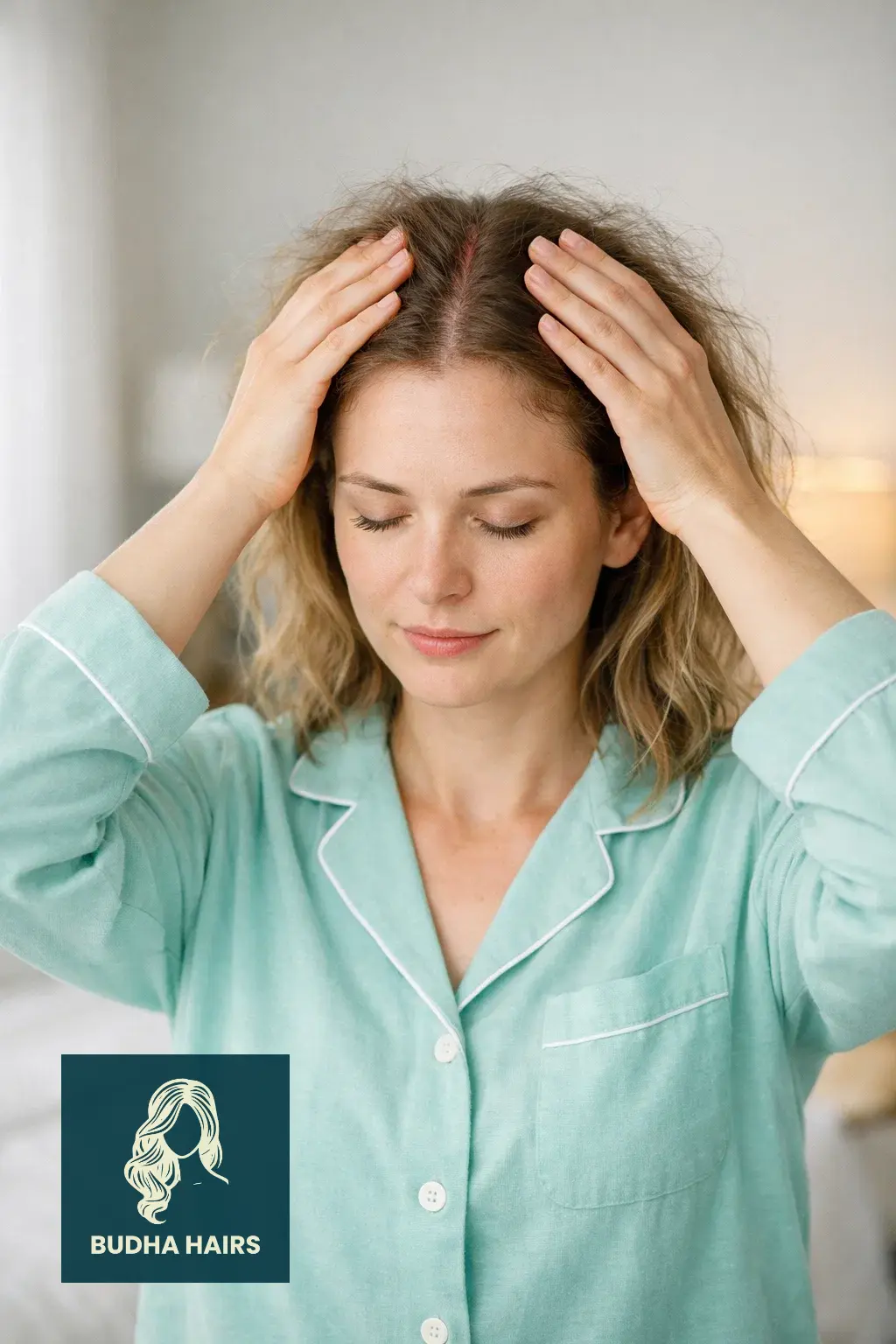
While not a chemical remedy, behavioral modification is arguably the most important step in healing; scratching damages the skin barrier further, releasing more histamines and creating a “itch-scratch cycle.” When the urge to scratch hits, use the pads of your fingers to firmly pat the area or apply a cold compress to numb the nerves without breaking the skin. Keeping your fingernails short and clean also minimizes the risk of introducing bacteria into the micro-tears caused by scratching. Breaking the physical habit gives your scalp the time it needs to heal the broken skin barrier and desensitize the nerve endings.
Conclusion
Finding relief from an itchy scalp is rarely about a single miracle product, but rather a combination of hygiene, pH management, and antifungal treatments. By identifying whether your itch is caused by dryness, product buildup, or fungal overgrowth, you can select the specific remedies from this list—like tea tree oil for fungus or aloe vera for dryness—that target your unique issue. Consistency is the key; integrating these fifteen tips into a regular rotation will restore your scalp’s microbiome balance and barrier function. Ultimately, a healthy, itch-free scalp is the foundation for healthy hair, and treating it with care will improve your overall quality of life.

I’m Budha Styler, a hair enthusiast who loves creating beautiful, confidence-boosting looks that feel true to who you are. I’m passionate about exploring new trends, techniques, and textures, and I enjoy turning that knowledge into simple, inspiring ideas anyone can try. Through my work, I hope to help you express your unique style, feel amazing in your own hair, and discover everyday looks that make you shine.


