Hair shedding is a distressing phenomenon that can feel like a loss of control, turning routine activities like washing or brushing into sources of anxiety. While losing 50 to 100 strands a day is a normal part of the hair growth cycle, noticing a sudden increase in volume—known clinically as Telogen Effluvium—indicates that your body has been thrown out of balance. This condition occurs when a physiological “shock” pushes a large percentage of hair follicles prematurely from the growing phase (Anagen) into the resting phase (Telogen). Three months later, these hairs fall out en masse. To stop this cycle, you must move beyond surface-level treatments and address the internal and external triggers that are signaling your body to “drop” its hair. This guide explores the biological roots of excessive shedding and provides a comprehensive, expert-approved protocol to halt the loss and stimulate regrowth.
Diagnosing the Root Causes
Now, let’s focus on diagnosing the root causes. Identifying whether hair or scalp issues stem from hormones, nutrition, stress, or product buildup is essential for effective, targeted treatment.
Internal Triggers: The Body’s Alarm System
The most common cause of sudden shedding is a reaction to internal stress, whether nutritional, hormonal, or emotional. Hair is considered a “non-essential tissue” by the body; therefore, when your system is under duress, it diverts energy away from hair growth to support vital organs. A deficiency in Ferritin (stored iron) is the leading culprit in women; if your ferritin levels drop below 40 ng/mL, the body cannot sustain the energy-intensive process of hair production. Similarly, fluctuations in thyroid hormones (hypothyroidism) or a sharp drop in estrogen (postpartum or post-menopause) can shorten the growth cycle significantly. Even a seemingly minor event, like a high fever or a crash diet, can act as a trigger, though the shedding often won’t appear until three months after the event due to the length of the Telogen phase.
External Stressors: The Scalp Environment
While internal health dictates growth, the condition of your scalp determines retention. A scalp environment plagued by inflammation, dandruff, or product buildup can physically choke the hair follicle, causing it to release the hair strand prematurely. Conditions like Seborrheic Dermatitis (caused by yeast overgrowth) create inflammation around the follicle bulb, weakening its anchor to the scalp. Furthermore, “oxidative stress” from environmental pollutants and UV radiation can damage the proteins that hold the hair in the follicle. If the scalp skin is tight, inflamed, or clogged, the blood flow required to deliver nutrients to the root is compromised, leading to a weaker fiber that sheds with the slightest friction.
12 Expert Tips to Stop Shedding
Now, let’s explore 12 expert tips to stop hair shedding. From strengthening routines and scalp care to nutrition and stress management, these strategies help reduce hair loss and promote healthier, fuller strands.
1. Check Your Ferritin and Vitamin D Levels
Before buying expensive shampoos, you must request a blood panel from your doctor specifically checking for Ferritin and Vitamin D. Ferritin represents your iron storage; while your general blood iron might look normal, low stored iron will immediately cause shedding. Similarly, Vitamin D is a hormone precursor that plays a direct role in cycling the hair follicle. If you are deficient in either, no topical product will stop the shedding until these levels are corrected through supplementation or diet.

2. Prioritize Protein at Every Meal
Hair is composed of 90% keratin, a tough fibrous protein. If you are not consuming adequate amino acids, your body simply does not have the raw materials to create hair cells. To stop shedding, you must aim for at least 0.8 grams of protein per kilogram of body weight, increasing this amount if you are active. Incorporating eggs, lean meats, fish, beans, or collagen peptides into every single meal ensures a steady supply of “building blocks” to the follicles, signaling the body that it is safe to keep growing hair.

Learning how to stop hair from shedding involves strengthening strands and improving scalp health. Techniques from How to Remove Hard Water Build Up from Hair can prevent mineral buildup that weakens hair and contributes to breakage.
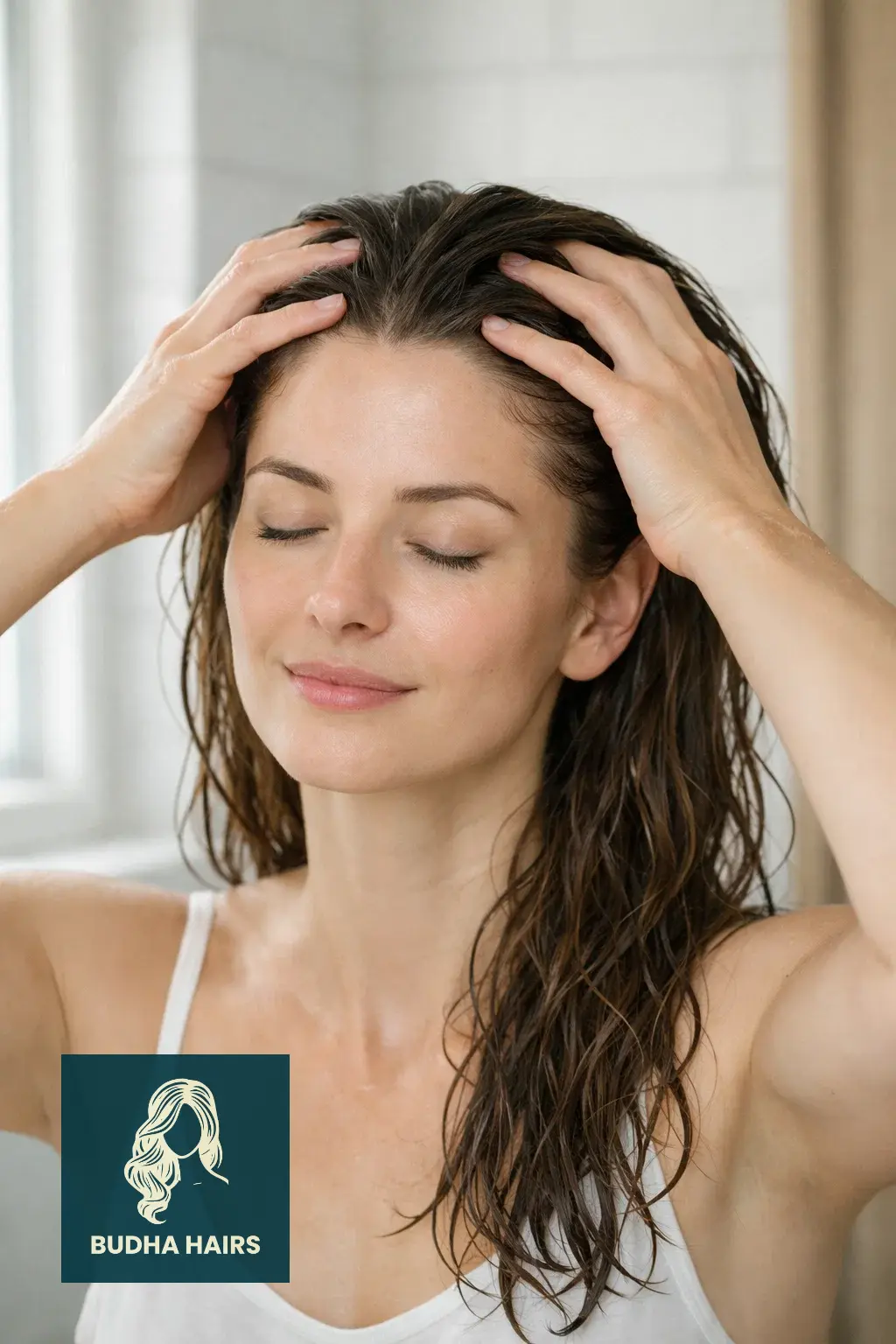
3. Incorporate a Scalp Massage
Mechanical stimulation is a powerful, zero-cost treatment to stop shedding. Spending 4 minutes daily massaging your scalp moves the skin over the skull, which increases blood flow to the hair papilla (the root). This surge of blood brings oxygen and nutrients directly to the follicle, which can “wake up” lazy roots and prolong the growth phase. Use the pads of your fingers or a silicone massager in circular motions, ensuring you are moving the scalp, not just rubbing the hair.
4. Use Rosemary Oil Treatments
Recent studies have suggested that Rosemary Oil can be as effective as 2% Minoxidil in promoting hair retention and growth by improving circulation and blocking DHT (a hormone that shrinks follicles). Mix a few drops of high-quality Rosemary essential oil with a carrier oil like Jojoba or Pumpkin Seed oil and massage it into your scalp before wash day. Leave it on for at least 30 minutes to allow the active compounds to penetrate the dermis and support follicle health.

Supporting hair from the inside is equally important. Incorporating Vitamins for Thinning Hair for Women provides essential nutrients to reduce shedding and promote stronger, healthier growth.
5. Switch to a Gentle, Sulfate-Free Shampoo
When you are shedding, your hair anchor is weak, meaning aggressive washing can pull out hairs that weren’t ready to fall. Switch to a sulfate-free, pH-balanced shampoo that cleanses without stripping the scalp’s natural oils. Sulfates can be harsh irritants that inflame the scalp, worsening the shedding. A gentler formula preserves the lipid barrier of the scalp, keeping the skin supple and the follicle secure.

6. Managing Stress (The Cortisol Connection)
High levels of Cortisol (the stress hormone) are a known hair killer. Cortisol degrades the proteoglycans in the skin—components that help anchor the hair shaft. To stop stress-induced shedding, you must actively lower cortisol through lifestyle changes like adequate sleep, meditation, or light exercise. Adaptogenic herbs like Ashwagandha have also shown promise in clinical studies for lowering cortisol levels and subsequently reducing hair fall in stressed individuals.

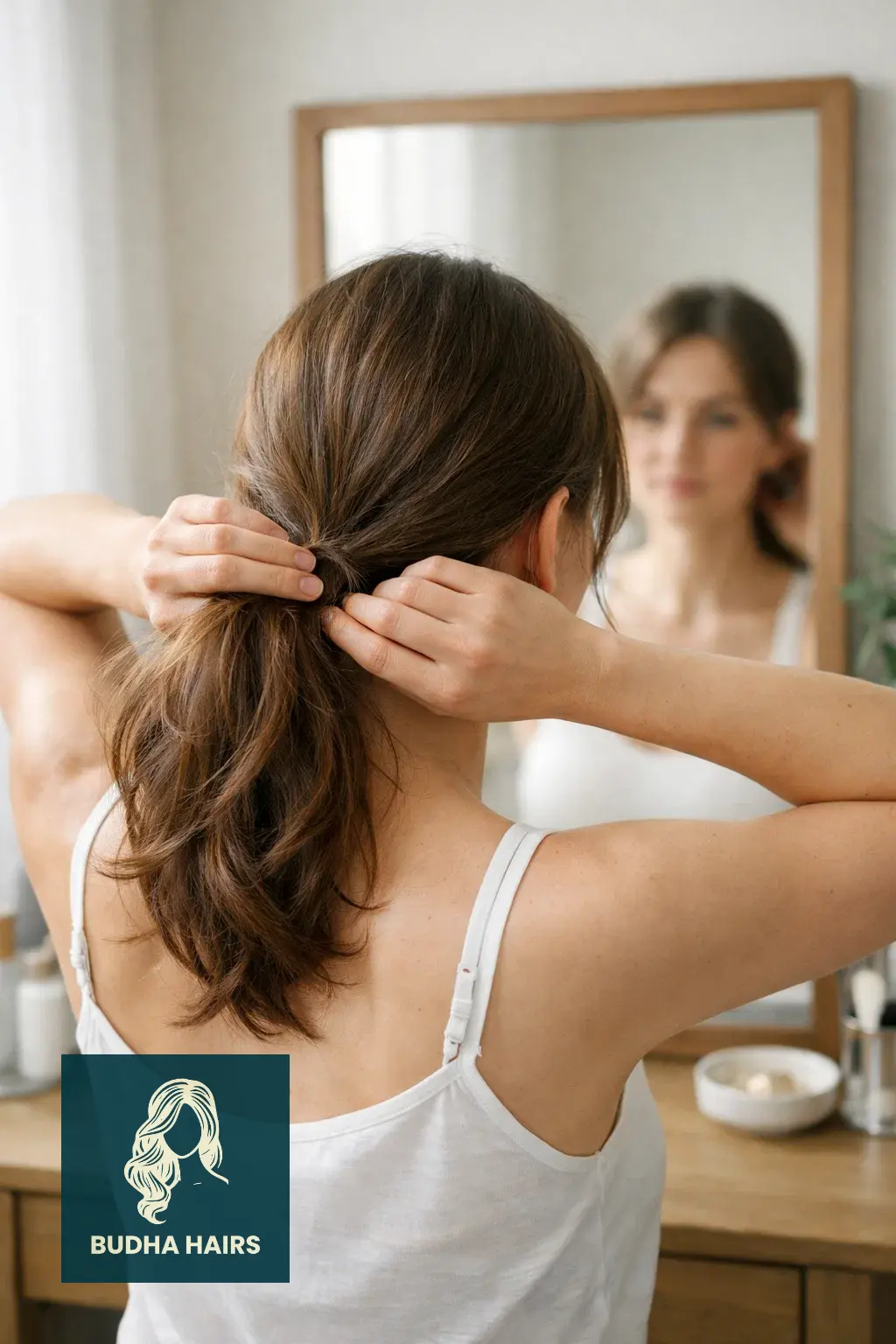
7. Avoid “Traction” and Tight Styles
While you are experiencing a shed, your follicles are in a fragile state. Placing constant tension on them with tight ponytails, heavy buns, or hair extensions can accelerate the loss, turning temporary shedding into permanent Traction Alopecia. Wear your hair down, use claw clips instead of elastic bands, and switch to silk scrunchies. Giving your follicles a “rest” from mechanical tension allows them to recover and re-anchor the hair shaft firmly.
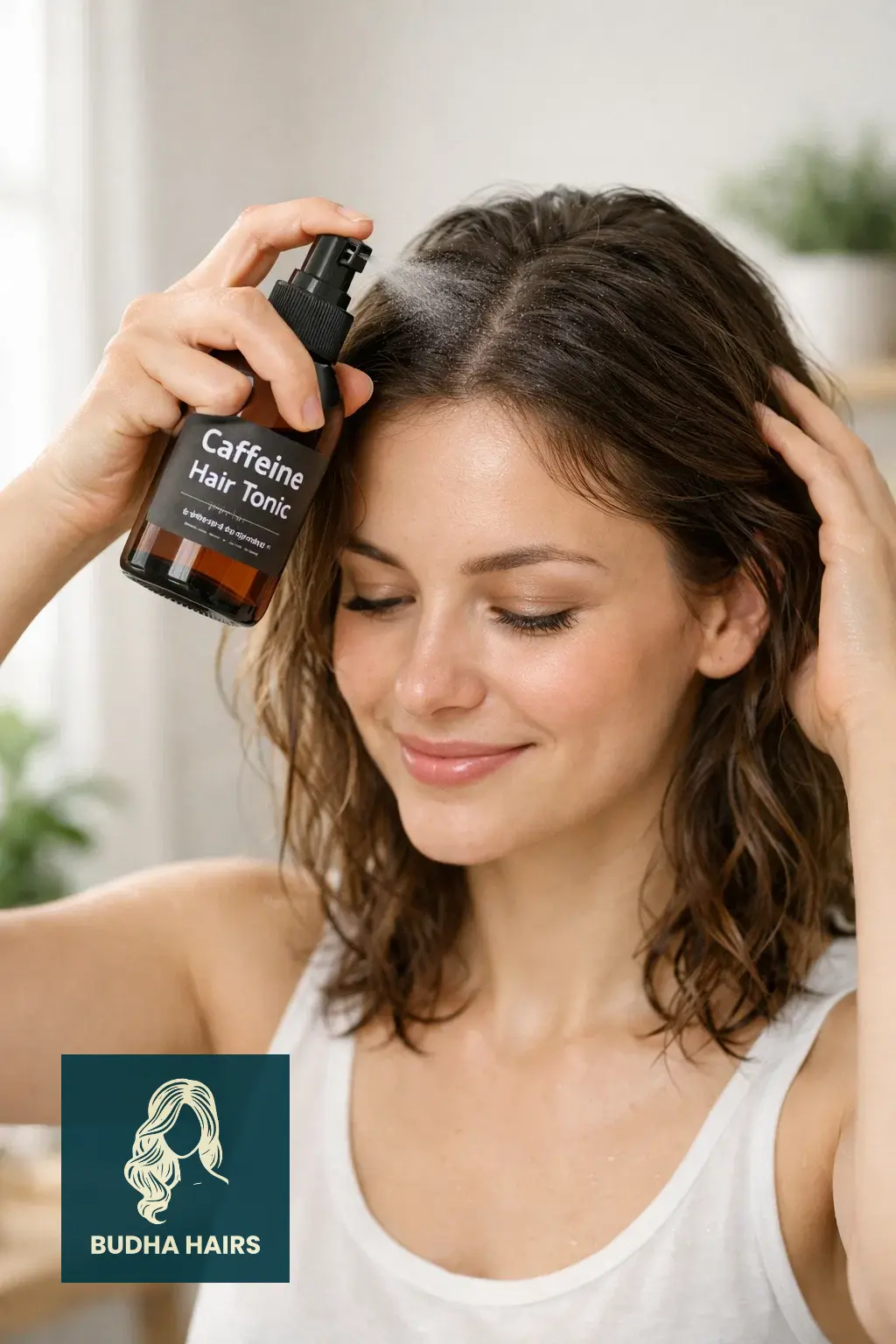
8. Try a Caffeine-Infused Tonic
Caffeine is a vasoconstrictor when ingested, but when applied topically, it has been shown to penetrate the hair follicles and stimulate the roots. It helps to counteract the effects of DHT and prolongs the Anagen (growth) phase. Look for scalp tonics or shampoos that list caffeine high on the ingredient list and massage them directly into the scalp. This energy boost can help keep follicles active rather than sliding into the resting phase.
9. Weekly Clarifying for Scalp Health
If your follicles are clogged with sebum, dry shampoo, and styling polymers, they cannot function optimally. Once a week, use a clarifying shampoo or an exfoliating scalp scrub to remove this buildup. This “detox” ensures that the hair follicle opening is clear, allowing for unobstructed growth and better absorption of any topical treatments or serums you are using to fight the shedding.

10. Supplement with Saw Palmetto (If Hormonal)
If your shedding is related to hormonal imbalances (like PCOS or menopause), Saw Palmetto is a natural supplement that may help. It works by inhibiting the enzyme 5-alpha-reductase, which converts testosterone into DHT—the molecule responsible for shrinking hair follicles. By blocking this conversion, Saw Palmetto can help preserve the thickness and longevity of the hair strand, particularly in cases of androgenic alopecia or hormonal thinning.

Chemical treatments or uneven care can also make hair more fragile. Following tips from How to Fix Uneven Hair Color ensures strands remain vibrant and resilient, minimizing additional stress that could cause shedding.
11. Protect Hair from UV Radiation
UV rays damage the proteins in the hair shaft and can induce oxidative stress in the scalp skin, triggering shedding. If you spend significant time outdoors, protect your scalp by wearing a hat or using a hair sunscreen. This prevents the “sunburn” effect on the scalp, which causes inflammation and signals the follicles to shed the damaged hair. Preserving the scalp’s integrity is preserving the hair’s home.
12. Be Patient with the Cycle
Finally, understanding the timeline is crucial to stopping the panic. Because the hair cycle is slow, any positive change you make today (diet, supplements, stress reduction) will take about three months to show results in reduced shedding. Do not give up on a treatment after two weeks. Consistency is the only way to signal to the body that the “danger” has passed and it is safe to return to the Anagen growth phase.
Conclusion
Stopping hair shedding is rarely about a single miracle product; it is about creating a fertile environment for growth, both inside your body and on your scalp. By addressing internal deficiencies like Ferritin and Vitamin D, reducing mechanical stress on the roots, and utilizing topical stimulants like Rosemary oil or Caffeine, you can arrest the Telogen Effluvium cycle. Remember that hair health is a reflection of overall health; treat your body with rest, nutrition, and care, and your hair will naturally follow suit, returning to its optimal density and strength.

I’m Budha Styler, a hair enthusiast who loves creating beautiful, confidence-boosting looks that feel true to who you are. I’m passionate about exploring new trends, techniques, and textures, and I enjoy turning that knowledge into simple, inspiring ideas anyone can try. Through my work, I hope to help you express your unique style, feel amazing in your own hair, and discover everyday looks that make you shine.


