Hair breakage at the crown is one of the most frustrating and visible hair issues, often manifesting as short, spiky strands that refuse to lay flat or blend with the rest of your mane. This specific area of the head is uniquely vulnerable due to its positioning; it is the “highest point” exposed to environmental damage and serves as the anchor point for many common hairstyles. Addressing breakage here requires a targeted approach that goes beyond general hair care, focusing on relieving tension and restoring the structural integrity of the hair shaft.
Identifying the Root Causes
This guide explores the biological and mechanical causes of crown breakage and provides actionable, high-impact remedies to stop the damage and encourage healthy regrowth.
The Impact of Tension and Styling
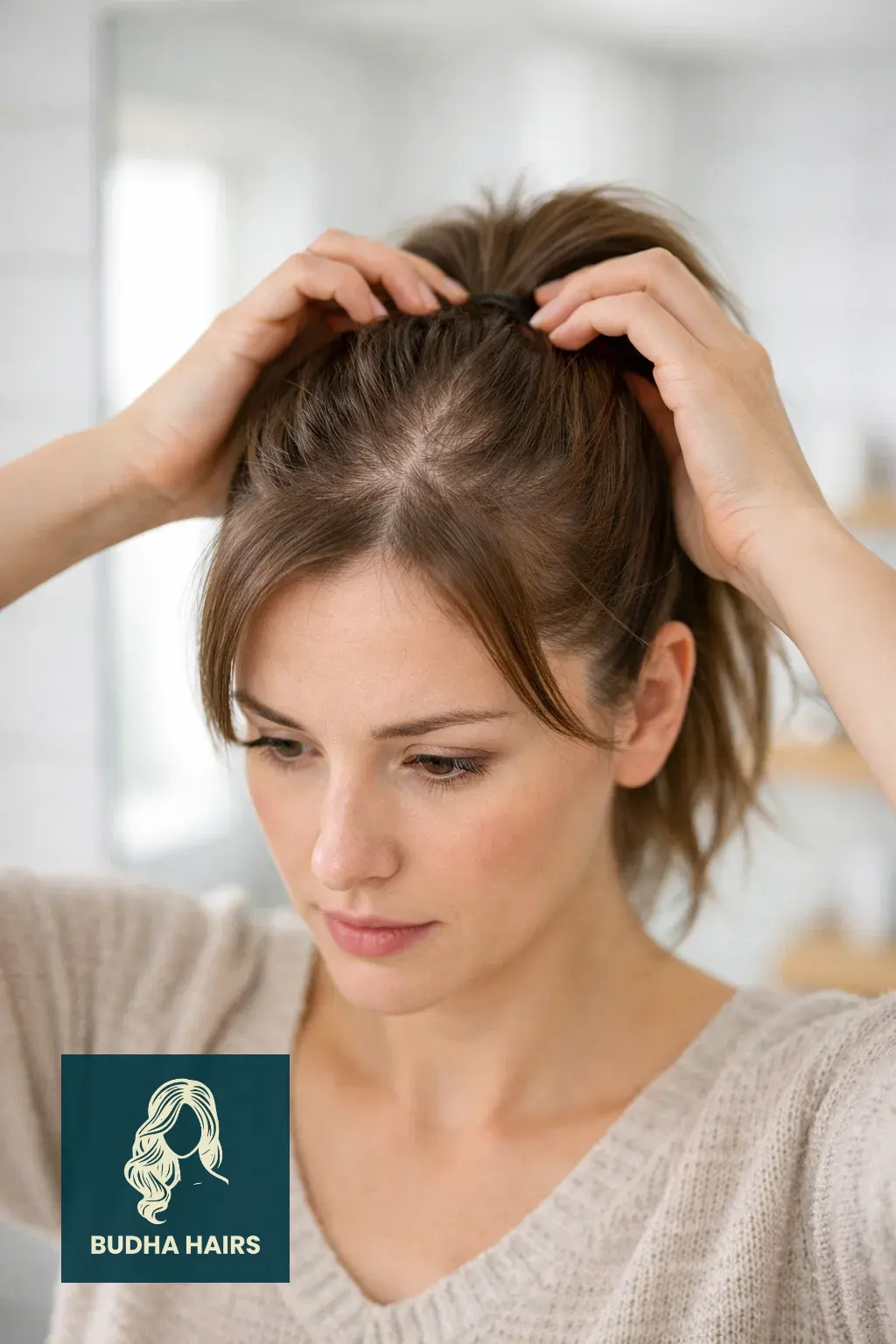
The most prevalent cause of breakage at the crown is mechanical stress caused by tight hairstyles, a condition often referred to as traction alopecia. High ponytails, messy buns, and tight braids often place the maximum amount of tension directly on the crown area, pulling the hair follicles at an aggressive angle. Over time, this constant pulling weakens the hair shaft where the elastic is secured, causing it to snap precisely at the crown, leaving behind those tell-tale broken tufts. Furthermore, the friction from elastic bands—especially those with metal clasps—can saw through the delicate hair fibers if the style is worn daily, creating a cycle of breakage that mimics slow growth.
Environmental and Physical Exposure
Unlike the hair at the nape of your neck or behind your ears, the hair at the crown is constantly exposed to the harshest environmental elements, including direct UV radiation and pollution. This direct exposure to the sun breaks down the protein structure (keratin) of the hair, leading to dryness, brittleness, and a significant loss of elasticity that makes the hair prone to snapping. Additionally, the crown is the area that suffers the most friction while you sleep; cotton pillowcases act like an abrasive surface, rubbing against the crown as you toss and turn, which slowly erodes the cuticle layer night after night.
- Primary Triggers of Damage:
- High Tension Styles: Repetitive high buns and ponytails stress the crown roots.
- UV Damage: Direct sunlight dries out the crown faster than other sections.
- Sleeping Friction: Cotton surfaces snag and break hair at the highest contact point.
Targeted Remedies and Treatments
Now, let’s explore targeted remedies and treatments. By focusing on specific hair or scalp concerns—like dryness, breakage, or thinning—you can apply precise solutions that restore health and improve overall hair condition.
Changing Your Styling Habits
The most immediate remedy to stop hair breakage at the crown is to drastically alter your styling rotation to low-manipulation looks that relieve pressure on this sensitive area. You must alternate the placement of your ponytails and buns—wearing them low at the nape one day and loose at the side the next—to ensure that no single area bears the burden of tension for too long. If you must tie your hair up, switch to satin scrunchies or spiral telephone-cord hair ties, which distribute pressure more evenly and slide out of the hair without snagging. This simple mechanical adjustment allows the weakened hair at the crown to recover without being subjected to the daily stress that caused the initial snap.
Learning how to stop hair breakage at the crown requires gentle handling, protective styling, and proper nourishment. Maintaining healthy strands helps improve styling results, including tips from How to Make Your Hair Hold a Curl, which keeps hair strong while holding shape.
Deep Conditioning and Protein Balance
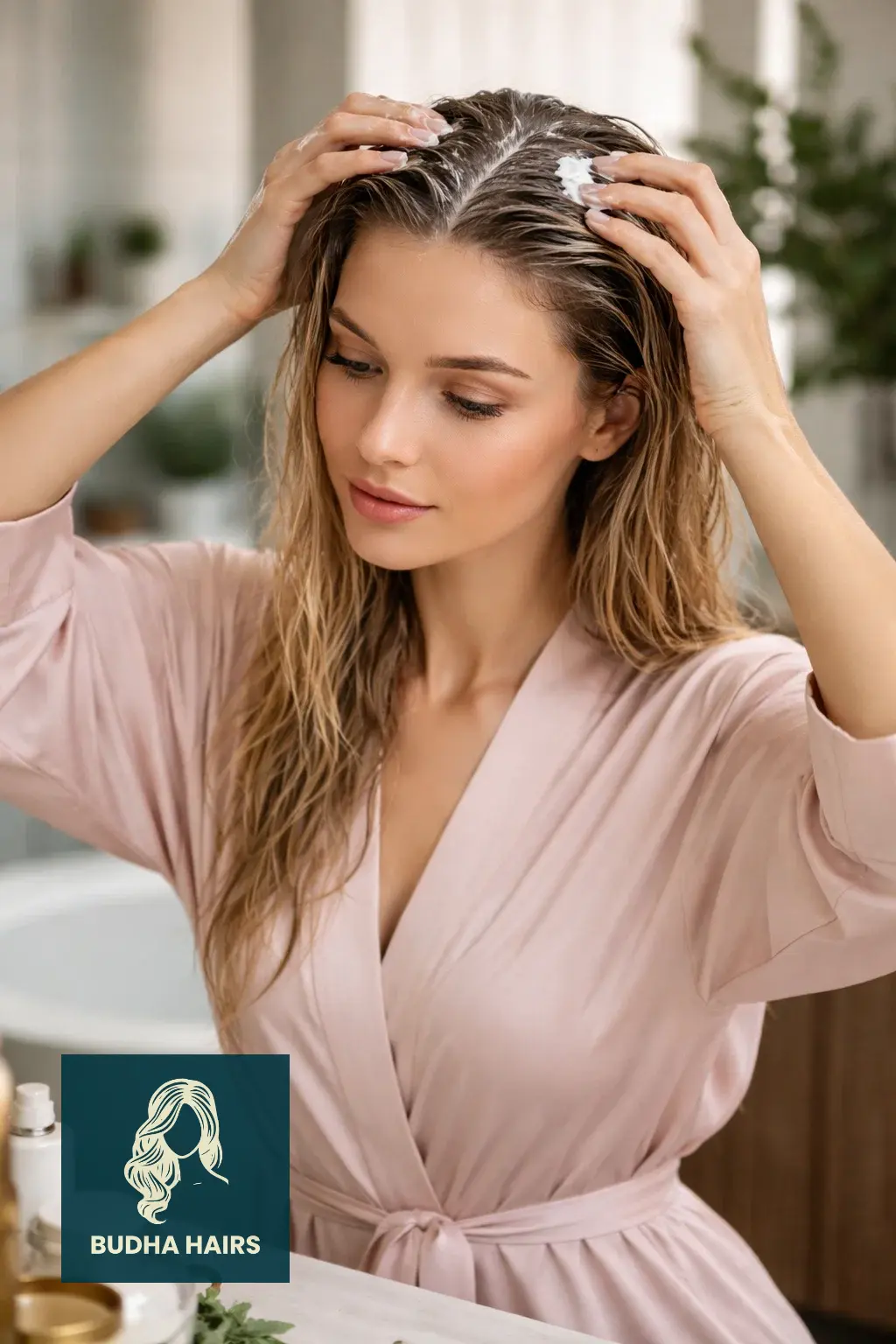
To repair the existing damage, you must implement a rigorous deep conditioning routine that targets the crown specifically, as this area is often inadvertently neglected during product application. You should alternate between moisture-rich masks to restore elasticity and protein-based treatments to rebuild the weakened keratin structure of the hair shaft. When applying these treatments, section your hair and ensure the crown is fully saturated, massaging the product in gently to encourage absorption into the low-porosity areas often found at the top of the head. This balance of moisture and strength prevents the hair from snapping when it is manipulated or brushed.
- Restoration Steps:
- Rotate Styles: Never wear the same ponytail placement two days in a row.
- Targeted Application: Apply extra conditioner specifically to the crown section.
- Protein Treatments: Use monthly to reinforce the structural integrity of the shaft.
Protective Measures for Long-Term Health
The Importance of Nighttime Protection
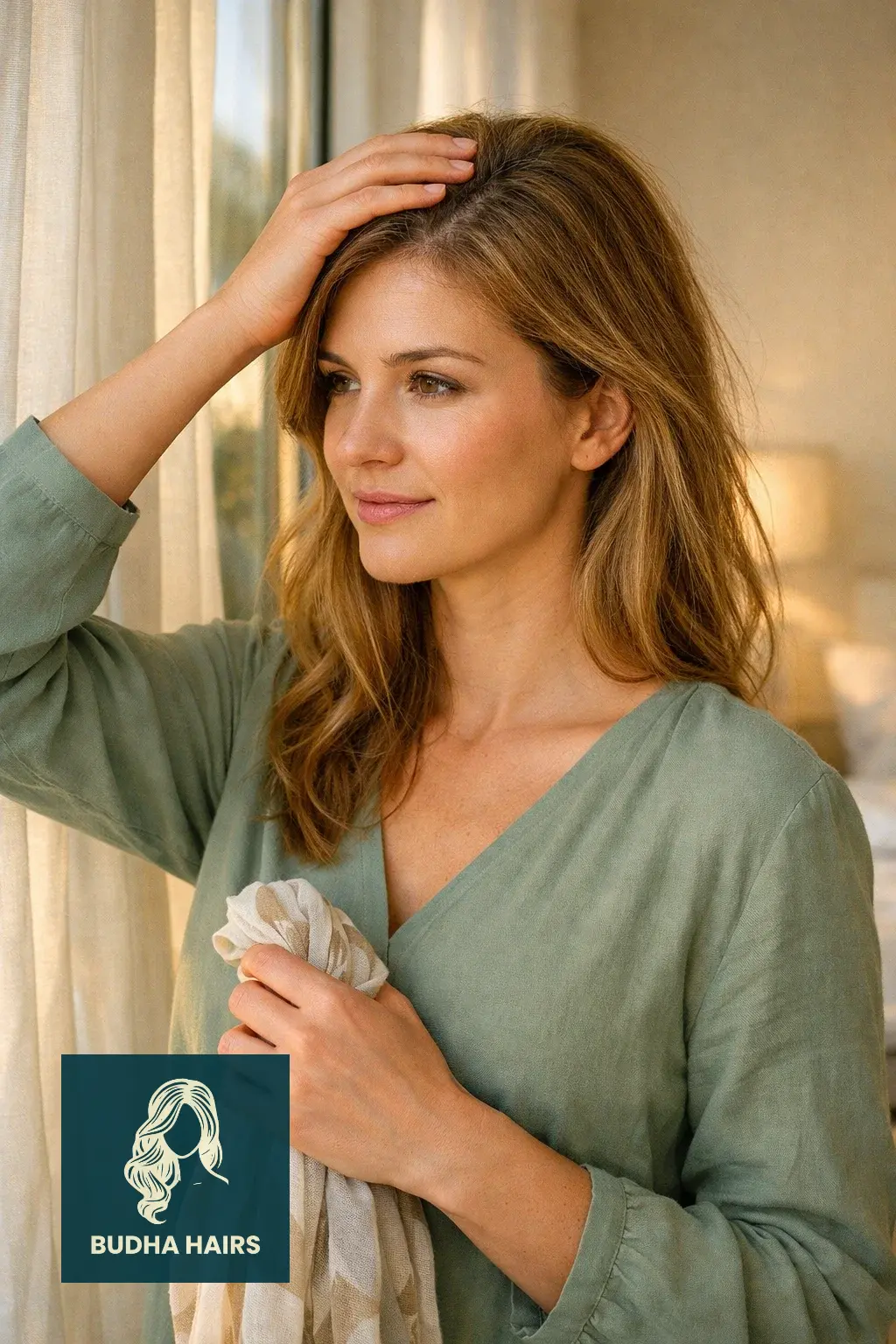
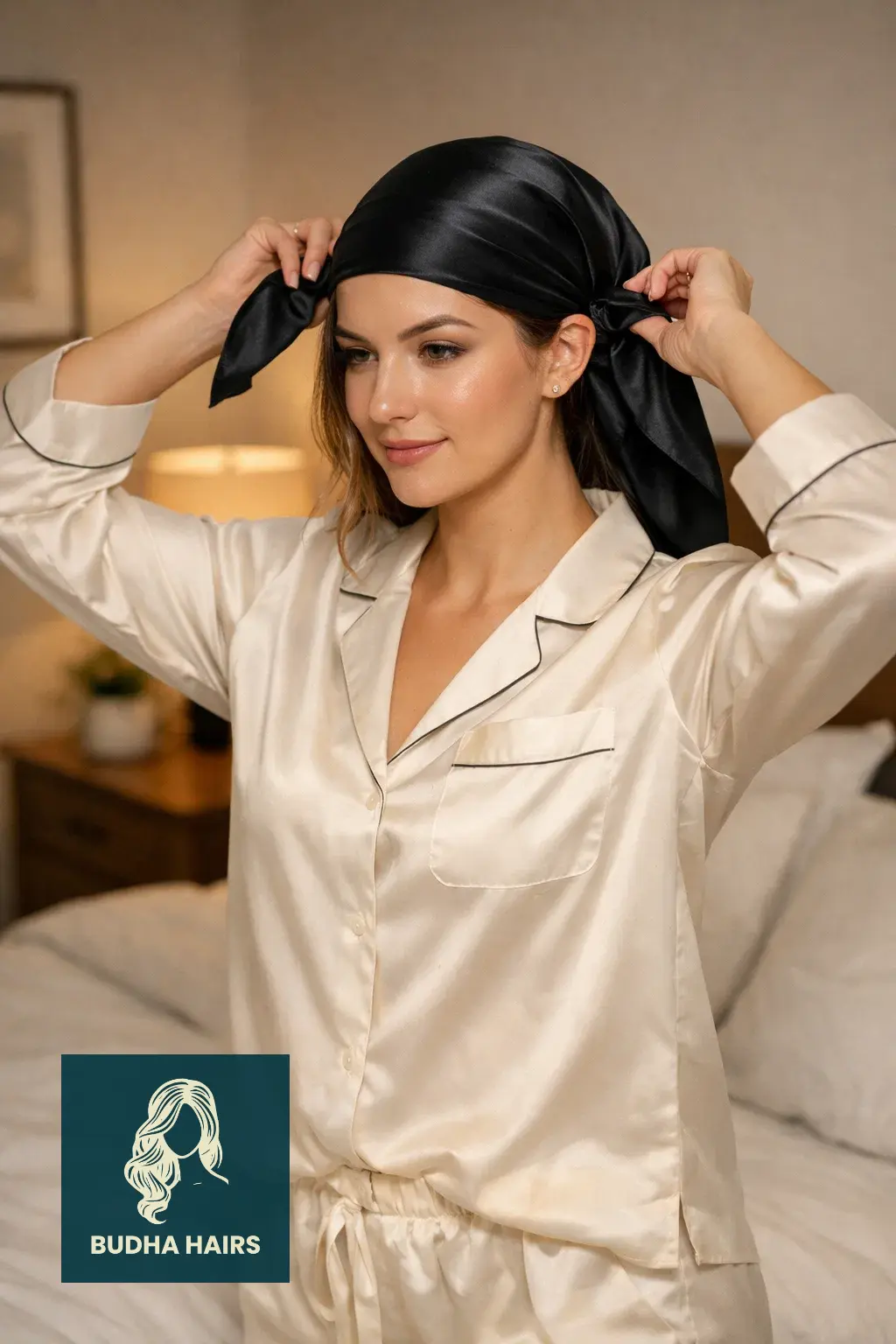
Since the crown is the primary point of contact with your pillow, upgrading your nighttime routine is non-negotiable for stopping breakage and retaining length in this area. You should invest in a high-quality silk or satin pillowcase, which provides a slippery surface that allows hair to glide rather than snag, drastically reducing friction-induced breakage. Alternatively, wearing a satin bonnet or wrapping your hair in a silk scarf creates a physical barrier that protects the crown from rubbing against bedding and retains the hair’s natural oils. This singular habit is often the missing link for those who treat their hair well during the day but unknowingly damage it for eight hours every night.
Proper Detangling Techniques
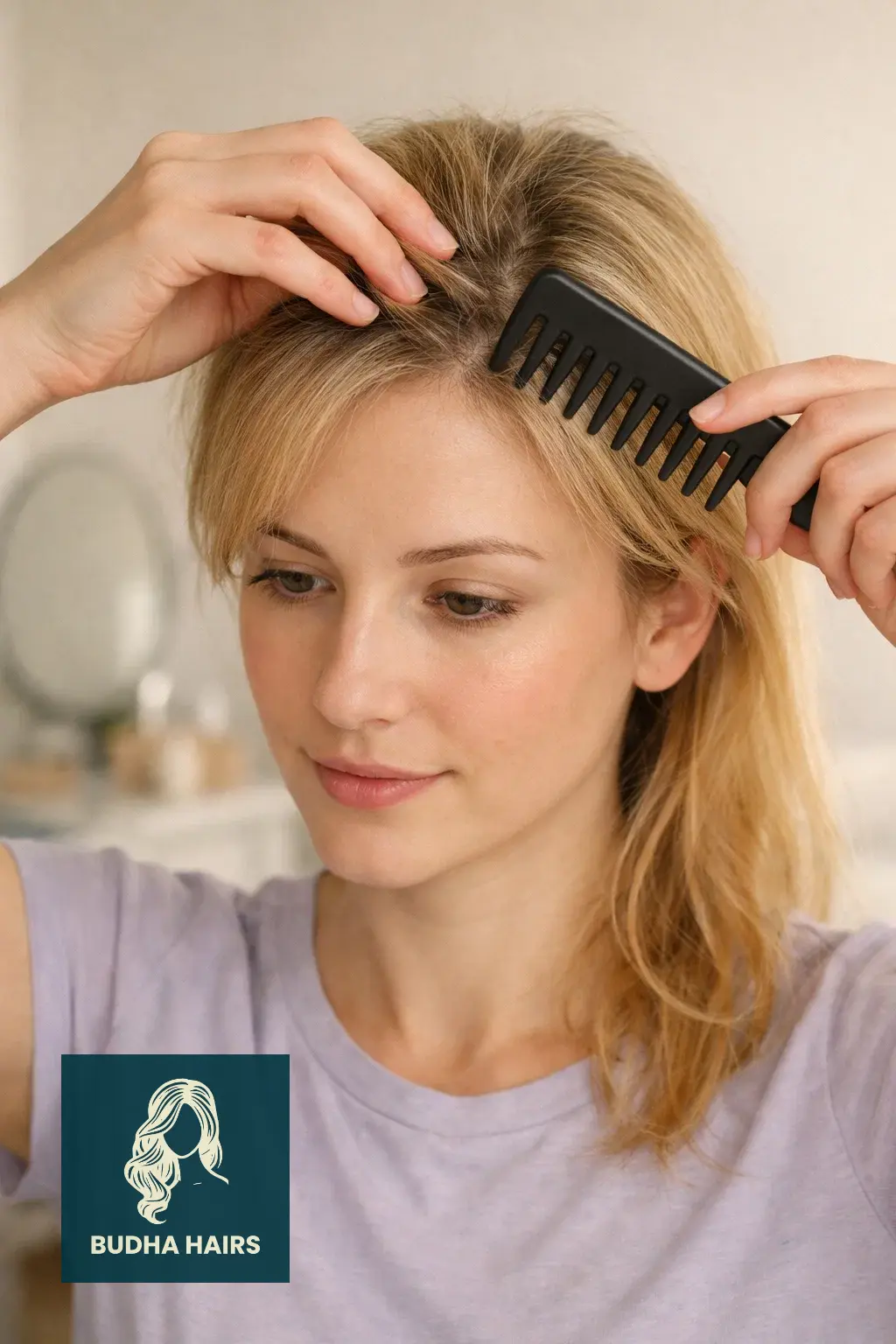
How you detangle your hair can make or break the fragile strands at the crown, so you must adopt a gentle, bottom-up approach to removing knots. Never drag a brush aggressively from the roots down, as the crown hair is often more tangled due to its exposure and texture; instead, work in small sections starting from the ends. Utilizing a flexible-bristle brush or a wide-tooth comb ensures that when you encounter a snag, the tool gives way rather than the hair snapping. Additionally, keeping the hair moisturized with a daily leave-in spray before detangling adds necessary slip, minimizing the mechanical force required to smooth out the style.
- Protection Checklist:
- Silk/Satin Surfaces: Essential for reducing friction while sleeping.
- Gentle Tools: Use flexible brushes that don’t rip through tangles.
- Hydration First: Always apply a spray or cream before attempting to detangle.
Breakage often makes hair appear frizzy and difficult to manage. Understanding Why Does My Hair Dry Frizzy helps you address moisture and texture issues that reduce damage and improve overall hair health.
Conclusion
Stopping hair breakage at the crown is not an overnight fix, but rather a result of consistent, gentle care and the elimination of mechanical stressors. By identifying the specific habits that cause tension—such as tight ponytails and rough sleeping surfaces—and replacing them with protective styling and targeted hydration, you can reverse the damage. As you implement these changes, you will notice the short, spiky hairs at the crown beginning to grow out and blend seamlessly with the rest of your lengths. Patience and a delicate touch are your best tools in this journey, transforming a fragile trouble spot into a strong, healthy focal point of your hair.

I’m Budha Styler, a hair enthusiast who loves creating beautiful, confidence-boosting looks that feel true to who you are. I’m passionate about exploring new trends, techniques, and textures, and I enjoy turning that knowledge into simple, inspiring ideas anyone can try. Through my work, I hope to help you express your unique style, feel amazing in your own hair, and discover everyday looks that make you shine.


