
How to Prevent Hair Breakage is a vital goal for anyone who wants to maintain the length, thickness, and overall health of their mane. We often notice that our hair starts to feel thinner or looks “frizzier” at the ends, but this is frequently not a growth issue—it is actually a sign that the hair is snapping off due to mechanical or chemical stress. I have found that the hair is most vulnerable when it is wet or over-processed, and even the smallest habits can lead to significant damage over time. By learning the right techniques to handle your strands, you can stop the cycle of splitting and ensure that every inch of hair you grow stays strong and intact.
In our experience, the secret to resilient hair lies in protecting the cuticle and maintaining a perfect balance of hydration. I have noticed that many people treat their hair too roughly during their daily routine, which leads to “micro-tears” that eventually cause the strand to break completely. By incorporating smart protective measures like silk accessories, protein-rich masks, and gentle detangling, you can shield your hair from the environment and your styling tools. Throughout this guide, we will explore 10 common reasons why your hair might be snapping and provide 10 essential tips to fix the problem. We want to help you achieve the long, strong, and beautiful hair you deserve, so let’s dive into the best ways to keep your strands from breaking.
How to Prevent Hair Breakage
In this article, we will discuss Common Causes and Simple Fixes to help you understand why your hair is snapping and how to achieve a stronger, more resilient result using proven methods.
10 Common Causes of Hair Breakage
- High-Heat Styling: Frequent use of blow dryers and irons “melts” the hair’s protective layer, making it brittle.
- Chemical Over-Processing: Repeated bleaching or perming destroys the internal structure of the hair, leading to “mushy” breakage.
- Mechanical Friction: Rubbing hair against cotton pillowcases or rough towels “roughs up” the cuticle and causes snaps.
- Tightly Bound Hairstyles: High ponytails and tight braids put constant tension on the strands, pulling them until they break.
- Brushing Wet Hair: Hair is most elastic and fragile when wet, so aggressive brushing leads to instant snapping.
- Lack of Moisture: Dehydrated hair loses its flexibility, making it act like dry straw that breaks under the slightest pressure.
- Poor Nutrition: A diet lacking in iron, zinc, and protein prevents the body from building a strong hair shaft.
- Internal Dehydration: Not drinking enough water leaves the hair fiber “thirsty” and much more prone to environmental damage.
- Using the Wrong Accessories: Metal-clasped elastics and cheap plastic brushes “saw” through the hair over time.
- Environmental Stress: Constant exposure to harsh sun, wind, and pollution weakens the hair’s outer defense.
10 Essential Tips to Prevent Hair Breakage
1. Detangle Gently with a Wide-Tooth Comb
One of the most important ways to follow the guide on How to Prevent Hair Breakage is to change how you brush. I recommend using a wide-tooth comb and starting from the very ends of your hair, slowly working your way up to the roots. This prevents you from creating a large knot that you have to “pull” through, which is a major cause of mechanical breakage.
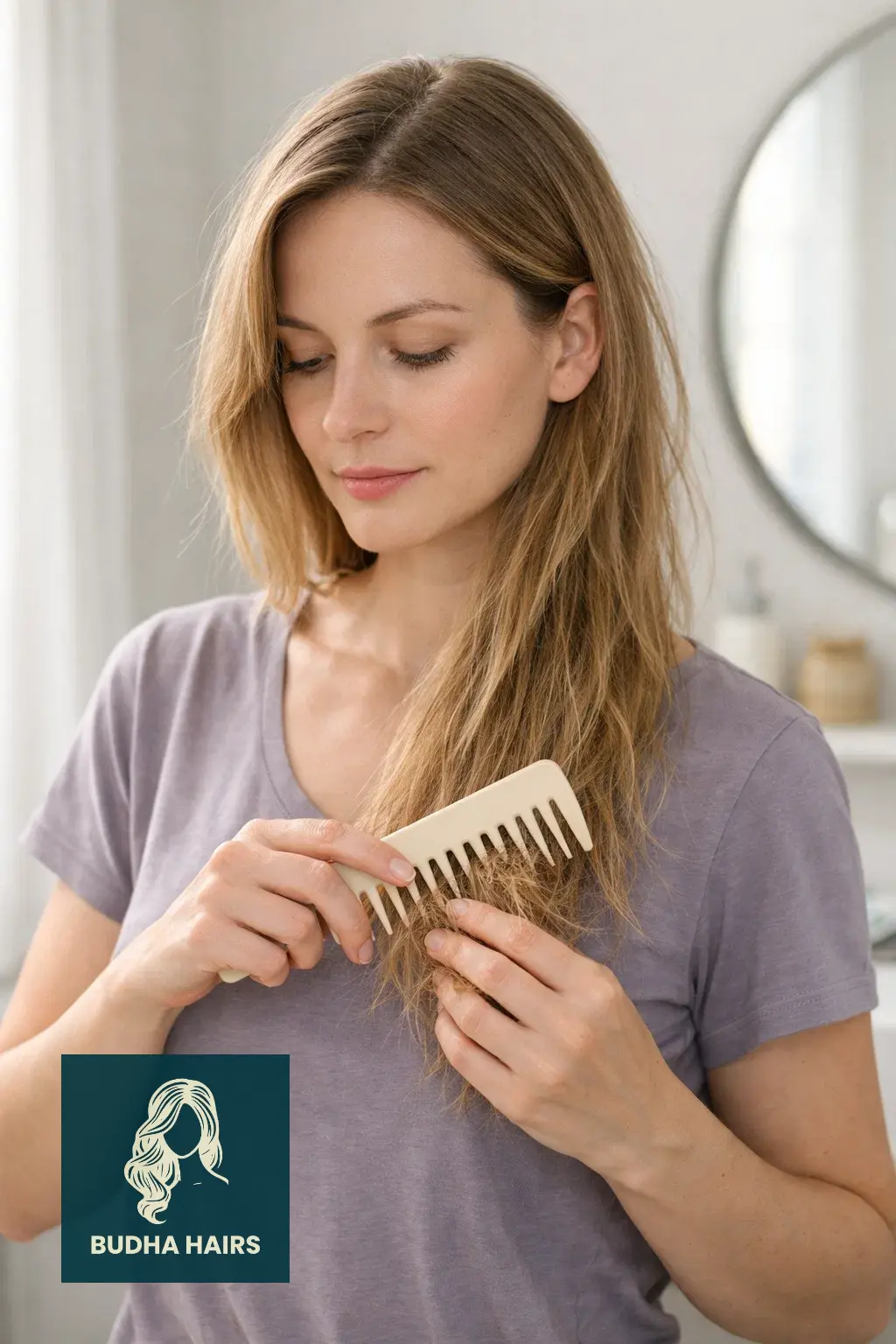
Learning how to prevent hair breakage starts with gentle handling, proper hydration, and minimizing tension on strands. Even styled looks inspired by Pirate Hairstyles for Men benefit from healthy hair foundations to maintain texture without damage.
2. Switch to Silk or Satin Pillowcases
Cotton pillowcases are surprisingly rough on your hair, creating friction that leads to tangles and snaps overnight. I have noticed that switching to a silk pillowcase allows your hair to glide smoothly while you sleep. This is an effortless way to keep your hair smooth and protect the hair cuticle from damage for eight hours every night.

3. Use Microfiber Towels for Drying
Ditch the heavy, scratchy cotton towels that cause frizz and breakage when you rub your hair dry. I suggest gently squeezing the water out with a microfiber hair towel or an old cotton t-shirt. This “plopping” method keeps the hair shaft intact and prevents the friction that leads to thinning ends and flyaways.

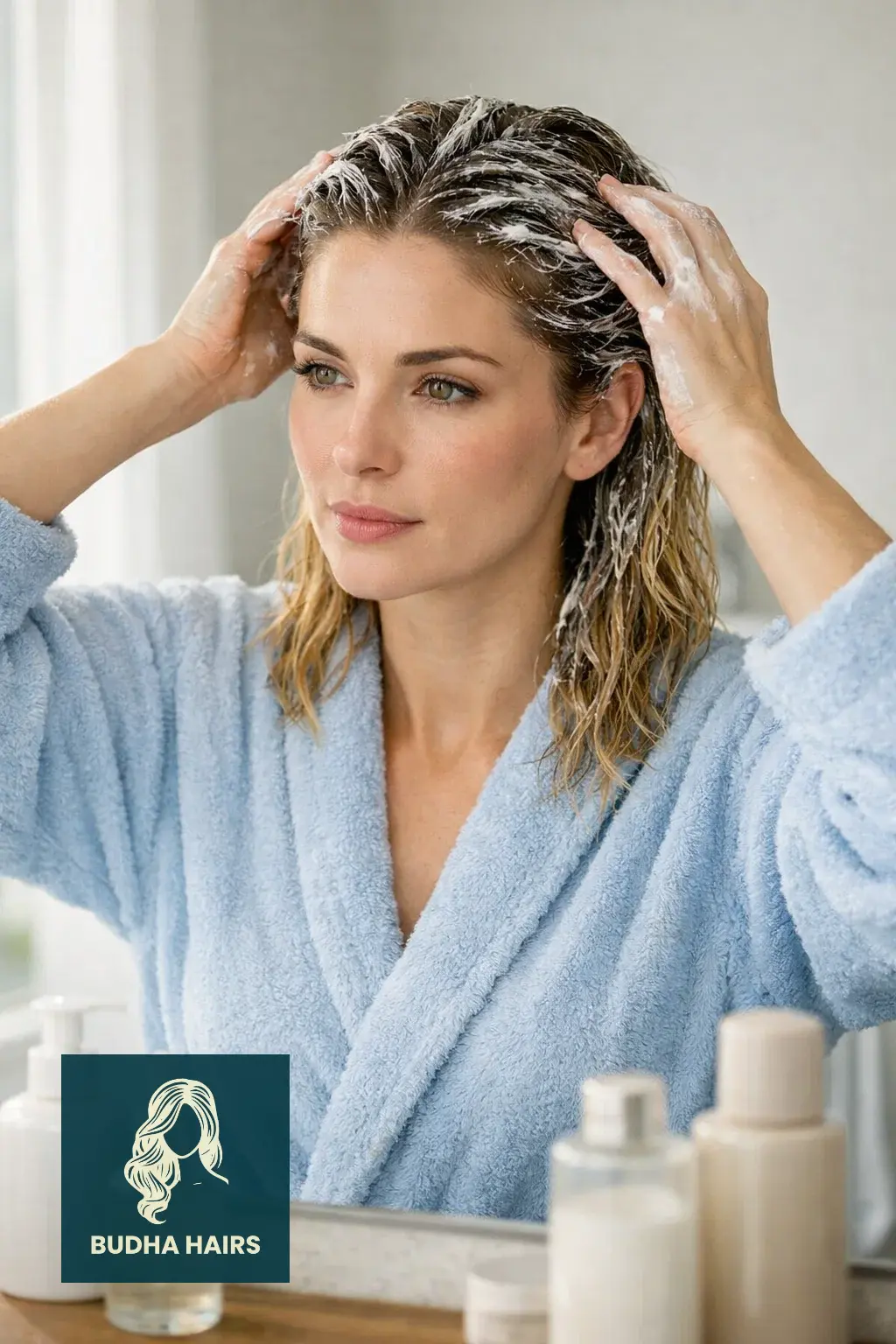
4. Apply a Weekly Protein Treatment
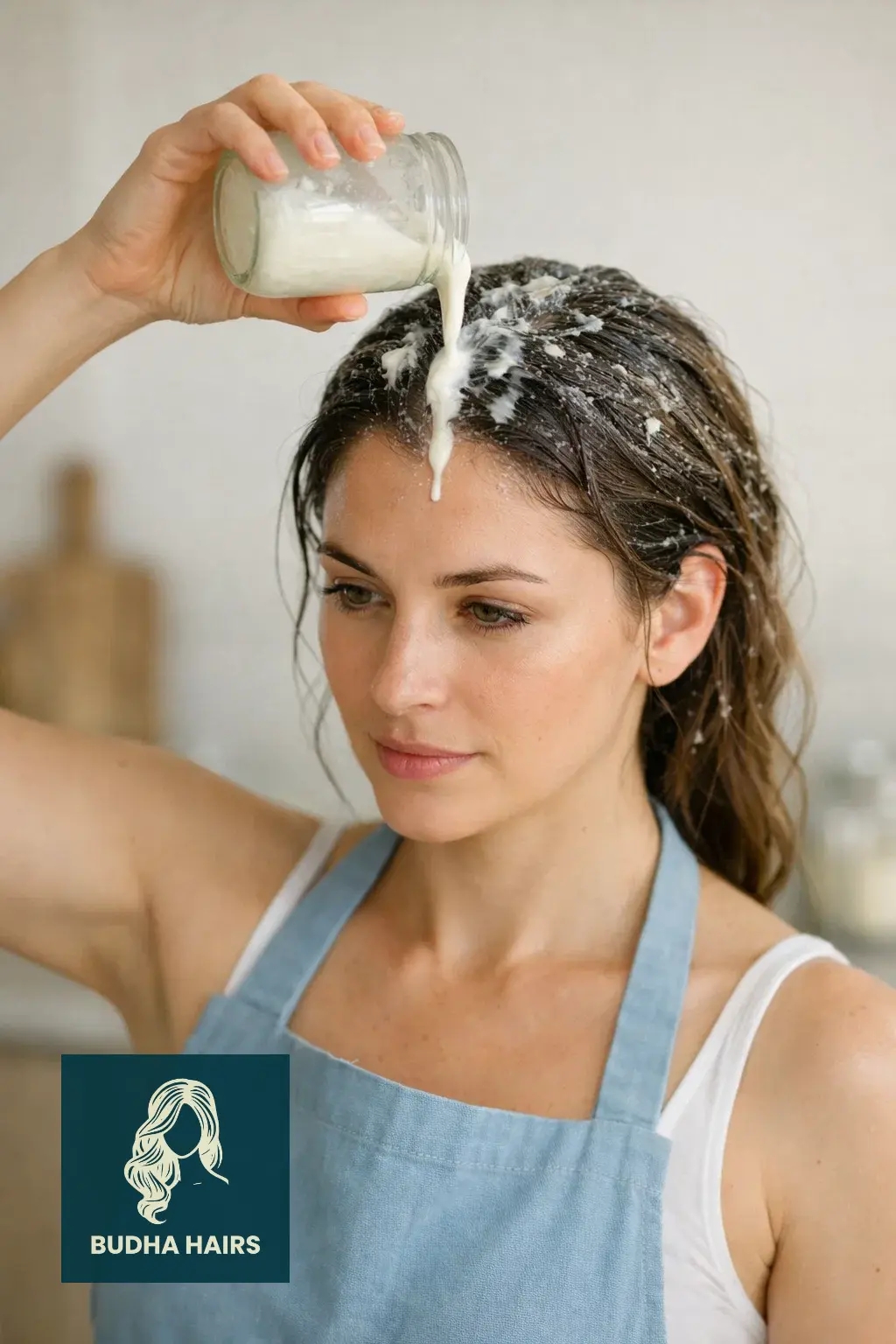
Since hair is made of protein, adding a strengthening mask once a week is a proven fix. I recommend look for products with hydrolyzed keratin or making a DIY egg mask to help fill in the gaps in your hair’s structure. This makes the hair much more “solid” and resilient against daily styling and environmental stress.
5. Lower the Temperature on Styling Tools
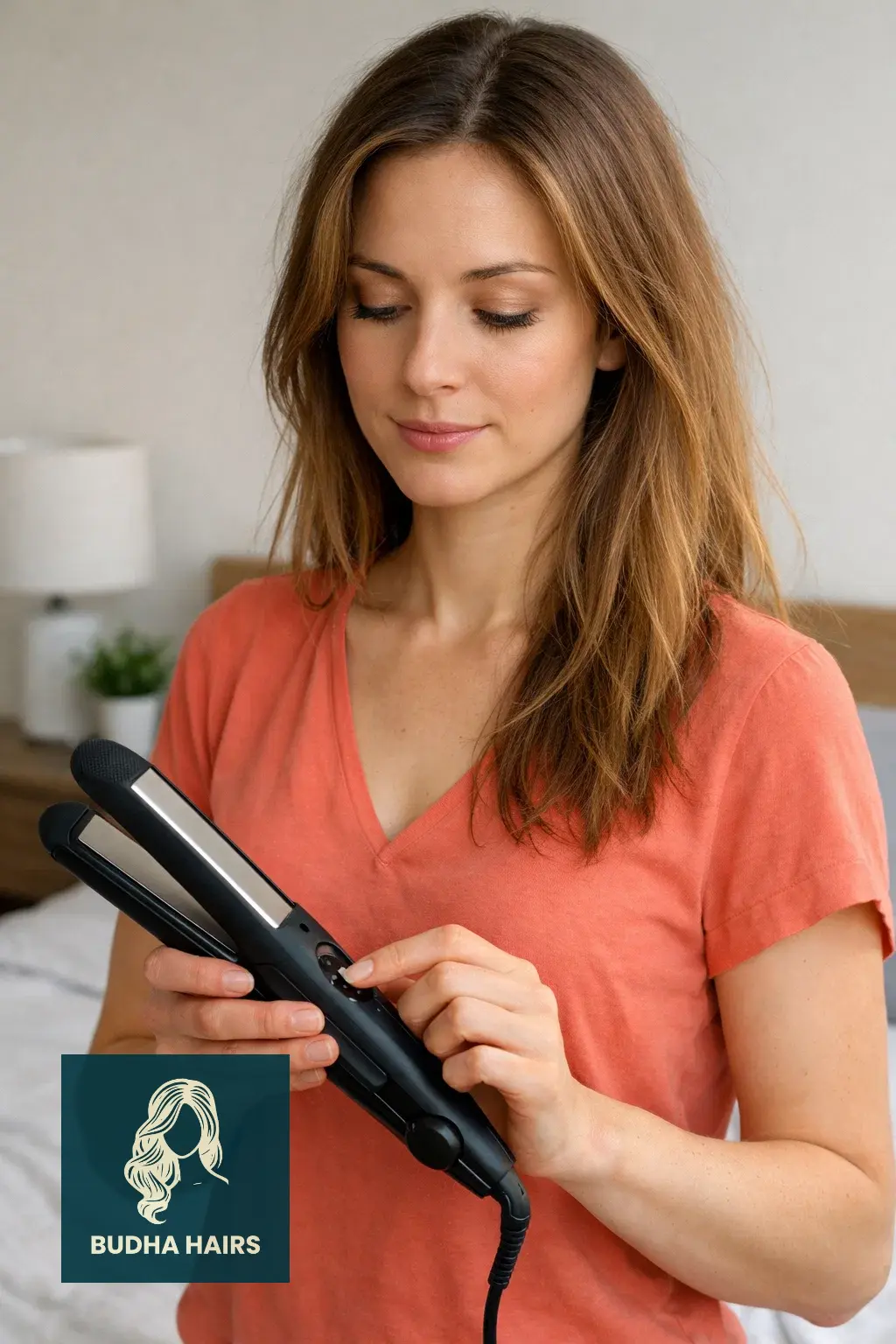
If you can’t live without your flat iron, at least turn down the heat to under 350°F. I have found that excessive heat is the number one cause of thermal hair damage, which makes the hair snap easily. Always apply a heat protectant spray before any styling to create a shield between the tool and your delicate strands.
6. Opt for “Ouch-Less” Hair Ties
Traditional rubber bands are a nightmare for your hair health because they catch and pull on individual strands. I suggest using silk scrunchies or spiral “telephone cord” hair ties that distribute pressure more evenly. This simple change reduces the “traction” that causes breakage around your ponytail area and keeps your hairline strong.

Breakage can also be caused by buildup or improper washing. Addressing issues like Sticky Hair After Washing helps keep hair clean, lightweight, and less prone to snapping.
7. Implement the “Seal the Ends” Technique
The ends of your hair are the oldest and most fragile part of the strand, so they need extra protection. I recommend applying a small amount of argan oil or jojoba oil to your ends every day to keep them hydrated and flexible. This prevents the hair from becoming so dry that it splits and breaks off, helping you retain your hair length.

8. Take a Break from Chemical Treatments
If your hair is already snapping, the best thing you can do is hit the “pause” button on bleach and dyes. I have noticed that giving your hair a 3–6 month break from chemicals allows the new, healthy growth to take over. This “rehab” period is essential for anyone trying to recover from over-processed hair damage naturally.

9. Finish Your Shower with a Cold Rinse
Temperature plays a big role in how your hair behaves; hot water opens the cuticle, while cold water seals it. I always recommend a thirty-second cold water rinse at the end of your shower to lock in moisture and flatten the hair shaft. This makes your hair look shinier and significantly reduces the chance of frizz and breakage.
10. Stay Hydrated and Eat for Growth
True hair strength starts from the inside out, so make sure you are feeding your hair the right nutrients. I suggest eating a diet rich in biotin, omega-3 fatty acids, and leafy greens to support the hair-building process. When your body is healthy and hydrated, your hair grows in much stronger and is naturally more resistant to snapping.

Frequent styling for themed events can stress the hair. Following ideas from Halloween Hairstyles for Men reminds you to balance creativity with protective care to avoid unnecessary breakage.
Pro Tips
To keep your hair from snapping and ensure it stays healthy, follow these expert tips:
- Don’t Over-Wash: Washing every day strips the natural sebum your hair needs for elasticity; try to aim for 2–3 times a week.
- Micro-Trims: Get a “dusting” trim every 10 weeks to remove split ends before they travel up the hair shaft and cause a break.
- Loose Styles: Try to wear your hair down or in a loose braid more often to give your scalp and strands a break from tension.
- Deep Condition: Use a deep-conditioning mask at least twice a month to keep the hair “plump” and hydrated.
- Sun Protection: Wear a hat during long days outside to prevent the sun from “bleaching” and weakening your hair.
FAQs
Conclusion
Learning How to Prevent Hair Breakage is a long-term commitment to being gentle and mindful of your hair’s needs. We believe that by understanding the common causes—from heat and chemicals to mechanical friction—you can make simple, effective changes that protect your crowning glory. The 10 tips we have explored, such as using silk accessories and natural oil treatments, are all designed to fortify your strands and keep them from snapping. Remember, the goal is to create a routine that prioritizes hair health over temporary style, ensuring that your hair remains thick, long, and full of life. We hope this guide inspires you to treat your hair with the care it deserves so you can enjoy the soft, resilient, and beautiful results for years to come!

I’m Budha Styler, a hair enthusiast who loves creating beautiful, confidence-boosting looks that feel true to who you are. I’m passionate about exploring new trends, techniques, and textures, and I enjoy turning that knowledge into simple, inspiring ideas anyone can try. Through my work, I hope to help you express your unique style, feel amazing in your own hair, and discover everyday looks that make you shine.


