Achieving bouncy, resilient curls that last from morning until night is often a battle against gravity, humidity, and your hair’s natural structure. Many people find their carefully styled ringlets falling flat within hours, not realizing that the longevity of a curl is determined long before the curling iron even touches the strand. The secret to holding a style lies in the preparation of the hair cuticle, the specific products used to create “grip,” and the technique used to cool and set the bond.
Understanding Why Curls Fall Flat
This guide explores the science behind why curls drop, provides ten actionable expert tips to lock them in, and offers solutions for even the most stubborn, stick-straight hair types.
The Science of Hair Bonds and Gravity
To understand why curls fall, you must first understand that changing your hair’s shape requires temporarily altering its internal hydrogen bonds using heat. When these bonds are heated, they become malleable, allowing the hair to take on the shape of the curling iron barrel; however, they only lock into that new shape once they have completely cooled. If you release a hot curl and let gravity pull on it before it has set, the bonds re-form in a stretched-out position, resulting in a loose wave that quickly straightens. Additionally, if the hair is too “slippery”—often due to natural oils or heavy conditioners—there is no surface friction to help the strands cling to one another and maintain the coiled structure.
Common Mistakes in Preparation
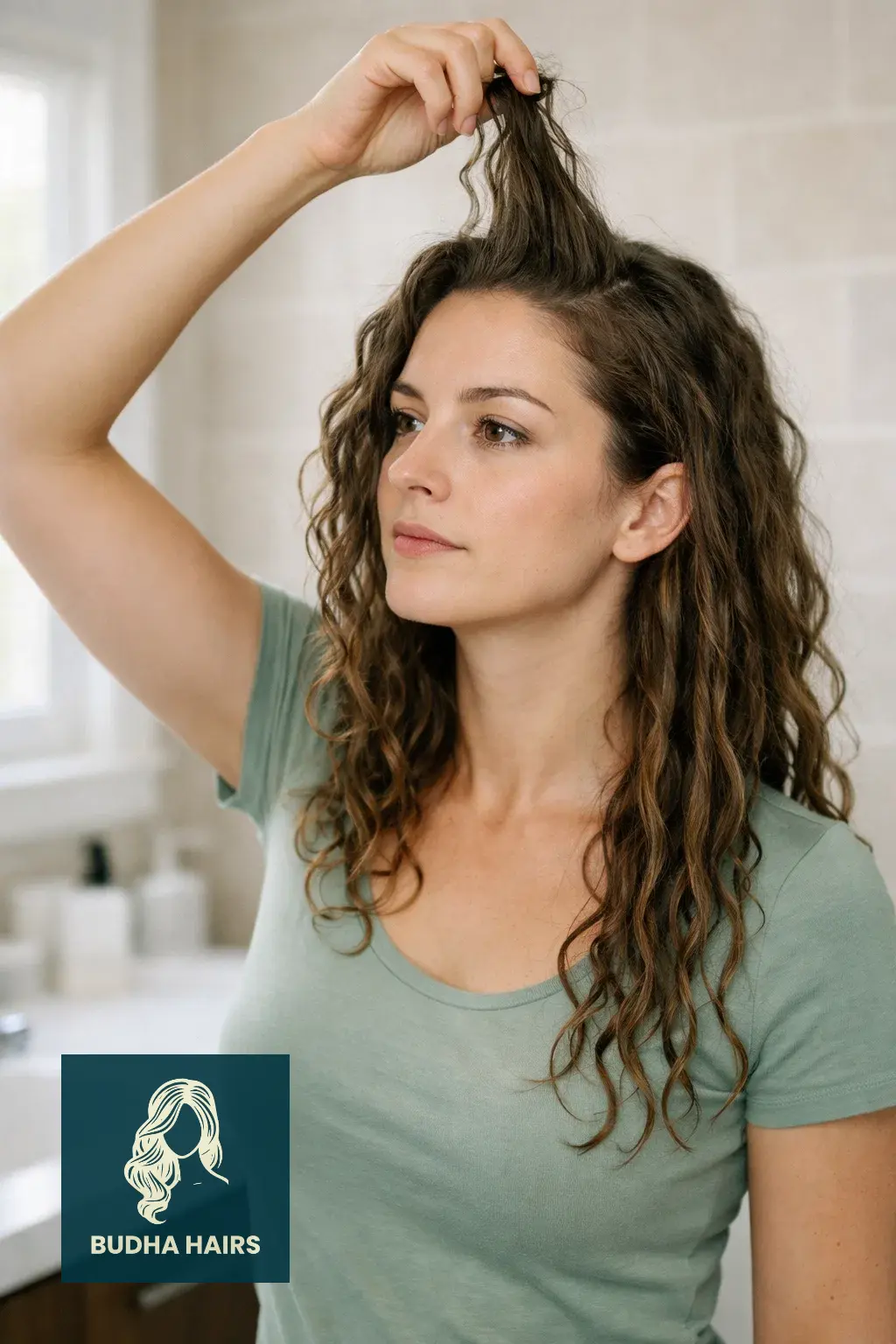
One of the most frequent causes of dropped curls is styling hair that is simply “too clean” or over-conditioned, as silky hair lacks the necessary texture to hold a shape. Freshly washed hair is often too soft and smooth, causing the curling iron to slide over the cuticle without creating a lasting impression, much like trying to stack blocks on a slippery surface. Furthermore, using the wrong barrel size for your hair length and texture contributes to the problem; a large barrel on heavy hair creates a loose wave that pulls itself straight under its own weight. Environmental factors like humidity also play a massive role, as moisture in the air penetrates the hair shaft and reverts the hydrogen bonds back to their natural state.
- Primary Causes of Dropped Curls:
- **Insufficient Cooling:**Releasing the curl while it is still hot prevents the bonds from setting.
- Over-Conditioning: Silky, slippery hair lacks the “grit” needed for mechanical hold.
- Heavy Barrel Size: Using a large iron on heavy hair creates weak, unsustainable tension.
Top 10 Tips to Make Curls Last
Now, let’s explore the top 10 tips to make curls last longer. From prep and styling techniques to the right products, these tips help maintain defined, bouncy curls throughout the day.
1. Prep with “Grit” and Texture
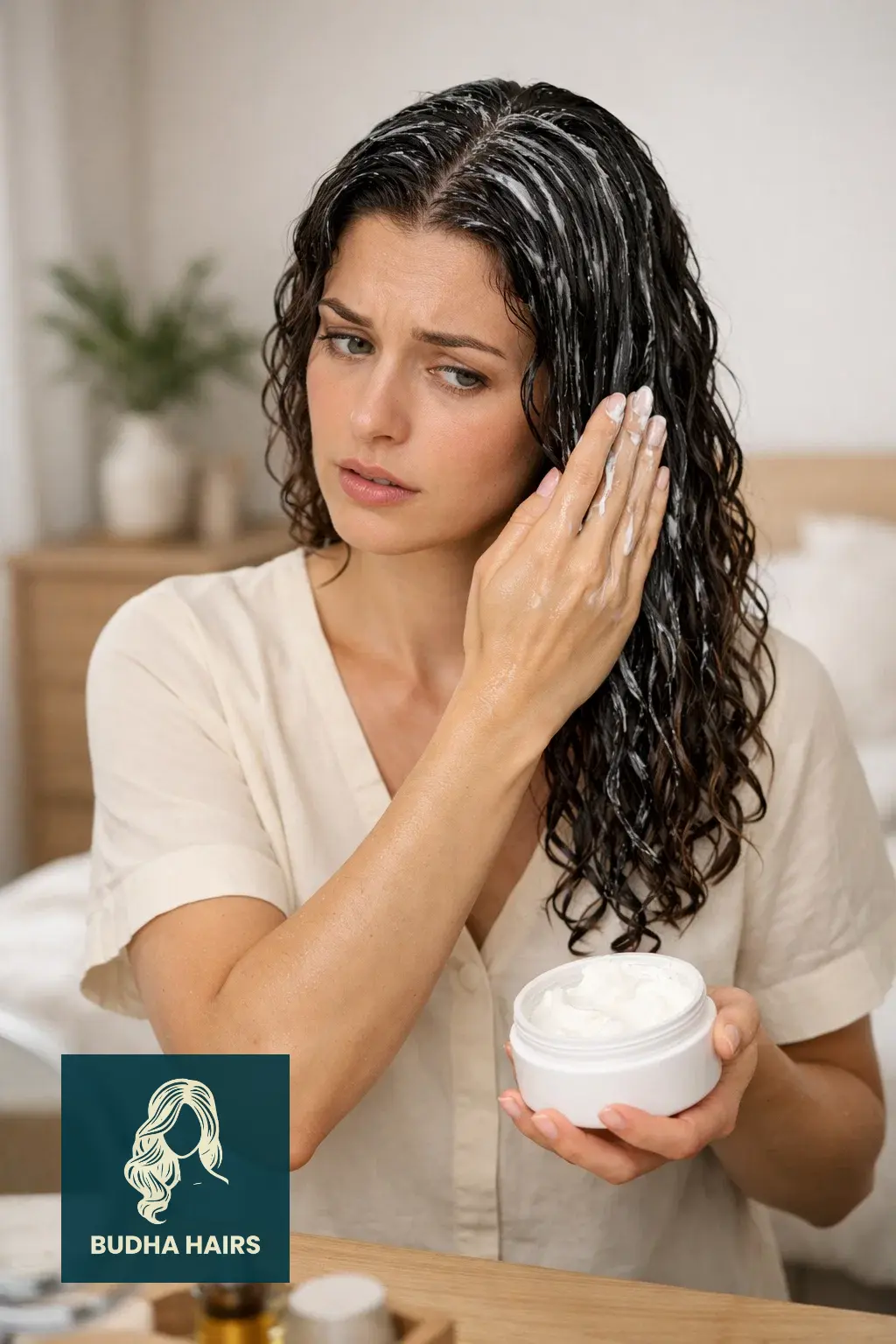
The foundation of a long-lasting curl is texture, so you should avoid curling freshly washed hair whenever possible, opting for “day-old” hair instead. If you must wash, skip the heavy deep conditioner and apply a lightweight volumizing mousse or salt spray to damp hair before drying. These products coat the hair shaft with a microscopic layer of “grit” that provides the necessary friction for the curl to hold its shape against gravity.
2. Use a Smaller Barrel Size
A common misconception is that to get big, loose waves, you should use a massive curling barrel, but this often leads to a style that falls out within an hour. Instead, use a smaller barrel (1-inch or smaller) to create a tighter curl initially, knowing that it will inevitably drop and loosen throughout the day. By starting tighter than your desired result, you account for the natural relaxation of the curl, ensuring that you are left with beautiful waves rather than straight strands by evening.
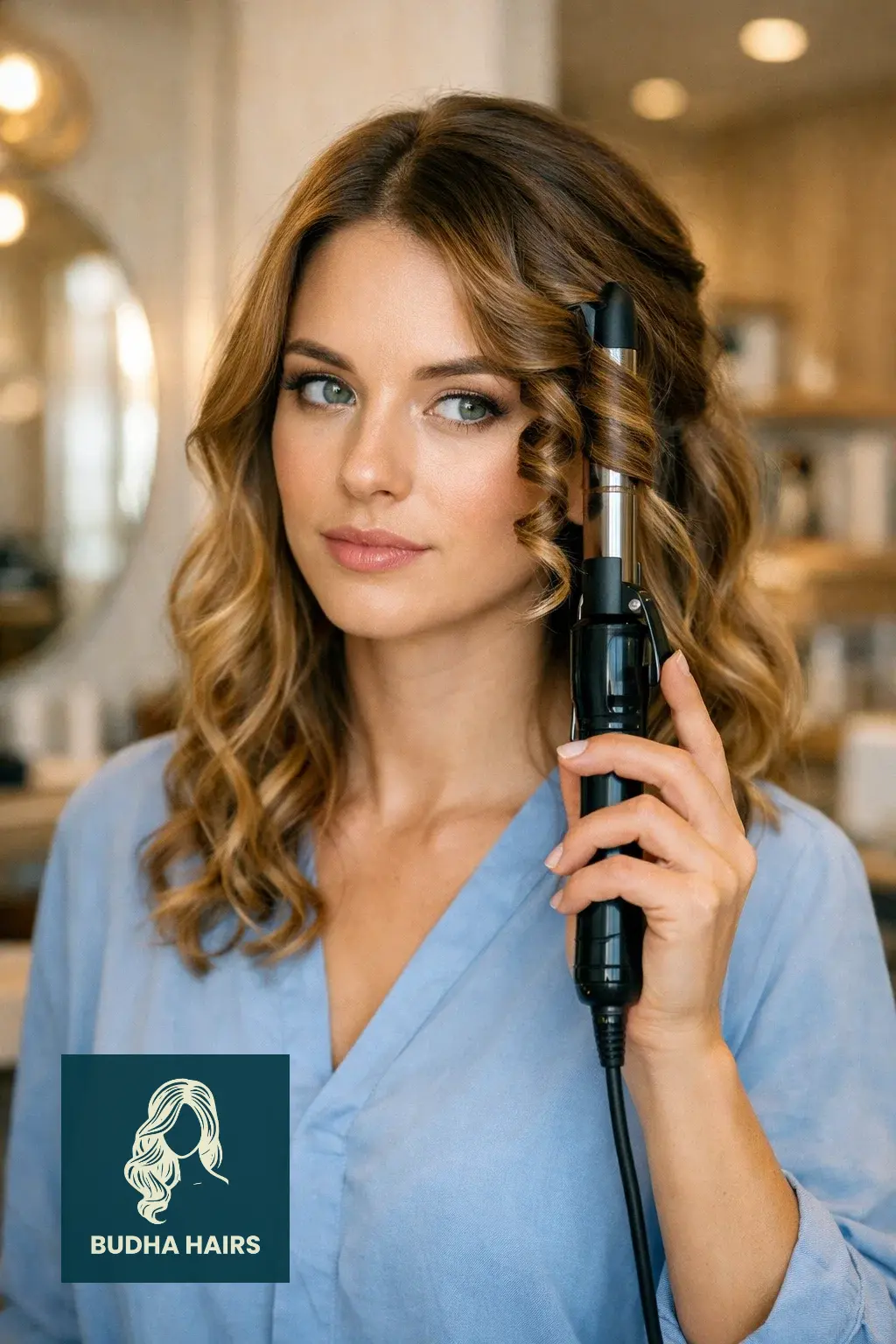
Learning how to make your hair hold a curl starts with proper preparation and healthy strands. Understanding How Much Hair Shedding Is Normal? helps ensure that frequent styling isn’t weakening hair or causing unnecessary breakage.
3. The “Pin and Cool” Technique
This is arguably the most critical tip: after wrapping a section of hair and releasing it from the iron, catch the hot coil in your hand and pin it to your scalp using a bobby pin or clip. Leaving the curl pinned in its coiled shape until it is completely cool allows the hydrogen bonds to re-harden in the curled position, effectively “locking” the memory of the style. Only remove the pins once the hair feels cool to the touch, then gently shake it out.
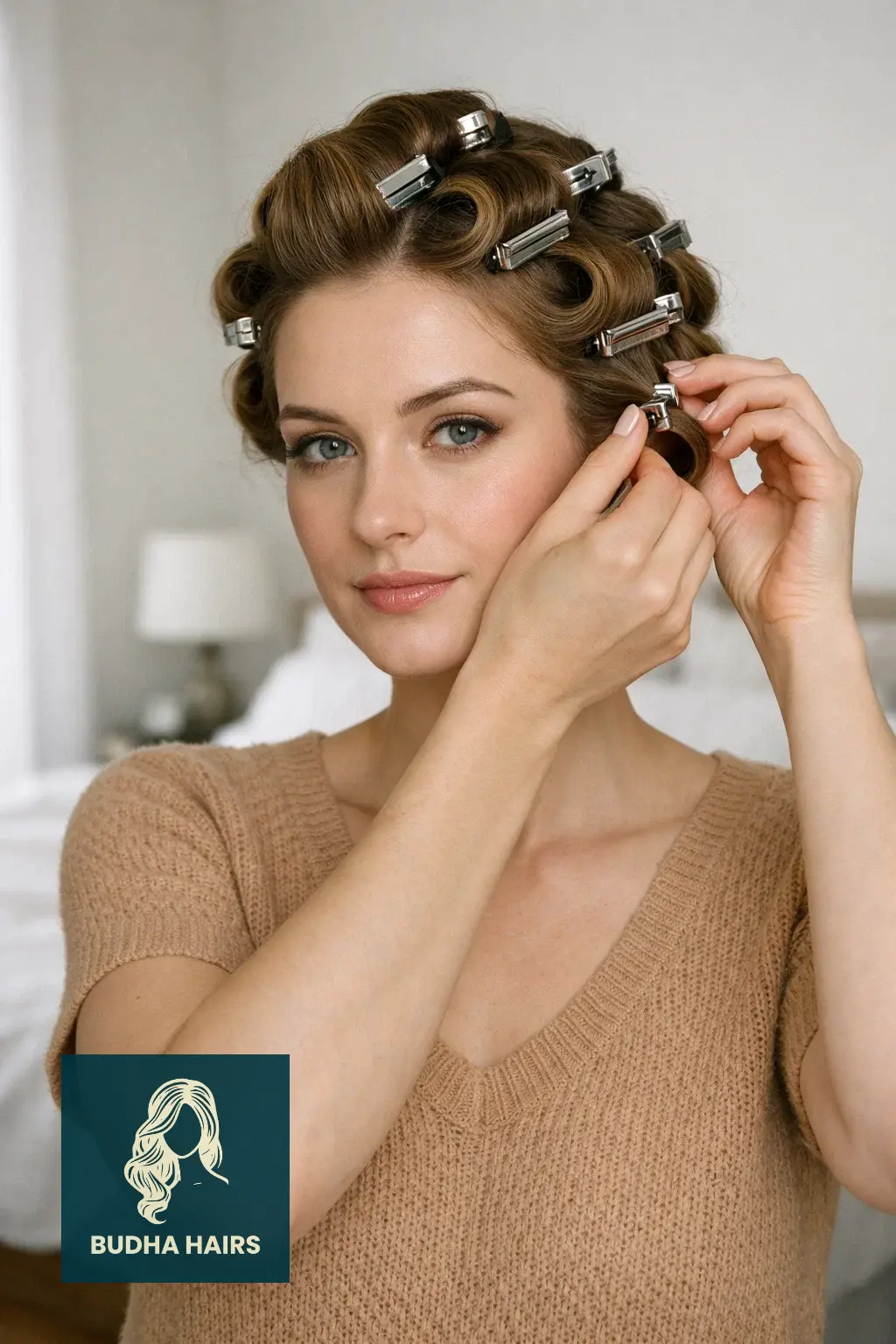
4. Protect Your Strands Heat-Wise
While high heat is necessary to alter the hair’s shape, frying your hair will eventually damage the cuticle so badly that it loses its elasticity and ability to hold any style at all. Always apply a high-quality thermal heat protectant spray before using hot tools to create a barrier that distributes heat evenly and prevents “hot spots.” Healthy hair holds a curl significantly better than damaged, porous hair, so protection is a long-term investment in your styling results.
5. Curl From the Root Down
Many people make the mistake of curling from the ends up, which means the fragile ends get the most heat while the roots—which need the most heat to change shape—get the least. Instead, use a curling wand technique where you wrap the hair starting closer to the root and twist down to the ends, or feed the hair into the clamp from the middle. This ensures the strongest part of the hair shaft is heated sufficiently to support the weight of the curl.
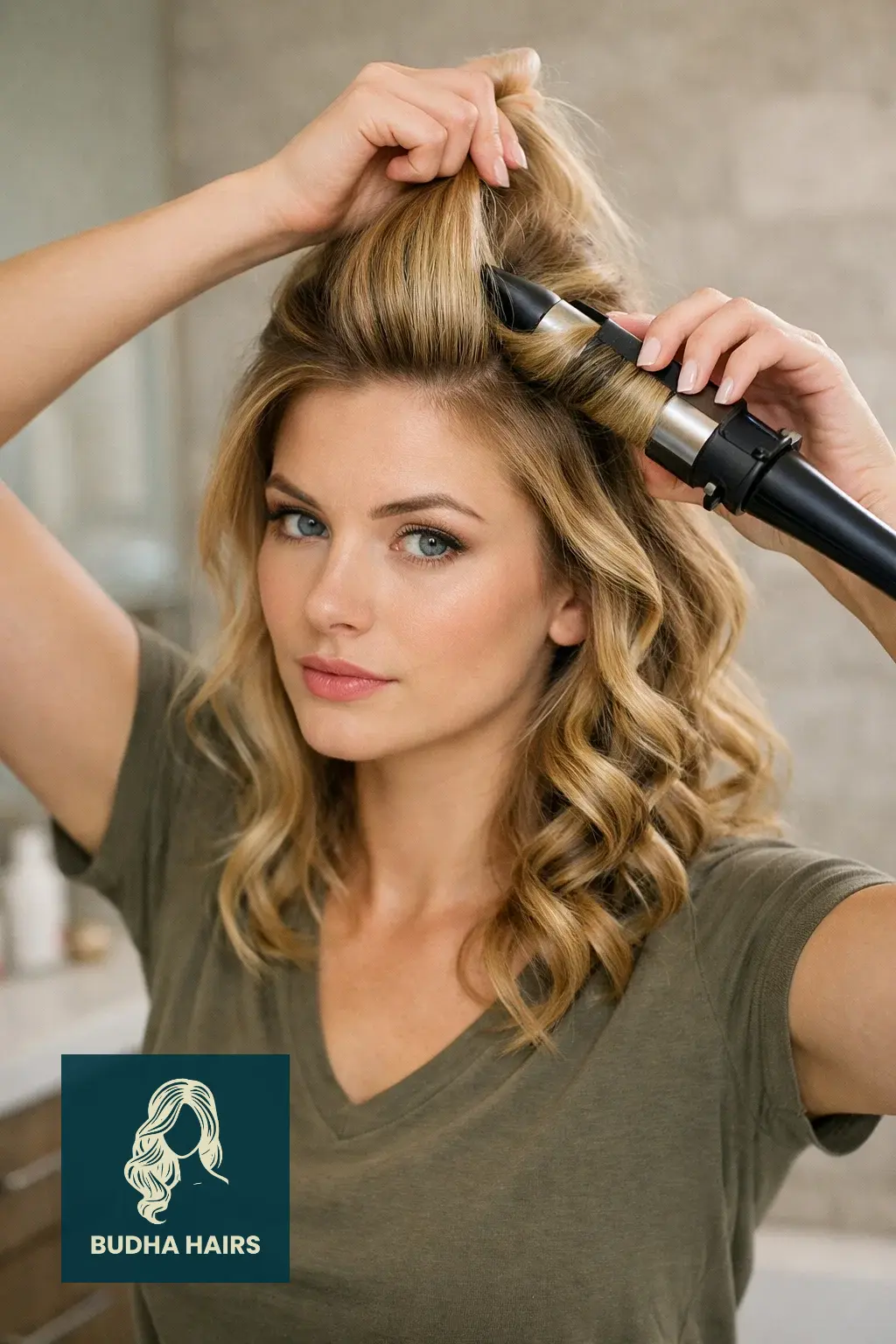
Hair that dries frizzy often struggles to maintain curls for long. Identifying Why Does My Hair Dry Frizzy allows you to address moisture and texture issues that affect curl longevity.
6. Leave the Ends Out
For a more modern look that also helps with longevity, leave the very last inch of your hair straight or uncurled. This prevents the ends from getting fried and splitting, which can cause the curl to unravel from the bottom up. By keeping the ends straight, you maintain the integrity of the hair shaft and create a “beach wave” aesthetic that looks intentional even as the curl naturally loosens over time.
7. Hairspray BeforeYou Curl
While most people spray at the very end, applying a light mist of flexible-hold hairspray to each section before you apply the curling iron can act as a setting agent. The heat helps to bake the product into the hair, creating a much stronger internal structure for the curl than spraying afterwards would achieve. Just be sure to use a “flexible” or “working” spray to avoid a crunchy, sticky residue that damages the iron.
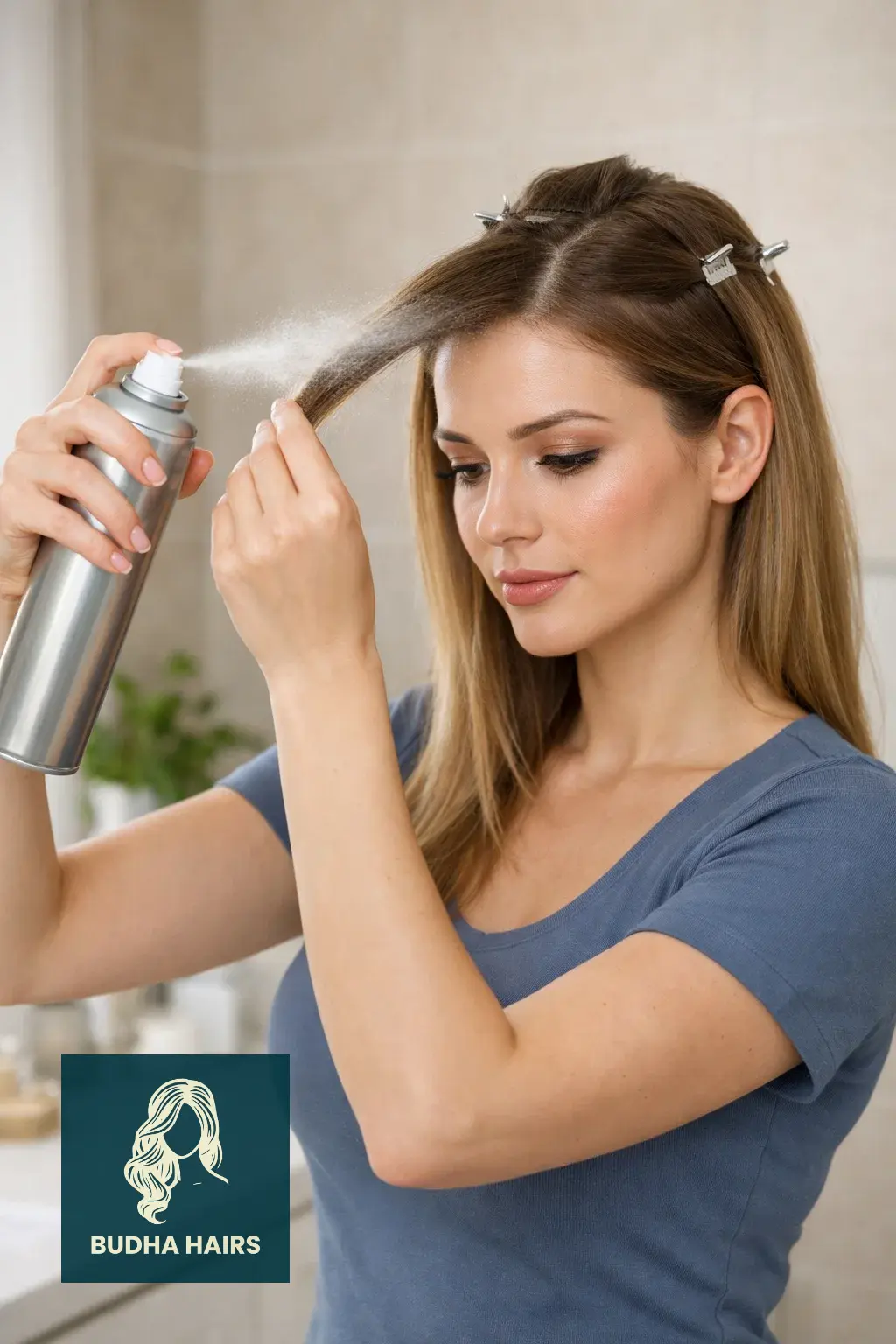
8. Let the Curls Cool Completely Before Touching
Once you have unpinned your curls or finished your whole head, you must resist the urge to run your fingers through them immediately. Touching warm curls is the fastest way to destroy them; wait at least 15 to 20 minutes until the hair is entirely cool. Once set, use a wide-tooth comb or your fingers to break them up gently, tilting your head back to maintain volume without flattening the shape.
9. Switch to a Texturizing Spray Finish
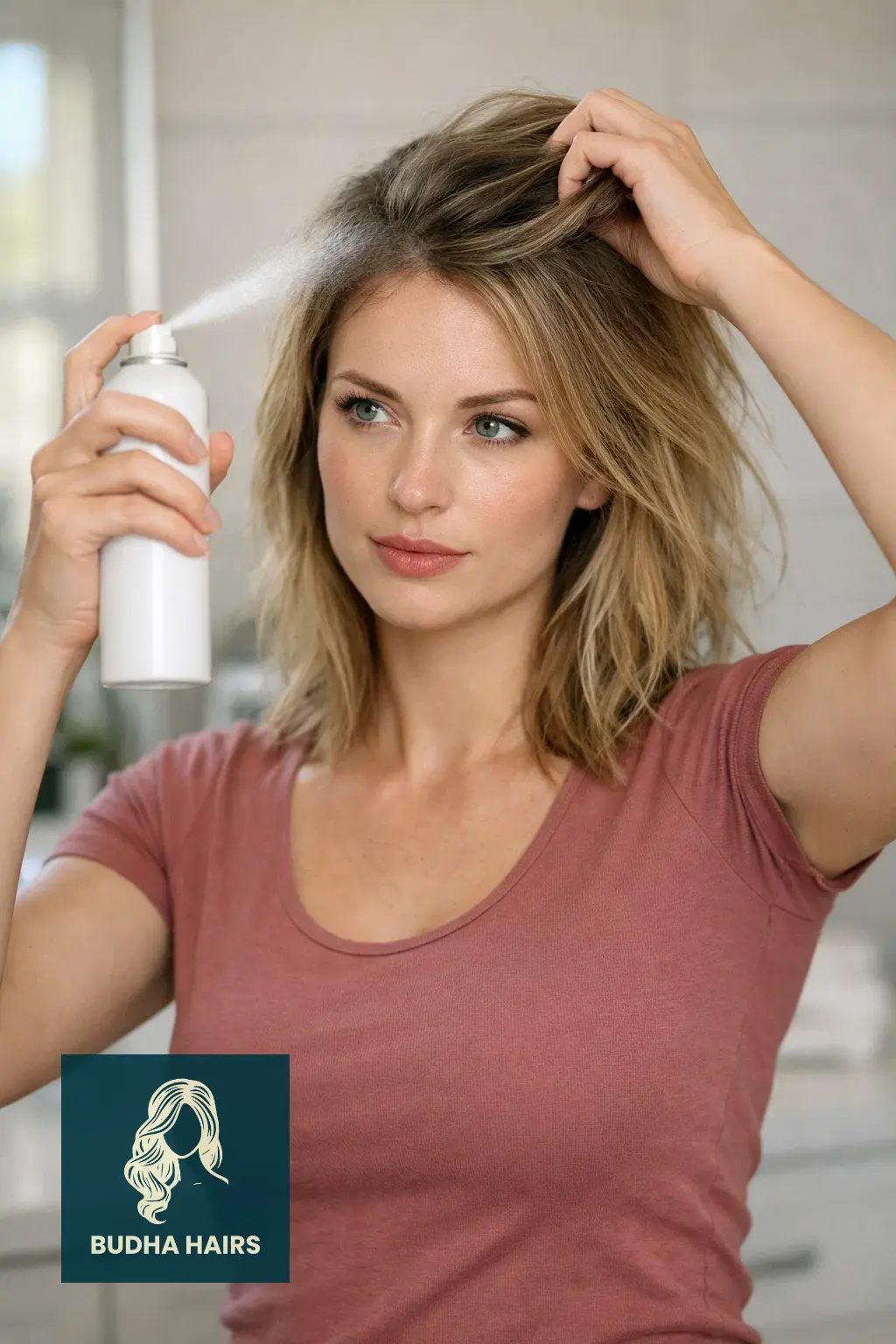
Instead of finishing with a heavy, wet hairspray that can weigh down fine hair, opt for a dry texturizing spray or a finishing volume spray. These dry formulas add airiness and separation to the curls, preventing them from clumping together into a single heavy mass that drags itself down. Texturizing sprays also help absorb excess oil at the root, which can otherwise dissolve the hold of your style as the day goes on.
10. Avoid Heavy Oils/Serums After Styling
After you have successfully curled your hair, be extremely sparing with finishing oils or shine serums, as these add weight and lubricate the hair strands. If you need to tame frizz, apply a tiny drop of oil only to the very ends, avoiding the mid-lengths where the curl structure is most critical. Excess oil can break down the hold of hairspray and mousse, causing the style to slide out and revert to its natural texture.
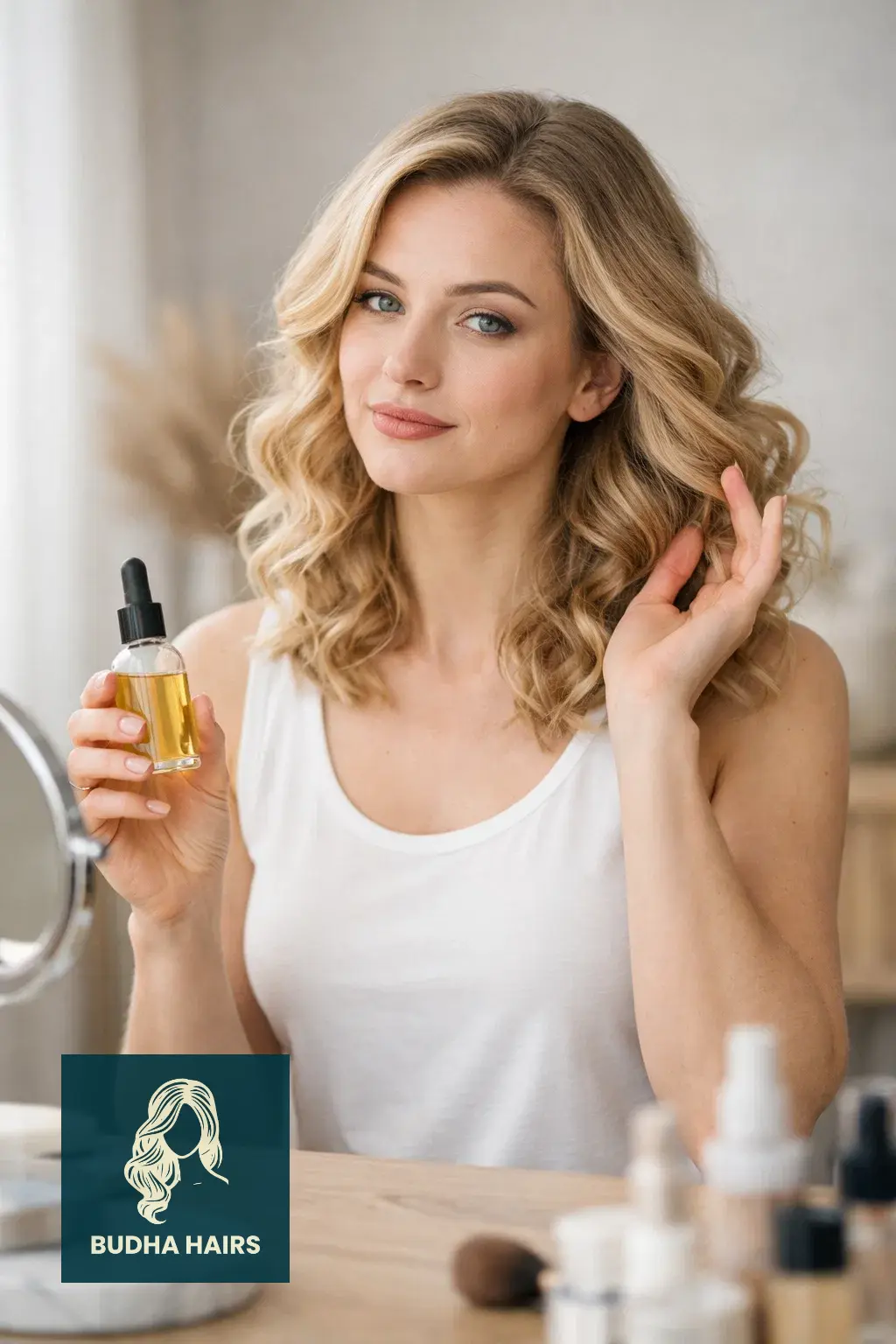
The way you dry your hair plays a major role in how well curls last. Using methods from How to Blow Dry Hair Without Heat Damage helps set curls effectively while keeping hair smooth and protected.
Conclusion
Making your hair hold a curl is less about the heat of your tool and more about the “architecture” you build through preparation and cooling. By adding texture to slippery strands, allowing the hydrogen bonds to set completely via the pinning method, and using the correct barrel size, you can defy your hair’s natural straightness. Remember that the goal is to create a structure that resists gravity; therefore, every step from the mousse you apply to the way you sleep on your curls matters. With these professional techniques, you can transform flat, lifeless hair into voluminous, lasting waves that withstand the rigors of a long day.

I’m Budha Styler, a hair enthusiast who loves creating beautiful, confidence-boosting looks that feel true to who you are. I’m passionate about exploring new trends, techniques, and textures, and I enjoy turning that knowledge into simple, inspiring ideas anyone can try. Through my work, I hope to help you express your unique style, feel amazing in your own hair, and discover everyday looks that make you shine.


