
For those with thin, fine hair, curling is often an exercise in frustration. You spend an hour styling, only to have the curls drop into barely-there waves before you even leave the house. The science behind this struggle is simple: fine hair often lacks a medulla (the inner core of the hair shaft) and has a smooth, glassy cuticle. This makes the hair slippery and unable to “grip” itself, causing the hydrogen bonds to revert to their natural straight state as soon as gravity takes over. To make curls last on thin hair, you must manufacture the texture and grip that nature didn’t give you.
The Science of the “Drop”
This guide outlines the mechanics of thermal setting and provides ten expert-approved techniques to lock in your style for days.
The Slippage Factor
Fine hair is naturally silky, which is great for shine but terrible for holding a style. Without a rough surface texture, the hair strands simply slide past each other rather than interlocking to hold a shape. To fix this, you cannot rely on the curling iron alone; you must prep the canvas with “gummy” or “gritty” products (like mousse or texture spray) that coat the cuticle and create friction. This artificial roughness allows the hair to hold the bend created by the heat.
Thermal Setting (Heat Molds, Cold Sets)
The most critical rule of curling thin hair is understanding thermal dynamics. Heat breaks the hydrogen bonds in the hair, allowing it to be molded into a curl. However, those bonds do not lock into the new shape until the hair cools down completely. If you drop a hot curl, the weight of the hair will pull it straight before the bonds have time to set. For fine hair, which is easily weighed down, holding the curl in its shape during the cooling phase is the single most important step for longevity.
10 Expert Tips to Curl Thin Hair
1. “Second-Day” Hair is Best
Freshly washed fine hair is often too soft and slippery to hold a curl. The natural oils that build up on the second day provide a bit of grit that helps the style hold. If you must wash your hair, skip the deep conditioner (which makes hair too slick) and apply a texturizing spray or dry shampoo immediately after drying to mimic that “lived-in” grip.

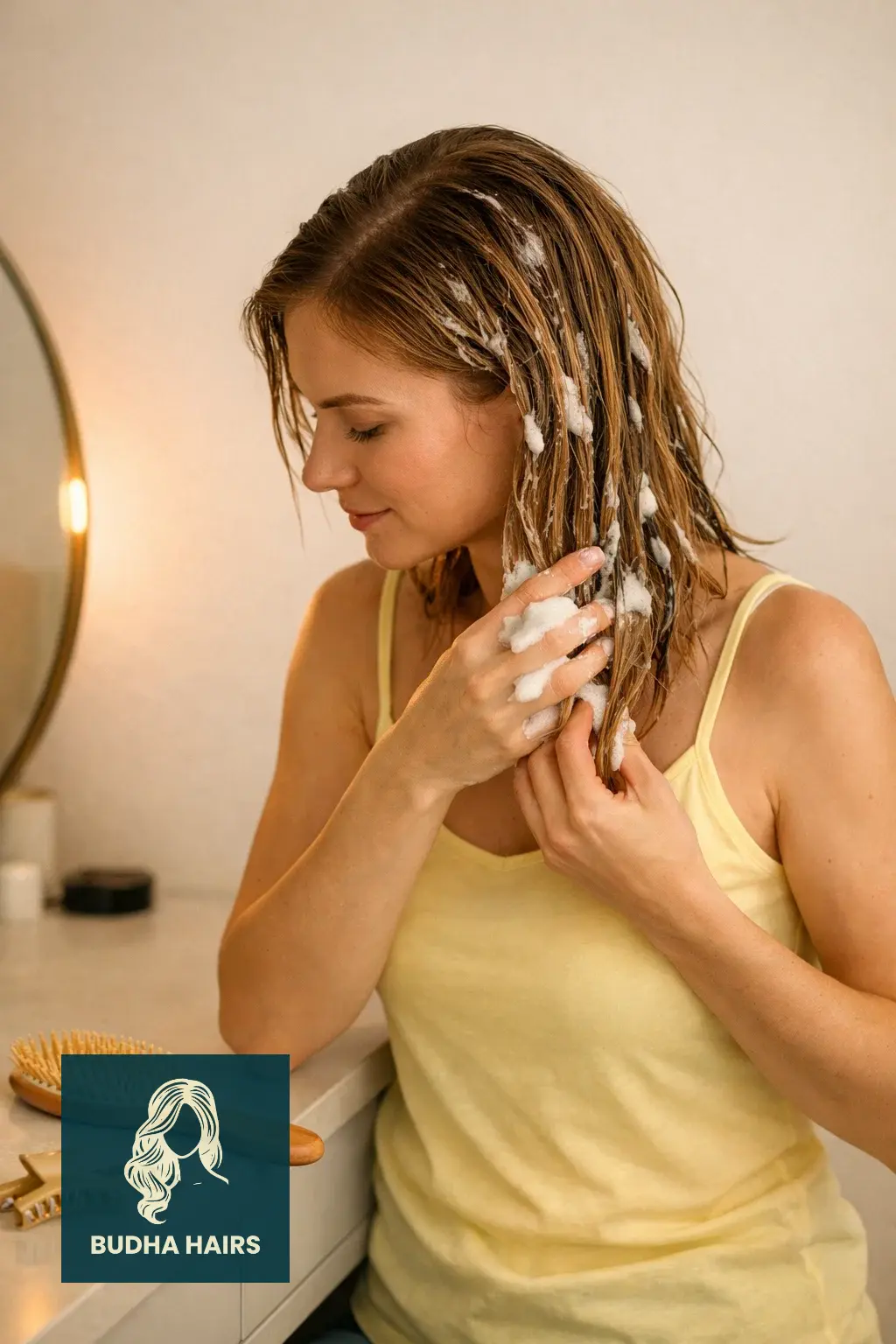
2. Prep with Mousse for “Memory”
Before you blow-dry, apply a volumizing mousse to your damp hair. Mousse contains resins that coat the hair shaft and provide “style memory.” Unlike creams that weigh hair down, mousse dries stiff (in a good way), creating a scaffolding inside the hair that supports the curl structure. This is the foundation that keeps the curl from collapsing under its own weight later in the day.
3. Use a Smaller Barrel Size
Physics dictates that all curls will loosen over time due to gravity. If you use a large 2-inch barrel, your curls will drop into straight hair within an hour. Instead, use a smaller barrel—1-inch or 0.75-inch. The tighter curl might look too springy at first, but as it inevitably drops, it will relax into the perfect loose wave you actually wanted, rather than falling flat.
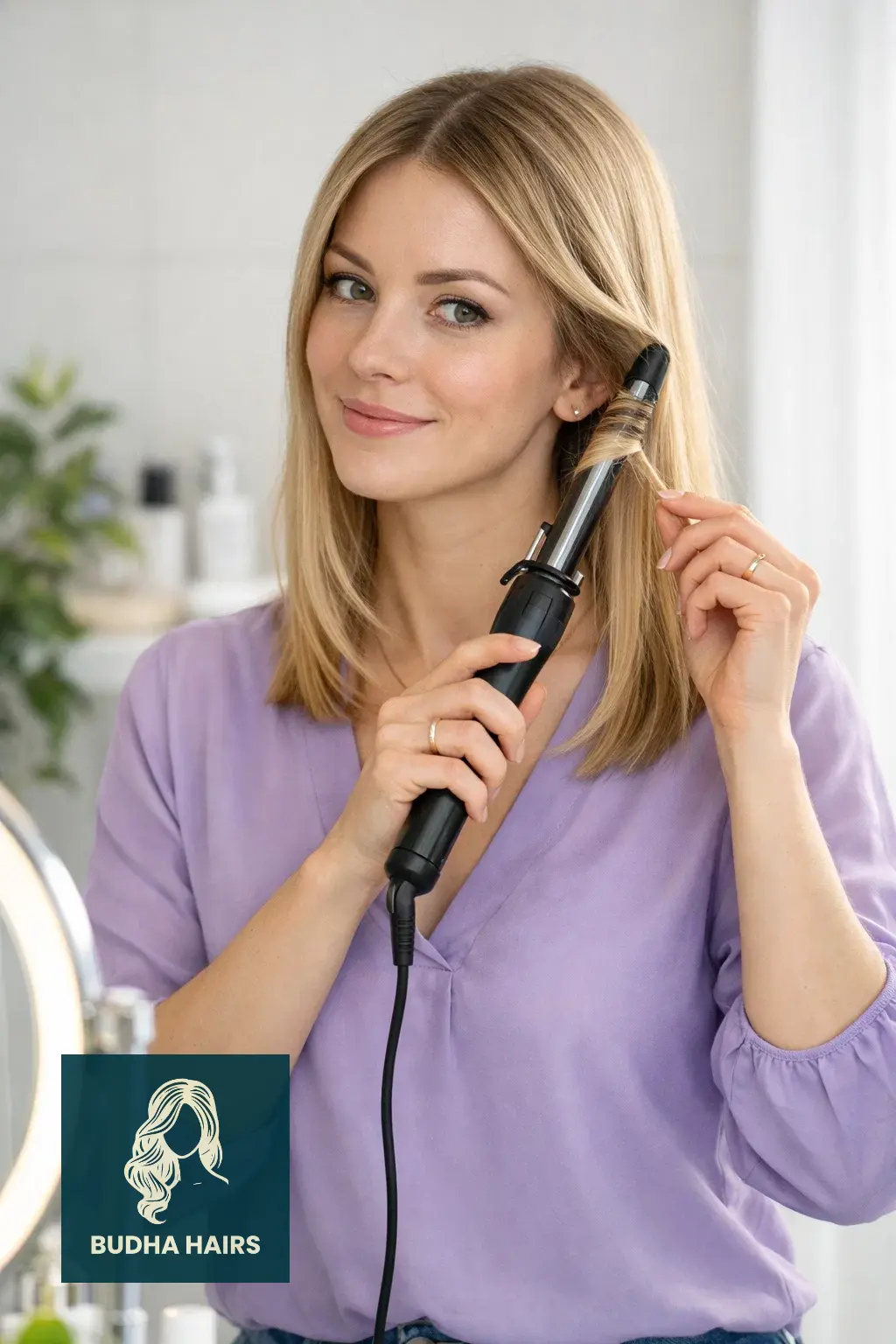
Learning how to curl thin hair successfully starts with proper preparation and gentle styling to avoid damage. Maintaining overall hair health using tips from How to Grow Out Uneven Hair helps ensure curls look balanced and natural.
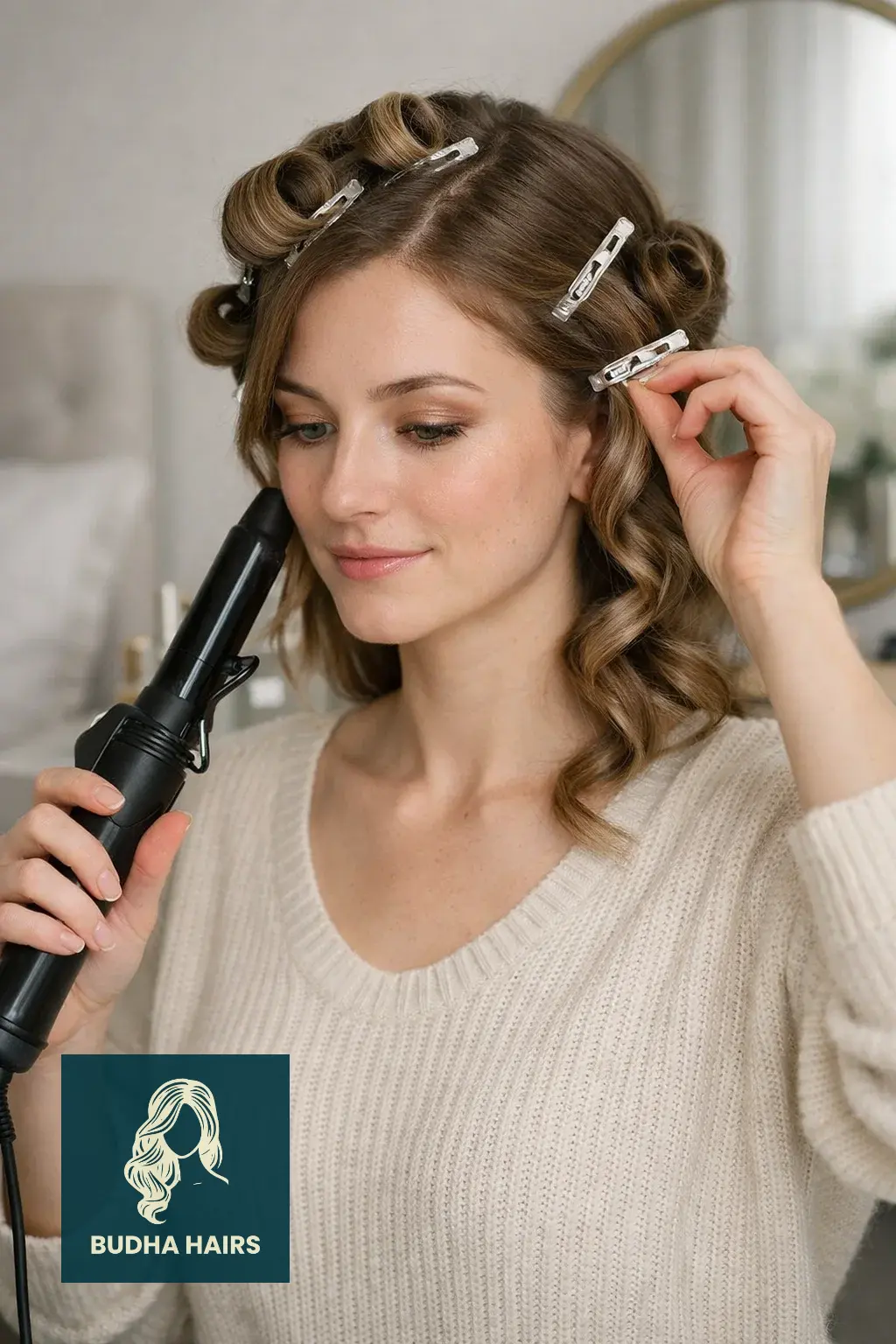
4. The “Pin Curl” Technique
This is the secret weapon for events. After you release the hair from the curling iron, do not let it fall. Immediately catch the hot coil in your palm, roll it back up to your scalp, and secure it with a metal duckbill clip. Let the curls sit in these clips until they are completely cool to the touch (about 15-20 minutes). This sets the hydrogen bonds in the tightest possible position, guaranteeing maximum hold.
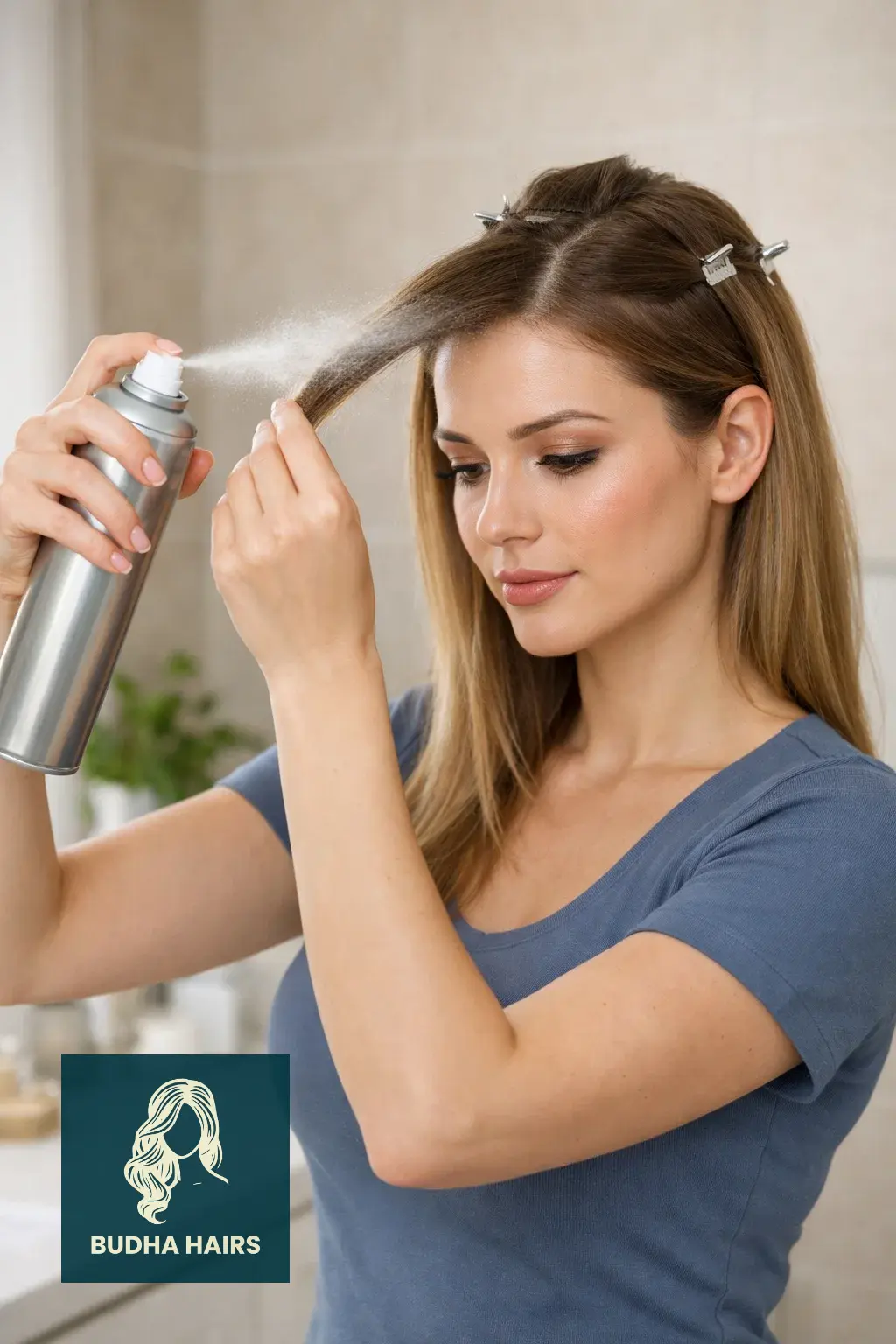
5. Hairspray BeforeYou Curl
Most people spray after, but for fine hair, you need a light mist before the heat touches it. Use a lightweight, thermal-safe working hairspray on each section before you wrap it around the iron. The heat melts the hairspray into the hair shaft, effectively gluing the curl into shape from the inside out. Just be sure to use a “flexible hold” spray to avoid a crunchy, burnt texture.
6. Control Your Temperature
Fine hair heats up incredibly fast. Using a tool set to 400°F (200°C) is unnecessary and damaging. Set your iron to 300°F – 325°F (150°C – 160°C). Because fine hair allows heat to penetrate the core quickly, this lower temperature is sufficient to reshape the bonds without frying the cuticle. Burnt hair loses its elasticity and won’t hold a curl at all.
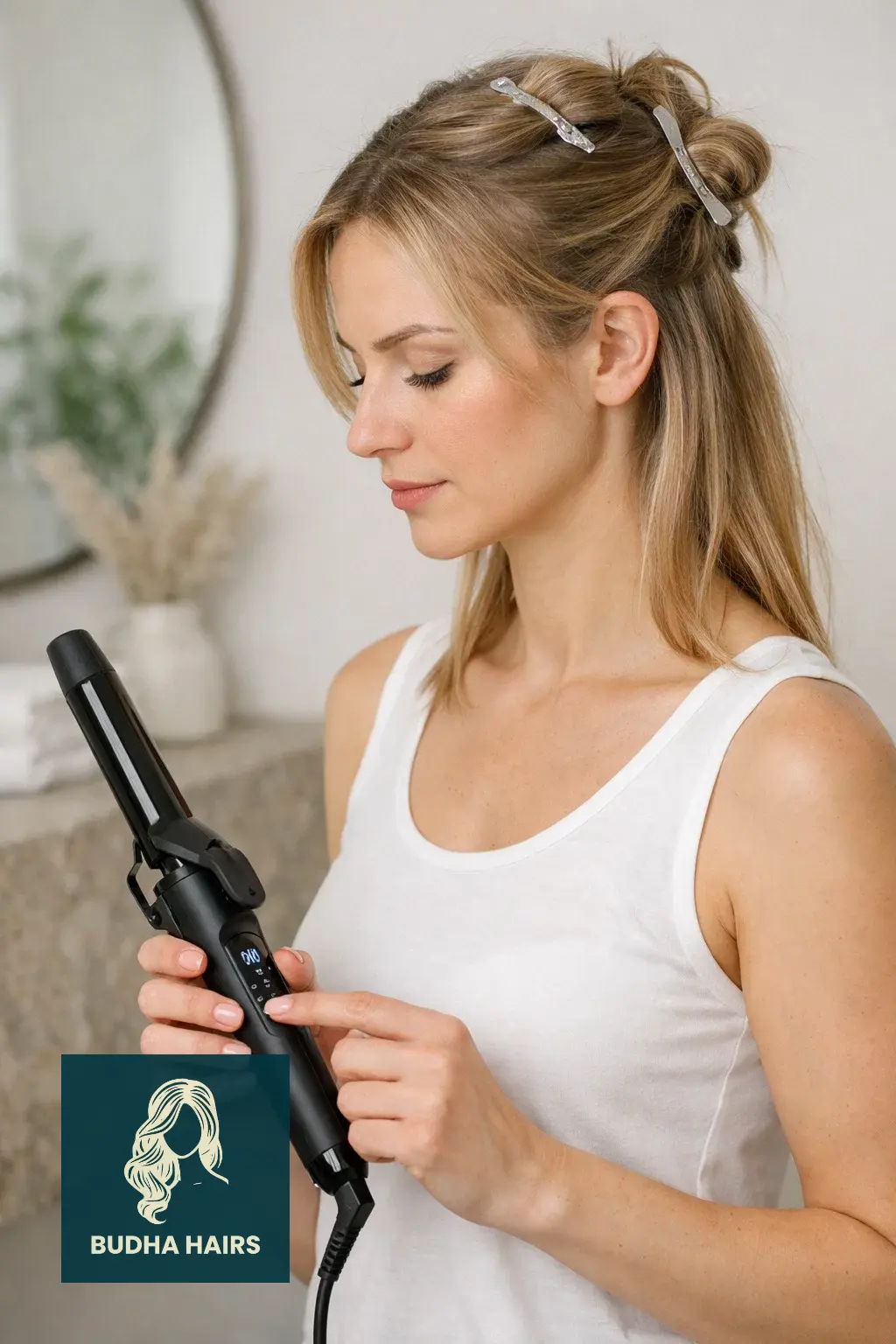
Thin hair can be sensitive to product buildup and heat, which may irritate the scalp. Following effective Itchy Scalp Remedies keeps the scalp calm and healthy, allowing curls to hold better without discomfort.
7. Vertical vs. Horizontal Sections
How you hold the iron changes the result. For volume at the root (which fine hair needs), hold the iron horizontally. For loose, beachy waves, hold the iron vertically. Regardless of the angle, take small sections. If the section is too thick, the heat won’t penetrate to the middle hairs, and the curl will fall out because the inside wasn’t heated enough.
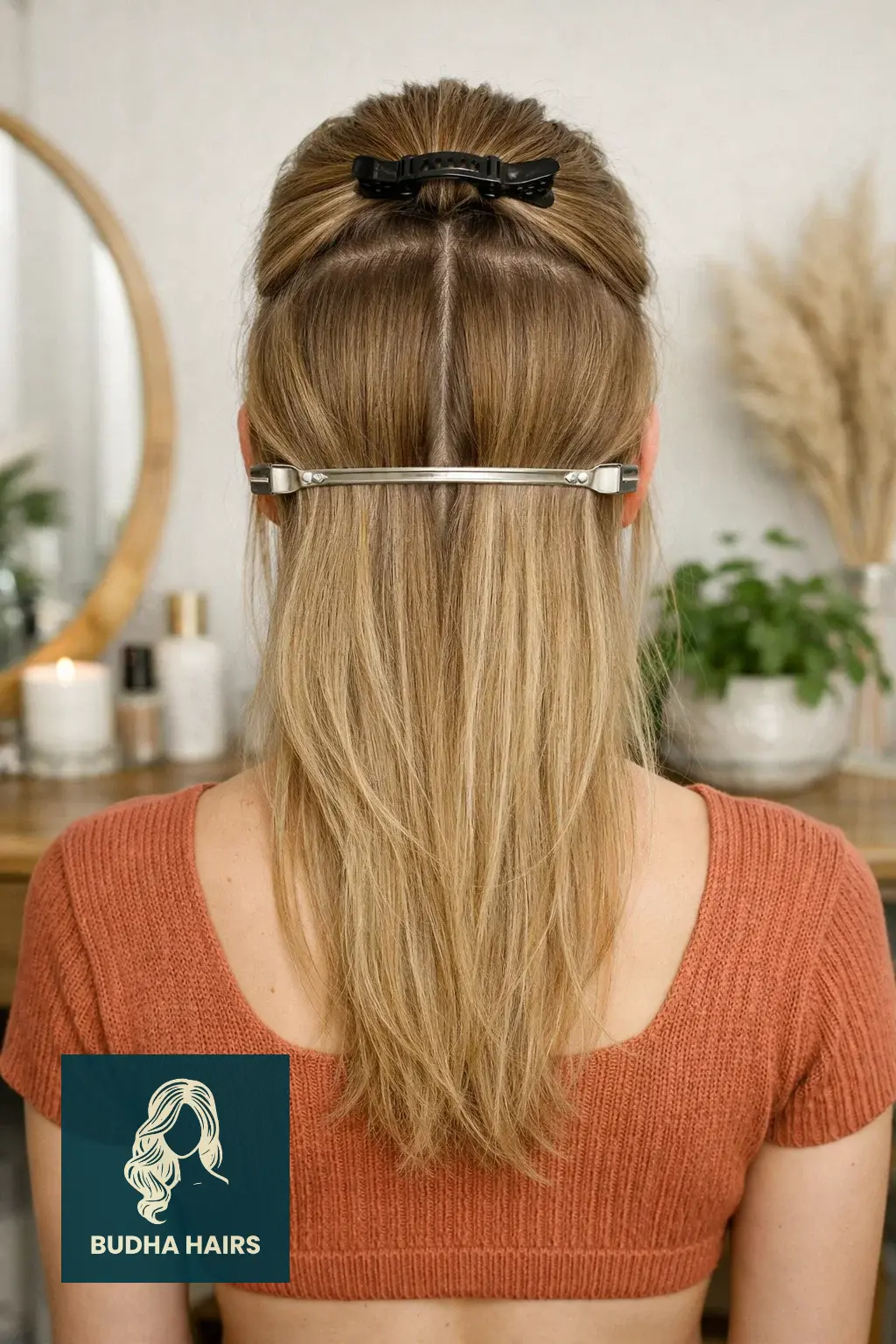
8. Leave the Ends Out
Fine hair is most fragile at the ends, where it is thinnest. To achieve a modern look and protect your ends from splitting, stop curling about an inch or two from the bottom. Leaving the ends straight (or just lightly bent) prevents them from looking frizzy and maintains the length of your style, giving the illusion of longer, healthier hair.
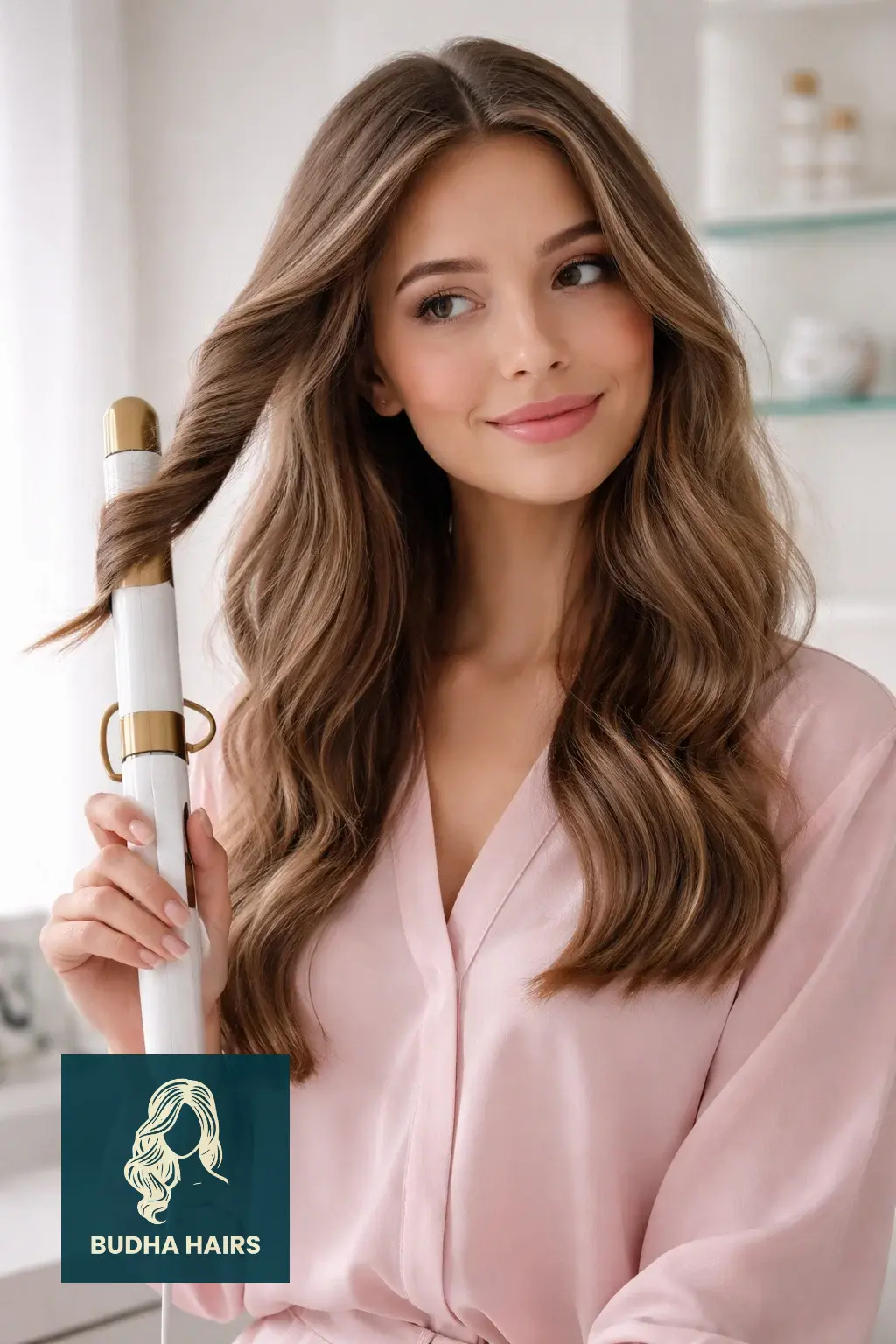
9. Don’t Touch Until Cool
Patience is everything. Once you unclip your pin curls or drop the hair from the iron, do not touch it. Let the tight ringlets sit on your shoulders until the entire head is finished and cool. Only then should you use your fingers or a wide-tooth comb to break them up. Brushing through warm curls is the fastest way to revert them to straight hair.
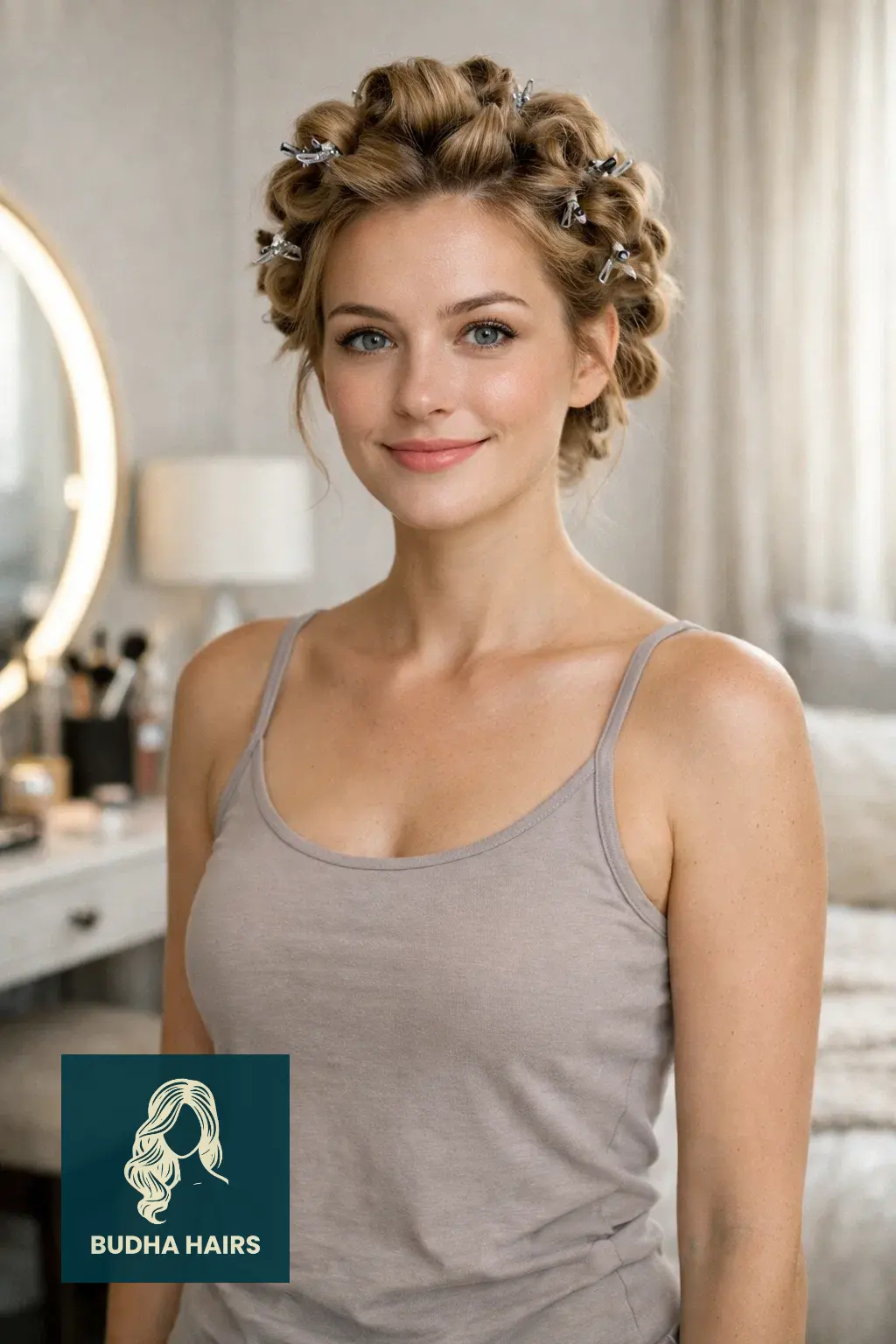
10. Finish with Texturizing Spray (Not Oil)
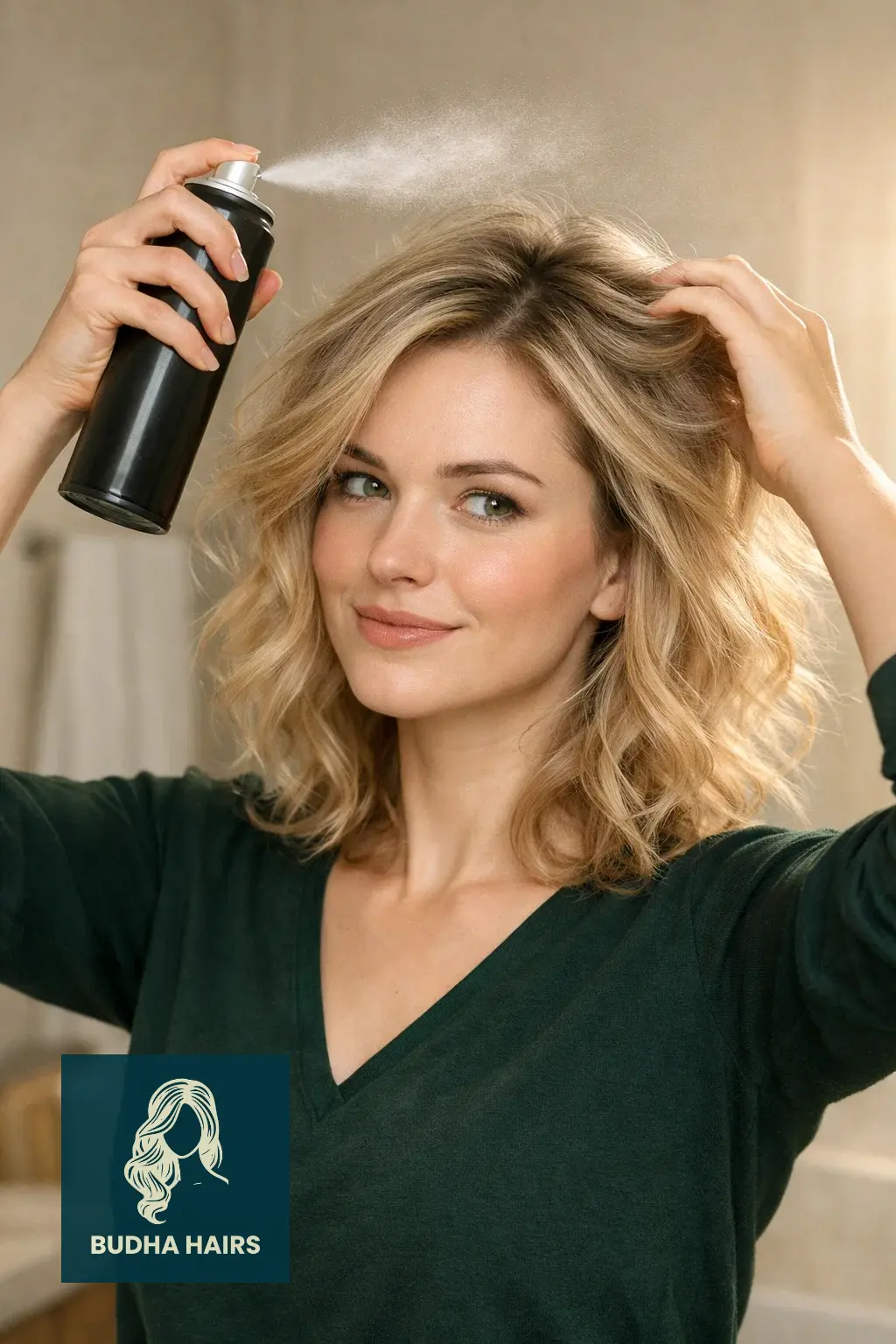
Avoid shine serums or heavy oils as a finishing step, as they will weigh the curls down. Instead, lift your hair and spray a dry texturizing spray into the body of the curls. These sprays contain powders that adhere to the hair, preventing the strands from sliding against each other. This creates friction that keeps the curls voluminous and separated throughout the day.
Curling tools and frequent styling can sometimes cause stress on delicate sections like bangs. Techniques from How to Keep Bangs from Splitting help protect fine strands while keeping curls smooth and polished.
Conclusion
Curling thin hair successfully is about compensating for the lack of natural texture. By swapping heavy conditioners for gritty mousse, using a smaller barrel size to anticipate the “drop,” and religiously pinning your curls to let them set, you can achieve a style that rivals the volume of thicker hair types. Remember, for fine hair, the “cooling phase” is just as important as the “heating phase”—respect the set, and the curls will stay.

I’m Budha Styler, a hair enthusiast who loves creating beautiful, confidence-boosting looks that feel true to who you are. I’m passionate about exploring new trends, techniques, and textures, and I enjoy turning that knowledge into simple, inspiring ideas anyone can try. Through my work, I hope to help you express your unique style, feel amazing in your own hair, and discover everyday looks that make you shine.


