
Baby hairs—those fine, wispy strands found along the hairline and nape of the neck—can be a charming detail or a styling nightmare. Biologically, these hairs (vellus or intermediate hairs) are naturally shorter and finer than the rest of your mane, meaning they lack the weight to lay flat and often have a mind of their own. They are notorious for curling up in humidity, sticking straight out when electrically charged, or disrupting a sleek ponytail. Controlling them requires a delicate balance: you need products with enough hold to glue them down, but light enough not to make them look greasy or crunchy.
The Science of the “Wisp”
This guide explores the tools and techniques professional stylists use to sculpt these rebellious strands into polished works of art.
Vellus vs. Terminal Hair
To control them, you must understand what they are. True baby hairs are “vellus” hairs—soft, fine, and barely pigmented. However, many people also struggle with breakage around the hairline (short “terminal” hairs) caused by tight ponytails. These broken hairs are coarser and harder to tame. The strategies below work for both, but coarser breakage often requires heavier products (like pomades) compared to the delicate vellus hairs which only need light gels.
The Role of Humidity and Static
Baby hairs are the first to react to the weather. Because they are so fine, they absorb moisture from the air instantly (causing frizz) or react to dry air (causing static). Successful control isn’t just about plastering them down; it’s about creating a barrier—usually with polymers or oils—that seals the hair shaft from the environment so it stays where you put it.
20 Expert Tips to Control Baby Hairs
Now, let’s explore 20 expert tips to control baby hairs. From styling techniques and the right products to protective routines, these tips help keep flyaways smooth, neat, and in place all day.
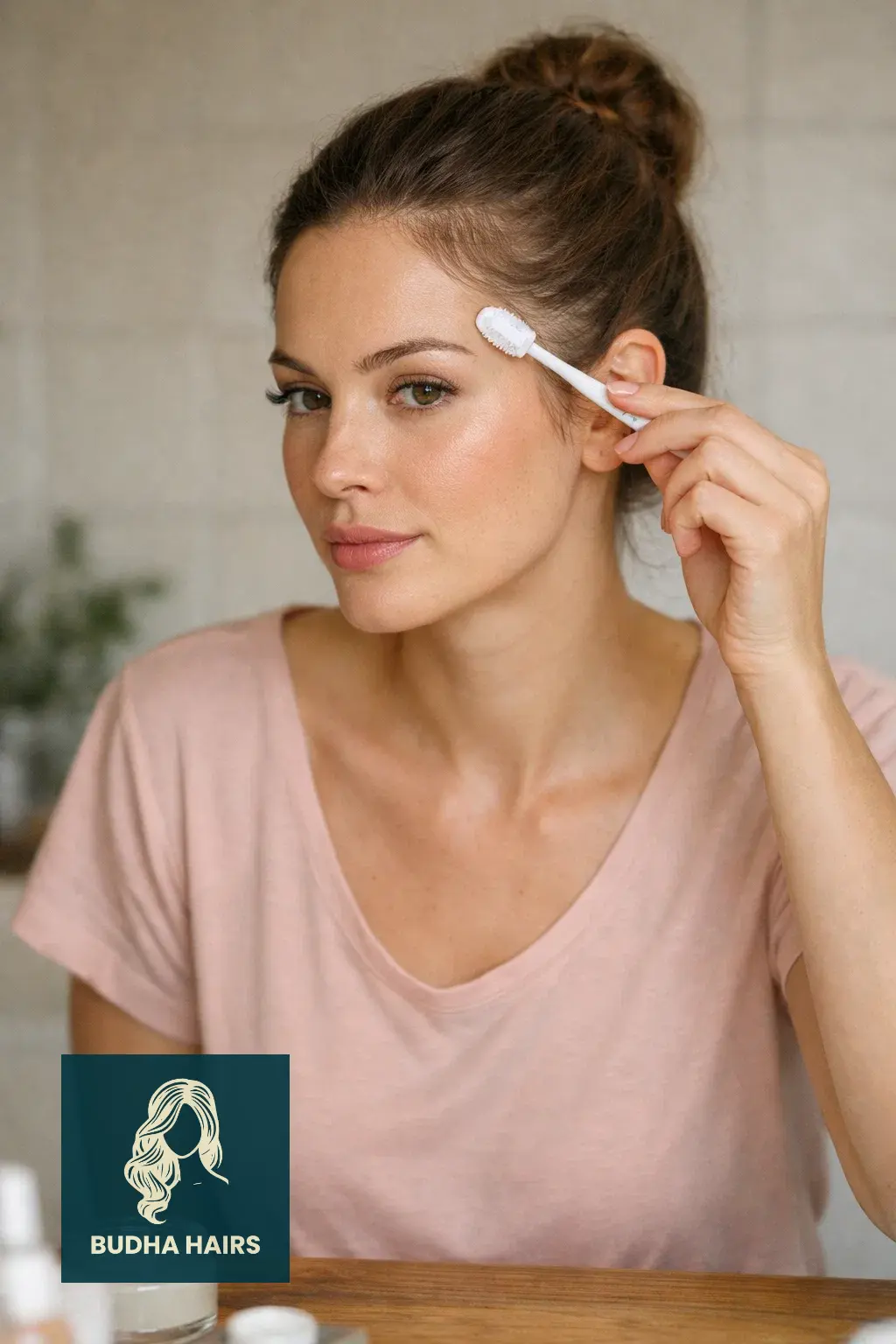
1. The Toothbrush Trick
The most essential tool for baby hairs is a $1 toothbrush. A standard hairbrush is too aggressive and grabs the longer hairs behind the hairline. A clean, soft-bristled toothbrush allows for surgical precision, isolating just the tiny wisps. Spray it with hairspray or dip it in gel to comb the hairs into place without disturbing your main style.
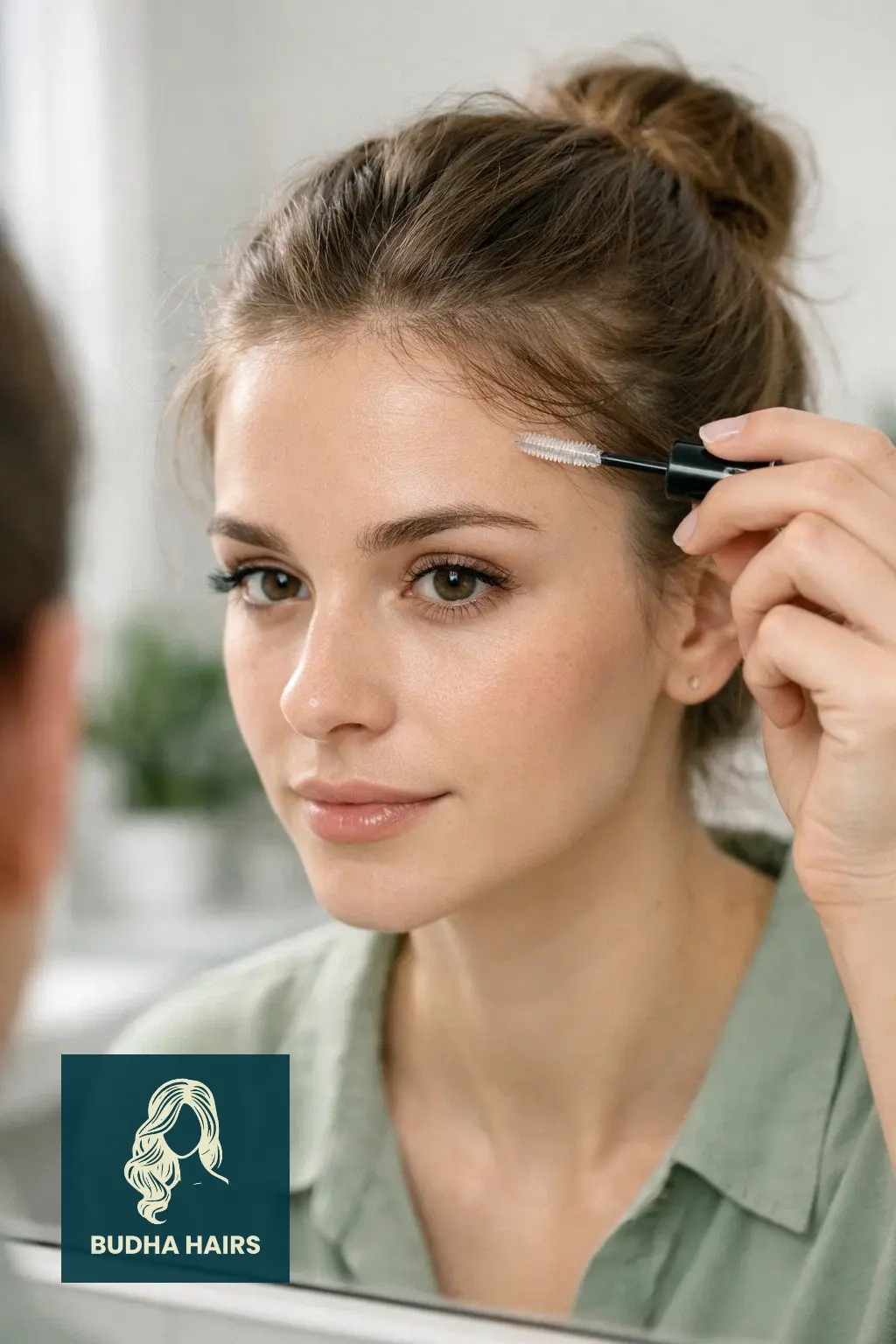
2. Clear Mascara is a Magic Wand
For on-the-go touch-ups, keep a tube of clear mascara or clear brow gel in your bag. The wand is designed to coat individual hairs, making it perfect for capturing flyaways. The formula is usually designed to be flake-free and dries quickly, locking the hair against the skin instantly.
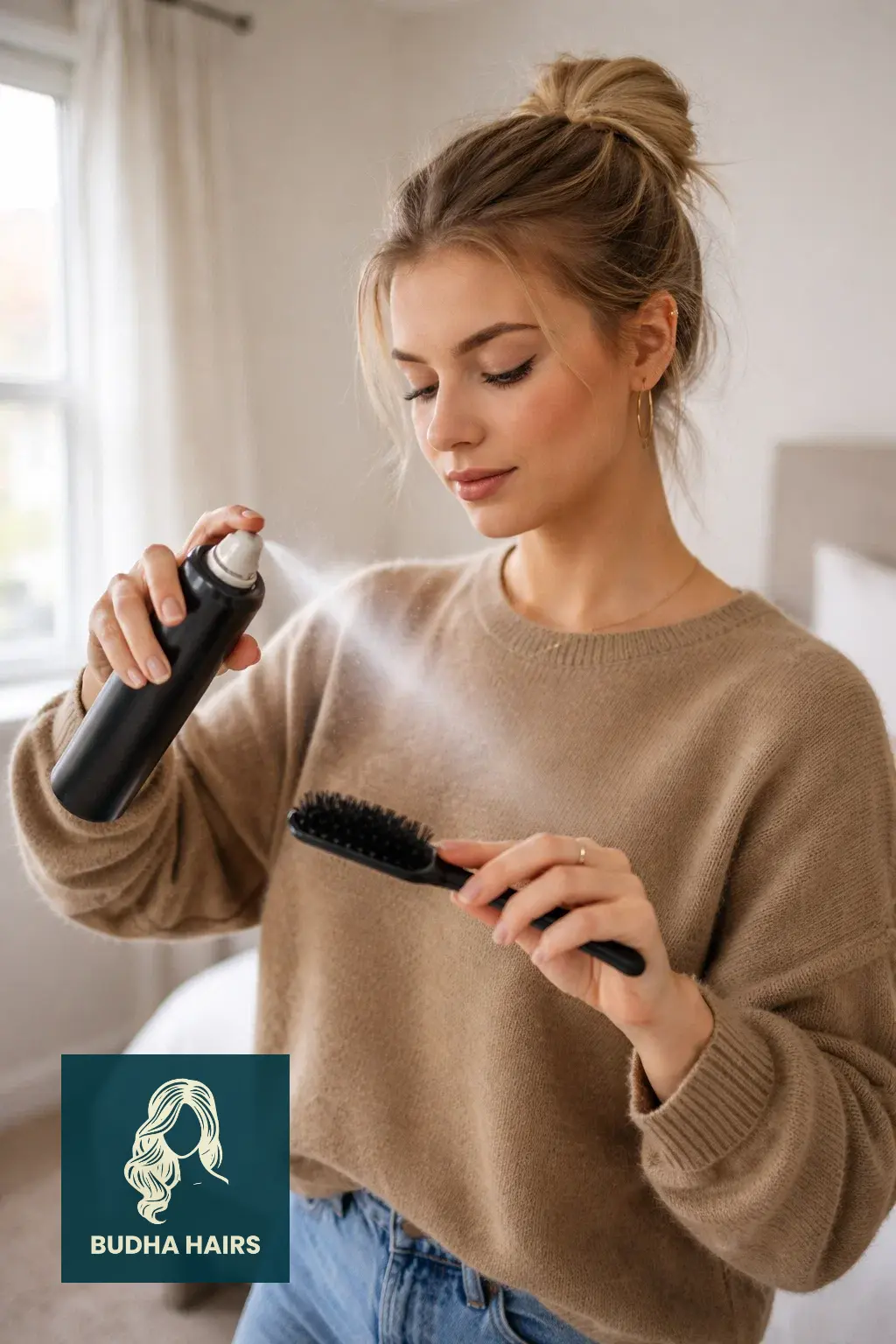
3. Hairspray on the Tool, Not the Head
Never spray hairspray directly onto your forehead; it clogs pores and creates a sticky mess on your skin. Always spray the product onto your brush, comb, or fingers, and then apply it to the hair. This concentrates the hold exactly on the fiber where it is needed.
Learning how to control baby hairs helps create a polished, smooth look without damaging delicate strands. Techniques from Natural Ingredients for Curly Hair provide gentle nourishment that tames flyaways while strengthening overall hair health.
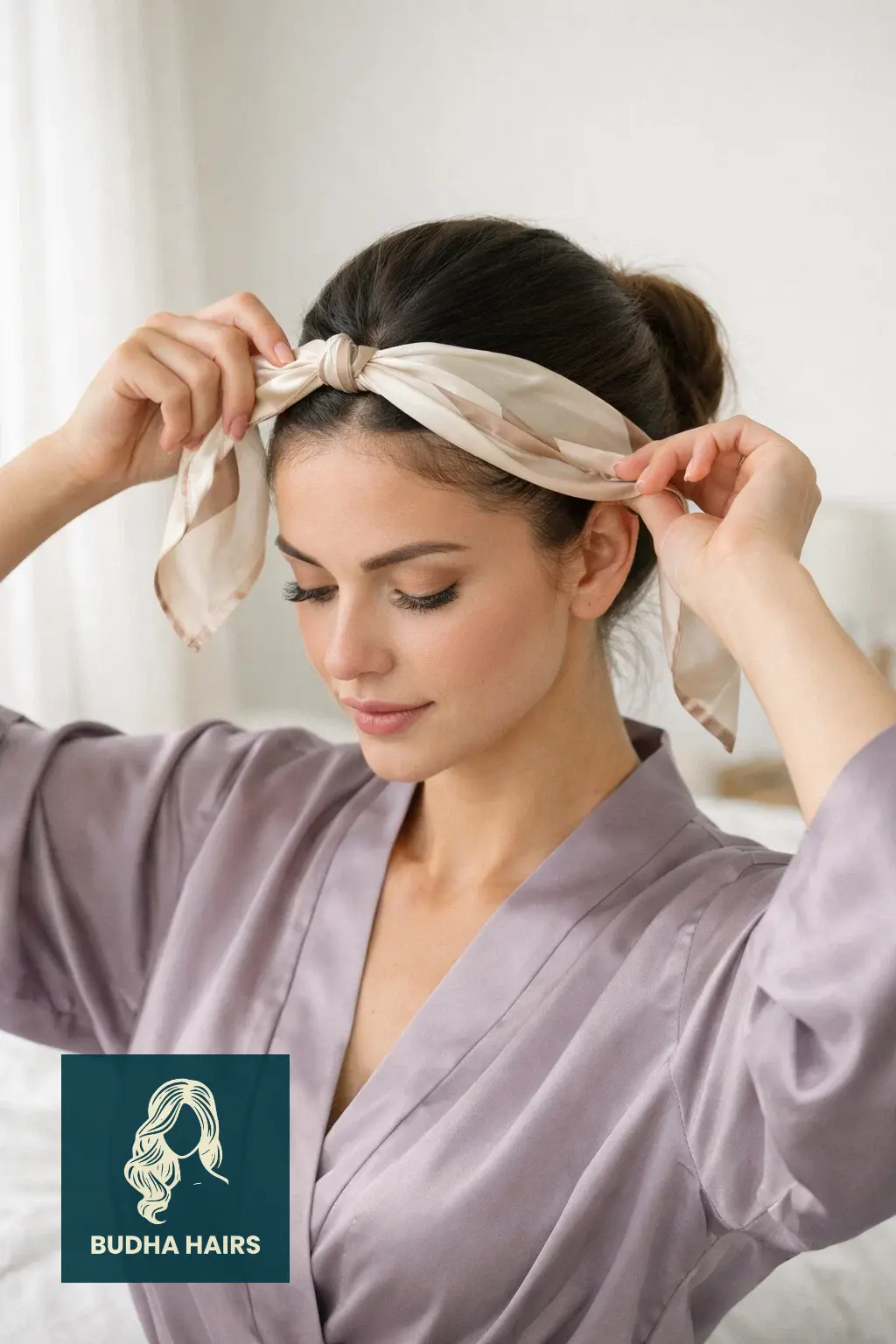
4. The Satin Scarf “Set”
This is the secret to longevity. After applying your gel or edge control, wrap a satin scarf or styling strip tightly around your hairline. Leave it on for 10-15 minutes (or while you do your makeup). The physical compression forces the hair to dry flat against the skin, ensuring the style lasts all day.
5. Use a Wax Stick (Pomade Stick)
For a sleek, non-wet look, use a wax stick (like the ones used for wigs). Apply the wax directly to the hairline and then smooth it out with a brush. Wax is heavier than gel and repels water, making it superior for humid days where water-based gels might frizz up.
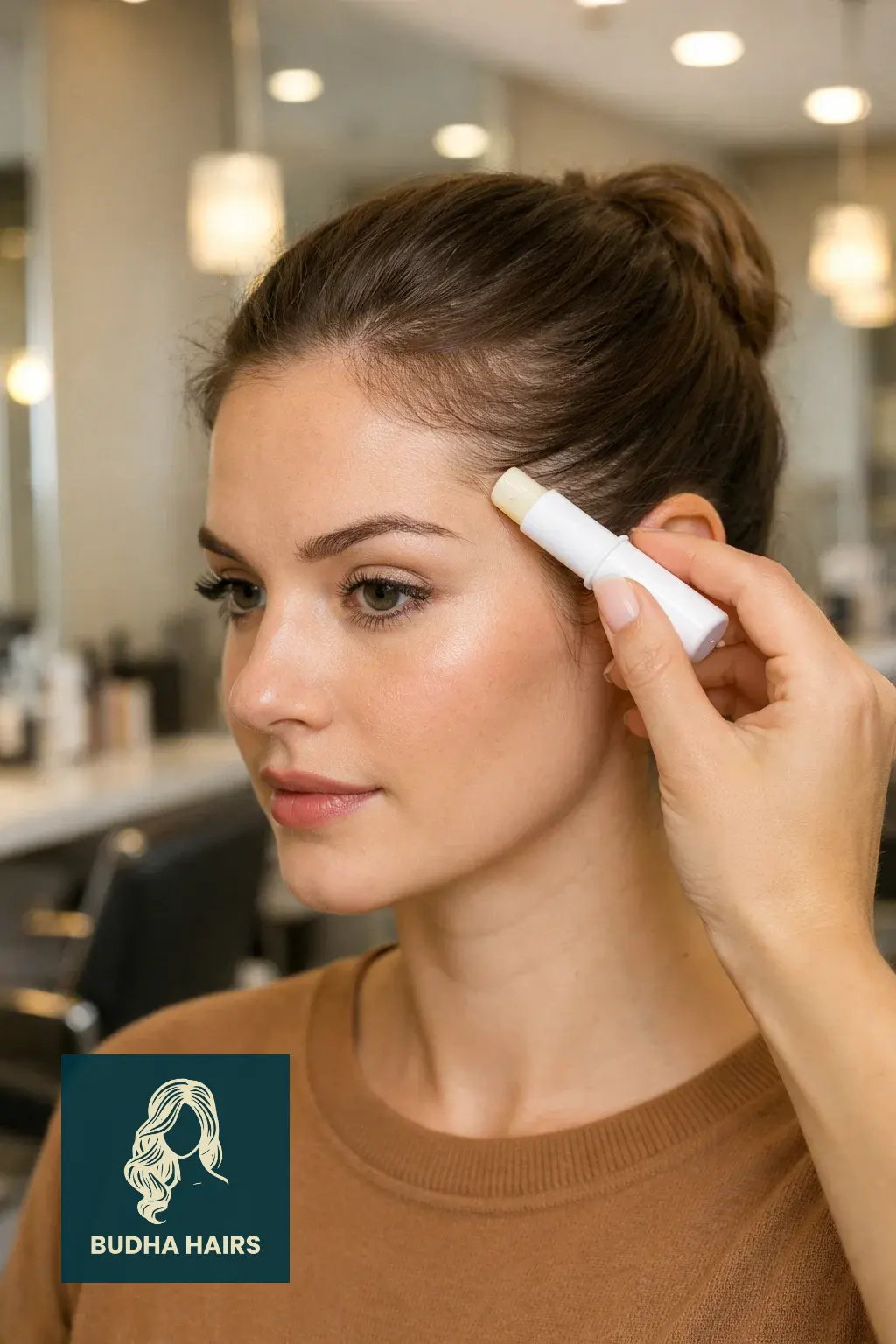
6. Cool Air Blow Dry
If your baby hairs stick straight up after a shower, reshape them while wet. Brush them down against your skin and hit them with a blow dryer on cool heat and low speed. The cool air sets the hydrogen bonds in the downward position, preventing them from springing back up as they dry.
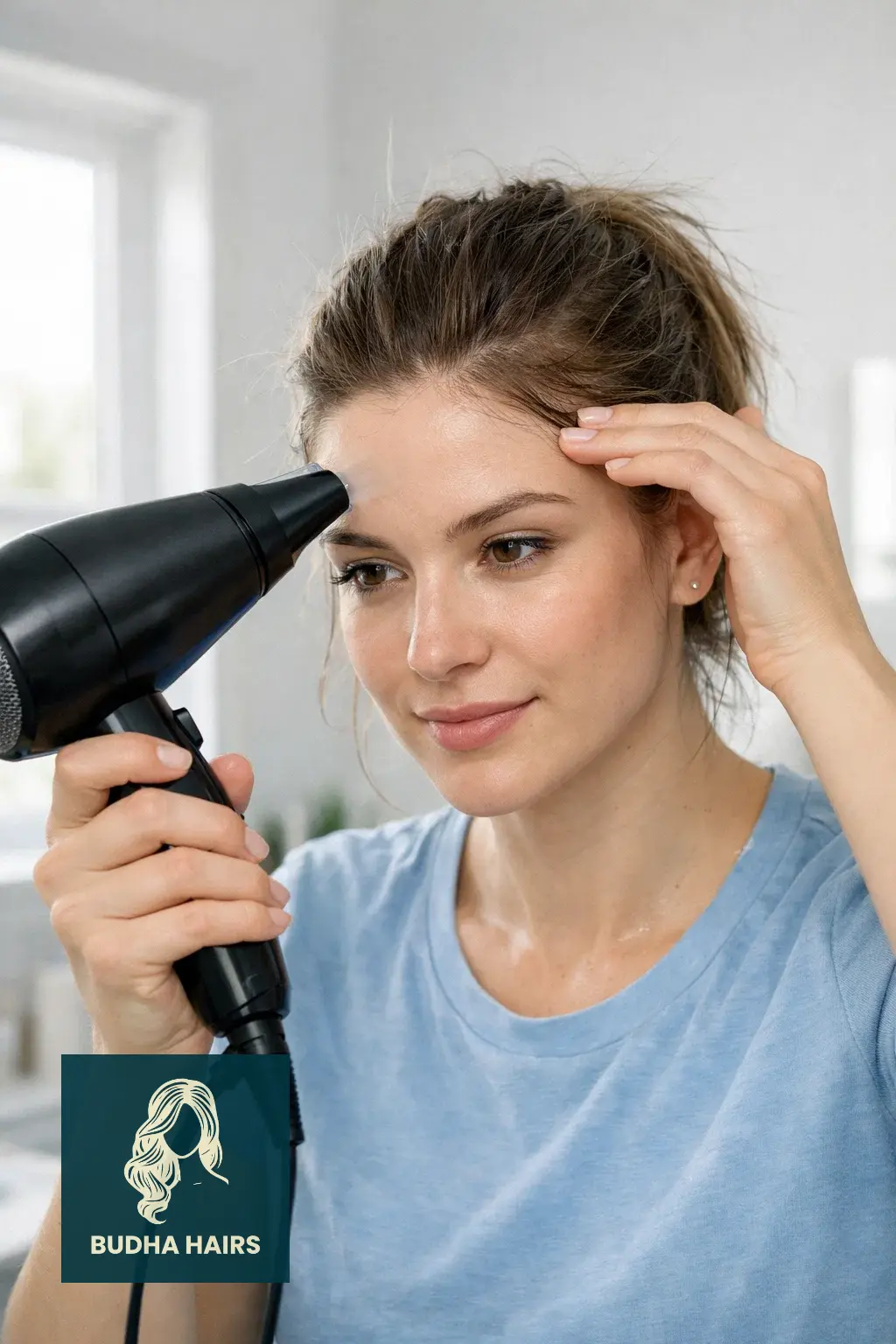
7. The “Rat-Tail” Comb for Swirls
If you want to create intricate “swoops” or designs, the metal end of a rat-tail comb is better than a brush. Use the tail to guide the hair into C-shapes or swirls with extreme precision, then use your finger to press and set the curve.
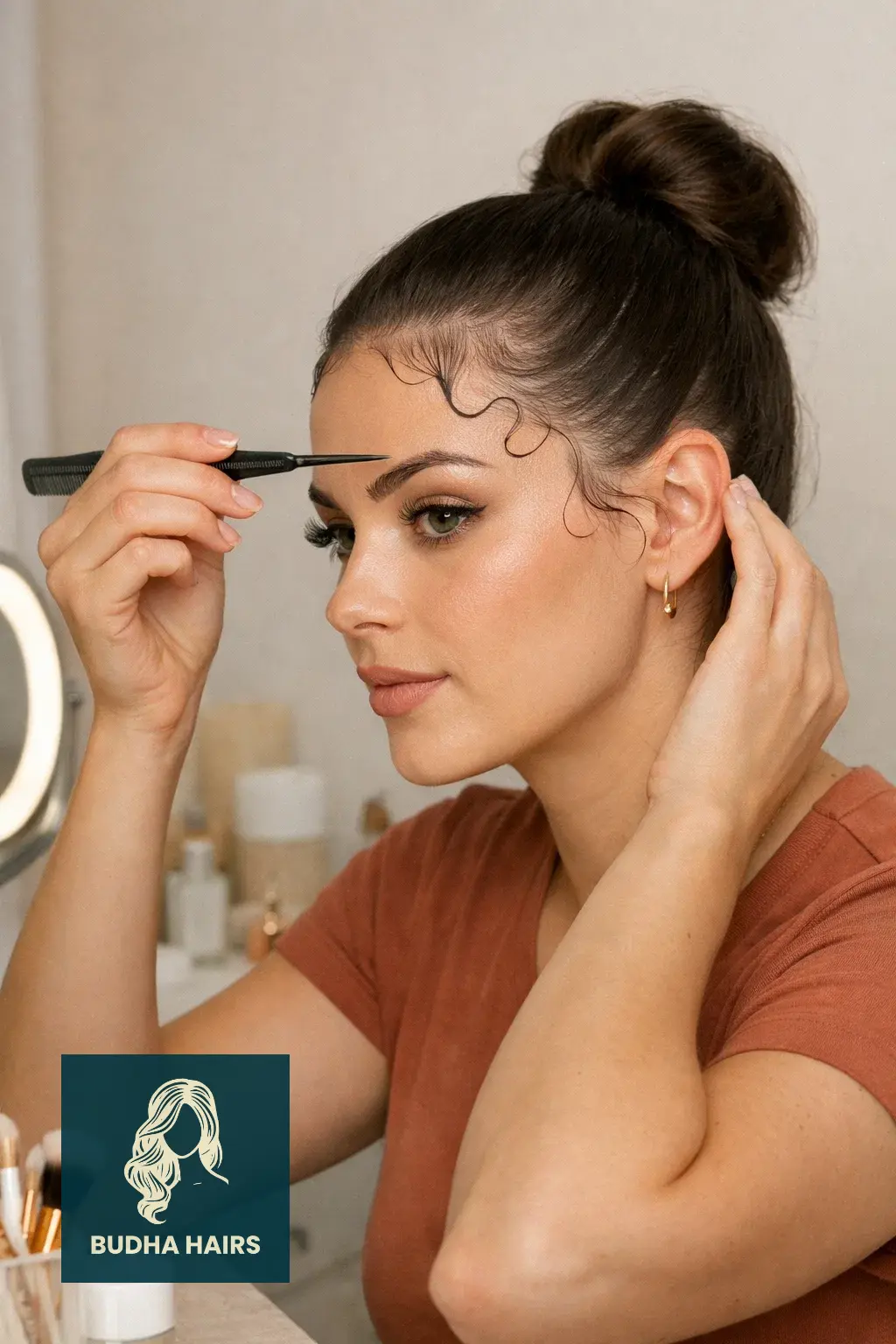
8. Avoid Alcohol-Based Gels
Many drugstore gels are loaded with alcohol, which dries out delicate baby hairs and leads to breakage over time. Look for “alcohol-free” edge controls or styling gels. These usually contain humectants that keep the hair soft and pliable rather than crunchy and dry.
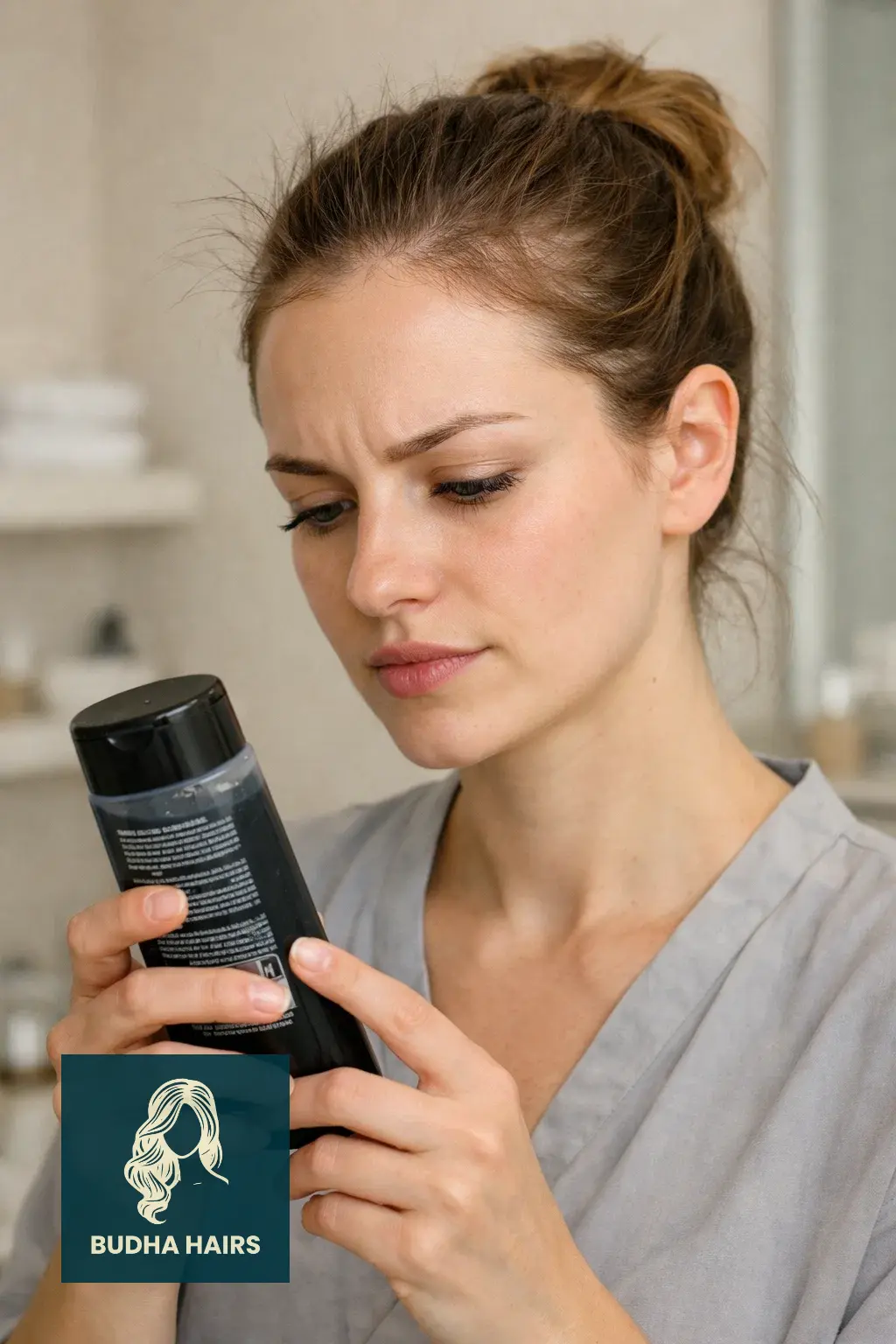
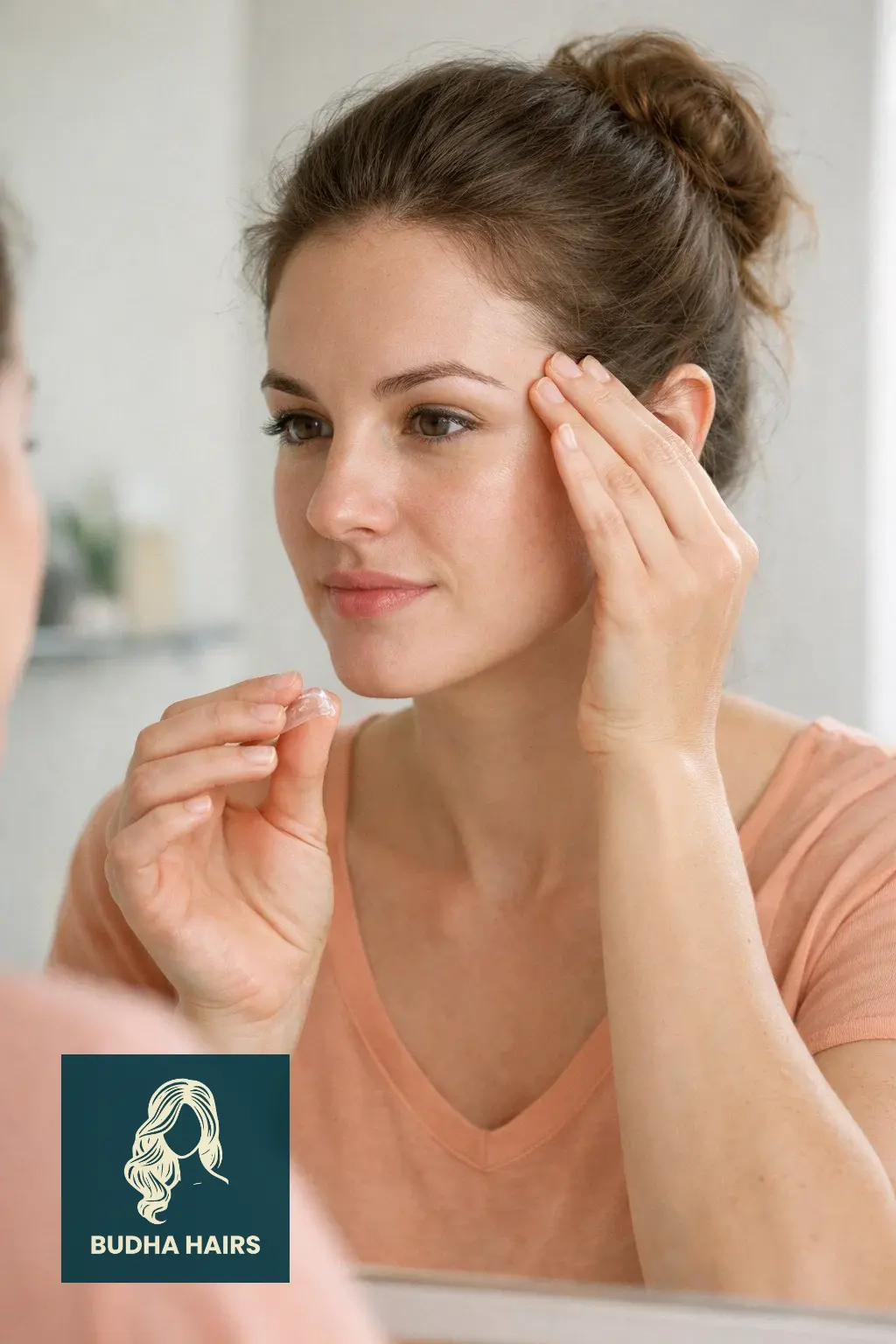
9. Use Lip Balm in a Pinch
If you are caught without products, a non-tinted, waxy lip balm works surprisingly well. The wax provides weight and stickiness to plaster fine hairs down. Rub a tiny amount on your finger and smooth the flyaways; it holds well without looking white.
Managing baby hairs effectively also prevents breakage at the hairline. Tips from How to Fix Split Ends Without Cutting maintain strand integrity while keeping edges neat and healthy.
10. Clean Your Hairline Nightly
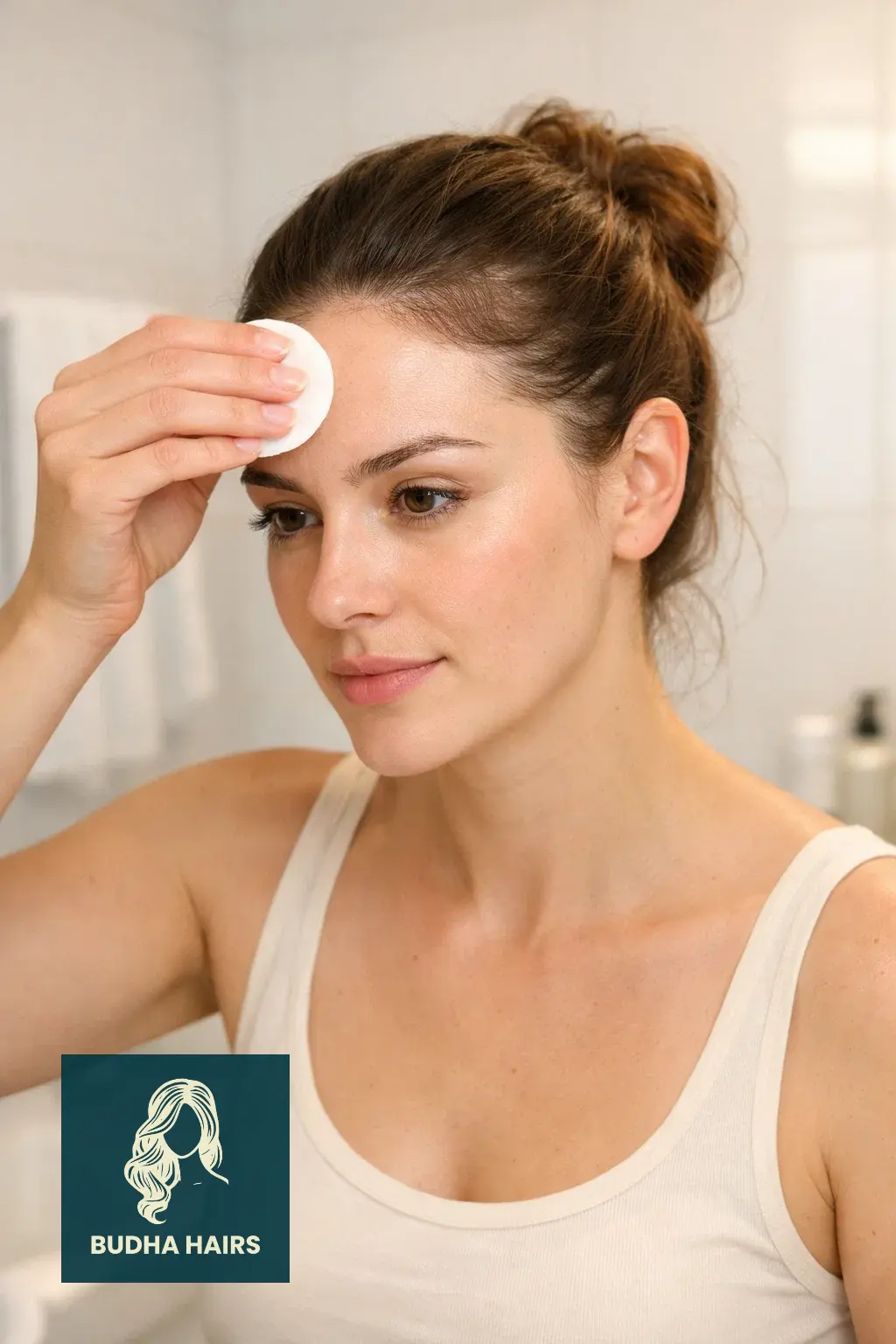
Product buildup causes acne and makes edges look flaky (the “white cast”). If you use heavy edge control, gently cleanse your hairline every night with micellar water or a face cleanser. Styling on top of old, dirty gel results in a clumpy, messy look.
11. Use Water to Reset, Not Hold
Don’t try to slick dry, frizzy baby hairs. Lightly mist them with water first to break the bonds and make them pliable. However, remember that water provides no hold—you must follow it immediately with a fixative product, or they will just dry frizzy again.

12. Hand Cream for Static
If your baby hairs are standing up due to static electricity (common in winter), a tiny dab of hand lotion can neutralize the charge. Rub the lotion into your hands until it’s almost gone, then gently graze your palms over your hairline to settle the static.

13. Mix Gel with Water
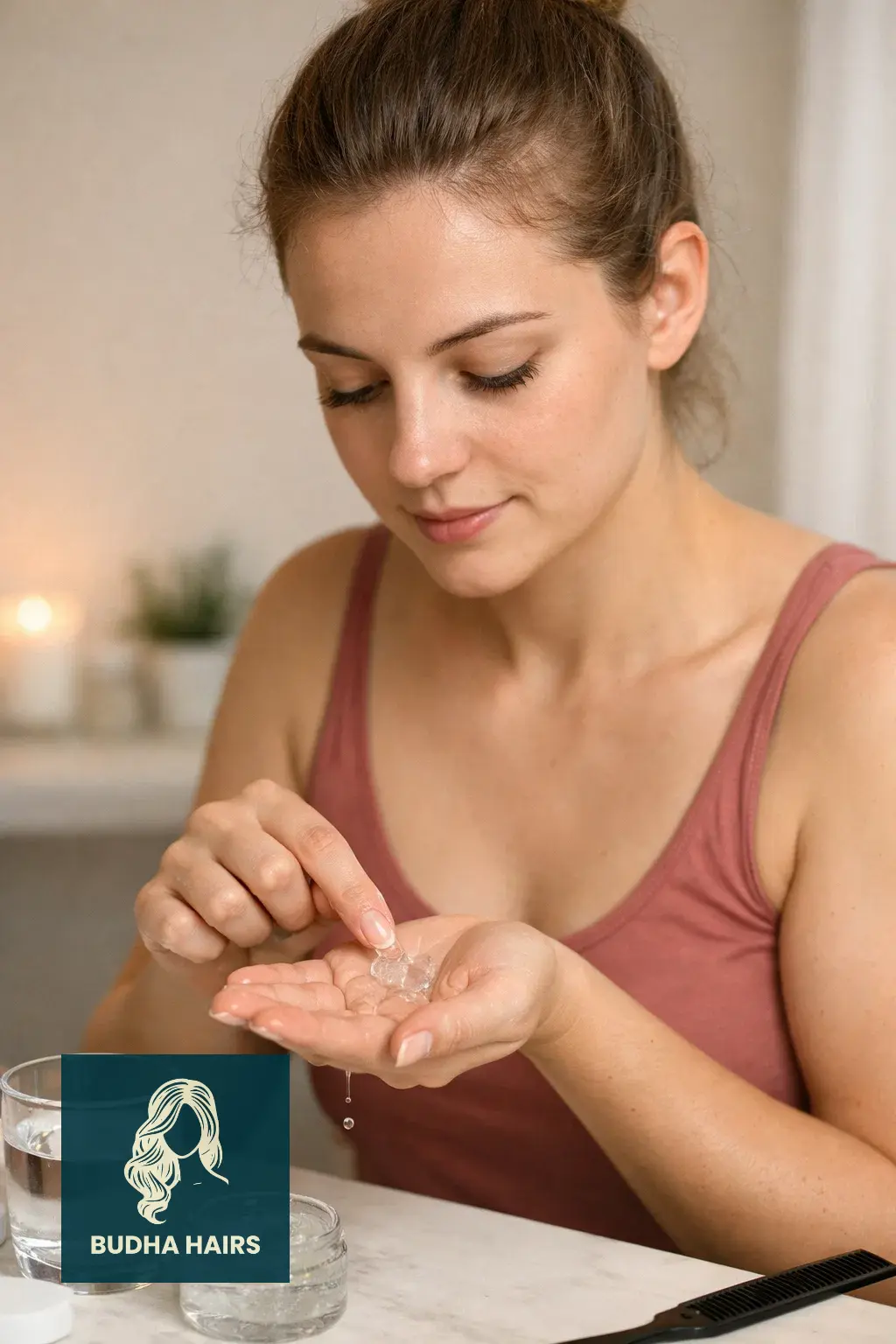
If your edge control is too thick or sticky, mix a little bit of it with a drop of water on the back of your hand. This dilutes the formula, making it lighter and easier to spread for a softer, more natural look that doesn’t look plastered down.
14. Follow the Grain
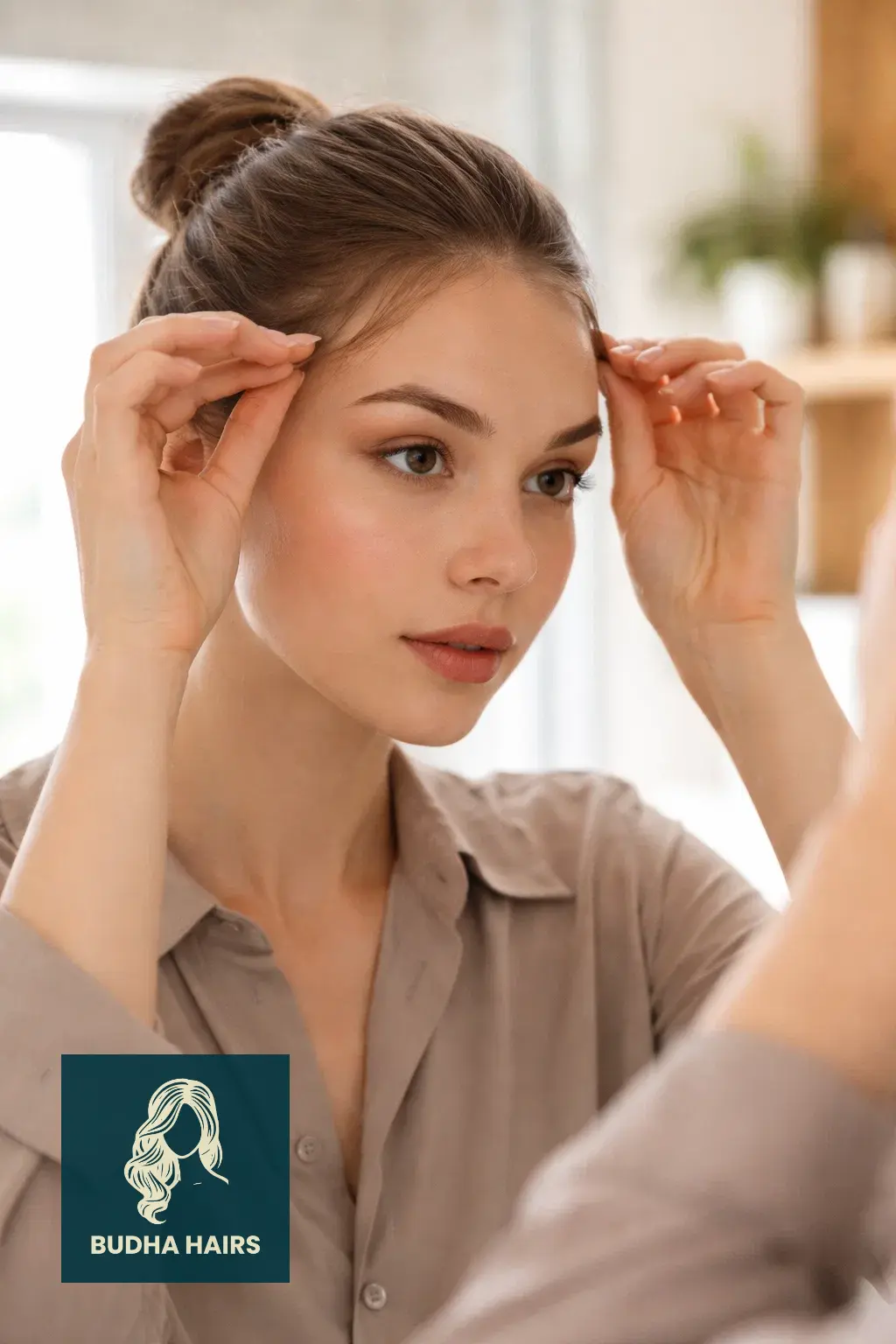
Baby hairs have strong growth patterns (cowlicks). Trying to force a hair that grows left to go right will usually fail. Work with the growth pattern; if it grows sideways, swoop it sideways and curve it back. It requires less product and looks more natural.
15. The “Tissue Paper” Trick
If you don’t have a satin scarf, place a piece of tissue paper over your wet edges and tie a scarf or headband over that. The tissue absorbs excess moisture while the band compresses the hair. Peel the tissue off gently once dry for a matte, set finish.
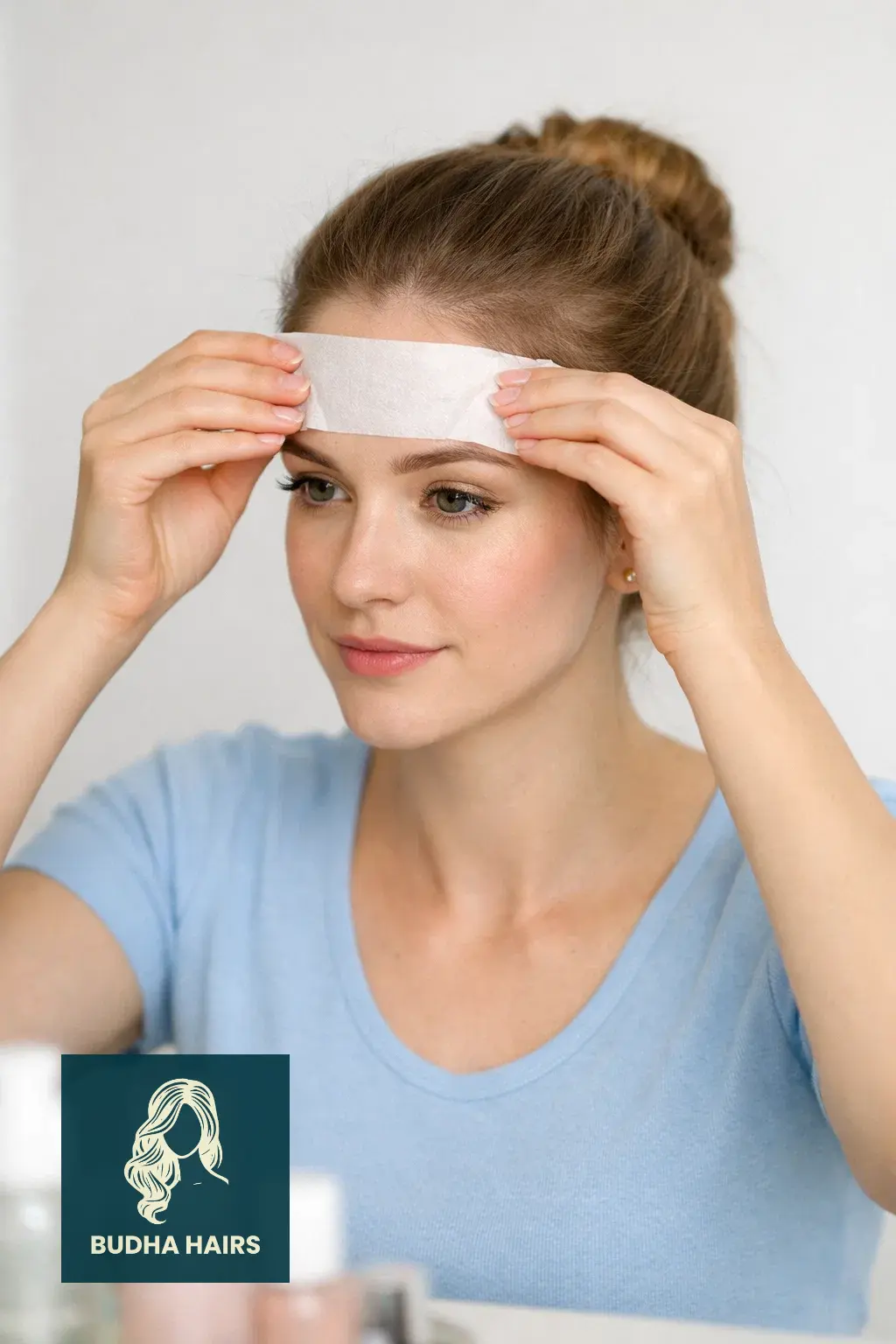
16. Spot-Weld with Fingers
For a stubborn hair that won’t stay down, spray hairspray onto your index finger. Press that finger directly onto the unruly hair and hold it against your skin for 10 seconds. The body heat plus the hairspray creates a “spot weld” that glues the hair in place.
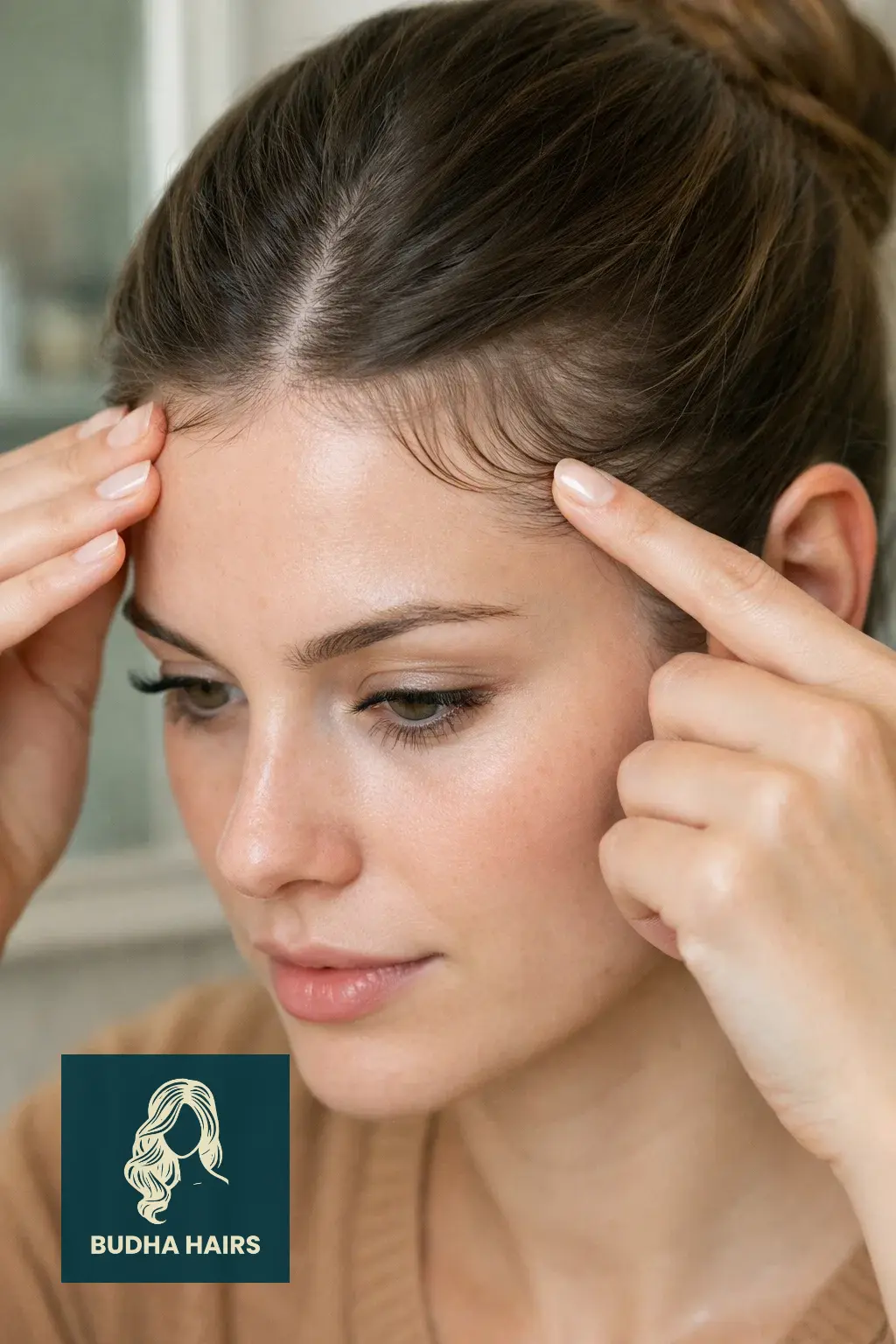
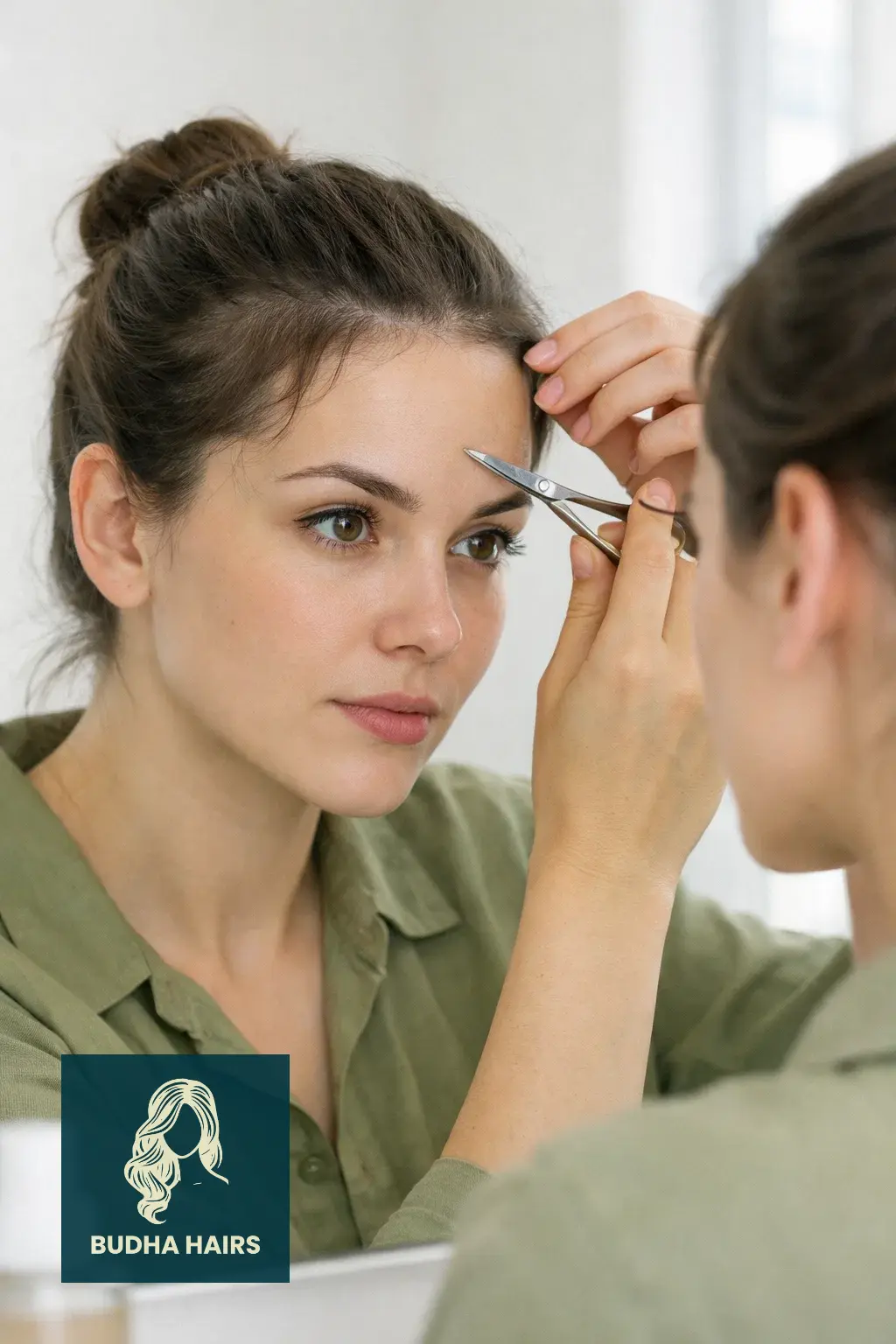
17. Trim Them (Carefully!)
Sometimes baby hairs are just too long to swoop but too short to fit in a ponytail. It is controversial but effective to trim them slightly to a manageable length. Warning: Only do this if you are experienced, or ask a stylist. Uneven cutting can make them stick up even more.
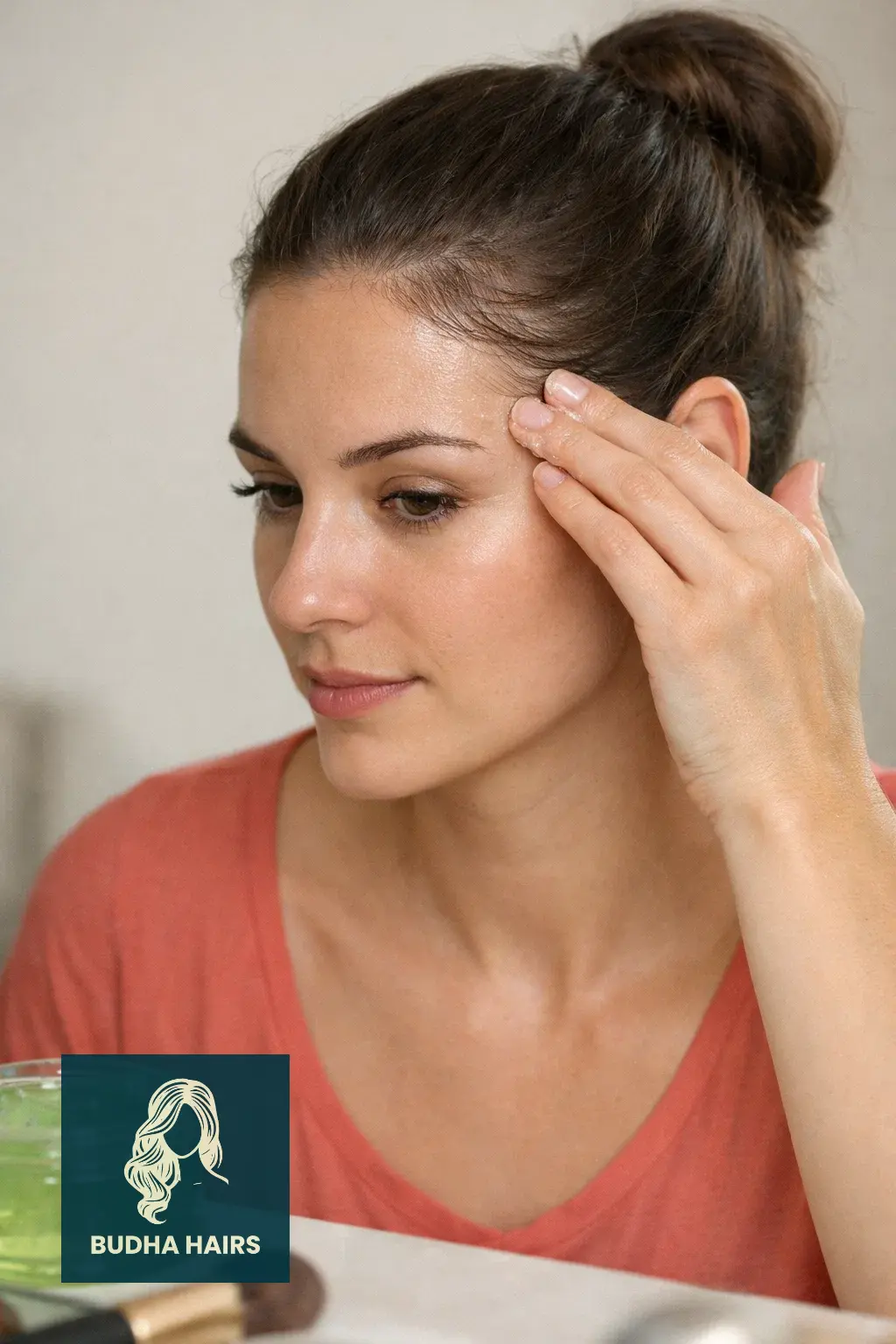
18. Aloe Vera for Natural Hold
For a chemical-free option, use pure Aloe Vera gel. It dries with a firm cast similar to hair gel but is completely natural and nourishing. It’s perfect for sensitive skin that breaks out from synthetic fragrances in traditional edge controls.
19. Integrate Them into Bangs
If you have a lot of breakage or baby hairs, consider cutting wispy bangs or “curtain bangs.” This incorporates the baby hairs into the main hairstyle, effectively hiding them by making them part of the fringe rather than trying to paste them back.

Promoting strong hair growth at the edges is key to long-term control. Incorporating Natural Remedies for Hair Growth supports healthier follicles and helps baby hairs grow in thicker and stronger over time.
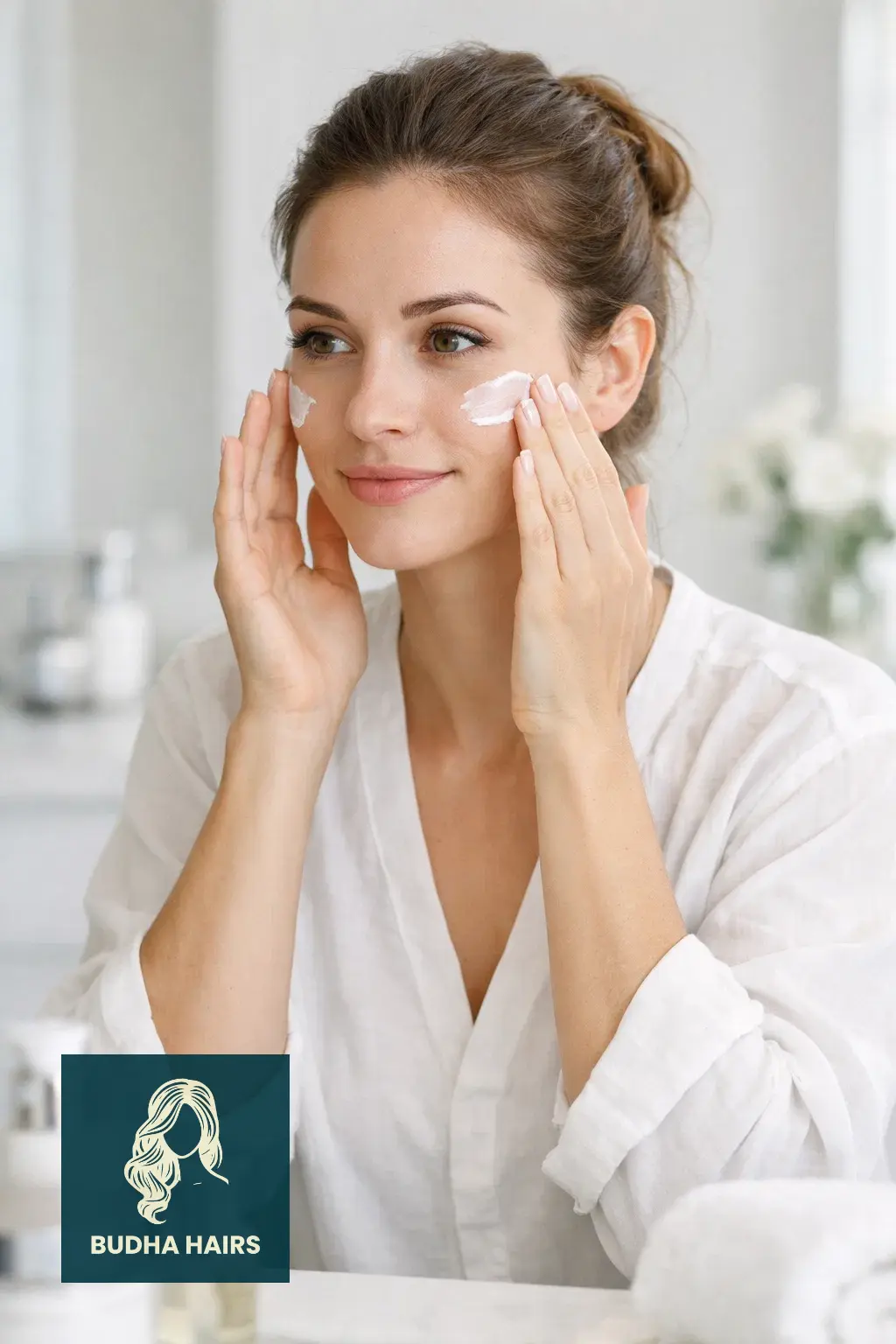
20. Watch Your Face Cream
Be careful when applying heavy face moisturizers or oils near your hairline. If these greasy products get onto your baby hairs, they will make them look oily and stringy. Apply your skincare carefully, or wipe your hairline with a toner before styling your edges.
Conclusion
Controlling baby hairs is an art form that relies on the right tools—like toothbrushes and spoolies—and the right “setting” techniques. By utilizing the 20 tips above, specifically the “scarf set” method and the use of precision wax sticks, you can turn messy flyaways into a deliberate, polished frame for your face. Whether you choose to slick them back invisibly or sculpt them into decorative swoops, the key is patience and using products that seal the hair without suffocating your skin.

I’m Budha Styler, a hair enthusiast who loves creating beautiful, confidence-boosting looks that feel true to who you are. I’m passionate about exploring new trends, techniques, and textures, and I enjoy turning that knowledge into simple, inspiring ideas anyone can try. Through my work, I hope to help you express your unique style, feel amazing in your own hair, and discover everyday looks that make you shine.