
Fine hair is characterized by a small diameter of the individual hair shaft, which means it lacks the internal protein structure (medulla) to hold itself upright. As a result, gravity pulls it flat against the scalp, and natural oils travel down the smooth shaft quickly, weighing it down further. The struggle to add volume is essentially a battle against physics: you must create artificial structure and friction to trick the hair into standing up.
The Science of “Flatness”
This guide explores the mechanics of fine hair and provides ten state-of-the-art styling techniques to create lasting, gravity-defying volume.
The Diameter Disadvantage
The primary reason fine hair falls flat is its lack of stiffness. Coarse hair acts like a thick wire that can support its own weight, while fine hair acts like a silk thread that collapses immediately. To correct this, you cannot just “add product” indiscriminately; you must use products that coat the hair shaft to increase its diameter (thickeners) or create a microscopic lattice structure (volumizers) that props the hair up from the outside.
The Oil Factor
Fine hair often goes hand-in-hand with an oily scalp. Because the hair is straight and smooth, sebum slides down the shaft instantly. This oil acts as a lubricant, causing hairs to clump together into heavy sections rather than fanning out individually. Volume is created by separation; therefore, managing oil production and adding “grit” to the hair surface is essential to keep strands separate and airy.
10 Expert Tips to Add Volume
Now, let’s explore 10 expert tips to add volume to your hair. From styling techniques and lightweight products to targeted care routines, these tips help boost lift, body, and fullness for a more voluminous look.
1. The “Reverse Washing” System
Conditioner is vital for hydration, but it is heavy. To combat flat roots, try “reverse washing”: apply your conditioner first to dry or damp ends, let it sit, and then shampoo your hair afterwards. The shampoo washes away the heavy residue of the conditioner while leaving the moisture inside the hair shaft. This leaves your roots squeaky clean and weightless, providing a natural lift that traditional washing often destroys.

2. Switch to Clear Shampoos
Creamy, pearlescent shampoos are usually loaded with heavy silicones and glycol distearates designed to weigh down frizz. For fine hair, these are kryptonite. Switch to clear, gel-based volumizing shampoos. These formulas are designed to cleanse thoroughly without depositing a film. Look for ingredients like “hydrolyzed wheat protein,” which can penetrate the hair shaft and temporarily stiffen it, adding structural support.

Learning how to add volume to fine hair can transform limp, flat strands into fuller, bouncy styles. Pairing these techniques with tips from How to Stop Hair from Shedding helps strengthen hair while giving it more body and resilience.
3. Master the “Upside Down” Blow Dry
Gravity is your enemy, so use it to your advantage during the drying process. Flip your head upside down and rough dry your hair until it is about 80% dry. By drying the roots while they are hanging perpendicular to the scalp, you “freeze” the hair in a lifted position. When you flip your head back over, the roots will naturally stand up rather than lying flat against your skull.

4. Use Mousse (The Real Hero)
Many people fear mousse because of the “crunchy” formulas of the 80s, but modern mousse is the best product for fine hair. Unlike heavy creams or oils, mousse is aerated and contains light polymers that dry into a scaffold around the hair. Apply a golf-ball-sized amount to damp roots and comb it through. It provides significant hold and increases the circumference of each strand without the weight of a gel.

5. Velcro Rollers for the “Cool Down”
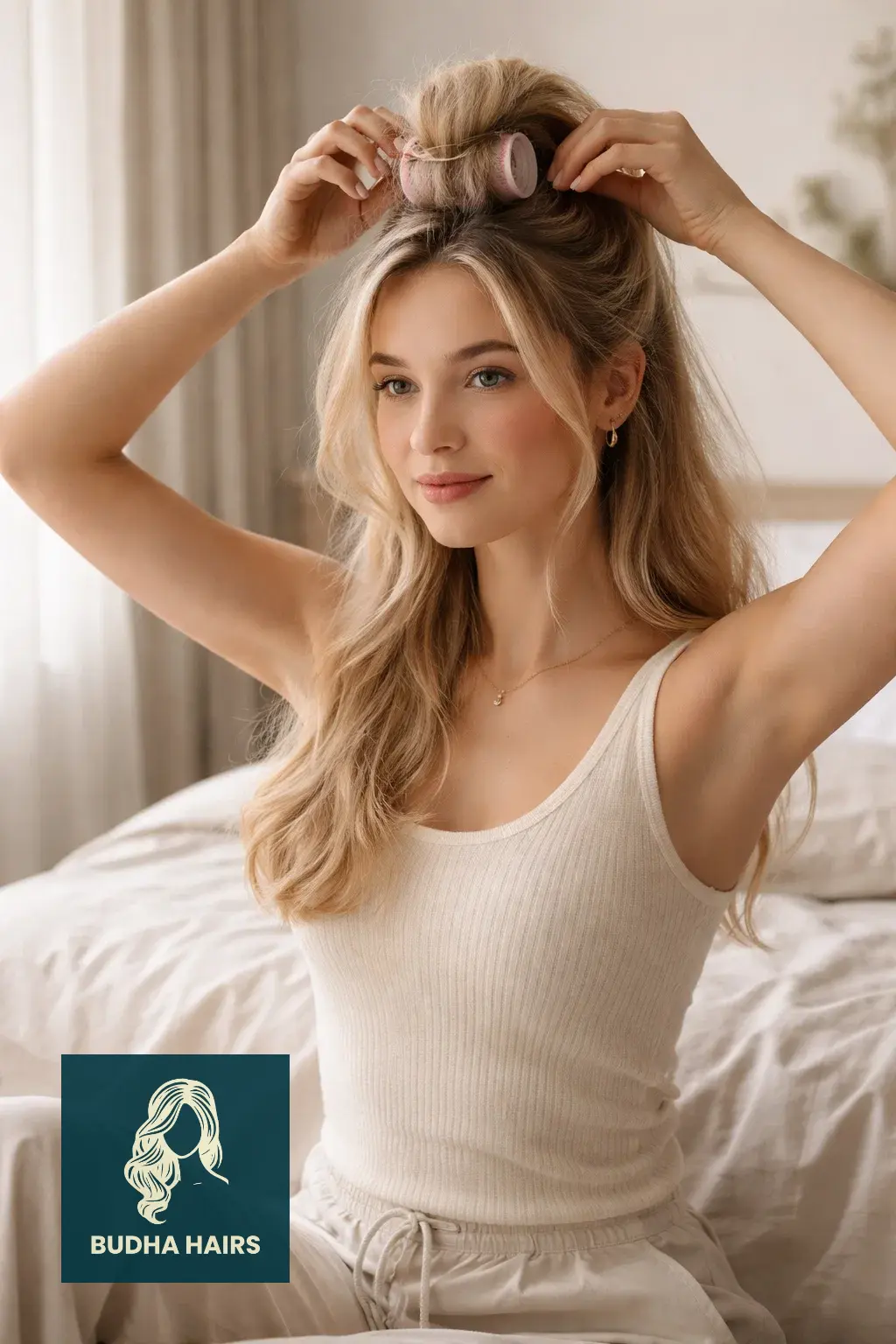
Heat molds the hair, but cooling sets it. After blow-drying, while your hair is still warm, roll the top “mohawk” section of your hair into 3 or 4 large velcro rollers. Let them sit for 10-15 minutes while the hair cools. The velcro material provides grip to keep the hair taut, and cooling it in this lifted shape locks in the volume for hours. This is the secret behind the “90s Supermodel” blowout look.
Proper styling for volume also works best when hair is healthy and evenly colored. Insights from How to Fix Uneven Hair Color help maintain vibrant, consistent tones while adding dimension to fine hair.
6. Dry Shampoo on Clean Hair
Don’t wait until your hair is greasy to use dry shampoo. Spray it on your clean, dry roots immediately after styling. The powder adds texture and friction, preventing the silky fine hairs from sliding against each other and falling flat. It also acts as a preventative barrier, soaking up oil the moment it is produced so it never has a chance to weigh down your style.

7. Change Your Parting
Hair gets “trained” to lay flat when it is parted in the same place every day. A simple, instant way to create volume is to flip your part to the opposite side. This forces the hair to go against its natural grain, creating an immediate arch at the root. If you prefer a center part, dry it in a deep side part first, then flip it back to the center once cool for added height.

8. Get a Blunt Cut
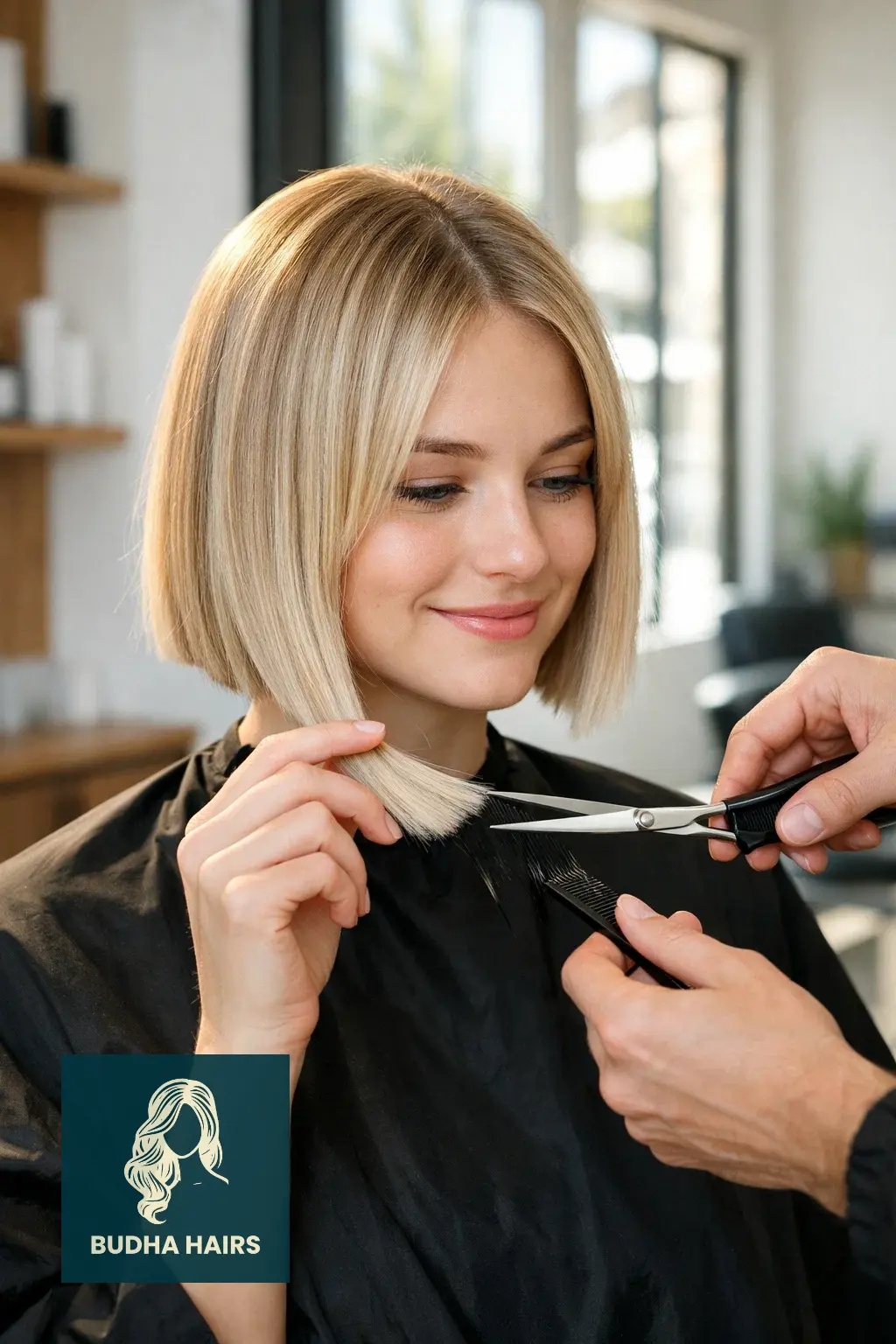
Wispy layers can make fine hair look stringy and transparent at the ends. Often, the best cut for fine hair is a blunt bob or a lob with minimal layering. A blunt weight line at the bottom makes the hair appear denser and thicker. If you need layers for movement, keep them long and internal so they don’t compromise the thickness of the perimeter.
9. Teasing (Backcombing) Correctly
Teasing has a bad reputation for damaging hair, but if done correctly, it is the most effective way to build a foundation. Lift a section of hair at the crown and use a fine-tooth comb to gently push the hair down towards the scalp once or twice (don’t saw back and forth). This creates a small cushion of hair at the root. Smooth the top layer over it to hide the tease. This cushion physically holds the hair up all day.

Supporting hair from within is key to long-term volume. Incorporating Vitamins for Thinning Hair for Women provides essential nutrients that strengthen fine strands and enhance natural thickness.
10. Multi-Tonal Color (Highlights)
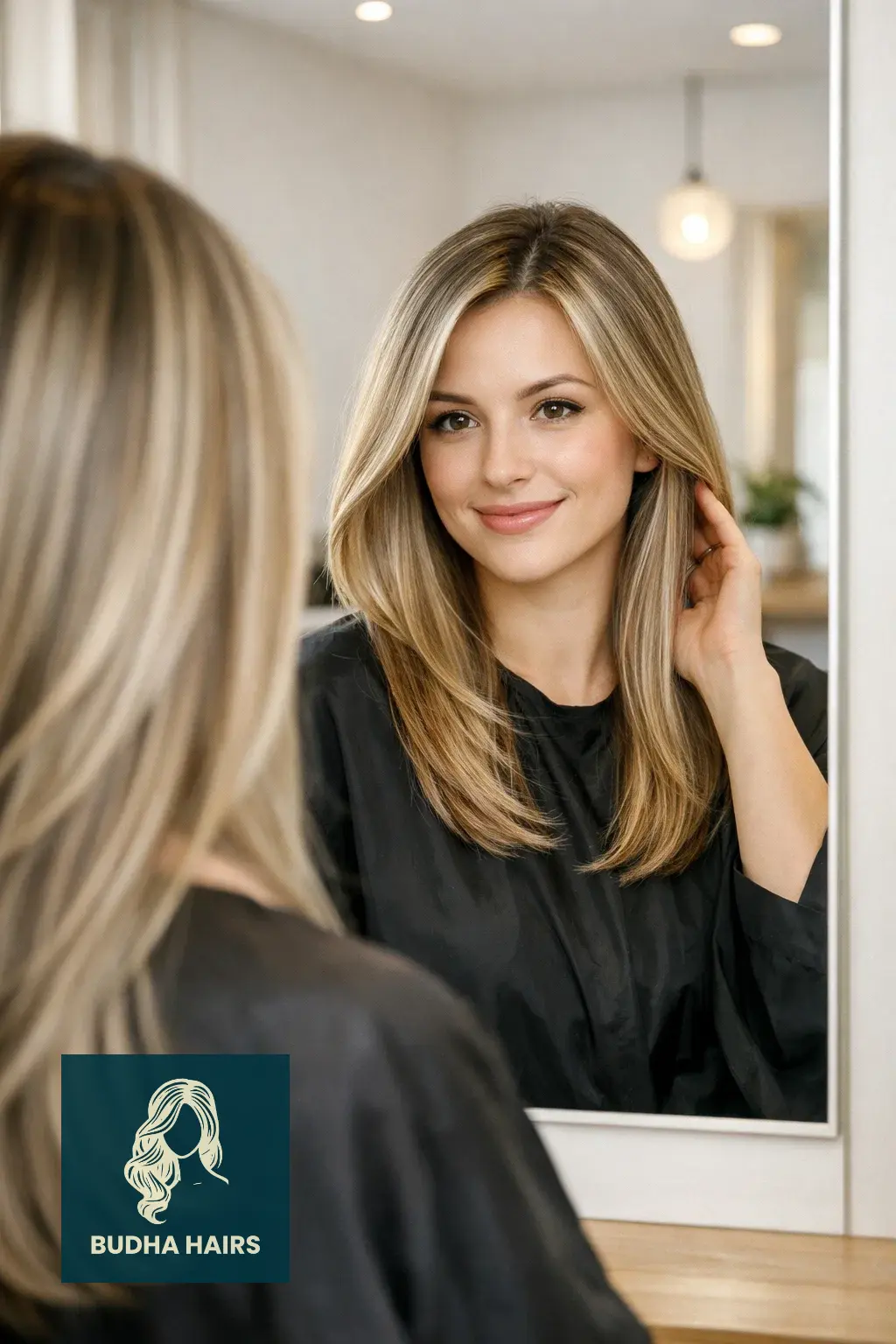
Virgin hair is often very slippery and flat. Adding highlights or lowlights roughens the cuticle slightly, adding much-needed texture and “grip” to the hair strands. The dye expands the hair shaft, physically thickening it. Additionally, the visual dimension of having lighter and darker shades creates a 3D illusion of depth, making the hair appear significantly fuller than a solid, flat color.
Conclusion
Adding volume to fine hair is about structural engineering. You must remove weight through reverse washing and clear shampoos, and then build a scaffold using mousse, velcro rollers, and friction-based styling. By abandoning heavy creams and embracing lightweight, texturizing techniques, you can transform limp strands into a full, dynamic style that defies gravity.

I’m Budha Styler, a hair enthusiast who loves creating beautiful, confidence-boosting looks that feel true to who you are. I’m passionate about exploring new trends, techniques, and textures, and I enjoy turning that knowledge into simple, inspiring ideas anyone can try. Through my work, I hope to help you express your unique style, feel amazing in your own hair, and discover everyday looks that make you shine.


