Seeing a clump of hair in the shower drain or finding strands all over your pillow can be alarming, triggering immediate fears of balding or health issues. However, hair shedding is a completely natural biological function, necessary for the regeneration of new, healthy fibers. In fact, keeping every hair on your head forever would prevent the replacement of damaged shafts. The question is not if you should shed, but how much is too much.
The Numbers: What is “Normal”?
This comprehensive guide breaks down the exact numbers behind the hair growth cycle, explains the “seasonal shedding” phenomenon, and provides ten expert tips to minimize fall-out and keep your density intact.
The 50-100 Strand Rule
Dermatologists and trichologists universally agree that shedding 50 to 100 hairs per day is considered normal for a healthy adult. This number can fluctuate based on your hair length and texture; people with longer or curly hair often “trap” shed hairs within their curls, meaning they only fall out when washed or brushed, making it appear as though they are losing significantly more (sometimes up to 150-200 on wash days). This daily loss is simply the result of follicles entering the Exogen phase, where the old hair fiber is released to make room for a new one.
The Hair Growth Cycle Explained
To understand shedding, you must understand the cycle. At any given time, about 85-90% of your hair is in the Anagen (growing) phase, which lasts 2-7 years. The remaining 10-15% is in the Telogen (resting) phase. After resting for about 3 months, these hairs fall out. If you notice a tiny white bulb at the end of a fallen hair, that is a good sign—it means the hair shed naturally from the resting phase and the follicle is likely healthy and preparing to grow a new strand. If the hair has no bulb, it likely broke off due to mechanical damage rather than natural shedding.
Seasonal Shedding Peaks
Just like mammals shed their winter coats, humans experience “seasonal shedding.” Research indicates that hair shedding often peaks in late summer and early autumn. This is believed to be an evolutionary holdover where the body retains more hair during the summer to protect the scalp from UV rays, then releases it once the sun’s intensity fades. If you notice an uptick in hair fall during September or October, it is likely a temporary seasonal adjustment rather than permanent hair loss.
Causes of Excessive Shedding (Telogen Effluvium)
When shedding exceeds 100-150 hairs daily for a prolonged period, it is classified as Telogen Effluvium. This is a temporary condition where a “shock” to the system pushes up to 70% of your anagen hairs into the resting phase prematurely. Because the resting phase lasts about 3 months, you typically won’t see the shedding until 3 months after the triggering event.
- Common Triggers:
- High Stress/Cortisol: Severe emotional stress forces follicles to “shut down” and rest.
- Illness/Fever: High fevers or infections can interrupt the growth energy supply.
- Post-Partum: The drop in estrogen after childbirth triggers massive shedding of the hair “saved” during pregnancy.
- Rapid Weight Loss: A lack of protein or calories signals the body to stop non-essential functions like hair growth.
10 Expert Tips to Reduce Shedding
Now, let’s explore 10 expert tips to reduce hair shedding. From gentle care routines and scalp stimulation to proper nutrition and stress management, these strategies help maintain stronger, fuller hair.
1. The “Pull Test” Self-Check
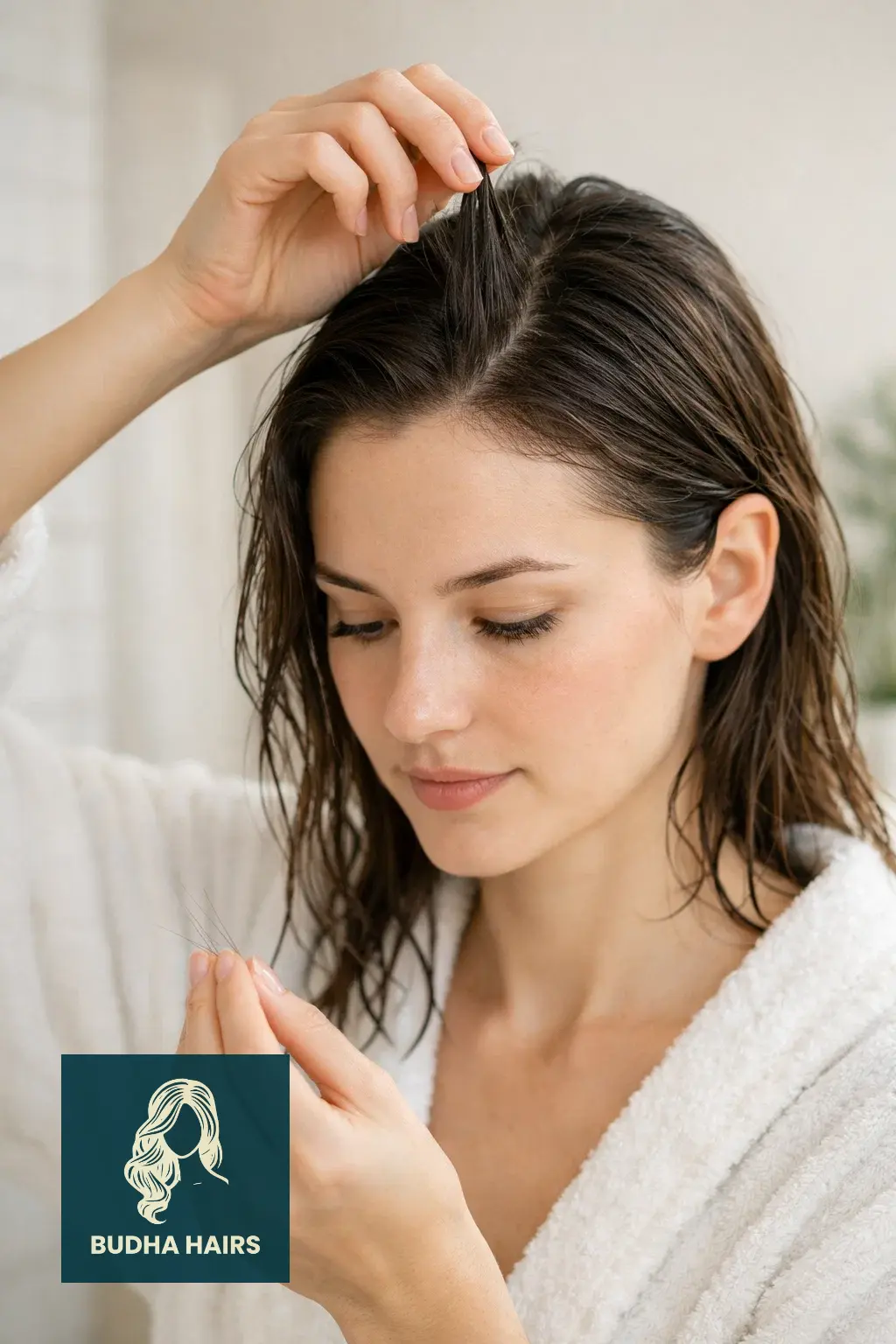
Before treating, check if you are truly shedding excessively. Grasp a small section of hair (about 40-60 strands) near the root and gently but firmly pull the hair as you slide your fingers to the ends. If fewer than 3 hairs come out, you are normal. If more than 10 hairs come out easily, you likely have active Telogen Effluvium and should focus on internal health rather than just topical products.
Understanding how much hair shedding is normal helps you distinguish between typical hair loss and potential issues. Adopting practices from How to Stop Hair from Shedding can strengthen strands and maintain a healthy scalp.
2. Increase Protein Intake
Hair is composed almost entirely of keratin, a protein. If you are not eating enough protein, your body will ration it for essential organs and cut off the supply to your hair follicles first. Ensure you are getting at least 40-60 grams of protein daily from sources like eggs, lean meats, lentils, or Greek yogurt to provide the “building blocks” for hair retention.

3. Check Your Iron (Ferritin) Levels
Iron deficiency is the leading cause of hair shedding in women, even before it causes anemia. You need to check your “Ferritin” levels (stored iron), not just your blood iron. If your Ferritin is below 40 ng/mL, your body may not have enough iron to support the hair growth cycle. Supplementing with iron (under a doctor’s supervision) can often stop shedding within a few months.

4. Switch to a Wide-Tooth Comb
Mechanical stress pulls out hairs that were loosely resting but not ready to fall yet. Switch from dense bristle brushes to a wide-tooth comb, especially when detangling. Always start detangling from the very ends and work your way up to the roots. This prevents “locking” tangles that rip healthy hair out of the follicle.

5. Prioritize Scalp Hygiene
A healthy follicle anchors hair better. If your scalp is clogged with sebum (oil) and product buildup, inflammation can occur, weakening the grip of the hair root. Use a gentle clarifying shampoo once a week to unclog follicles and ensure that the scalp environment is oxygenated and clean, promoting longer retention of the hair strand.

Monitoring hair loss also works best when paired with a proper care routine. Following a Hair Routine for Thin Straight Hair ensures your strands stay nourished, reducing breakage and promoting overall hair health.
6. Manage Cortisol (Stress)
Since stress is a primary trigger for shedding, lowering cortisol is a direct treatment. High cortisol degrades the skin structures that hold the hair in place. Incorporating adaptogens (like Ashwagandha) or practicing 10 minutes of daily breathwork can lower systemic inflammation and signal to your body that it is “safe” to resume normal hair growth.

7. Avoid “Traction” Hairstyles
Tight ponytails, heavy buns, and braids create constant tension on the follicle (Traction Alopecia). While this usually causes breakage, chronic tension can also induce inflammation that triggers the follicle to enter the shedding phase prematurely. Wear your hair down or in loose styles with silk scrunchies to give the follicles a “rest.”

8. Supplement with Vitamin D
Vitamin D receptors are crucial for initiating the Anagen (growth) phase. A deficiency in Vitamin D is strongly linked to various forms of hair shedding and thinning. Since it is difficult to get enough from food alone, especially in winter, a daily supplement can help maintain the follicle’s ability to cycle correctly.

9. Gentle Drying (No Rubbing)
Aggressively rubbing wet hair with a towel creates friction that pulls on the roots. Since wet hair is more elastic and the follicle is more relaxed, it is easier to accidentally pull out hair in the shower. Switch to a microfiber towel and gently blot or squeeze the water out to minimize the mechanical force applied to the roots.

10. Be Patient with the “Lag Time”
Understand that shedding is a delayed reaction. If you fix your diet or reduce stress today, the shedding might continue for another 2-3 months because those hairs had already entered the resting phase weeks ago. Consistency is key; do not abandon your healthy routine just because you don’t see results in the first week.

Adding texture and body can make thinning hair appear fuller. Techniques from How to Add Volume to Fine Hair help create the appearance of thicker hair while supporting long-term strand strength.
Conclusion
Shedding 50 to 100 hairs a day is not only normal, it is a sign of a functioning renewal system. However, if you notice a sudden, diffuse increase in hair fall that lasts longer than three months, it is vital to look at your internal health—specifically iron levels, stress, and hormonal balance. By distinguishing between natural cycling and stress-induced shedding, and applying these ten tips to support follicle health, you can weather the “shedding seasons” and maintain a full, healthy head of hair.

I’m Budha Styler, a hair enthusiast who loves creating beautiful, confidence-boosting looks that feel true to who you are. I’m passionate about exploring new trends, techniques, and textures, and I enjoy turning that knowledge into simple, inspiring ideas anyone can try. Through my work, I hope to help you express your unique style, feel amazing in your own hair, and discover everyday looks that make you shine.