
How to Repair Damaged Hair is a journey that requires patience, consistency, and a deep understanding of what your strands truly need to thrive. We often see people reach for expensive, chemical-heavy treatments the moment they notice split ends or a lack of shine, but these “quick fixes” sometimes do more harm than good in the long run. I have found that the most effective way to bring your hair back to life is by focusing on the balance of moisture and protein, which are the two pillars of healthy hair. When your hair feels brittle, dry, or over-processed, it is essentially crying out for a “reset,” and turning to targeted repair methods is the gentlest way to restore its structural integrity and natural beauty.
In our experience, the key to success with hair care is focusing on the specific stressors your hair faces daily, such as heat, pollution, or chemical treatments. I have noticed that many people struggle with heat-damaged hair or environmental stress, which can leave the hair cuticle “lifted” and prone to snapping. By using smart, restorative solutions like essential oils, deep-conditioning masks, and better daily habits, you can slowly but surely repair that damage and see a real difference in the texture and strength of your locks. Throughout this guide, we will explore 10 common reasons why your hair might be struggling and 10 effective tips to fix it and restore your hair’s natural vitality. We want to help you fall in love with your hair again, so let’s get started on your path to healthier, stronger, and more vibrant hair.
How to Repair Damaged Hair
In this article, we will discuss Common Causes and Simple Fixes to help you understand why your hair is damaged and how to restore its natural health using effective, restorative solutions.
10 Common Causes of Hair Damage
- Excessive Heat Styling: Daily use of flat irons and curling wands “cooks” the hair proteins, leading to extreme brittleness.
- Chemical Over-Processing: Bleaching and perms break the hair’s internal bonds, leaving it feeling like straw.
- UV Sun Exposure: Prolonged time in the sun breaks down the outer hair layer, causing dryness and color fading.
- Poor Nutrition: A diet lacking in proteins and vitamins prevents hair from growing in strong and resilient.
- Hard Water Minerals: High levels of calcium and magnesium in water create a waxy film that blocks moisture.
- Rough Towel Drying: Vigorously rubbing wet hair with cotton towels causes friction that snaps fragile strands.
- Tight Hairstyles: Constant high ponytails and buns cause “traction” stress and breakage along the hairline.
- Environmental Pollution: Smoke and dust particles get trapped in the cuticle, making hair feel rough and dull.
- Chlorine and Salt Water: Swimming chemicals strip away natural oils, leaving hair “crunchy” and dehydrated.
- Aggressive Brushing: Using the wrong brush on wet hair stretches the strands until they reach a breaking point.
10 Essential Tips to Repair Damaged Hair
1. Weekly Deep-Conditioning Oil Treatments
The most effective way to start your journey of How to Repair Damaged Hair is with a weekly deep-conditioning oil treatment. I recommend using organic coconut oil or argan oil, as these are small enough to actually penetrate the hair shaft and nourish it from within. Simply apply the oil to dry hair, leave it on for at least an hour, and then wash it out for an instant boost of softness and shine.

Learning how to repair damaged hair starts with restoring moisture and removing buildup that weakens strands. Addressing problems like Sticky Hair After Washing helps reset hair health and improves overall texture.
2. Swap to a Silk or Satin Pillowcase
A very easy fix for mechanical damage is to switch your cotton pillowcase for a silk or satin one. I have noticed that silk allows the hair to “glide” across the surface while you sleep, which significantly reduces friction, frizz, and morning tangles. This is a fantastic way to protect your hair for 8 hours a day without having to use any extra products.

3. Implement an Apple Cider Vinegar Rinse
To fix dullness and “lifted” cuticles, an apple cider vinegar (ACV) rinse is a must-have tool. The acidity of the vinegar helps to flatten the hair cuticle, which locks in moisture and makes the hair reflect light much better. I suggest mixing one part ACV with four parts water and using it as a final rinse after you wash your hair for a smooth finish.

4. Use a Microfiber Towel for Drying
If you want to stop the cycle of breakage, stop using heavy cotton towels on your wet hair. I recommend gently squeezing out excess water with a microfiber towel or an old cotton t-shirt to avoid friction. We have found that this simple change prevents the cuticle from being “roughed up,” which keeps your hair much smoother.

5. Prioritize Air-Drying Over Heat
To stop the cycle of heat damage, the best thing you can do is put down the blow dryer and let your hair air-dry whenever possible. I have found that reducing your heat usage by even 50% can make a massive difference in the health and strength of your hair. When you must use heat, always apply a natural heat protectant like grapeseed oil first.

6. Schedule Regular Micro-Trims
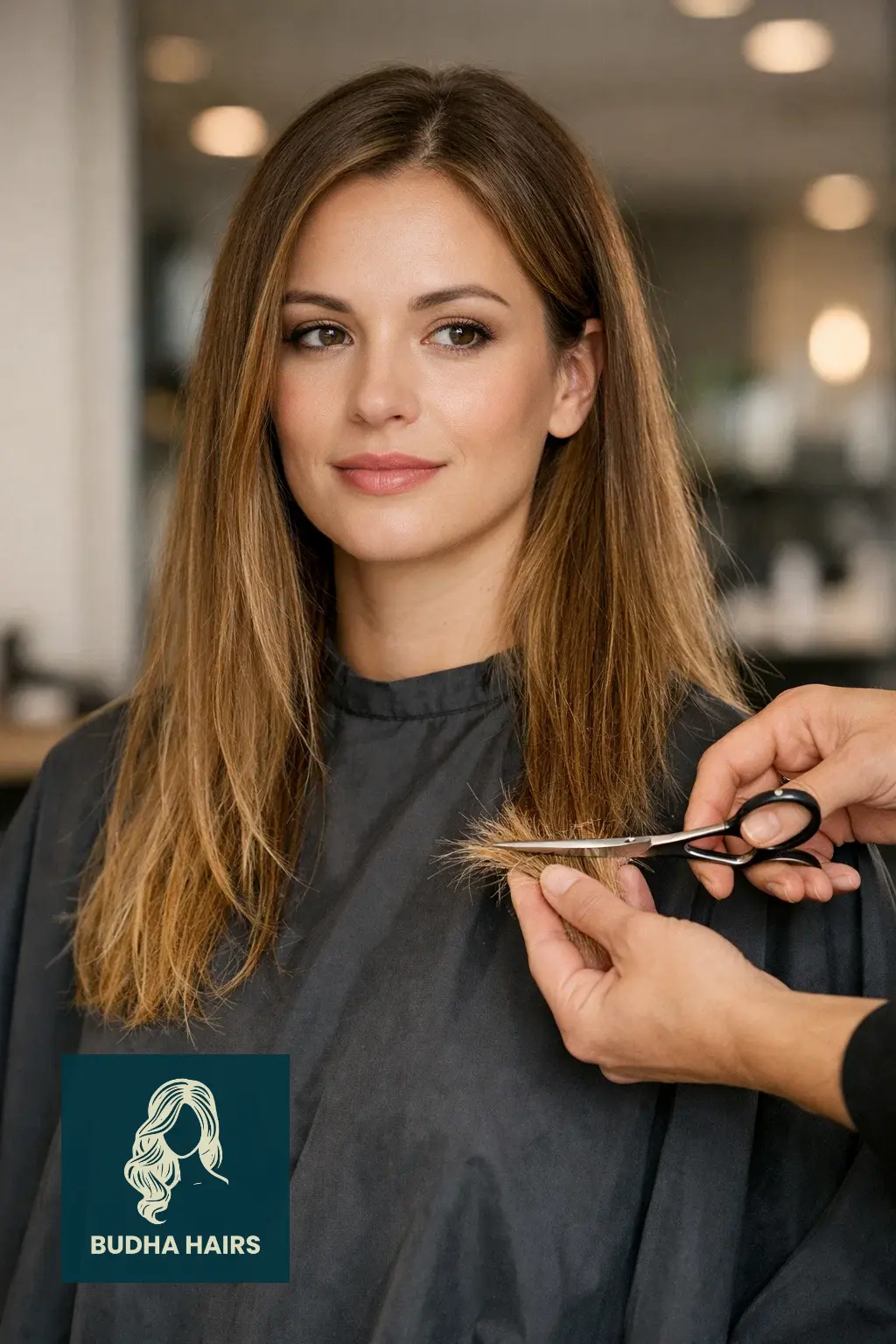
While it sounds counter-intuitive when you want long hair, getting a “micro-trim” every 8-12 weeks is essential for hair repair. Trimming off just half an inch prevents split ends from “climbing” up the hair shaft and causing even more damage. I always say that it is better to have shorter, healthy hair than long, stringy hair full of breaks.
Scalp care is just as important when repairing damage. Treating issues such as How to Get Rid of Dandruff creates a healthier foundation for stronger, smoother hair growth.
7. Perform Daily Scalp Massages
A healthy scalp is the foundation for healthy hair, and a daily scalp massage can help stimulate blood flow to your hair follicles. I suggest using your fingertips to gently massage your scalp in circular motions for 5 minutes every night. This encourages the production of natural sebum and helps deliver vital nutrients to the roots of your hair.

8. Apply a Natural Protein Mask
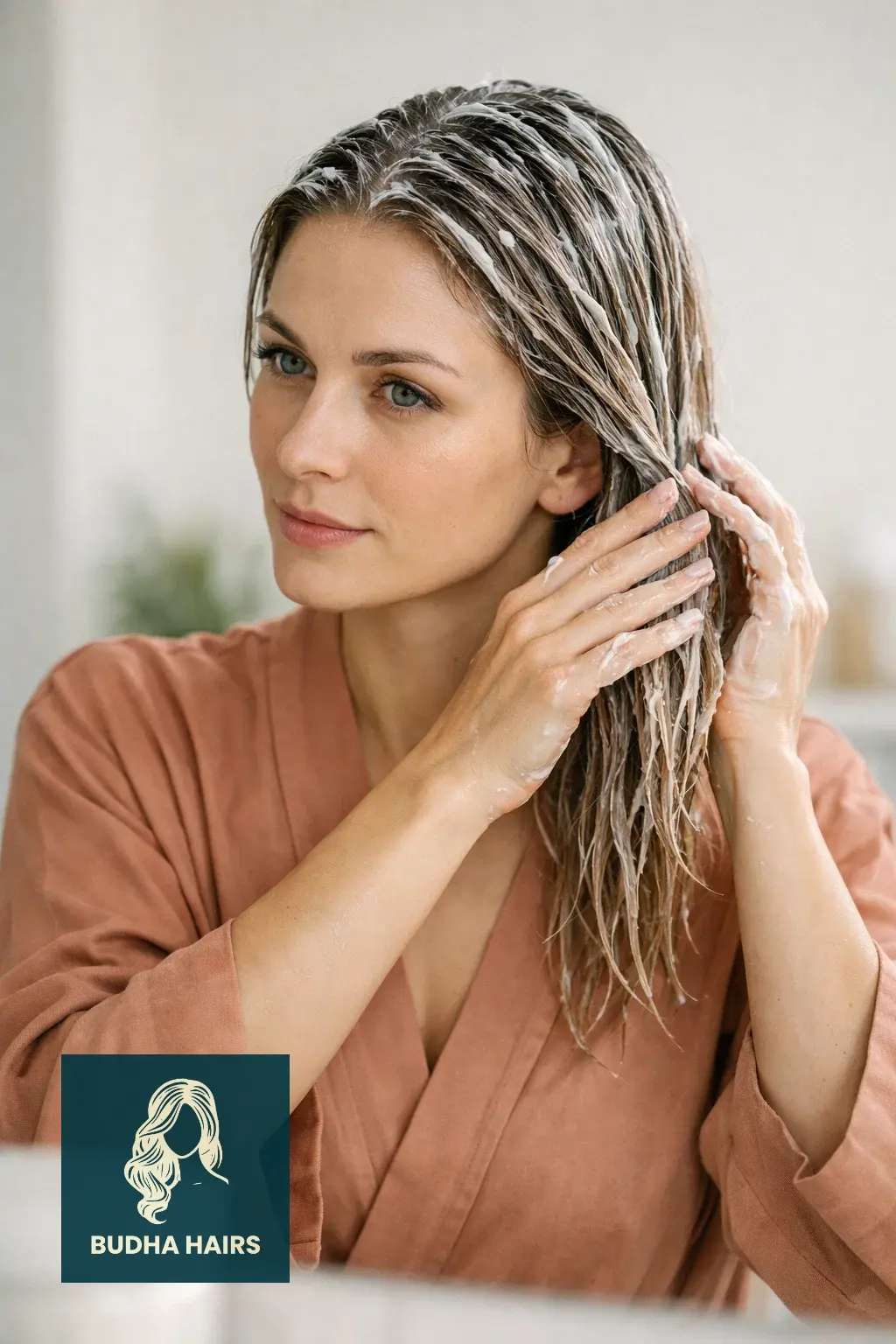
Since hair is primarily made of keratin, an occasional protein mask can help fill in the “gaps” in damaged hair. I recommend whisking one egg or using a plain yogurt mask on clean, damp hair for about 15 minutes before rinsing with cool water. This provides a temporary strength boost that helps prevent snapping and makes the hair feel more solid.
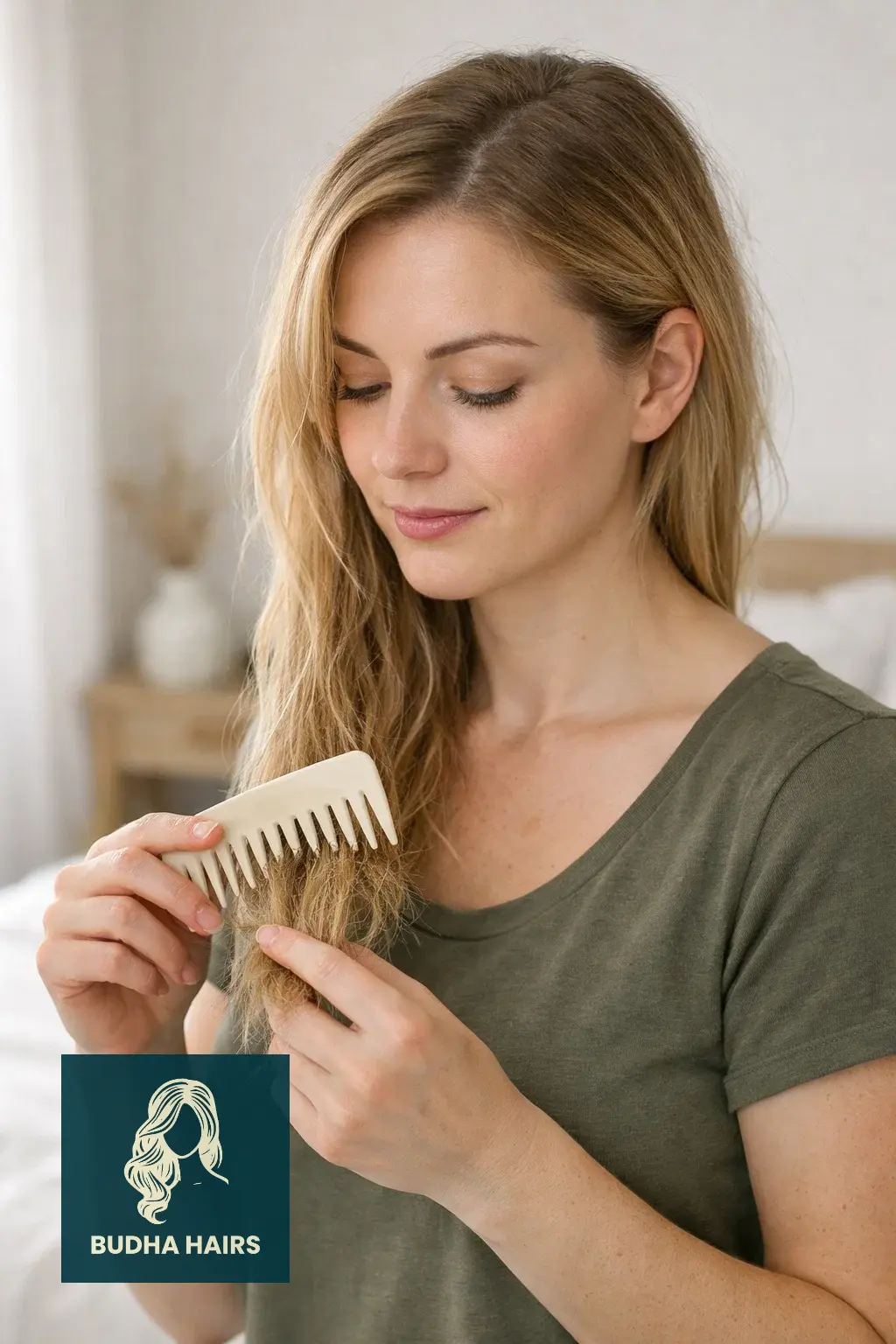
9. Use a Wide-Tooth Comb for Detangling
Never use a standard brush on wet hair; instead, reach for a wide-tooth comb. I have found that starting from the ends and working your way up to the roots prevents “tug” damage and unnecessary snapping. This mechanical care is a very common way to prevent thinning ends and keep your hair structure intact.
10. Seal Moisture with a Cold Water Rinse
Always finish your shower with a thirty-second rinse of cold water. Temperature matters because cold water helps to “seal” the hair cuticle and lock in all the moisture from your conditioners. We have seen that this one simple habit significantly reduces frizz and adds a natural shine that lasts all day long.
Preventing future damage is key to long-term results. Following advice from How to Prevent Hair Breakage protects fragile strands and helps maintain repaired hair over time.
Pro Tips
To get the best results from your routine, keep these expert tips in mind:
- Check Your Water: If you have hard water, consider a filtered showerhead to prevent mineral buildup.
- Avoid Sulfates: Use a sulfate-free shampoo to ensure you aren’t stripping away the hair’s protective natural oils.
- Protect from the Sun: Wear a hat during peak hours to prevent UV rays from “bleaching” and drying out your strands.
- Stay Hydrated: Drinking plenty of water ensures your hair grows in flexible and less prone to brittleness.
- Be Patient: True repair takes time—usually about 4 to 6 weeks of consistent care to see structural changes.
FAQs
Conclusion
Learning How to Repair Damaged Hair is an empowering process that lets you take control of your beauty routine. We believe that by understanding the common causes of damage—like heat, chemicals, and mechanical stress—you can make smarter choices every day to protect your crowning glory. The 10 tips we’ve discussed, from nourishing oil treatments to better detangling habits, are designed to work with your hair’s natural structure to restore strength and shine. Remember, healthy hair is a marathon, not a sprint, and every small step you take to be more gentle with your strands is a win. We hope this guide inspires you to embrace these restorative habits and achieve the soft, resilient, and beautiful hair you’ve always dreamed of!

I’m Budha Styler, a hair enthusiast who loves creating beautiful, confidence-boosting looks that feel true to who you are. I’m passionate about exploring new trends, techniques, and textures, and I enjoy turning that knowledge into simple, inspiring ideas anyone can try. Through my work, I hope to help you express your unique style, feel amazing in your own hair, and discover everyday looks that make you shine.


