Sticky hair after washing is a common frustration that can turn a refreshing shower into a source of major stress. We know that when you take the time to wash and condition your hair, you expect it to feel light, soft, and completely clean once it dries. However, many women experience a strange, tacky, or waxy feeling at the roots or along the strands that makes the hair look greasy even though it was just scrubbed. I have found that this issue often leaves people feeling disappointed, leading them to wash their hair even more frequently, which can sometimes make the “gummy” sensation even worse. It is important to realize that this isn’t necessarily a sign of poor hygiene; instead, it is usually a result of how your hair is interacting with your water, your products, or your specific environment.
We believe that getting to the bottom of why your hair feels heavy and coated is the only way to restore your natural shine and bounce. In the world of hair care, there are several hidden factors—ranging from the mineral content in your water to the buildup of silicones—that can create a stubborn film on the hair shaft. This film prevents moisture from entering and stops the “clean” feeling we all crave, often resulting in a dull appearance and a lack of movement. I want to help you understand the science behind this “grit” so you can make simple changes to your routine that actually work. By identifying the root cause of the tackiness, we can move toward solutions that leave your hair feeling fresh, airy, and beautiful every single day.
Sticky Hair After Washing
In this article, we will discuss Common Causes and Simple Fixes to help you understand why your hair feels heavy and how to restore its natural shine and softness.
Common Causes of Sticky Hair
1. Hard Water Mineral Deposits
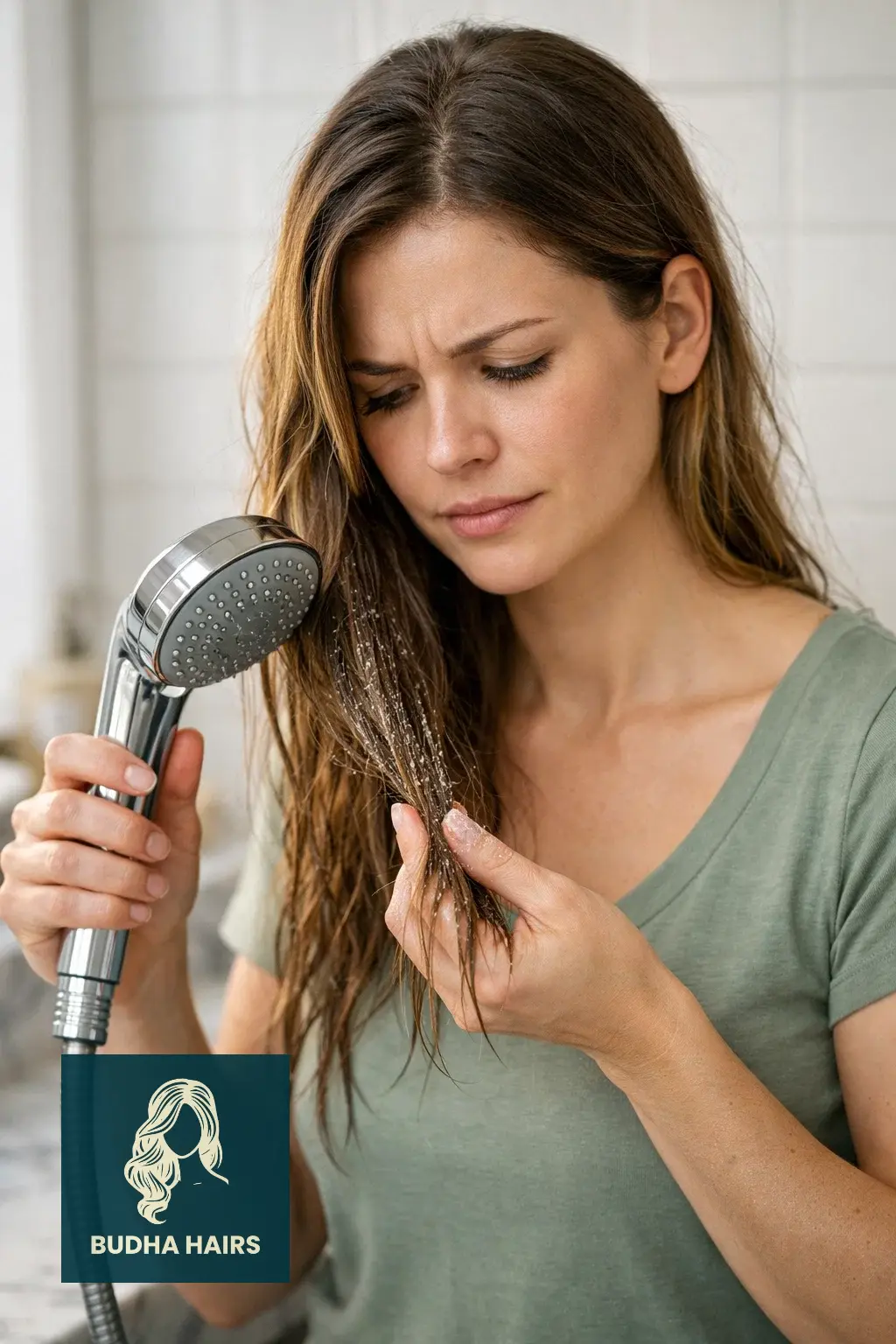
One of the most frequent reasons you might deal with sticky hair after washing is the high mineral content in your home’s water supply. If you live in an area with hard water, your tap is filled with invisible minerals like calcium and magnesium that love to cling to your hair strands. We have found that these minerals create a literal “wall” on the hair surface, which prevents your shampoo from lathering properly and stops your conditioner from rinsing away. This results in a waxy, “gummy” feeling that is especially noticeable at the roots and the back of the head.
2. Excessive Product Buildup
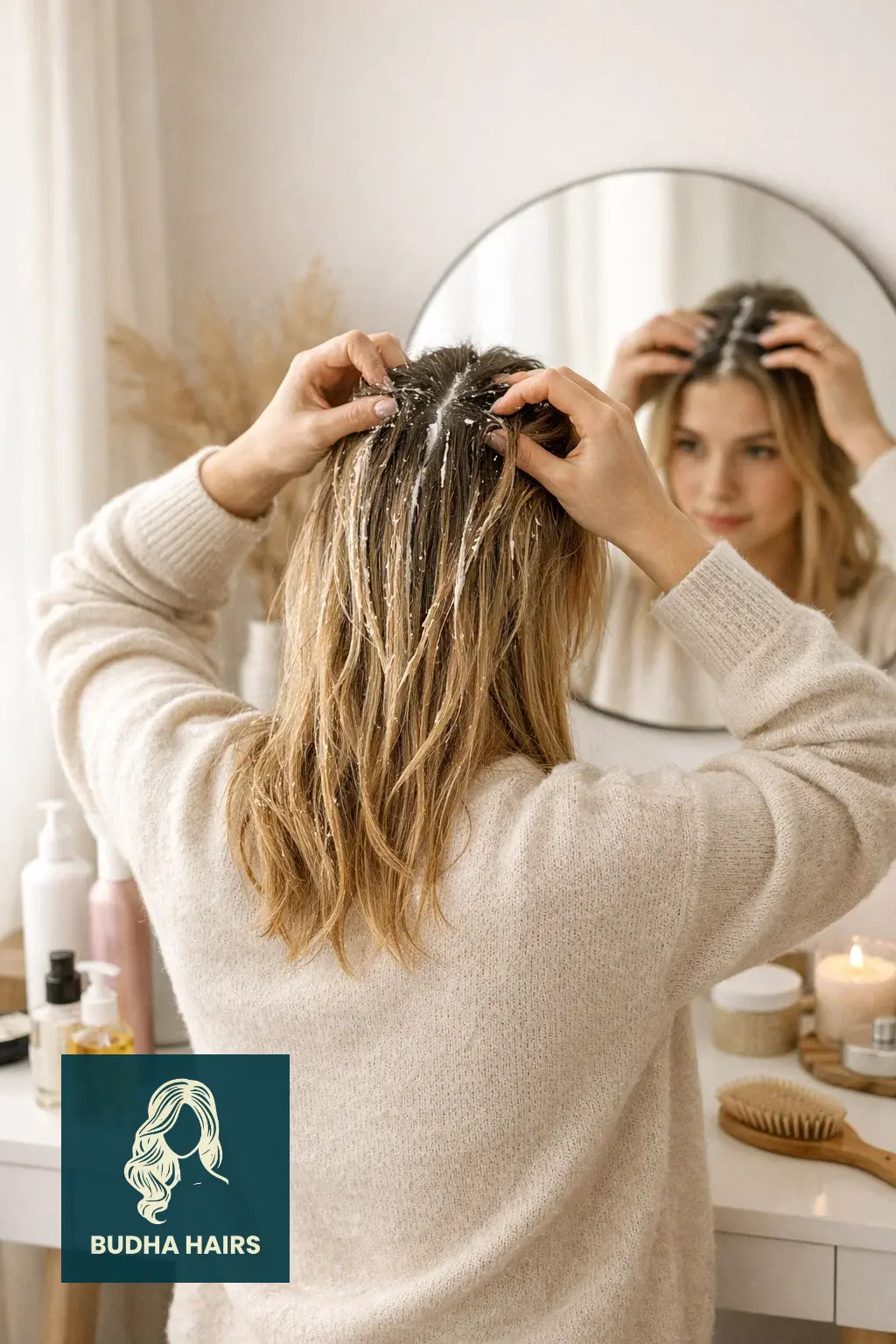
We all love using dry shampoo, hairspray, and leave-in conditioners, but these products can slowly build up into a thick, invisible layer. If you use several styling products throughout the week, a single gentle wash might not be strong enough to break through that “shell” of residue. This is a major factor in sticky hair after washing because the shampoo essentially gets stuck in the old product instead of cleaning your actual hair. I have seen that this buildup often feels like a waxy grit that makes the hair look flat and lifeless.
3. High Silicone Content
Many popular hair products use silicones to provide an instant, artificial shine and to make the hair feel slippery and smooth. However, many of these ingredients are not “water-soluble,” which means they do not wash away easily and can be a leading cause of sticky hair after washing. Over several washes, these silicones layer on top of each other, creating a plastic-like coating that feels very heavy and waxy. While they look great for a few hours, the long-term buildup can make your hair feel gummy and impossible to style.
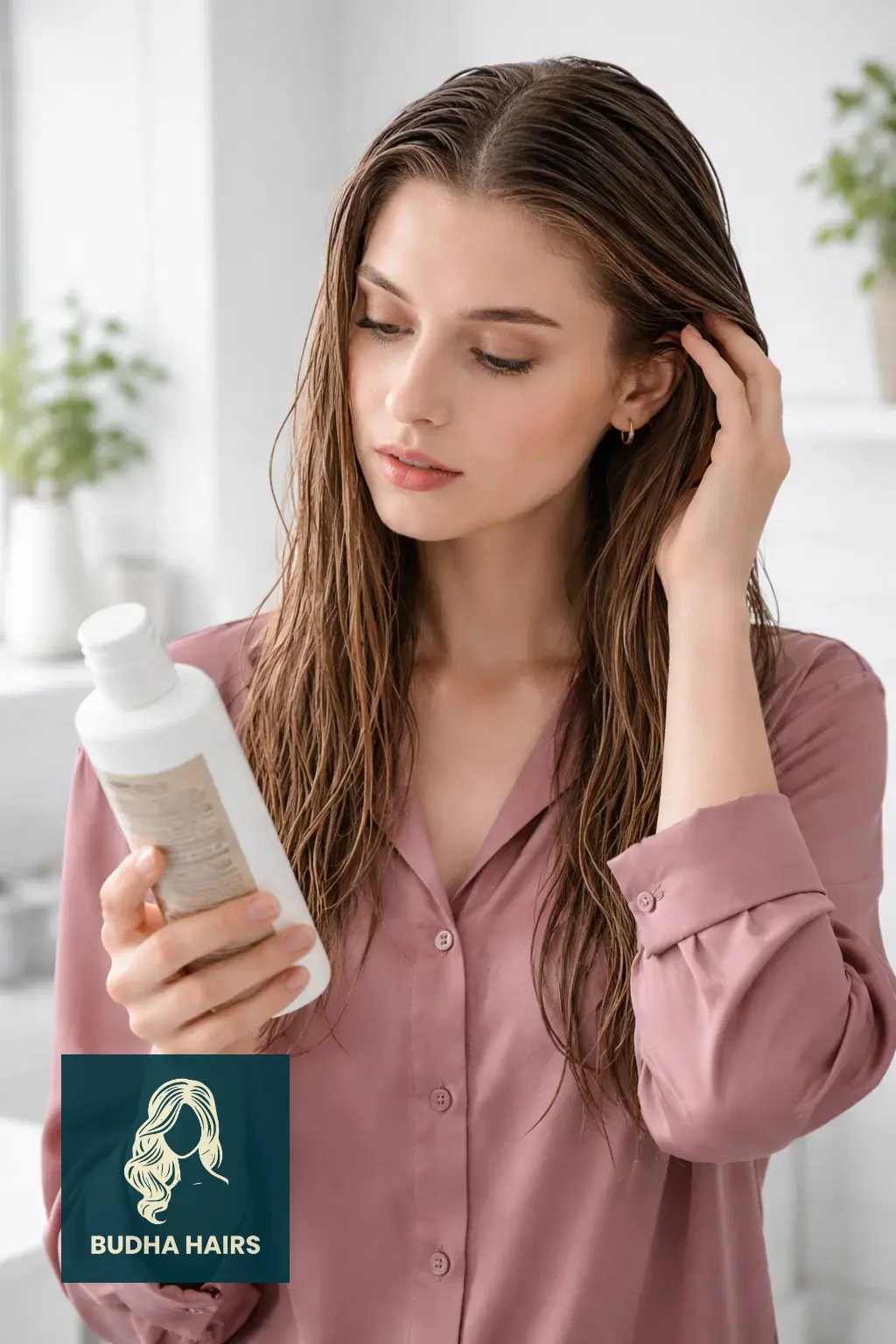
4. Poor Rinsing Technique
It might sound simple, but the way you rinse your hair can be the difference between a great hair day and a sticky disaster. Sticky hair after washing is very often caused by leftover shampoo or conditioner that has dried into a film on the hair surface. We find that the hair at the nape of the neck and behind the ears is the most likely to stay “tacky” because those are the spots that are hardest to reach with the shower spray. If you feel a specific “patch” of stickiness in the back of your head, it is a sign of residual product.
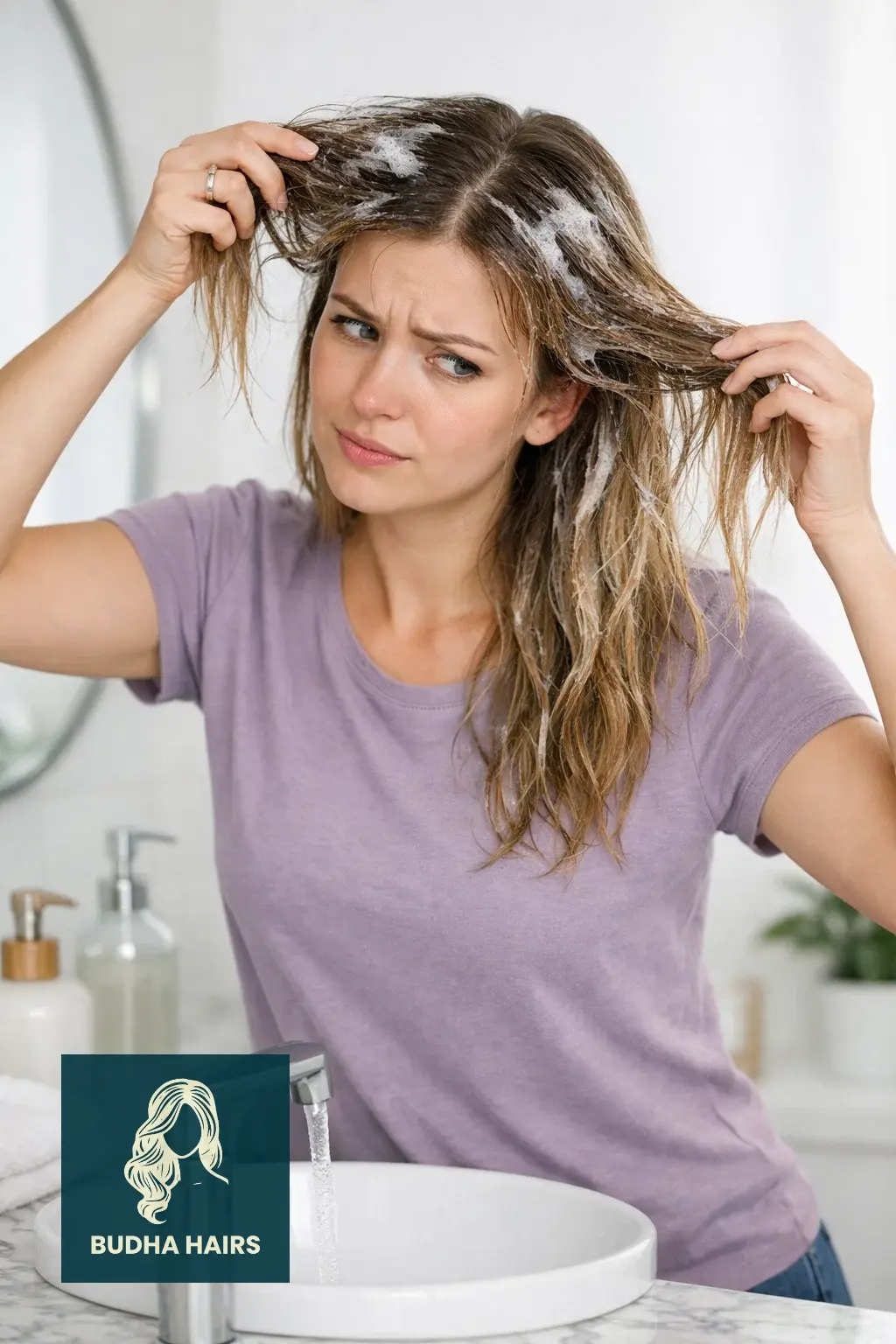
Sticky hair after washing is often caused by product buildup, hard water, or improper rinsing. Restoring scalp balance with Natural Remedies for Hair Growth helps strengthen roots and improve overall hair texture.
5. Using the Wrong Shampoo for Your Hair Type
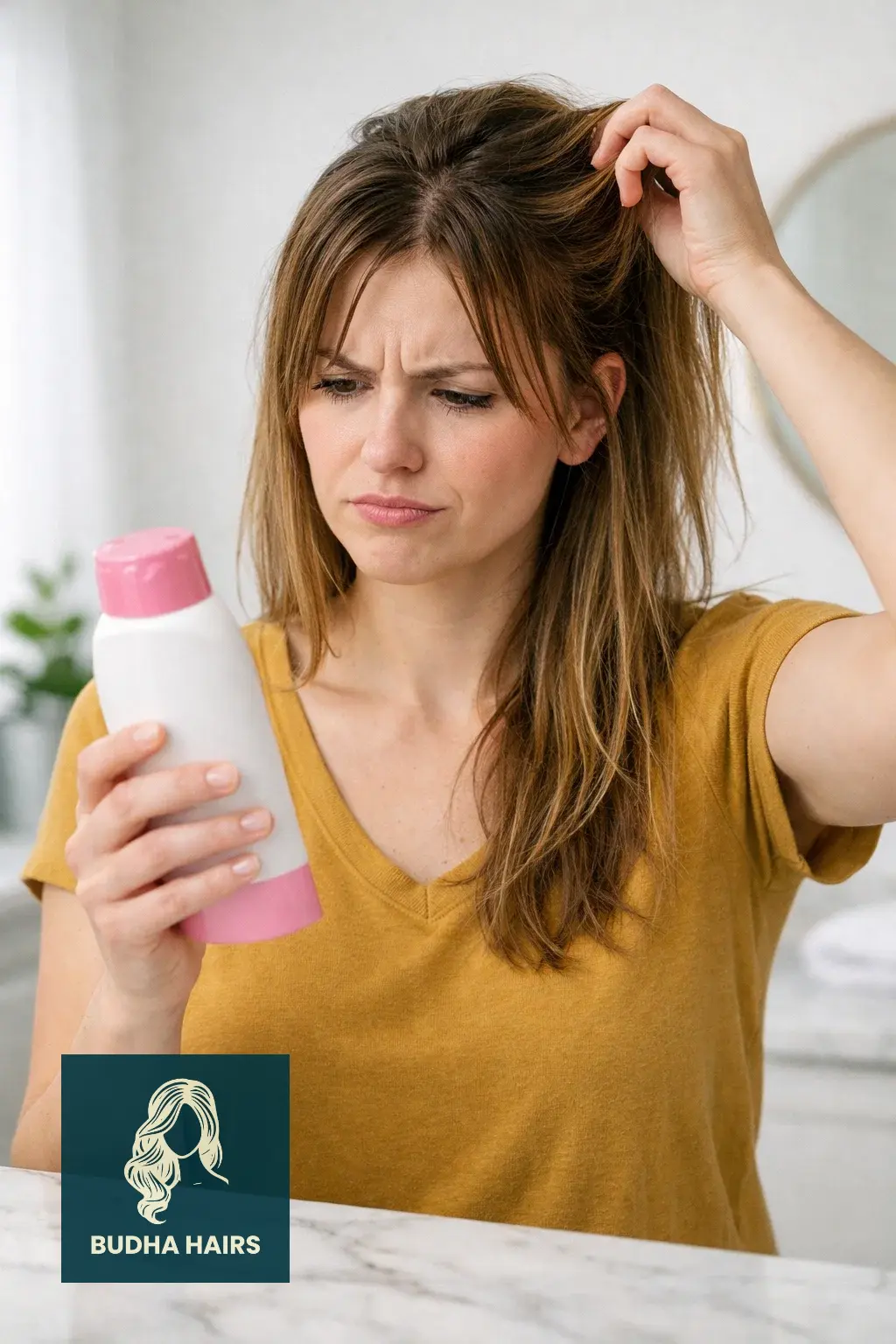
Sometimes the reason for sticky hair after washing is a mismatch between the product and your hair type. If you have fine hair but use an “extra moisturizing” or “repairing” shampoo, you are likely putting way too much oil back into your hair. These formulas are usually very rich and creamy, designed for thick or curly hair. On fine strands, these heavy ingredients don’t soak in; they just sit on the surface and create a tacky, greasy feeling that looks like you haven’t washed your hair in days.
6. Scalp Issues and Sebum Overproduction
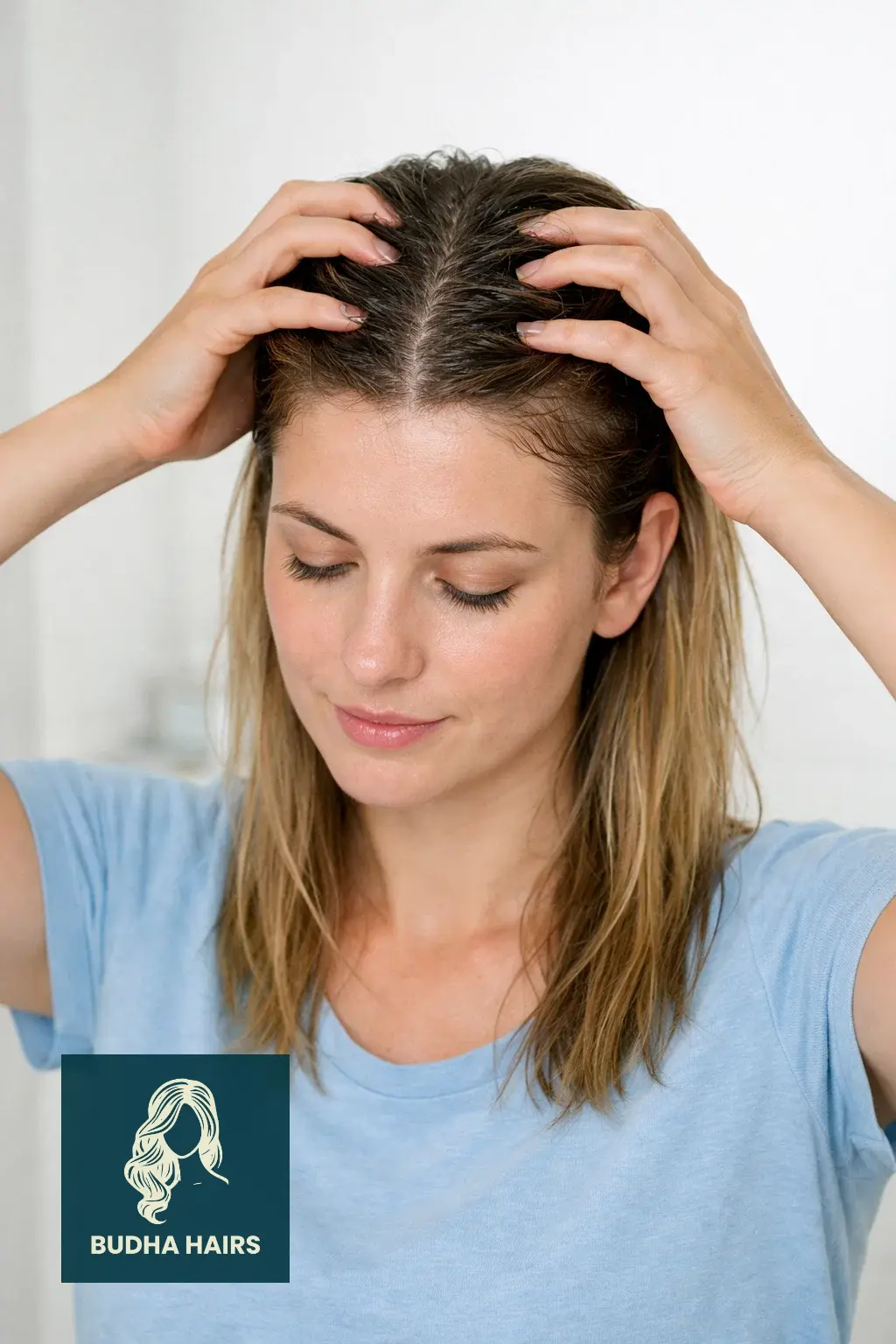
In some cases, the “stickiness” you feel isn’t coming from your products, but from your own scalp’s natural oils. Conditions like seborrheic dermatitis or a simple overproduction of sebum can cause your hair to feel waxy and “stuck” together right at the roots. This type of oil is often thicker and more stubborn than normal oil, making it very difficult to wash away with a standard, gentle shampoo. I have found that this is a very common reason for waxy roots among women dealing with hormonal changes.
7. Over-Conditioning the Hair
If you find yourself dealing with sticky hair after washing, you might actually be “over-conditioning” your strands. Many modern conditioners are filled with heavy oils and butters designed to coat the hair, but if you don’t rinse them out perfectly, they dry into a tacky layer. We find that many women apply their conditioner too close to the roots, which results in a “sticky root” situation. This is especially true for those with low-porosity hair, where the product sits on the surface rather than being absorbed.
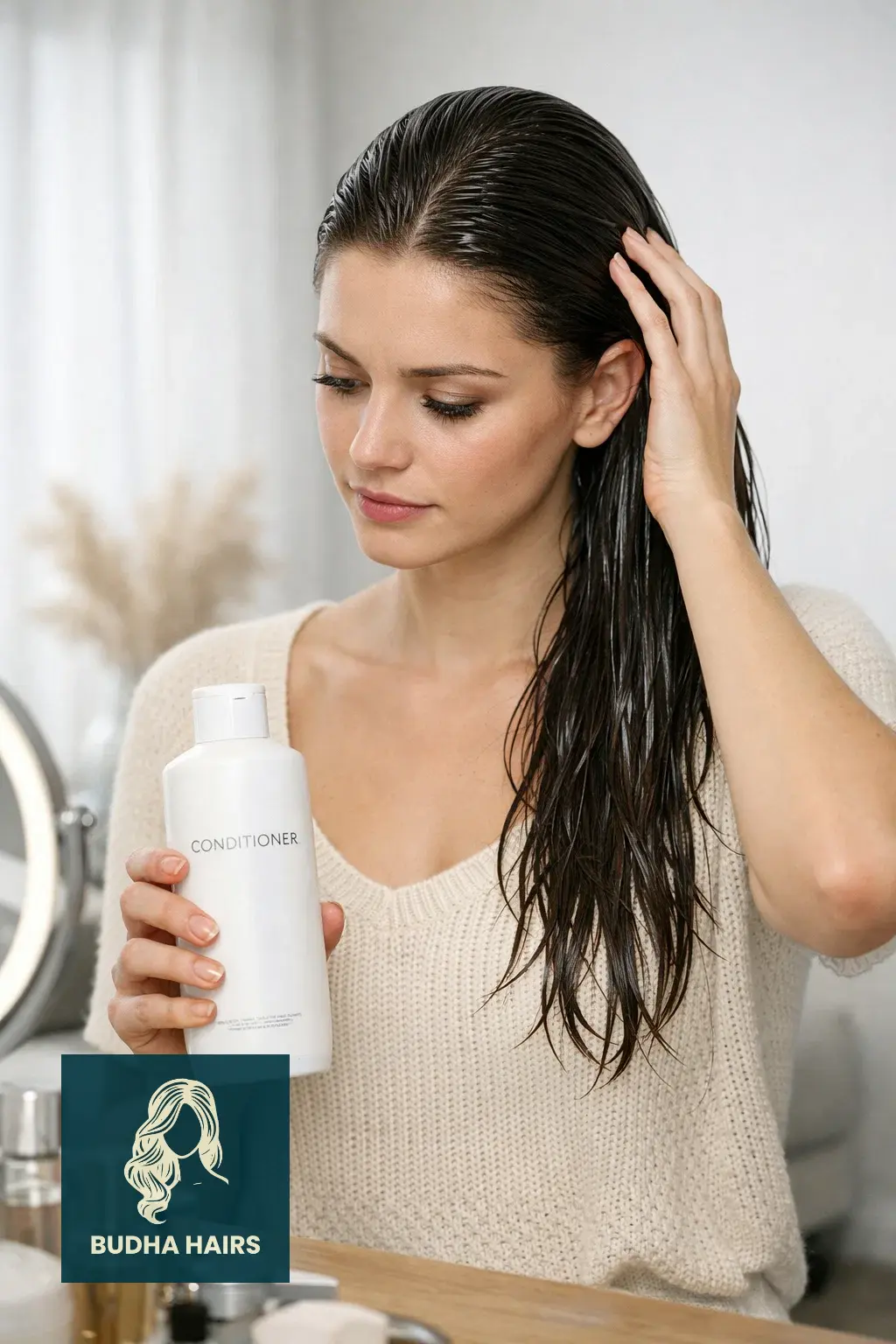
8. The “Waxy Transition” of Natural Shampoos
Many women are moving toward a more eco-friendly lifestyle by using shampoo bars or “all-natural” liquid soaps. However, these natural soaps can react with the minerals in your water to create a “soap scum” that is incredibly sticky. This is often called the “waxy transition” period, and it can leave your hair feeling like it is coated in candle wax for the first few weeks. We find that this “waxiness” is especially bad in areas with hard water, as the soap and minerals combine to create a tough residue.

9. Not Washing Frequently Enough
While the “no-poo” movement is popular, skipping too many washes can actually lead to sticky hair after washing. When you wait too long between showers, the natural oils, sweat, and environmental dust on your head can “oxidize” and become much thicker and harder to remove. By the time you finally wash, a single round of shampoo might not be enough to break down that old, hardened oil, leaving a tacky residue behind. This is why pushing your wash day too far can often backfire.
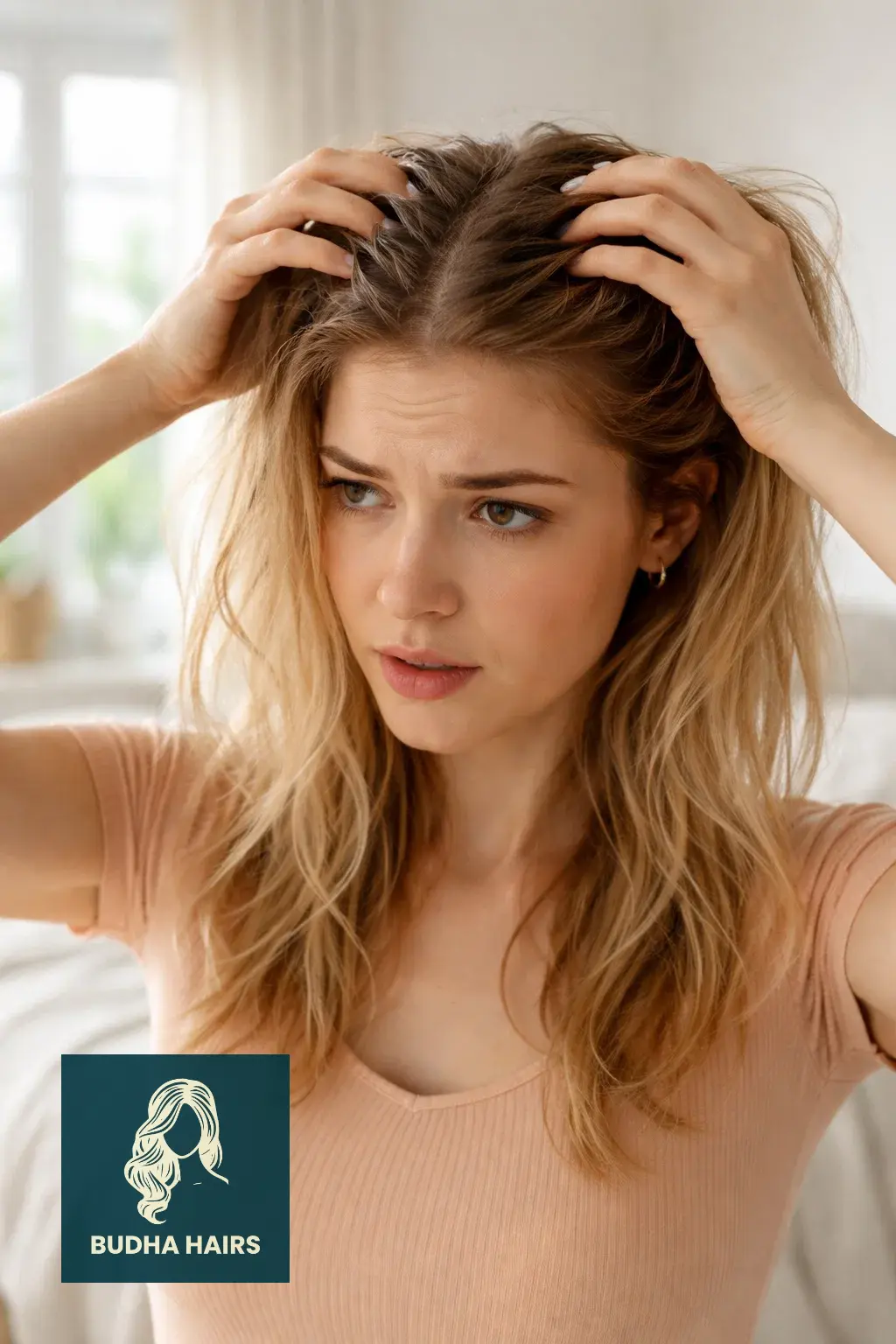
10. Using Expired Hair Products
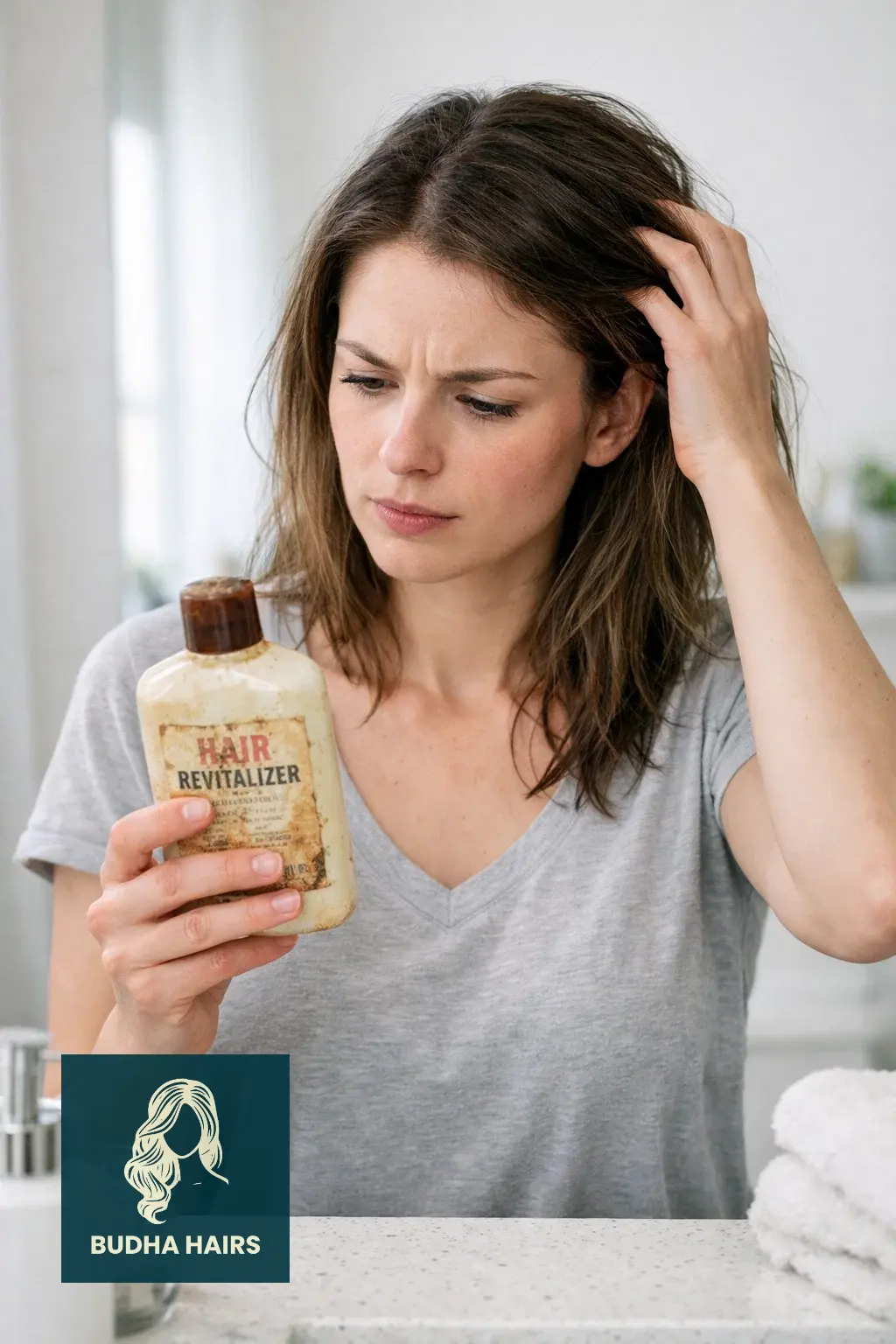
Finally, your hair products have a shelf life just like anything else in your beauty cabinet. Over time, the ingredients in your shampoo and conditioner can break down, especially if they are kept in a hot, steamy bathroom. When a product is expired, the oils can separate and the preservatives can stop working, which can leave a strange, tacky residue on your hair that won’t rinse away. We recommend checking your bottles for the “open jar” icon to ensure your formulas are still fresh and effective.
Simple Fixes for Sticky Hair
1. Incorporate a Clarifying Shampoo
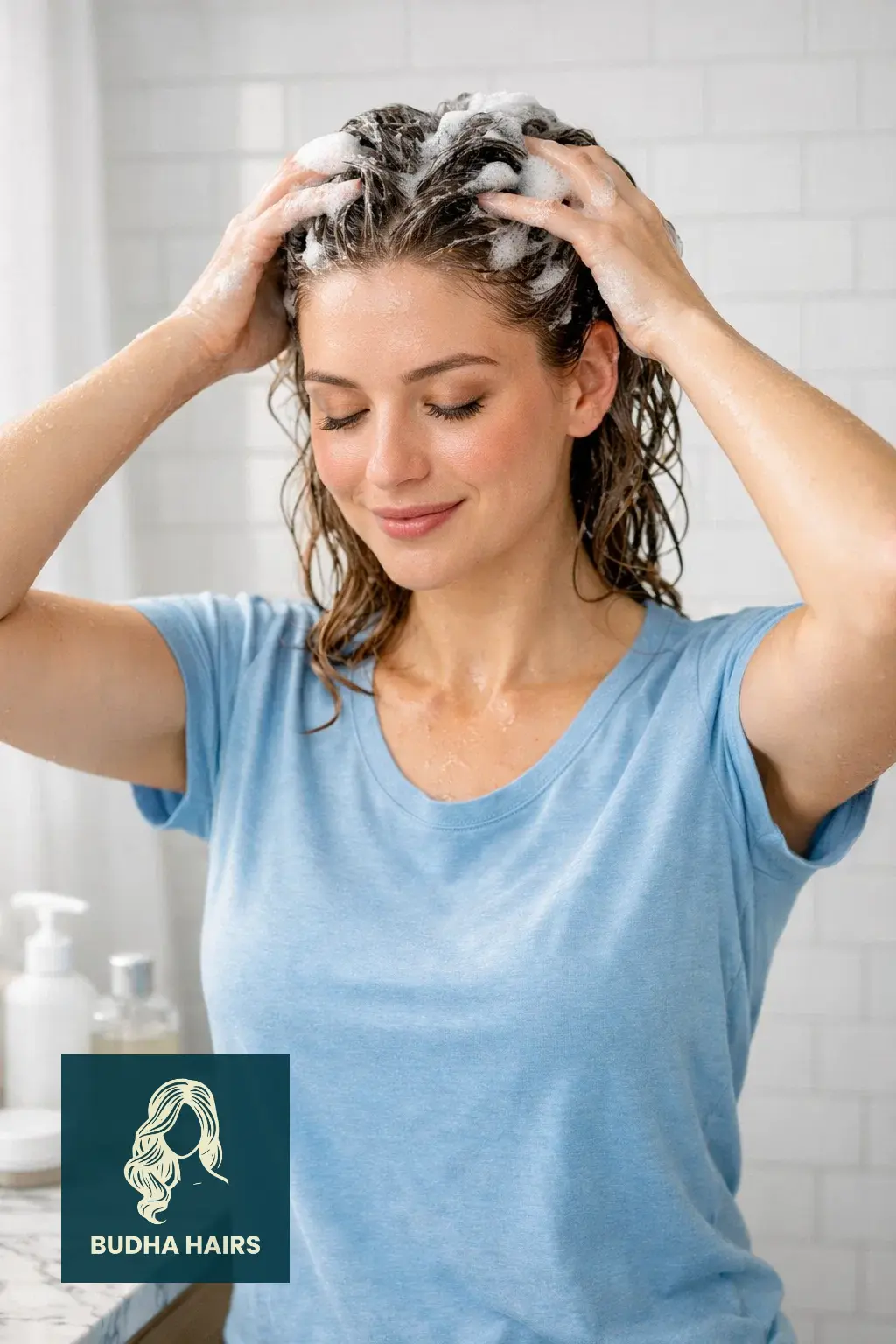
The most effective way to eliminate sticky hair after washing is to use a high-quality clarifying shampoo at least once a week. These shampoos are specifically formulated with stronger cleansers designed to “strip” away mineral deposits, heavy silicones, and old styling products. I recommend focusing the suds primarily on your scalp and the “problem areas” where the hair feels the most tacky. We find that this acts as a “reset button” for your hair, clearing away all the gunk and leaving your strands feeling light.
Managing residue also makes styling easier, especially around the hairline. Tips from How to Control Baby Hairs help smooth flyaways and keep hair looking fresh and polished.
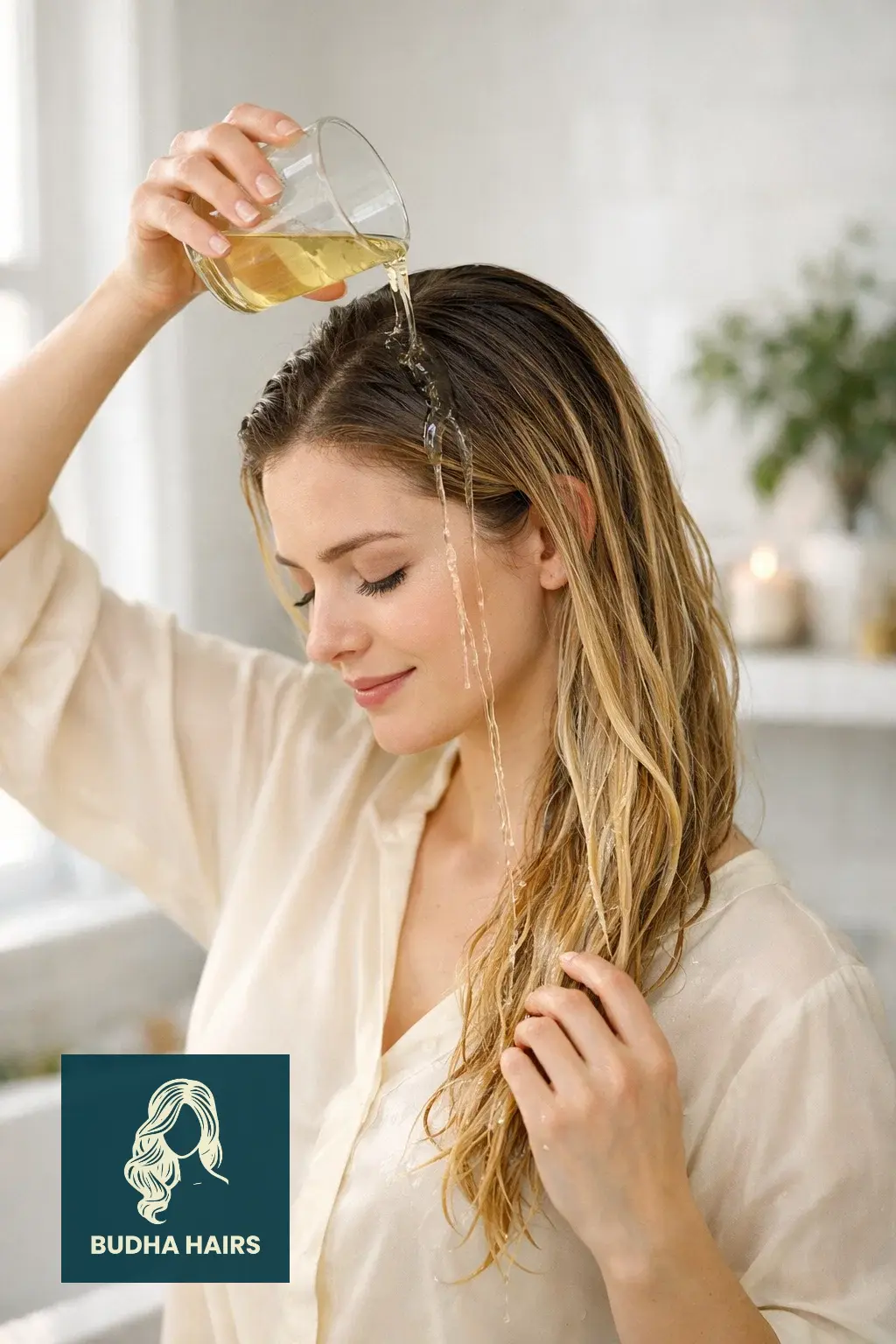
2. Try an Apple Cider Vinegar Rinse
An apple cider vinegar (ACV) rinse is a legendary natural solution that helps dissolve mineral buildup from hard water. The natural acidity of the vinegar breaks down the “soap scum” and helps to “close” the hair cuticle, making your hair look much shinier. To do this, simply mix one part ACV with four parts water and pour it over your hair after you have finished shampooing. It is a low-cost, chemical-free way to ensure your hair stays free from unwanted waxy coatings and mineral film.
3. Use the Double-Washing Technique
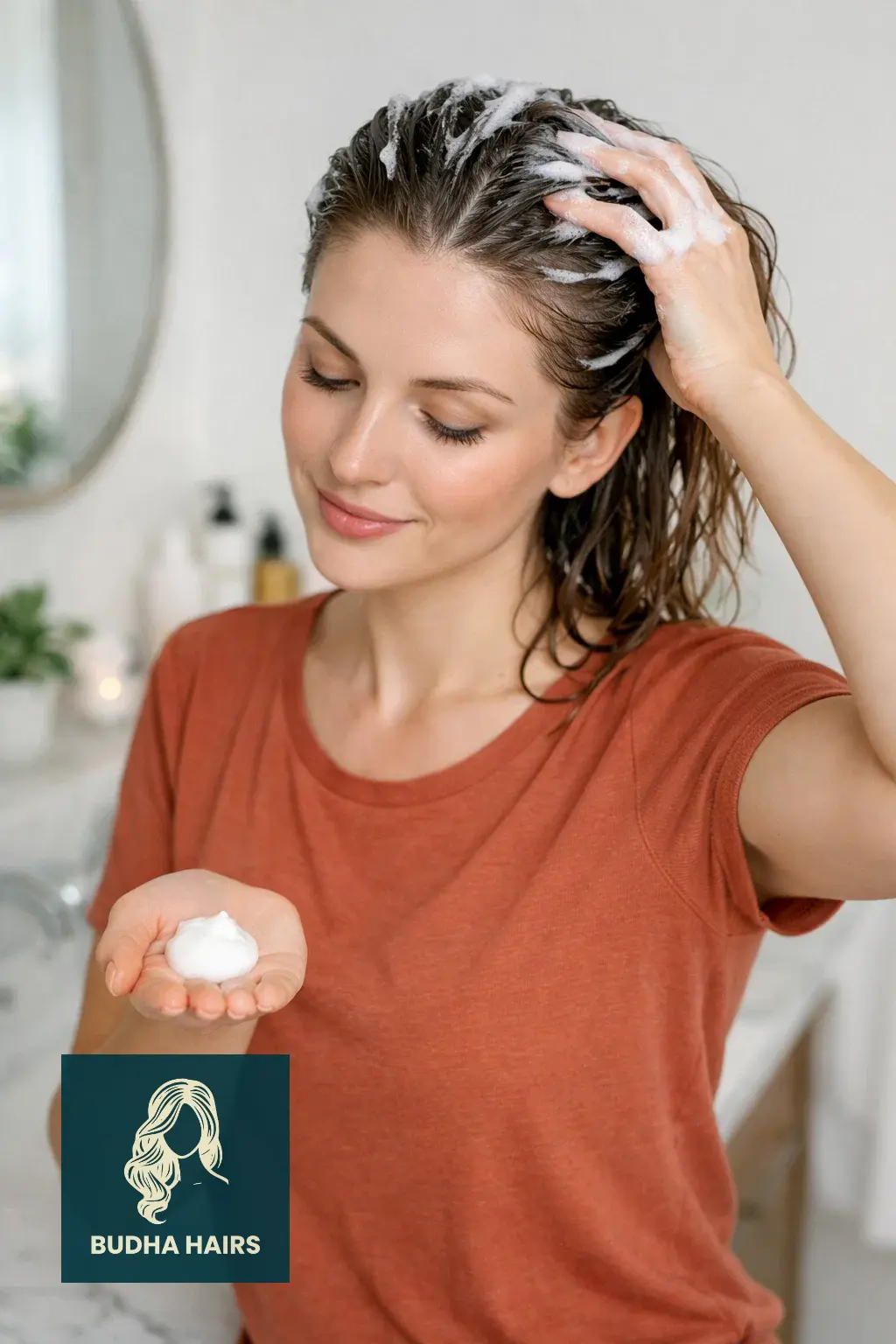
Sometimes the simplest fix for sticky hair after washing is just to wash your hair twice during the same shower. The first round of shampoo breaks up surface oils and moves “heavy” products out of the way, while the second round actually cleans the hair and scalp. I have found that double-washing is a game-changer for anyone with thick hair or those who use a lot of styling products. It ensures that every strand is truly reached by the soap and that no residual oils are left behind.
4. Install a Filtered Showerhead
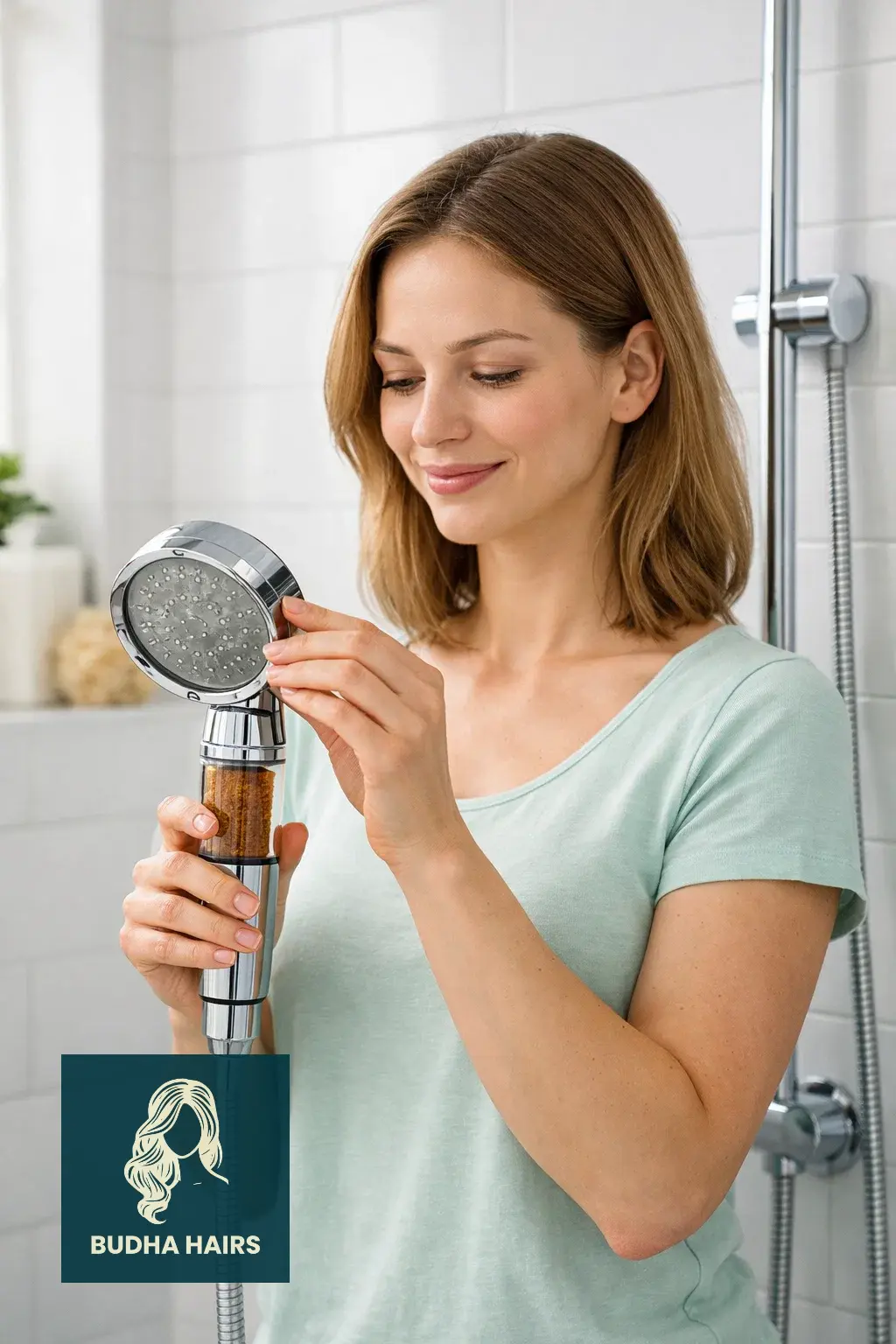
If you suspect that hard water is the primary cause of your sticky hair after washing, installing a filtered showerhead is a fantastic long-term investment. These filters catch minerals and chlorine before they ever touch your head, preventing the “wall” of buildup from forming in the first place. We have seen that this one simple change can make your regular shampoo feel like a luxury product again. It is an easy, at-home fix that protects your hair’s health and ensures your locks remain soft and touchable.
5. Focus Conditioner on the Ends Only
To avoid the “sticky root” sensation, you must be careful about where you apply your moisturizing products. I suggest only applying your conditioner from the mid-lengths down to the very tips of your hair. This keeps the hair near your roots light and free from extra oils, which is essential for maintaining volume and a clean feel. We find that avoiding the scalp area with heavy creams is one of the quickest ways to prevent tacky hair residue from ruining your fresh wash.

6. Rinse with Lukewarm and Cool Water
Temperature matters when you want to avoid sticky hair after washing. Warm water helps to dissolve oils and open the cuticle for cleaning, but a final cool rinse is best for removing all traces of soap and sealing the hair. I recommend spending at least a full sixty seconds just rinsing your hair after the final conditioning step to ensure no residual product remains. This ensures that the hair cuticle is closed and smooth, preventing minerals and products from getting “trapped” on the surface.
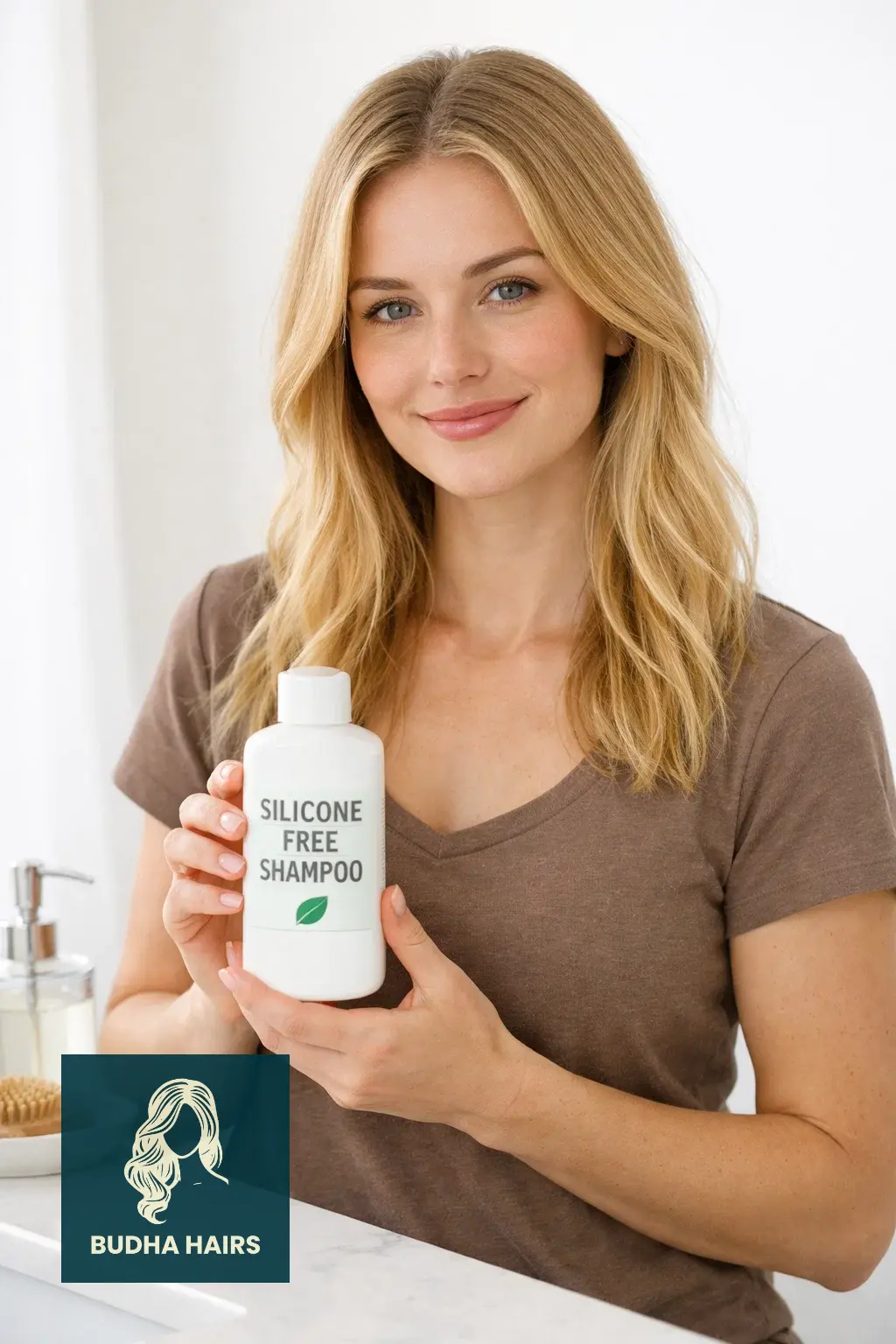
7. Switch to Silicone-Free Products
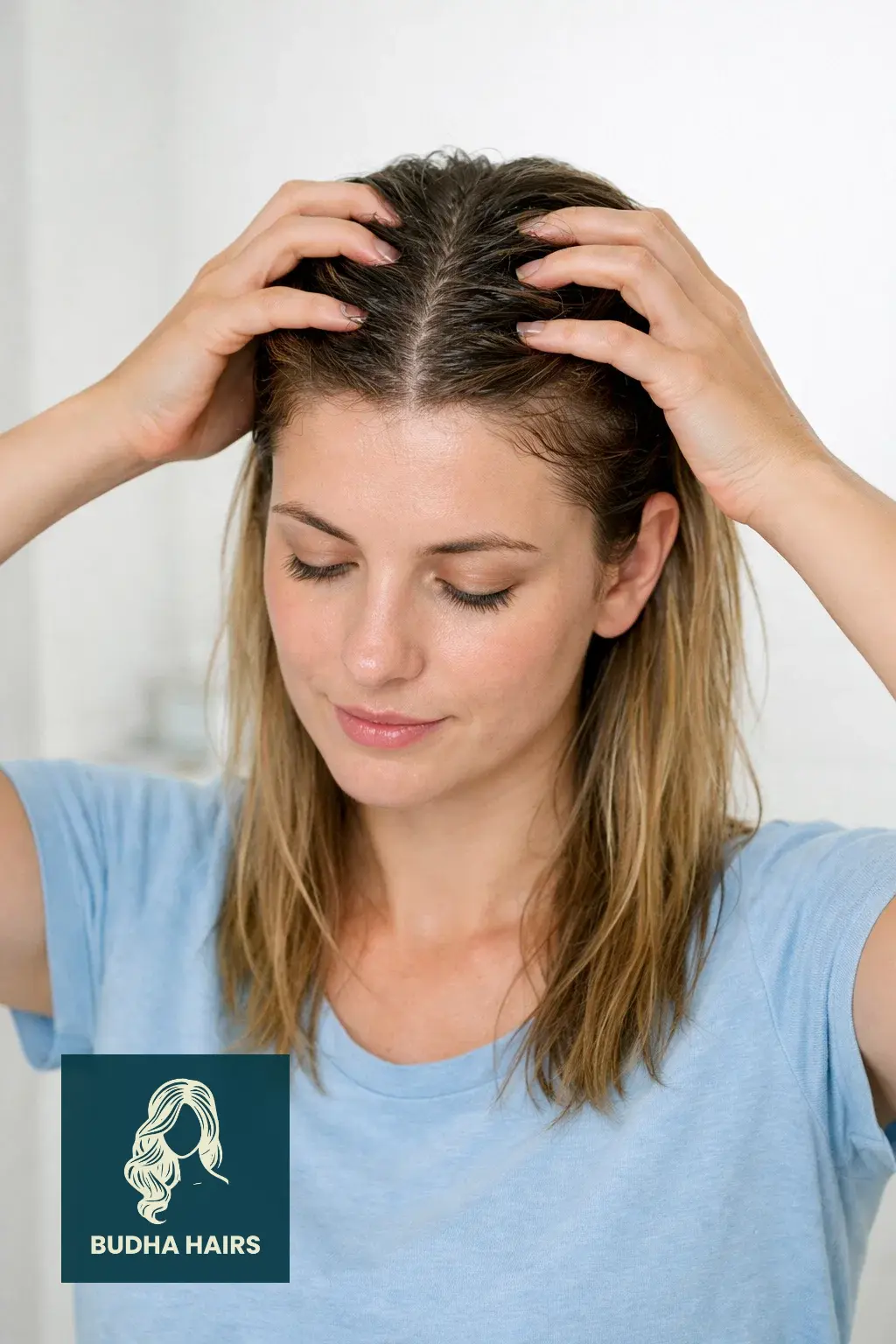
If you are dealing with a “plastic” feeling on your strands, we recommend switching to silicone-free hair products. This prevents the non-water-soluble coatings from layering on top of each other and creating that characteristic waxy weight. By using products with natural oils instead of synthetic silicones, you allow your hair to breathe and absorb actual moisture. We have found that this shift can significantly reduce the occurrence of sticky hair after washing and restore your hair’s natural, healthy movement and bounce.
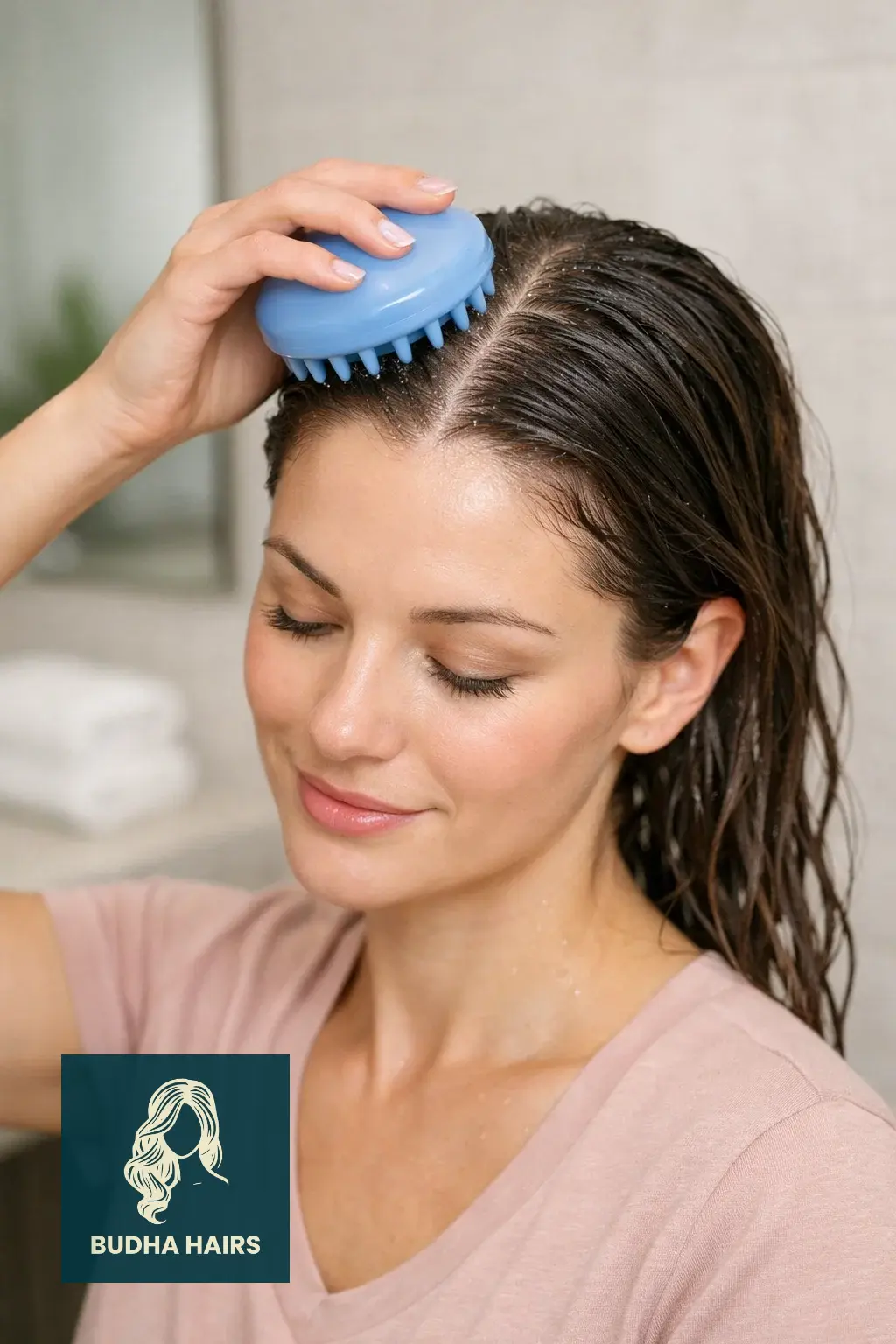
8. Use a Scalp Scrubber Tool
Sometimes your fingers aren’t enough to break up stubborn sebum and product buildup. Using a silicone scalp scrubber during your shampoo step can help exfoliate the skin and deep-clean the roots. I find that these tools are excellent for breaking down the waxy “cradle cap” effect that causes sticky hair after washing. It also stimulates blood flow to the scalp, which encourages healthier hair growth. It’s a simple addition to your shampoo routine that ensures you are reaching the scalp surface effectively.
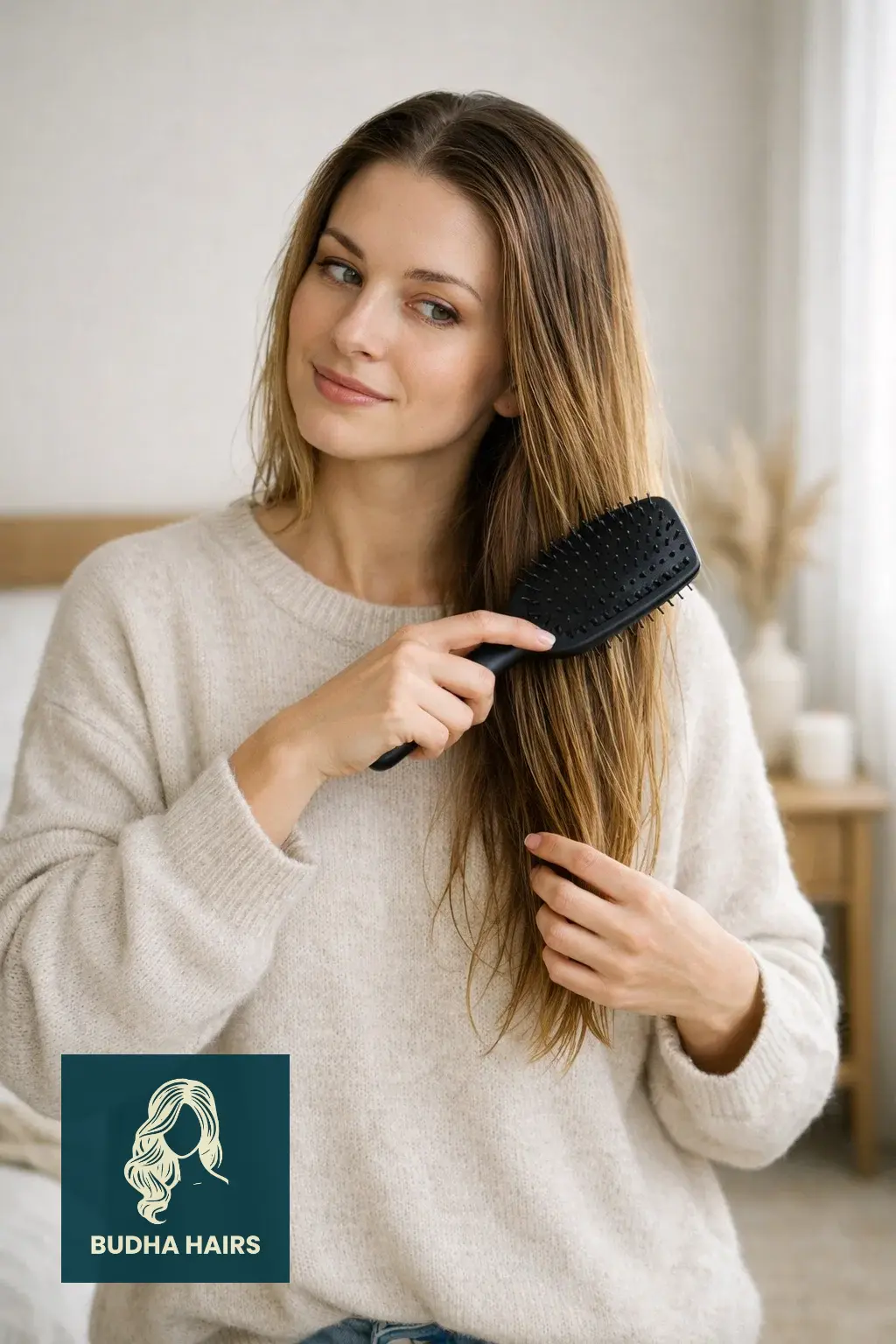
9. Brush Your Hair Before You Wash
A simple but effective tip is to give your hair a thorough brush-out before you even step into the shower. This helps to loosen up dry shampoo, environmental dust, and old styling products, making them much easier to wash away. I have noticed that when you don’t brush first, the water can sometimes turn those products into a “paste” that is harder to remove. We believe that this prep work is key to avoiding waxy roots and ensuring that your shampoo can do its job properly.
For textured or curly hair, gentle care is essential after cleansing. Using Natural Ingredients for Curly Hair adds moisture and nourishment, preventing stickiness while enhancing softness and shine.
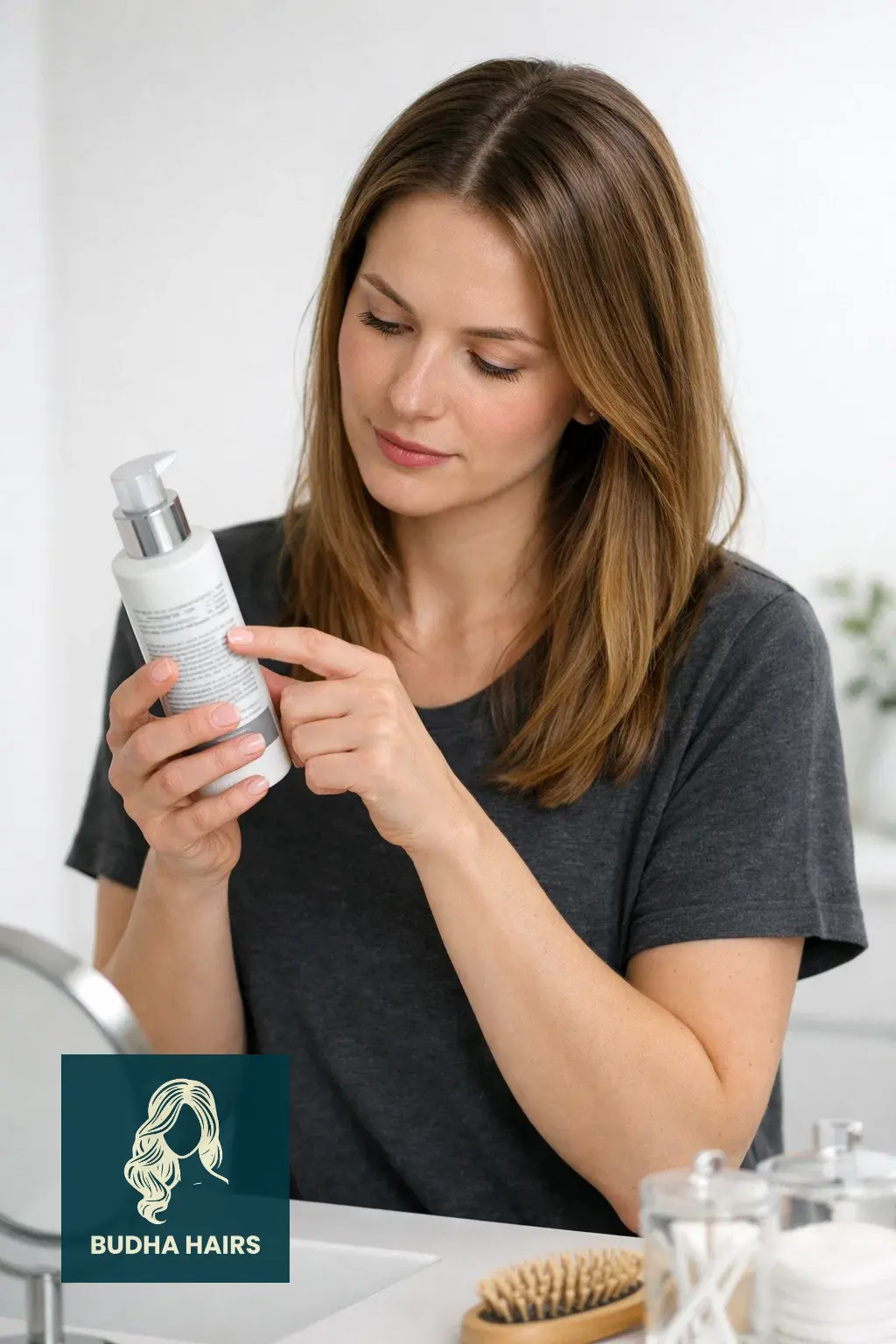
10. Check Product Expiration Dates
Finally, keep your beauty cabinet fresh by checking the expiration dates on your shampoos and conditioners. If a product has changed color, smell, or consistency, it is no longer effective and may leave a tacky residue on your hair. I recommend going through your stash every six months to toss anything that has expired. Using fresh, high-quality products ensures that the formulas will rinse away as intended, preventing the “waxy surprise” of sticky hair after washing caused by degraded ingredients.
Pro Tips
To keep your hair feeling light and avoid any future “sticky” situations, follow these expert tips:
- Measure Your Product: Most women use way too much shampoo; a nickel-sized amount is usually plenty for most hair lengths!
- The Baking Soda Trick: Mix a tablespoon of baking soda into your shampoo once to help “cut” through heavy grease and wax.
- Dry Thoroughly: Leaving hair damp for a long time can sometimes make product residue feel stickier; try a quick blow-dry to see if the texture improves.
- Avoid “Smoothing” Formulas: If you have fine hair, stay away from “ultra-moisturizing” shampoos as they are often the cause of heavy hair film.
- Clean Your Brushes: Make sure you aren’t brushing clean hair with a dirty brush full of old product and oils!
FAQs
Conclusion
Dealing with sticky hair after washing is a common hurdle, but it is one that you can easily overcome with the right knowledge. Whether the issue is the minerals in your water, the ingredients in your favorite bottle, or just a simple rinsing mistake, the fix is usually just one or two washes away. We believe that everyone deserves to have hair that feels light, clean, and full of life, and we hope this guide has helped you identify the “hidden” cause of your hair woes. By making small adjustments to your routine—like adding a clarifying wash or an ACV rinse—you can say goodbye to that tacky feeling for good. Remember, your hair is your crowning glory, and with a little bit of extra care, you can keep it looking its absolute best every single day!

I’m Budha Styler, a hair enthusiast who loves creating beautiful, confidence-boosting looks that feel true to who you are. I’m passionate about exploring new trends, techniques, and textures, and I enjoy turning that knowledge into simple, inspiring ideas anyone can try. Through my work, I hope to help you express your unique style, feel amazing in your own hair, and discover everyday looks that make you shine.