
Thinning hair in women, often referred to as Female Pattern Hair Loss (FPHL) or Telogen Effluvium, is a complex biological issue that differs significantly from male baldness. While men tend to recede at the hairline, women typically experience “diffuse thinning,” where the part line widens and the overall density of the ponytail decreases, often leaving the frontal hairline intact. This thinning is usually the result of a “shortened Anagen phase,” where the hair follicle gets tired and produces thinner, shorter, and more invisible hairs (miniaturization) before eventually stopping production altogether. The triggers are multifaceted: plummeting estrogen levels during menopause, iron deficiency (anemia), thyroid imbalances, and high cortisol from chronic stress all act as “off switches” for hair growth. To stop this progression, you must adopt a 360-degree approach that stabilizes your internal hormones, nourishes the follicle with blood flow and nutrients, and protects the fragile strands you currently have from mechanical breakage.
20 Expert Tips to Stop Thinning Hair
Now, let’s explore 20 expert tips to stop thinning hair. From scalp care and nutrition to styling and lifestyle changes, these strategies help strengthen hair and support healthier, fuller growth.
1. Check Your Iron (Ferritin) Levels
Iron deficiency is the leading cause of hair thinning in pre-menopausal women. You must check your “Ferritin” (stored iron), not just your hemoglobin. If Ferritin is below 40-70 ng/mL, your body will deprioritize hair growth. Supplementing with iron (alongside Vitamin C for absorption) can restart the growth cycle.

2. Minoxidil (Rogaine) 5%
Minoxidil is the only FDA-approved topical treatment for female pattern hair loss. It works by prolonging the Anagen (growth) phase and enlarging miniaturized follicles. Women should generally use the 5% foam once daily. It takes about 4 months to see results, and you must keep using it to maintain them.

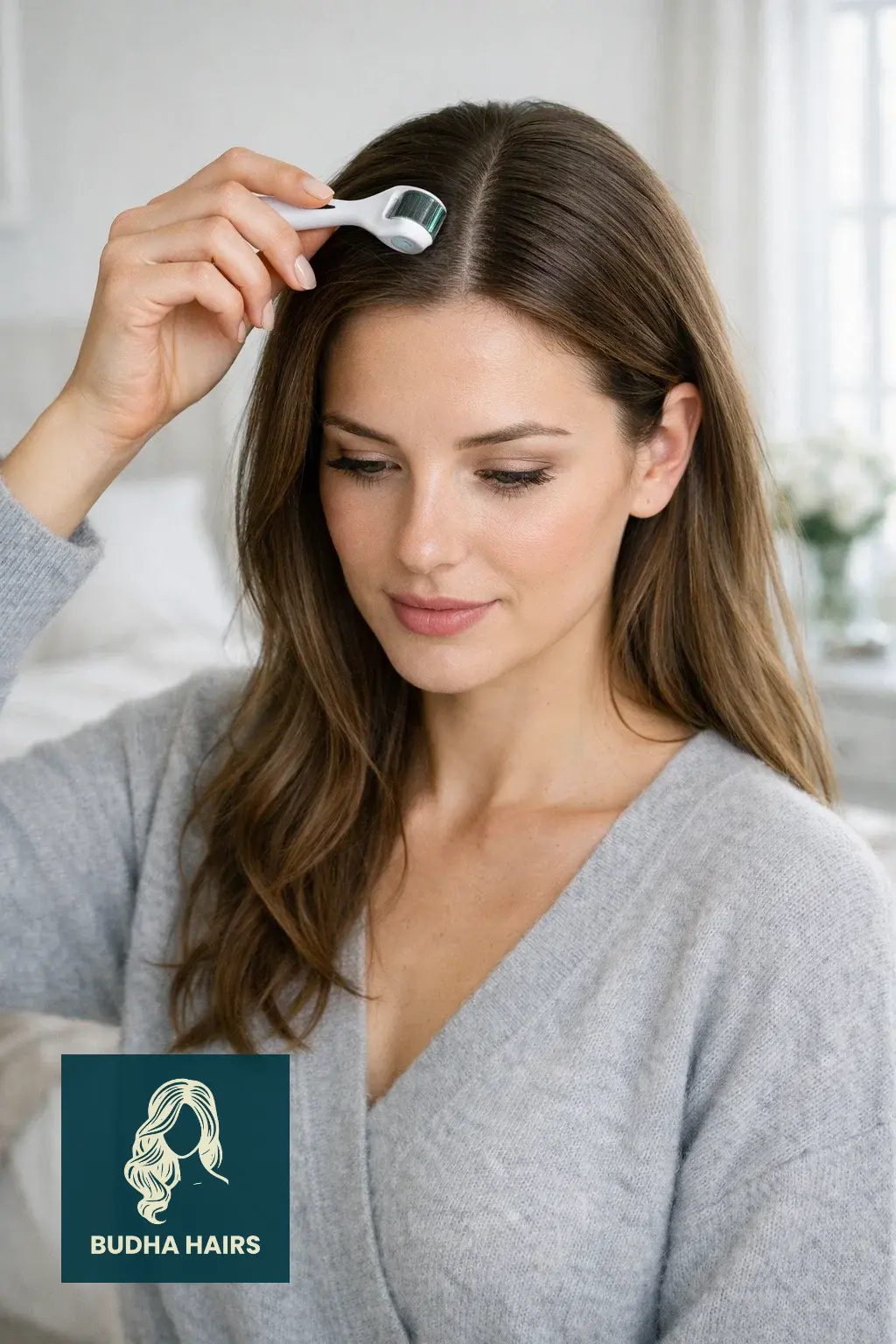
3. Scalp Microneedling (Derma Rolling)
Microneedling involves rolling tiny needles over the scalp to create micro-injuries. This triggers the body’s wound-healing response, rushing collagen and growth factors to the scalp. Studies show that combining weekly microneedling with Minoxidil boosts results significantly compared to Minoxidil alone.
4. Rosemary Oil Application
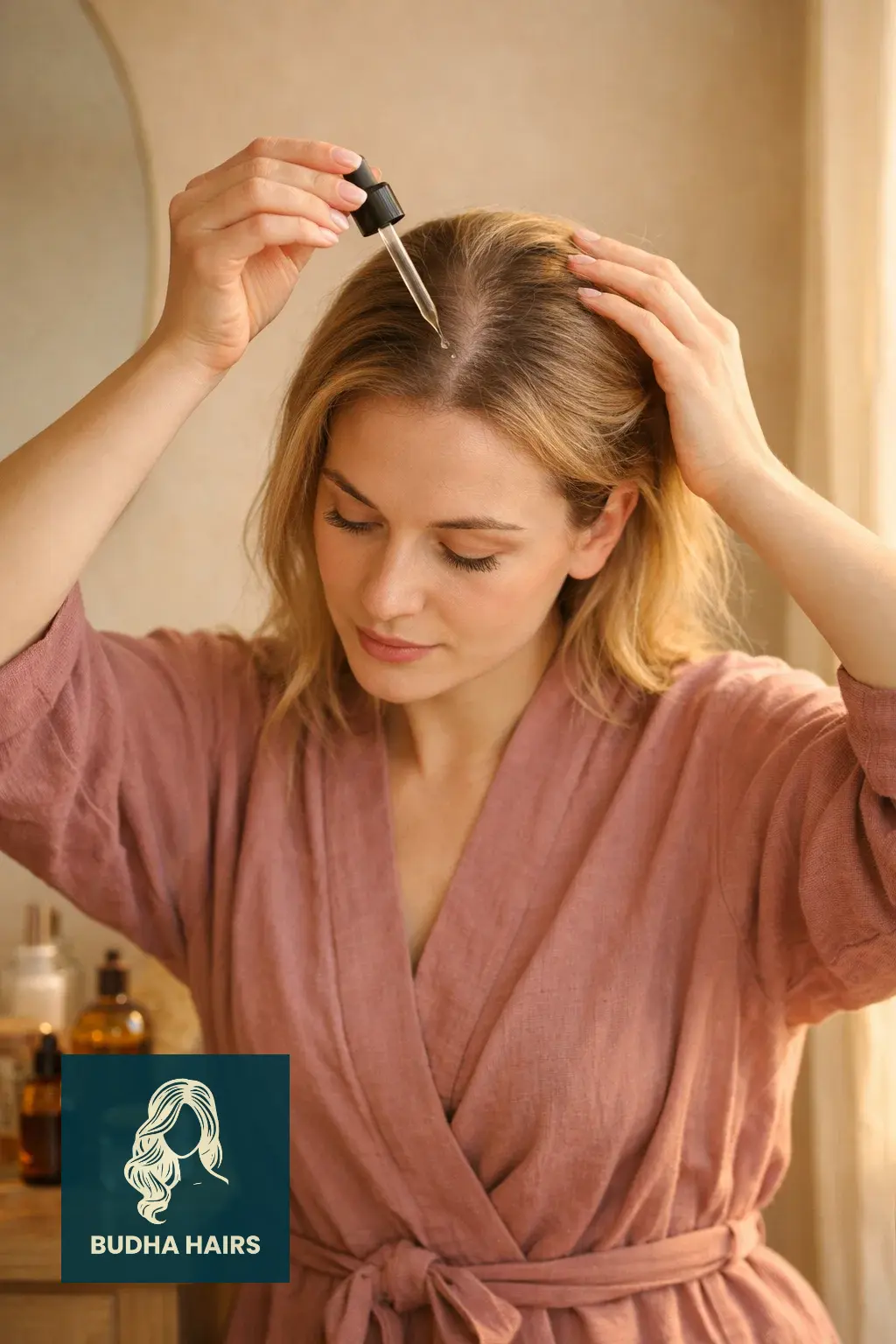
For a natural alternative to Minoxidil, Rosemary oil has been shown in clinical trials to be equally effective at blocking DHT (the hormone that shrinks follicles) and improving circulation. Massage diluted rosemary oil into the scalp daily to stimulate the roots without the chemical side effects.
5. Prioritize Protein Intake
Hair is made of keratin, a protein. If you don’t eat enough protein, your body shuts down hair production. Aim for 0.8 to 1 gram of protein per pound of body weight. Include eggs, lean meats, fish, or collagen peptides in every meal to provide the amino acid building blocks for hair.

Learning how to stop thinning hair requires proper nutrition, gentle care, and scalp maintenance. Incorporating Natural Remedies for Oily Scalp helps balance the scalp environment, preventing excess oil from weakening strands.
6. Manage Stress (Cortisol)
High stress raises cortisol, which disrupts the hair growth cycle and pushes follicles into the resting phase (Telogen Effluvium). Practices like yoga, meditation, or deep breathing aren’t just for your mind; they physically lower inflammation in the scalp, allowing hair to grow.

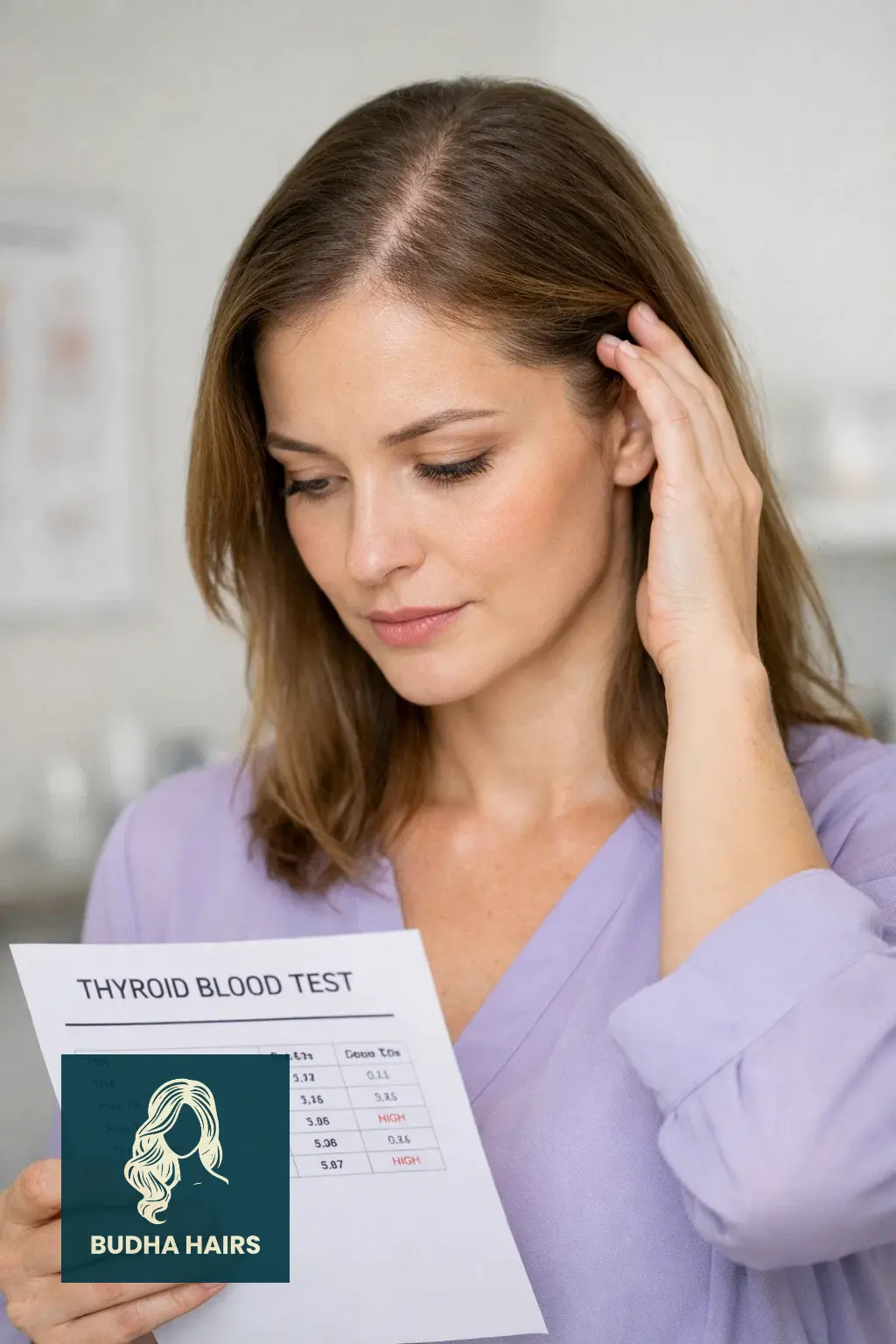
7. Thyroid Function Test
Hypothyroidism (underactive thyroid) and Hashimoto’s disease are extremely common in women and directly cause diffuse thinning and dry, brittle hair. Request a full thyroid panel (TSH, T3, T4, and antibodies) from your doctor. Medication to balance your thyroid often reverses the hair loss completely.
8. Saw Palmetto Supplements
If your thinning is hormonal (androgenic alopecia), Saw Palmetto can help. It is a natural berry extract that works similarly to Finasteride by blocking the enzyme 5-alpha-reductase, preventing testosterone from converting into DHT, which shrinks hair follicles.

Strengthening hair also relies on consistent care and stimulation. Techniques from How to Grow Thicker Eyebrows Naturally highlight nourishing practices that promote healthier follicles and thicker growth.
9. Vitamin D Supplementation
Vitamin D receptors are crucial for initiating the growth phase of the hair cycle. Low Vitamin D is strongly linked to alopecia. Since most women are deficient, taking a daily Vitamin D3 supplement can help “wake up” dormant follicles.

10. Switch to Sulfate-Free Shampoo
Thinning hair is fragile and has a weaker anchor in the scalp. Harsh sulfates (detergents) in cheap shampoos can strip the scalp’s lipid barrier and irritate the follicles, leading to inflammation and increased shedding. Switch to gentle, pH-balanced, sulfate-free formulas.

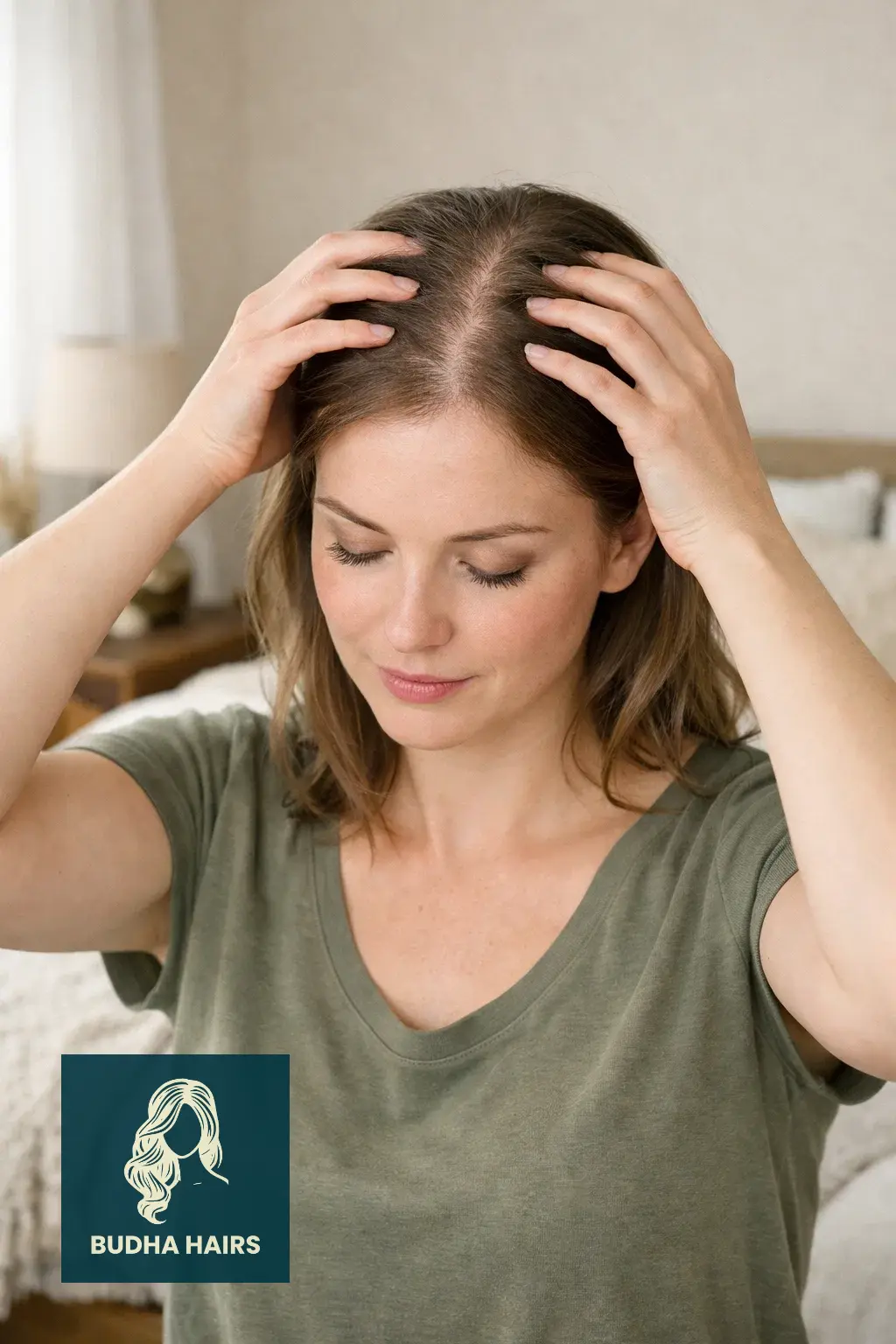
11. Scalp Massage
Mechanical stimulation increases blood flow to the hair follicles. Use your fingertips or a silicone massager for 4 minutes daily. This increased circulation brings oxygen and nutrients to the hair bulb, which is essential for sustaining strong growth.
12. Laser Hair Growth Caps (LLLT)
Low-Level Laser Therapy (LLLT) uses red light energy to stimulate the mitochondria in hair cells, essentially giving them more energy to grow. FDA-cleared laser caps or combs used 3 times a week have been proven to increase hair density in many women.

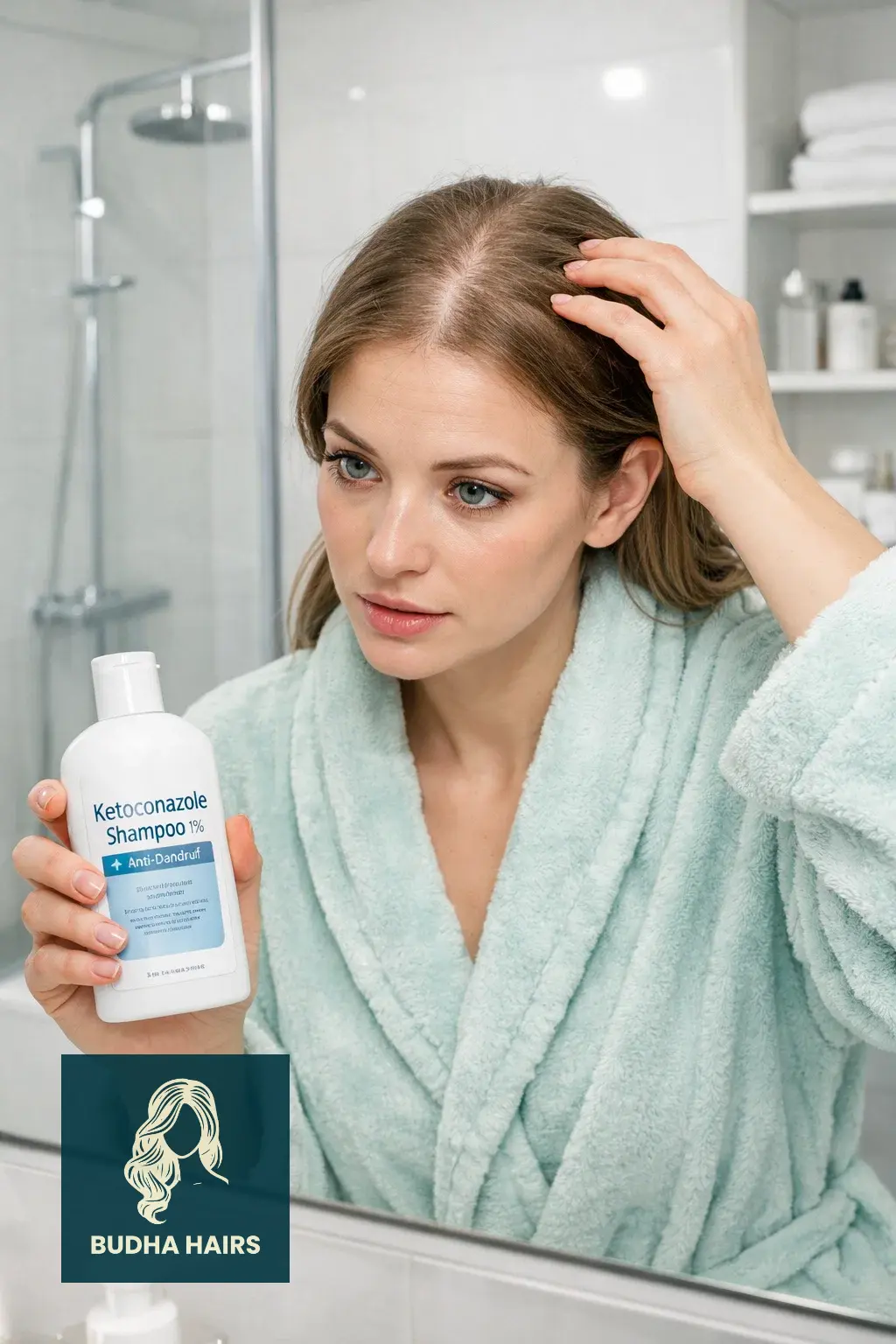
13. Ketoconazole Shampoo (Nizoral)
While designed for dandruff, Ketoconazole is also a mild anti-androgen. It reduces scalp inflammation and helps clear sebum that can clog follicles and contain high levels of DHT. Using it once a week can create a healthier environment for growth.
14. Avoid Tight Hairstyles (Traction)
Stop pulling your thinning hair into tight ponytails or buns. The constant tension causes “Traction Alopecia,” permanently damaging the follicle. Wear your hair down, in loose braids, or use claw clips to distribute the weight evenly.

15. The “Chop” (Shorter Haircut)
Long, thin hair is heavy and pulls on the root, revealing more scalp. Cutting your hair into a blunt bob or lob removes the weight, allowing the roots to stand up. This instantly creates the illusion of thicker, fuller hair and reduces tangling/breakage.

16. Biotin and Silica
While Biotin deficiency is rare, supplementing with Biotin and Silica (found in Bamboo extract or Horsetail) can strengthen the hair cortex. This doesn’t necessarily grow more hair, but it prevents the hair you have from snapping, preserving your density.

17. Hormone Replacement Therapy (HRT)
For post-menopausal women, the drop in estrogen is the primary cause of thinning. Bioidentical Hormone Replacement Therapy (HRT) can restore estrogen levels, which naturally extends the hair growth phase and protects follicles from the effects of androgens. Consult an endocrinologist.

18. Pumpkin Seed Oil
Like Saw Palmetto, Pumpkin Seed Oil acts as a natural DHT blocker. One study showed that men taking pumpkin seed oil saw a 40% increase in hair count. It can be taken orally or applied topically to the scalp to support hormonal balance.

Thinning hair is more prone to tangling and breakage. Following Tips for Detangling Curly Hair ensures strands remain smooth and manageable while reducing unnecessary stress during styling.
19. Use a Silk Pillowcase
Thin hair breaks easily from friction. Sleeping on a cotton pillowcase can rub your fragile hairs until they snap. A silk or satin pillowcase allows hair to glide, preventing mechanical breakage while you sleep and preserving your hairline.

20. Root Cover-Up Sprays/Powders
While treating the root cause, use a cosmetic fix to reduce stress. Tinted root sprays or hair fibers (like Toppik) cling to existing hairs and color the scalp, instantly camouflaging the widening part. Seeing a “fuller” head of hair in the mirror reduces anxiety, which helps lower cortisol.

Conclusion
Stopping hair thinning in women is rarely about a single miracle cure; it requires a combination of medical, nutritional, and mechanical interventions. By addressing the “Big Three” internal factors—Ferritin (Iron), Thyroid, and Hormones—while simultaneously stimulating the scalp with Minoxidil or Rosemary Oil, you can halt the shedding. Remember, hair cycles are slow; commit to a protocol for at least 6 months to see the true potential of your regrowth.

I’m Budha Styler, a hair enthusiast who loves creating beautiful, confidence-boosting looks that feel true to who you are. I’m passionate about exploring new trends, techniques, and textures, and I enjoy turning that knowledge into simple, inspiring ideas anyone can try. Through my work, I hope to help you express your unique style, feel amazing in your own hair, and discover everyday looks that make you shine.


