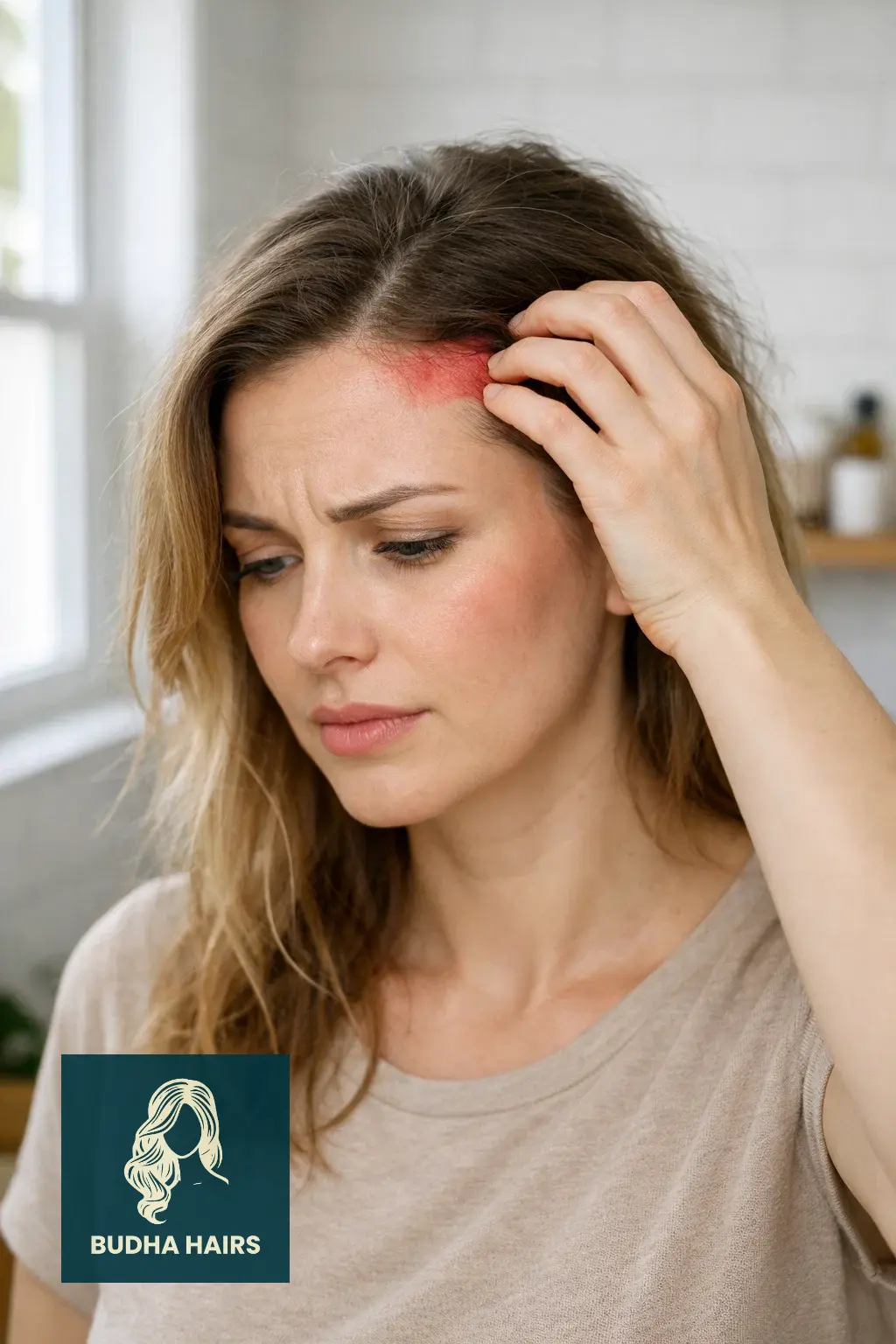
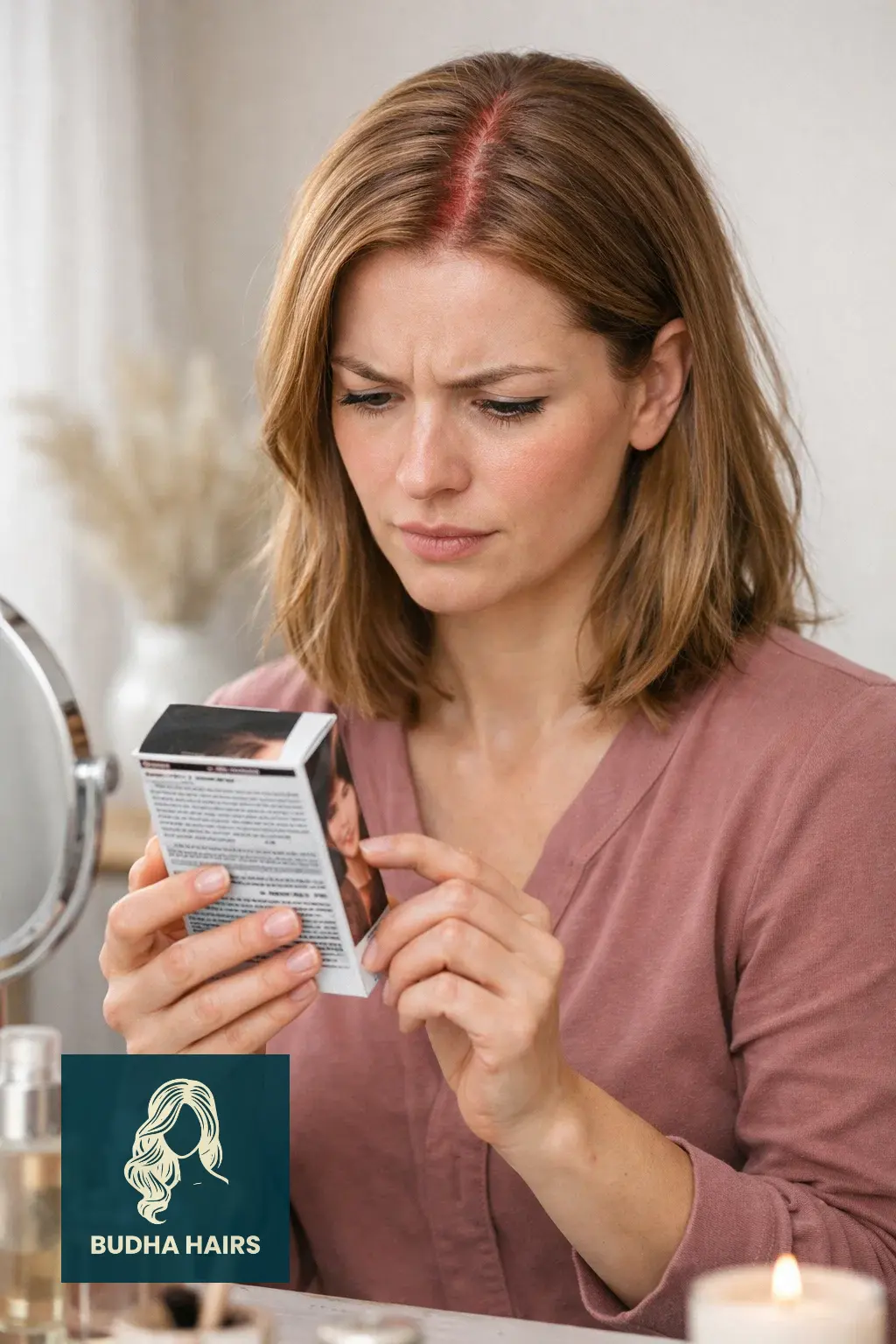
Experiencing an itchy scalp after hair coloring is an alarmingly common reaction that ranges from mild annoyance to severe discomfort, turning what should be a beauty enhancement into a physical ordeal. While a slight tingling sensation is often considered normal during the application process due to the oxidation of chemicals, persistent itching that lasts for hours or days post-service indicates a deeper issue with how your skin barrier has reacted to the formula. This reaction is usually classified into two categories: Irritant Contact Dermatitis, which is a surface-level injury to the skin’s protective layer caused by harsh ingredients like ammonia, or Allergic Contact Dermatitis, an immune system response to specific pigments.
The Science of the Reaction
Understanding the biological trigger is crucial, as treating an allergy requires different protocols than soothing a chemical burn.
Irritant Contact Dermatitis
The most frequent cause of post-color itching is Irritant Contact Dermatitis, which occurs when the aggressive chemicals required to lift and deposit color breach the scalp’s natural lipid barrier. Permanent hair dyes typically use an alkalizing agent, such as ammonia or ethanolamine, to swell the hair cuticle; unfortunately, these agents also raise the pH of your scalp to unnatural levels. This high alkalinity strips away the protective acid mantle and natural oils (sebum), leaving the skin dry, inflamed, and raw. The sensation is often described as a burning itch that feels like a sunburn, caused not by an allergy, but by the physical disruption of the skin cells, leading to immediate dehydration and sensitivity.
The PPD Allergy Factor
A more serious cause of itching is a sensitivity to Paraphenylenediamine (PPD) or Para-toluenediamine (PTD), which are the primary pigment molecules used in most permanent darker dyes. For those with this sensitivity, the immune system mistakes these molecules for harmful invaders and releases histamines to fight them off, resulting in intense itching, redness, and sometimes swelling. This reaction is known as a delayed hypersensitivity reaction, meaning the itching might not start until 24 to 48 hours after your appointment. Unlike simple irritation, which fades as the skin heals, an allergic reaction can escalate with repeated exposure, making it critical to distinguish between a dry scalp and an active immune response.
10 Expert Tips to Stop the Itch
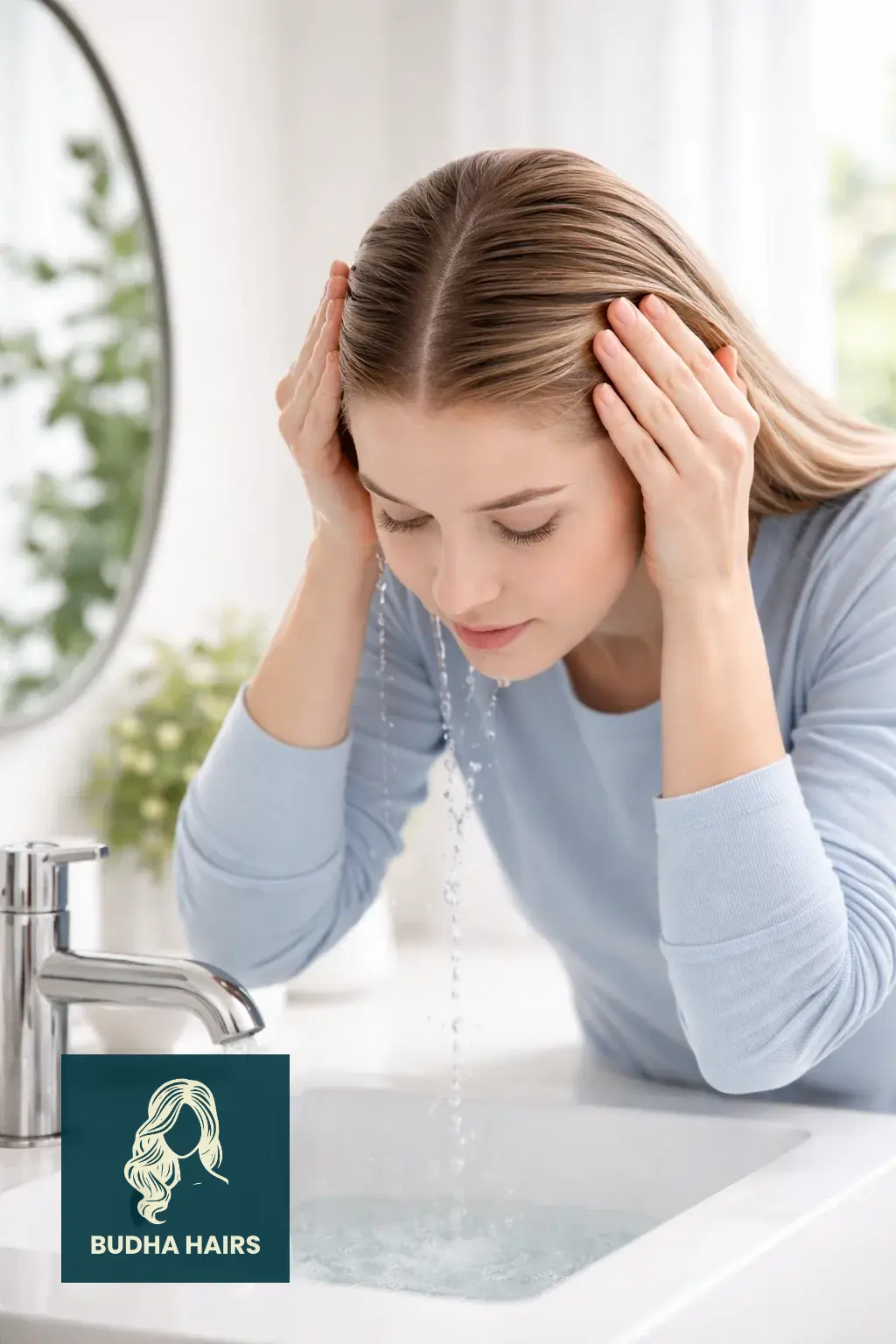
1. Rinse with Cool Water Immediately
Heat is a vasodilator, meaning it widens the blood vessels and increases blood flow to the skin, which significantly exacerbates itching and inflammation. To combat this, you should switch your washing routine to cool or lukewarm water immediately following a color service. The cool temperature acts as a natural vasoconstrictor, helping to calm nerve endings and reduce the sensation of heat on the scalp. This simple thermal regulation helps to soothe the “angry” feeling of the skin and prevents the further stripping of moisture that hot water inevitably causes.
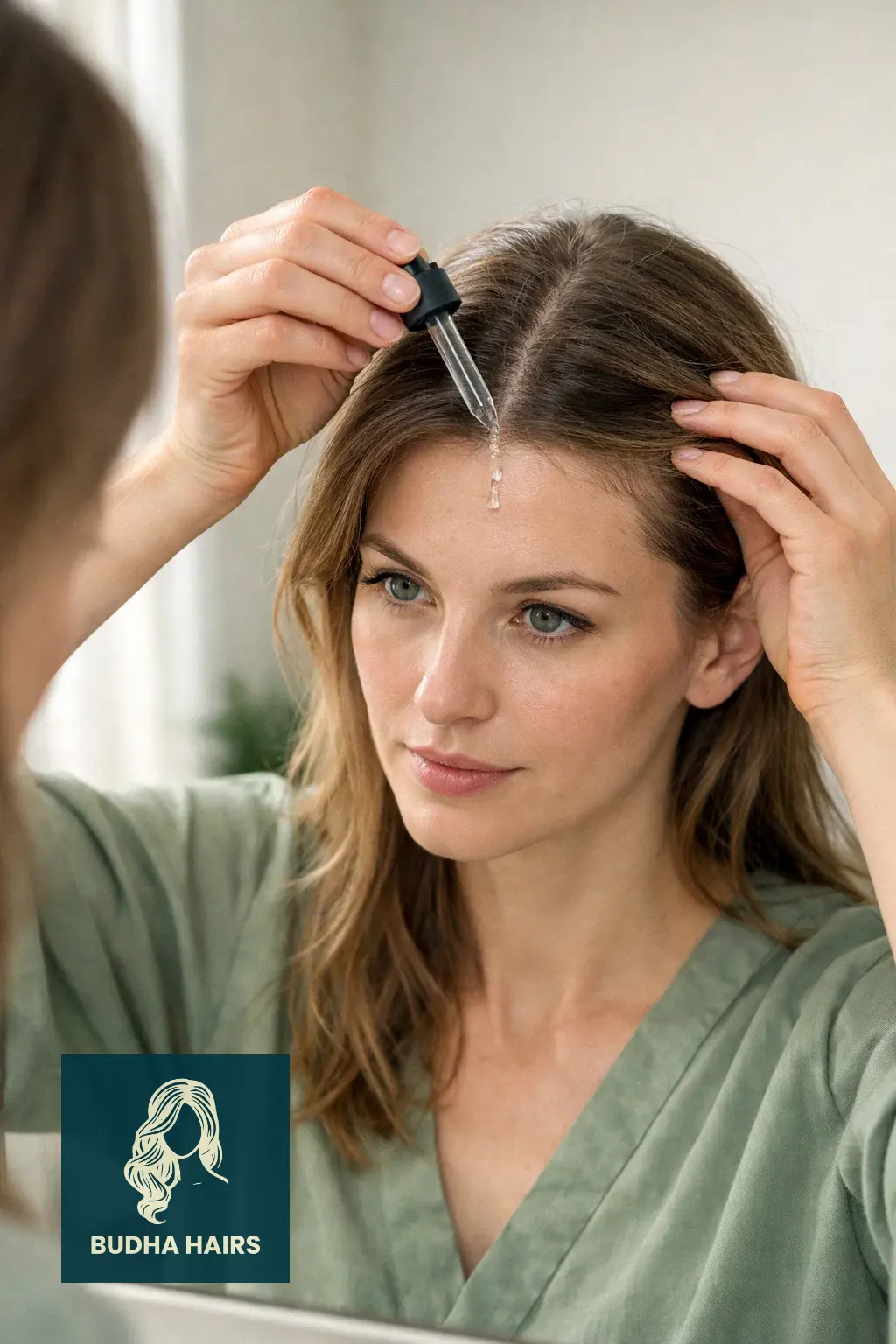
2. Apply a Scalp-Soothing Serum
Invest in a specialized scalp serum containing anti-inflammatory botanicals like aloe vera, chamomile, or bisabolol, which are designed specifically to neutralize chemical irritation. These serums are often formulated with a nozzle tip to deliver the product directly to the scalp without making the hair greasy. Apply the serum to the itchy areas and gently massage it in; the aloe provides an immediate cooling effect while the botanicals work to repair the disrupted skin barrier. Look for products labeled “post-color” or “sensitive scalp” to ensure they do not contain ingredients that could strip your fresh color.
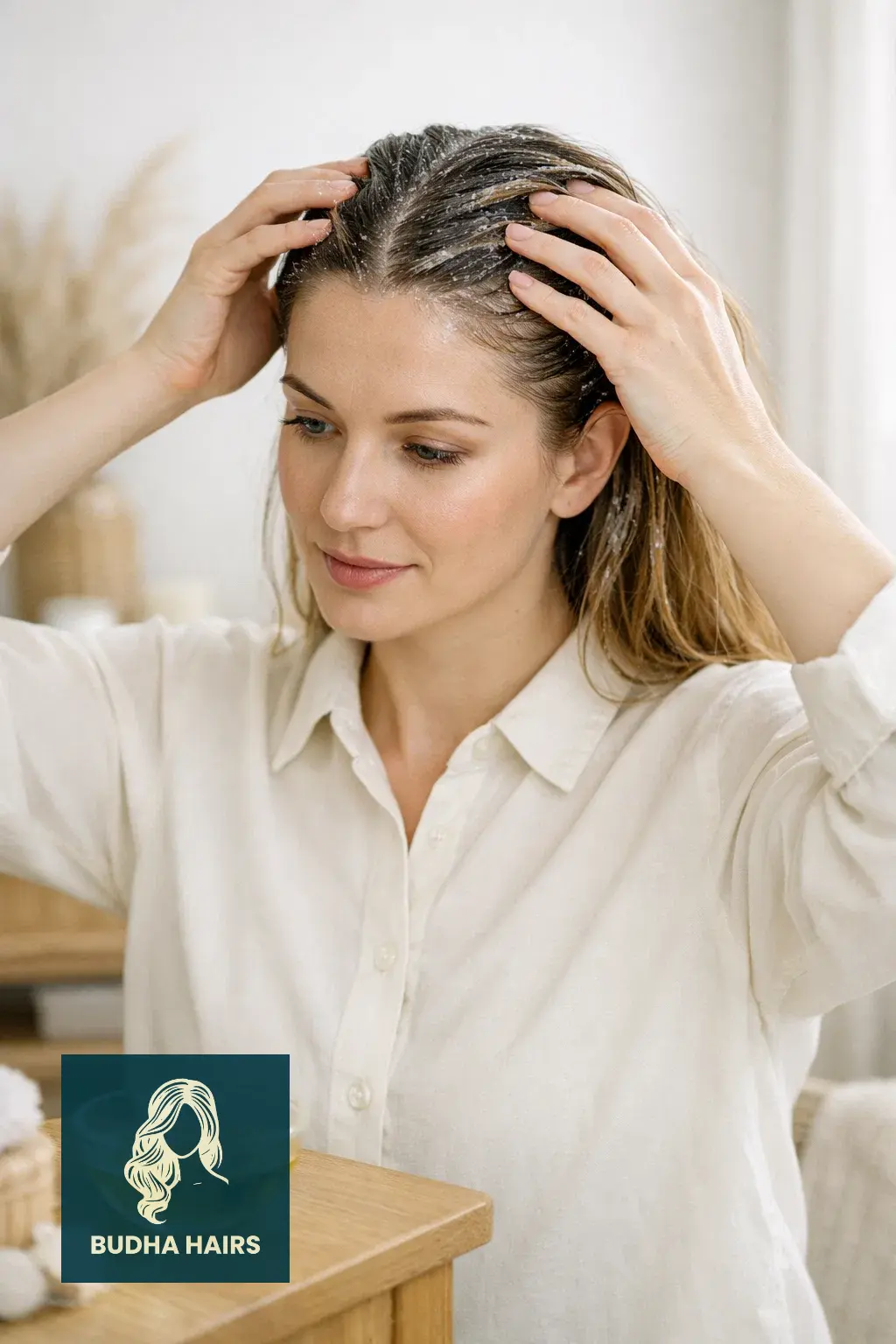
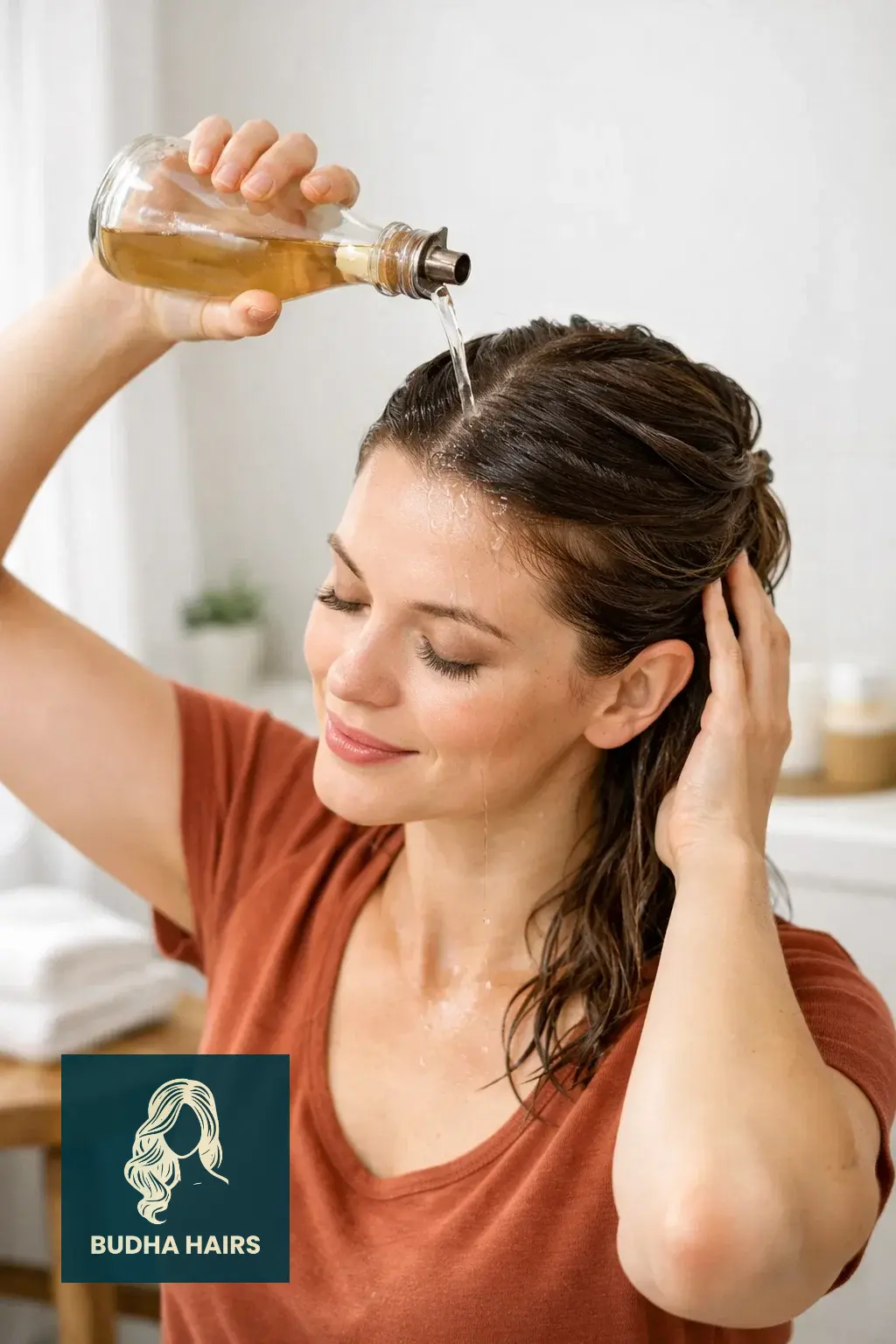
3. Use an Oil Treatment (Jojoba or Coconut)
If the itching is caused by extreme dryness from the ammonia stripping your oils, reintroducing lipids is the fastest way to find relief. Jojoba oil is the chemical twin of human sebum, making it the perfect choice to trick the scalp into feeling balanced again without clogging follicles. Coconut oil is another excellent option due to its natural antibacterial and antifungal properties, which can prevent infection if you have scratched the skin. Warm a small amount of oil and apply it directly to the scalp (not the hair), leaving it on for 20 minutes before gently washing it out.
Heat and chemical processing can easily overwhelm fine hair and the scalp. Following best practices from How to Blow Dry Thin Fine Hair for Volume helps minimize stress while adding lift and movement.
4. Switch to a Sulfate-Free, Fragrance-Free Shampoo
Until your scalp has fully healed, you must avoid traditional shampoos containing sulfates (SLS), which are harsh detergents that will further irritate the already compromised skin barrier. Similarly, artificial fragrances are a top allergen that can reignite the itching sensation on sensitized skin. Switch to a clinically tested, hypoallergenic shampoo formulated for sensitive skin or eczema. These gentle cleansers remove dirt without disrupting the scalp’s pH, allowing the skin to recover naturally while maintaining your hair color.
5. Take an Oral Antihistamine
If you suspect the itching is due to a mild allergic reaction (redness, bumps, or intense localized itching), an over-the-counter oral antihistamine can provide significant internal relief. Medications like Benadryl or Zyrtec work by blocking the histamine receptors that are causing the inflammatory signal, effectively turning off the “itch” command from the inside out. However, if the itching is accompanied by facial swelling or difficulty breathing, this is a medical emergency, and you should seek professional care immediately.

An itchy scalp after hair coloring is often caused by sensitivity or dryness from chemical treatments. Using gentle styling methods from How to Curl Thin Hair can help reduce further irritation while keeping hair looking styled and healthy.
6. Do Not Scratch (The “Pat” Technique)
The “itch-scratch cycle” is a dangerous loop; scratching provides temporary relief but causes micro-tears in the delicate, chemically treated skin, which leads to more inflammation and more itching. Furthermore, your fingernails harbor bacteria that can easily infect these micro-tears, leading to sores or scabs. Instead of using your nails, use the pads of your fingers to firmly pat or tap the itchy area, or apply a cold compress. This pressure provides a sensory distraction to the nerves without breaking the skin or causing further physical trauma.
7. Rebalance with an Apple Cider Vinegar Rinse
Chemical dyes are highly alkaline, and sometimes the itching persists because the scalp’s pH has not returned to its natural acidic state (around 5.5). An apple cider vinegar rinse can help restore this balance, closing the cuticle and soothing the skin simultaneously. Dilute one part apple cider vinegar with four parts water and pour it over the scalp after shampooing. The acidity neutralizes any residual alkalinity on the skin surface and acts as a mild antiseptic to calm irritation.
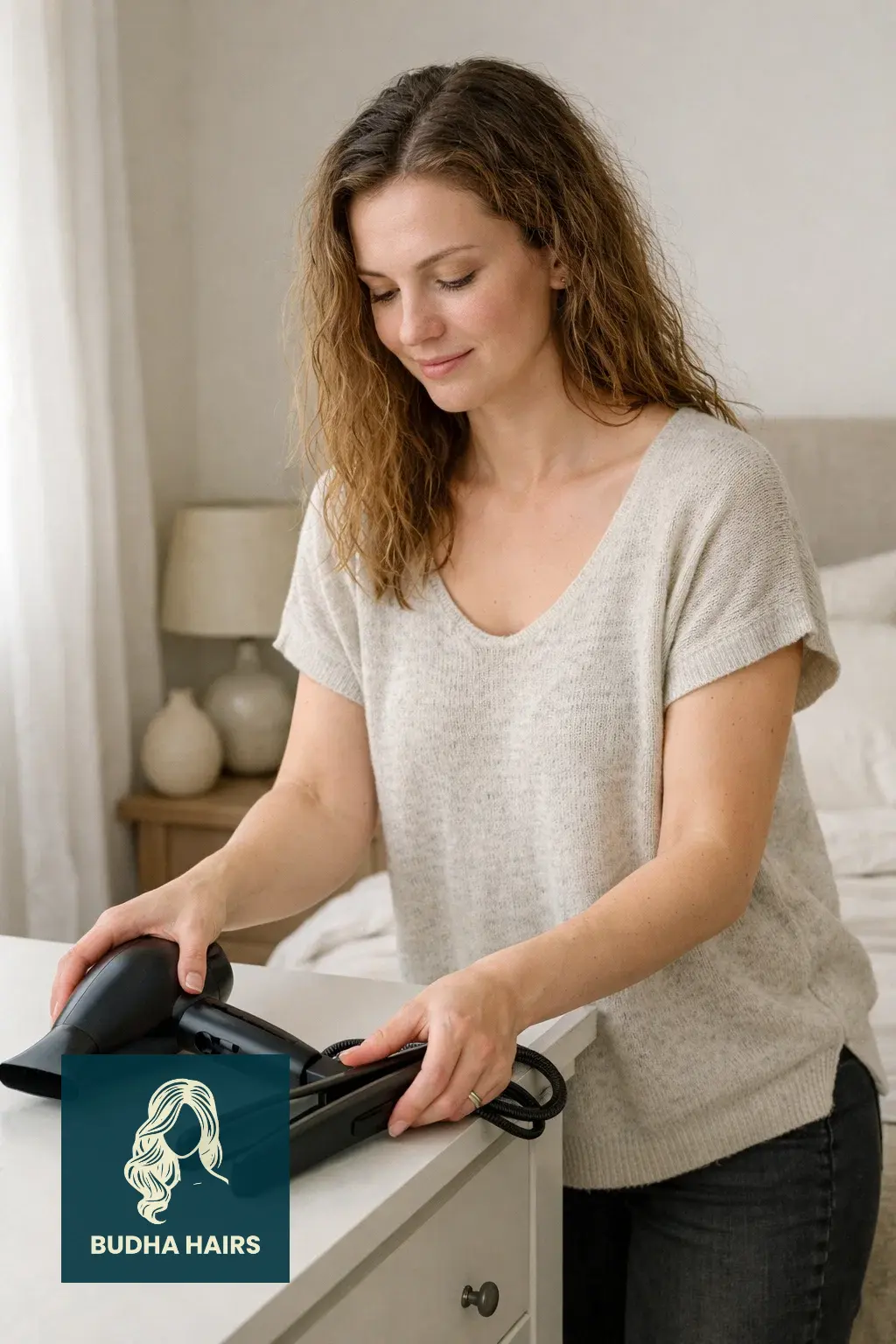
8. Skip Heat Styling for 48 Hours
Blow dryers, curling irons, and straighteners all direct intense heat toward the head, which will aggravate a sensitized scalp and evaporate any remaining moisture. Give your scalp a “thermal break” by allowing your hair to air dry for at least the first two days after coloring. If you absolutely must dry your hair, use the “cool” setting on your dryer and keep the nozzle at a distance to ensure no direct heat hits the irritated skin. This rest period allows the lipid barrier to regenerate without fighting against thermal stress.
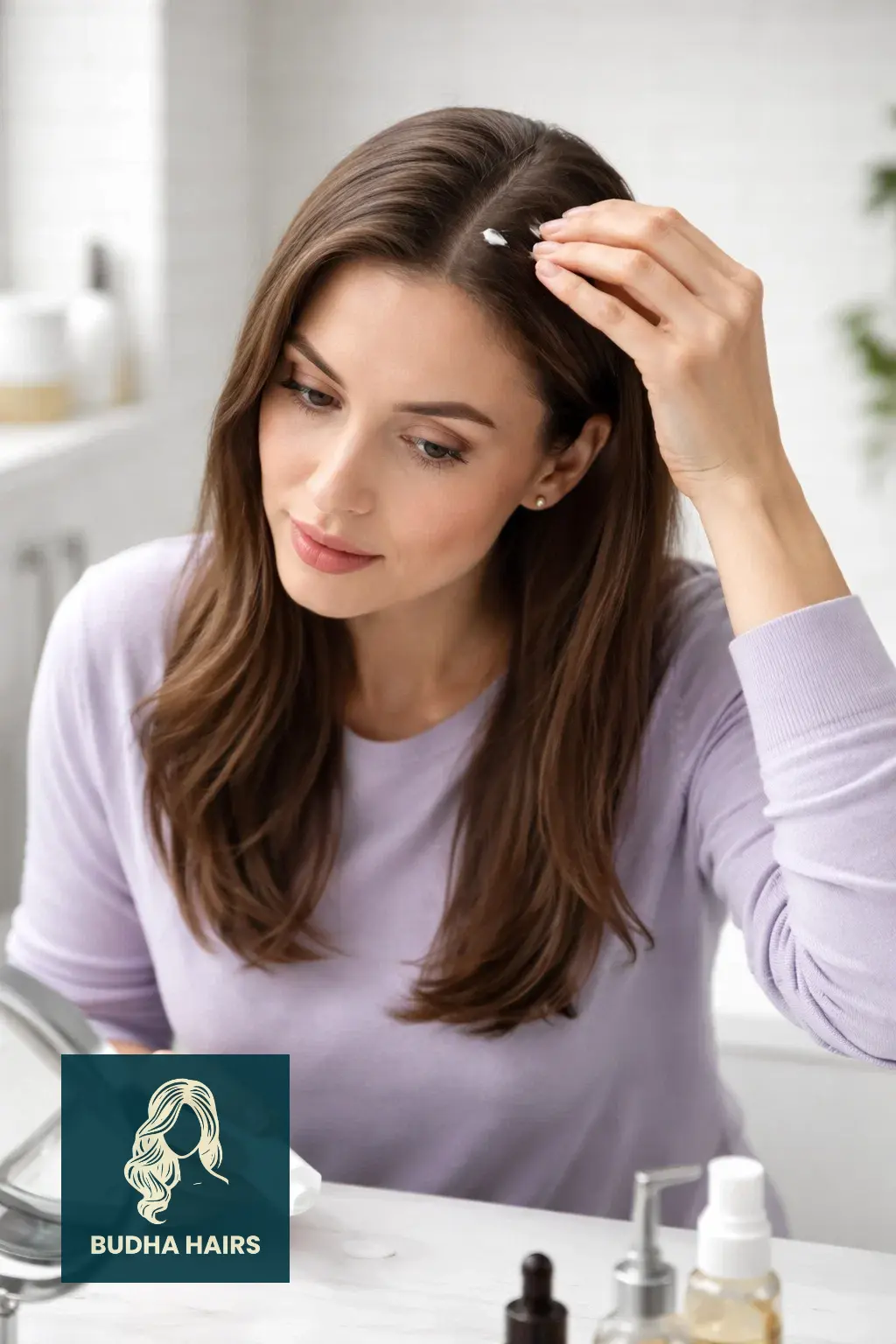
9. Use a Corticosteroid Cream (Sparingly)
For localized areas of intense inflammation or rash that do not respond to oils or serums, an over-the-counter hydrocortisone cream (1%) can be applied directly to the affected spots. This steroid cream is a powerful anti-inflammatory that quickly reduces redness and swelling. However, it should only be used as a short-term spot treatment and not applied to the entire head, as prolonged use can thin the skin. Apply a tiny amount with a cotton swab specifically to the most irritated patches for fast relief.
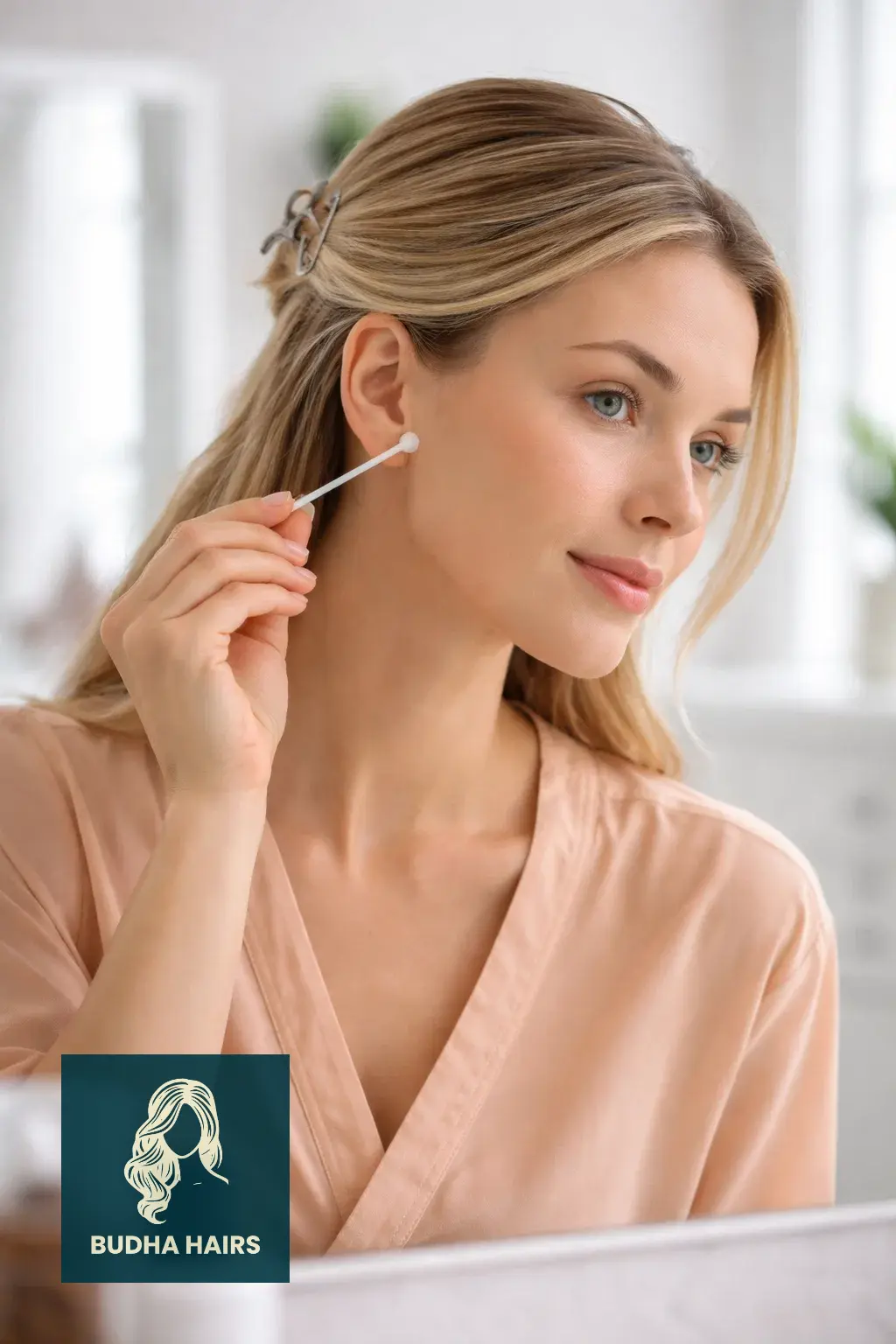
10. Prevention: Patch Test and Additives
To prevent this from happening in the future, you must insist on a patch test 48 hours before any color service, applying a small dab of the dye behind your ear to check for reactions. Additionally, ask your colorist to add a soothing additive (like a sugar packet or specialized oil) to the dye mixture, which can lower the alkalinity and protect the scalp during processing. Alternatively, request an “off-scalp” application technique, like foils or balayage, which keeps the harsh chemicals completely away from your skin, eliminating the risk of direct contact dermatitis.
Proper repair is essential after coloring to calm the scalp and strengthen strands. Applying solutions from How to Fix Damaged Thin Hair supports scalp recovery and restores moisture, reducing itchiness over time.
Conclusion
Itchy scalp after hair coloring is a clear signal that your skin’s integrity has been compromised, either through chemical dehydration or an allergic response. While the discomfort can be maddening, treating it with gentle, cooling remedies and avoiding further irritation is the key to rapid recovery. By implementing these expert tips—ranging from cooling rinses to pH-balancing vinegar—you can soothe the inflammation and restore comfort. Remember, if symptoms persist or worsen, consulting a dermatologist is essential to rule out severe allergies, ensuring your journey to beautiful hair doesn’t come at the cost of your health.

I’m Budha Styler, a hair enthusiast who loves creating beautiful, confidence-boosting looks that feel true to who you are. I’m passionate about exploring new trends, techniques, and textures, and I enjoy turning that knowledge into simple, inspiring ideas anyone can try. Through my work, I hope to help you express your unique style, feel amazing in your own hair, and discover everyday looks that make you shine.