Bleaching your hair can be exciting—but sometimes, instead of achieving that perfect platinum or ash tone, you end up with orange, brassy, or yellowish strands. If you’re asking yourself “How to fix orange hair after bleaching at home?”, you’re not alone. Brassy hair is one of the most common challenges after bleaching, and it can be caused by several factors, including hair type, previous color, and improper toner use.
In this guide, we’ll explain why orange hair happens, the best home solutions to correct it, how to prevent it in the future, and tips for keeping your hair healthy after bleaching.
Why Does Bleached Hair Turn Orange?
Understanding the reason behind brassy hair helps you fix it effectively.
1. Underlying Pigments in Hair
Hair has natural pigments:
- Dark brown/black hair: Contains deep red and orange pigments
- Medium brown hair: Orange and yellow undertones
- Blonde hair: Yellow undertones
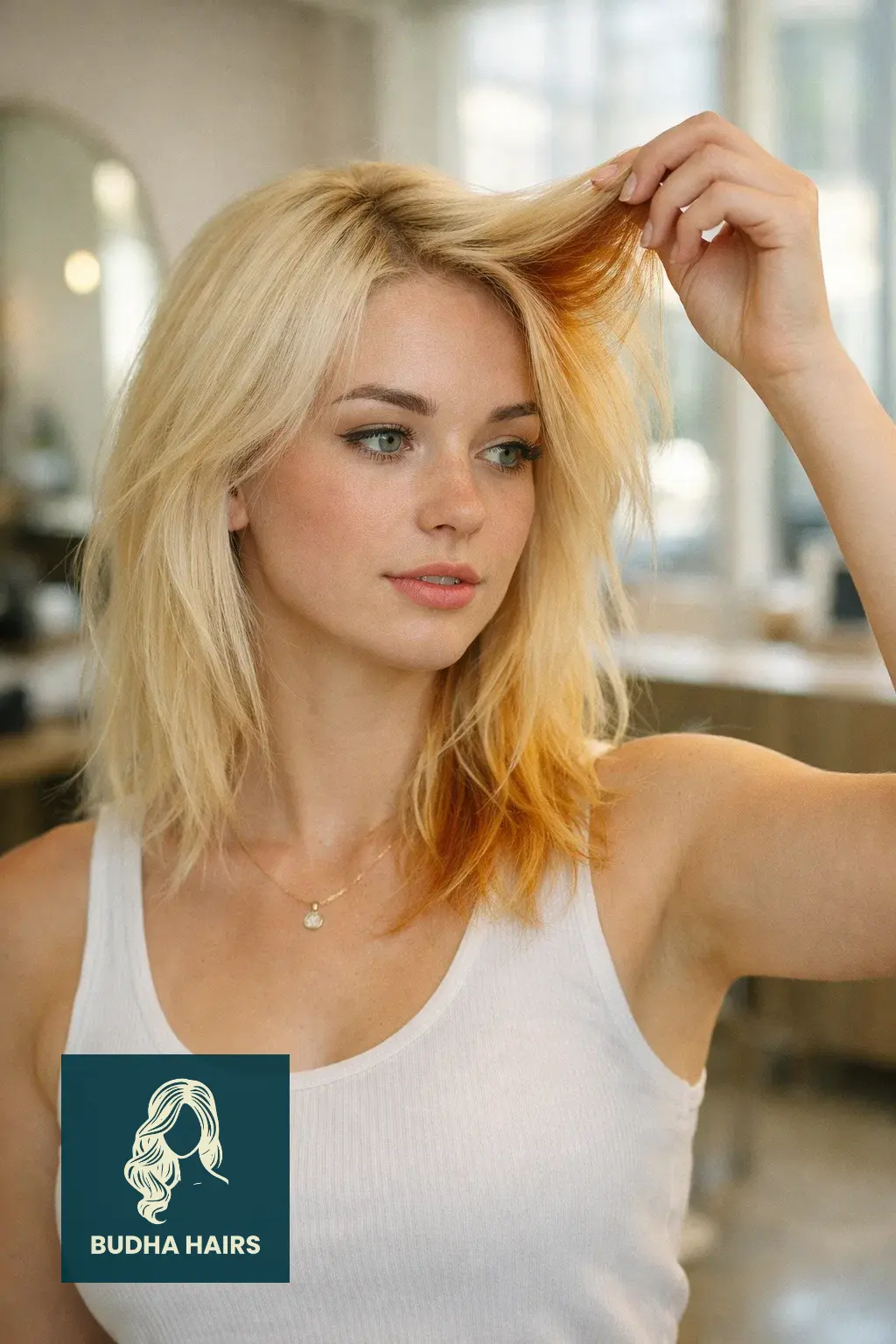
When you bleach hair, it removes the natural pigment in layers. If not fully lifted, the remaining red and orange tones appear, resulting in brassy hair.
2. Insufficient Toner or Bleach
- Skipping a toner or using the wrong toner shade can leave orange undertones
- Using a low-volume bleach may not lift dark pigments enough
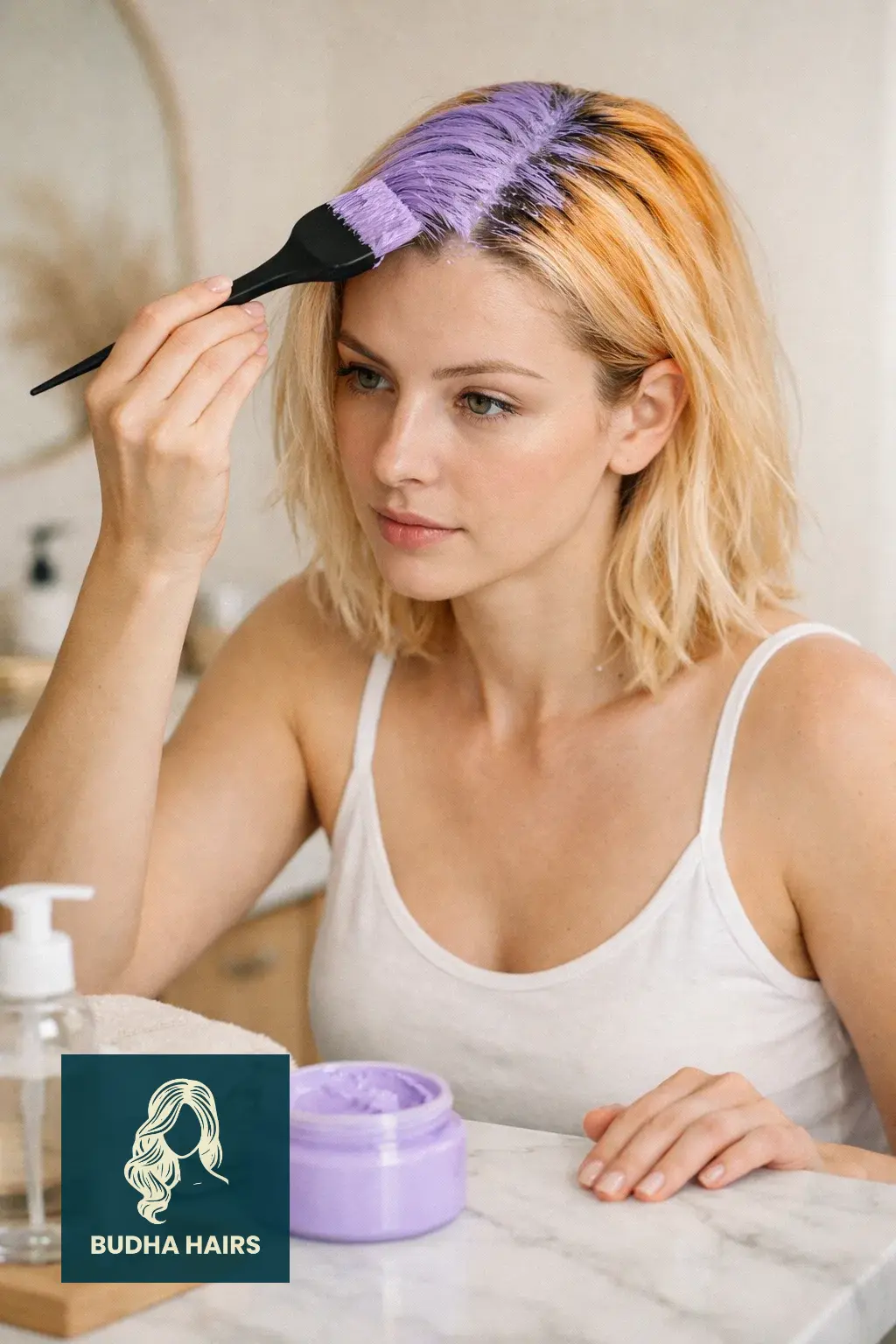
Knowing how to fix orange hair after bleaching at home requires the right toning products and proper hair care. Maintaining scalp health using tips from Why Does My Hair Smell Bad Even After Washing? can prevent odors that sometimes appear after chemical treatments.
3. Overprocessing or Damaged Hair
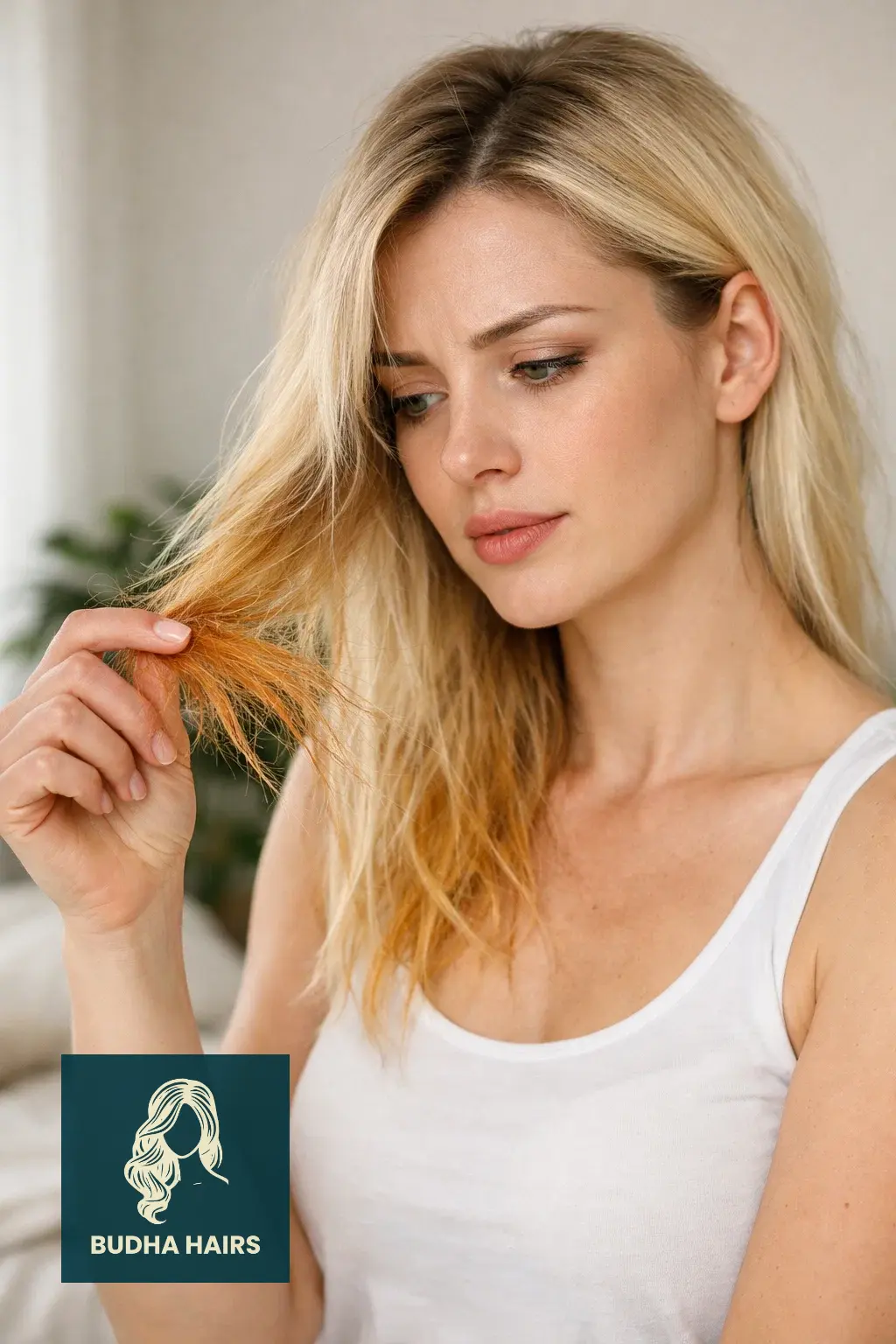
Bleached hair becomes porous, meaning it absorbs and retains pigments more easily, including brassy or warm tones from shampoos, sunlight, or swimming pools.
4. Hard Water and Mineral Build-Up
Minerals in water (especially iron or copper) can react with bleached hair, making it look orange or brassy over time.
How to Fix Orange Hair After Bleaching at Home
Here are the best methods to neutralize orange tones and achieve your desired shade.
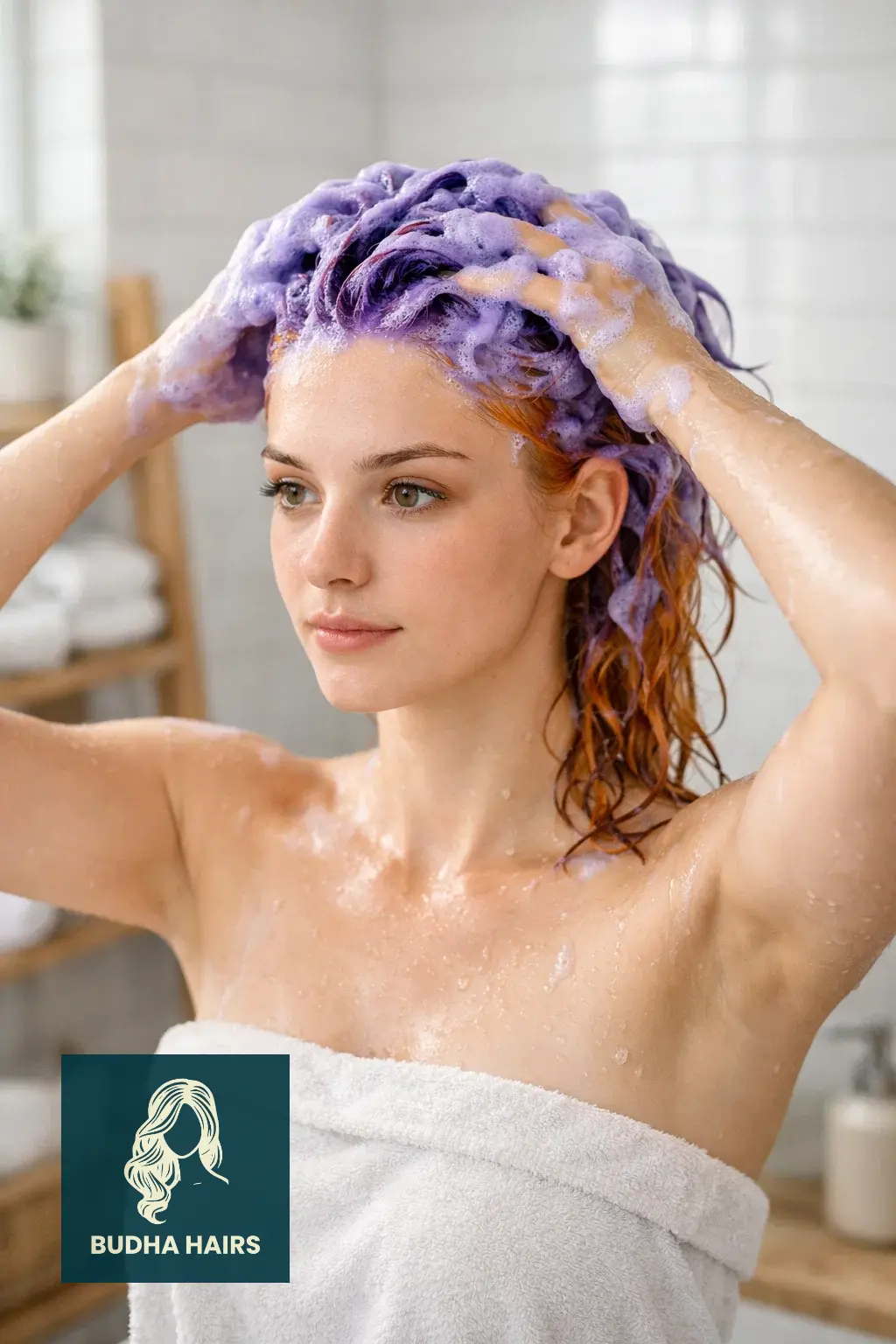
1. Use a Purple Shampoo
Purple shampoo is a haircare essential for correcting brassy hair.
Why it works:
- Purple tones are opposite orange on the color wheel
- They neutralize unwanted warm tones, leaving your hair cooler
How to use:
- Apply to damp hair
- Leave for 3–10 minutes (depending on intensity)
- Rinse thoroughly
- Use 1–2 times per week for maintenance
Tips:
- Avoid leaving purple shampoo too long, as it may give a grayish or purple tint
- Use sulfate-free formulas to prevent drying
2. Apply a Blue or Ash Toner
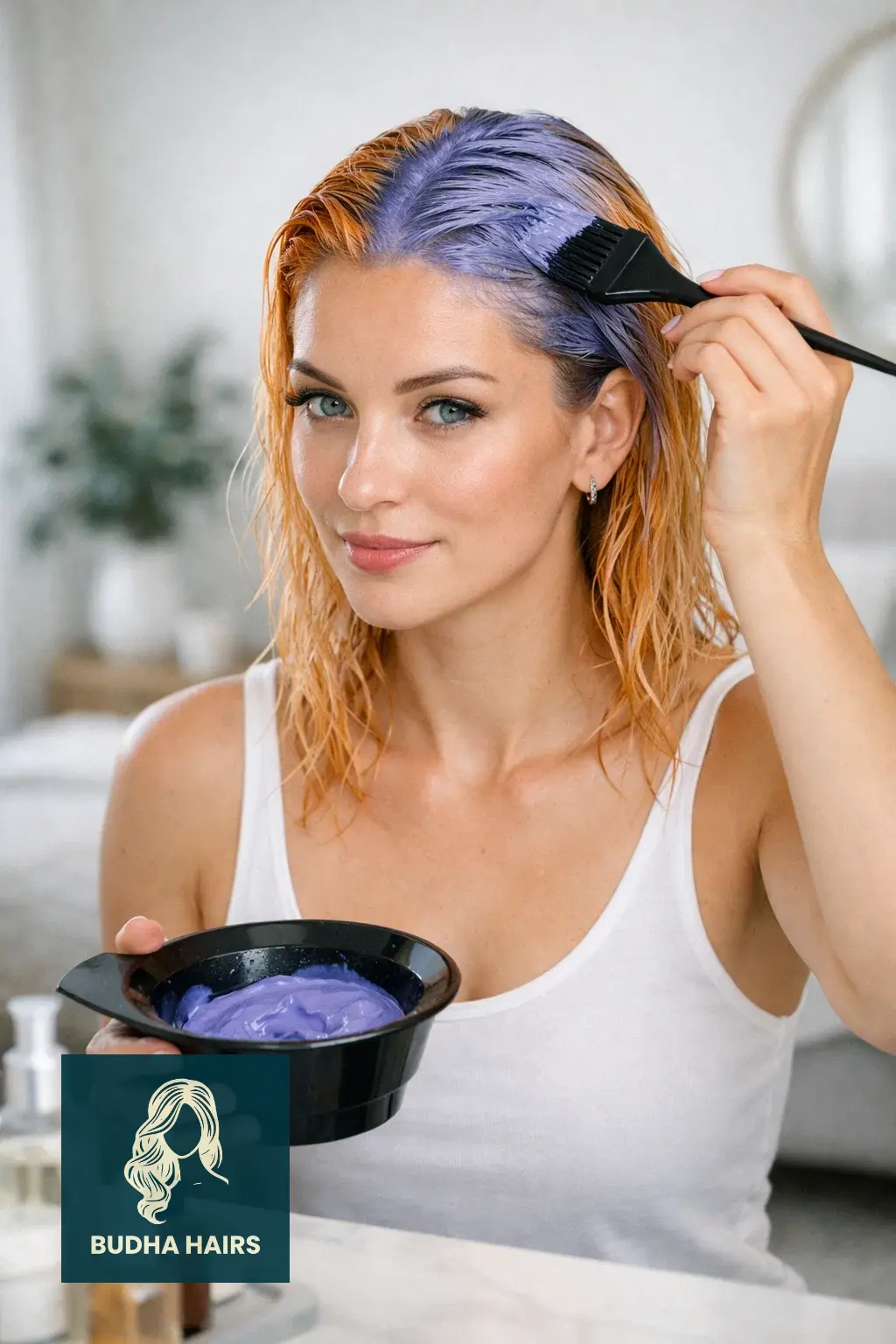
If purple shampoo isn’t strong enough, use a professional toner.
Blue toner: Best for orange/brassy hair
Purple toner: Best for yellow/brassy hair
How to apply at home:
- Wash hair and towel dry
- Apply toner evenly to orange sections
- Leave for 10–20 minutes (follow manufacturer instructions)
- Rinse and condition
Pro tip: Ashy shades like ash blonde or cool brown can naturally counter orange tones.
3. DIY Orange-Neutralizing Masks
You can fix orange hair with home remedies if toner isn’t available.
Ingredients that help:
- Chamomile tea rinse: Adds cool tones and softens hair
- Baking soda & purple conditioner mask: Mix a tiny amount of baking soda with purple conditioner for brassy correction
- Apple cider vinegar rinse: Helps remove mineral buildup
How to use:
- Apply rinse or mask for 5–15 minutes
- Rinse thoroughly
- Repeat once a week if needed
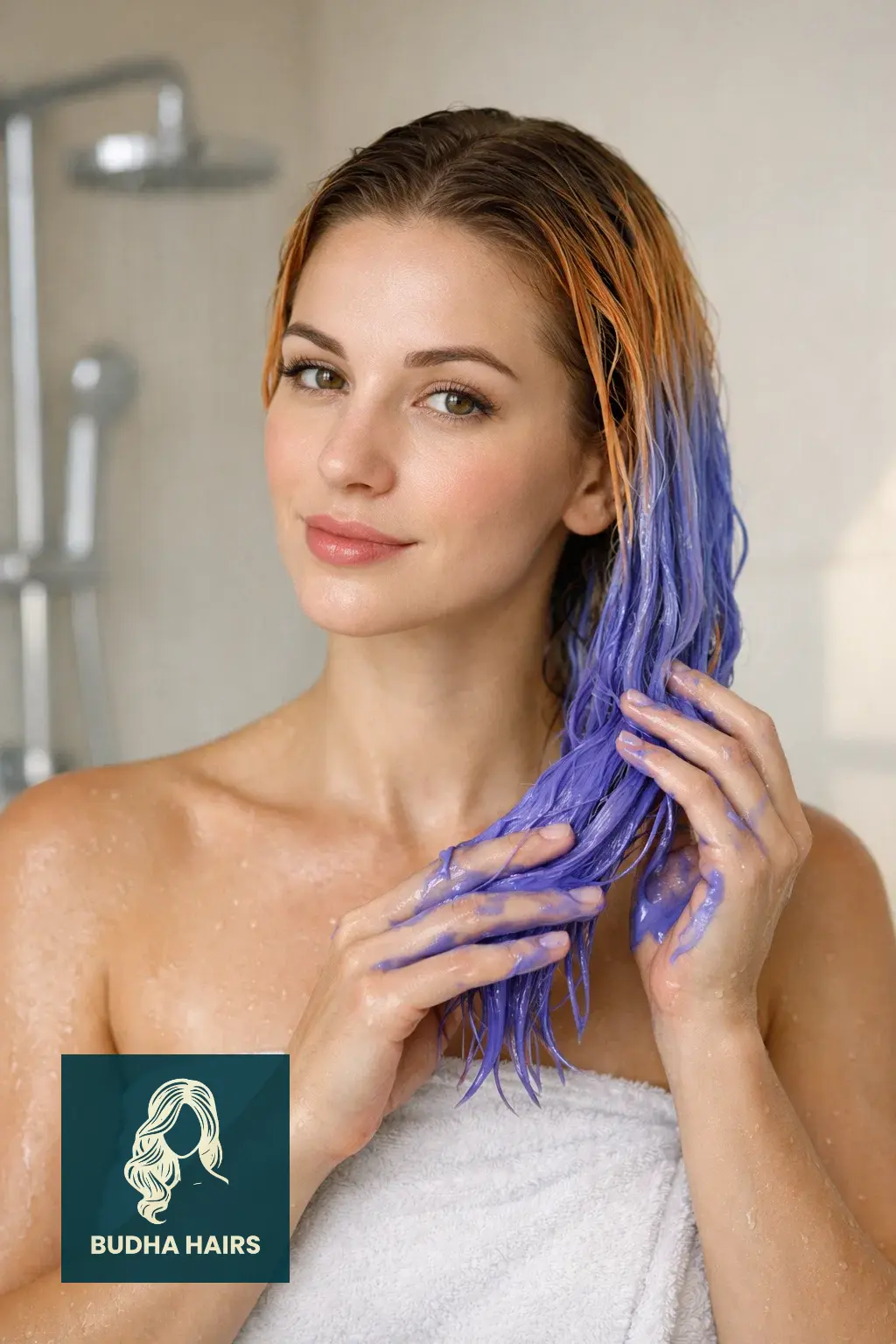
4. Use Color-Depositing Conditioners
Color-depositing conditioners or hair masks add ash or purple pigments gradually, neutralizing orange hair without harsh chemicals.
- Apply after washing
- Leave 5–10 minutes
- Use 1–2 times a week
Bleaching can weaken hair, making it more prone to breakage and shedding. Following strategies from Why Is My Hair Shedding More Than Usual? helps strengthen fragile strands and reduce hair loss after coloring.
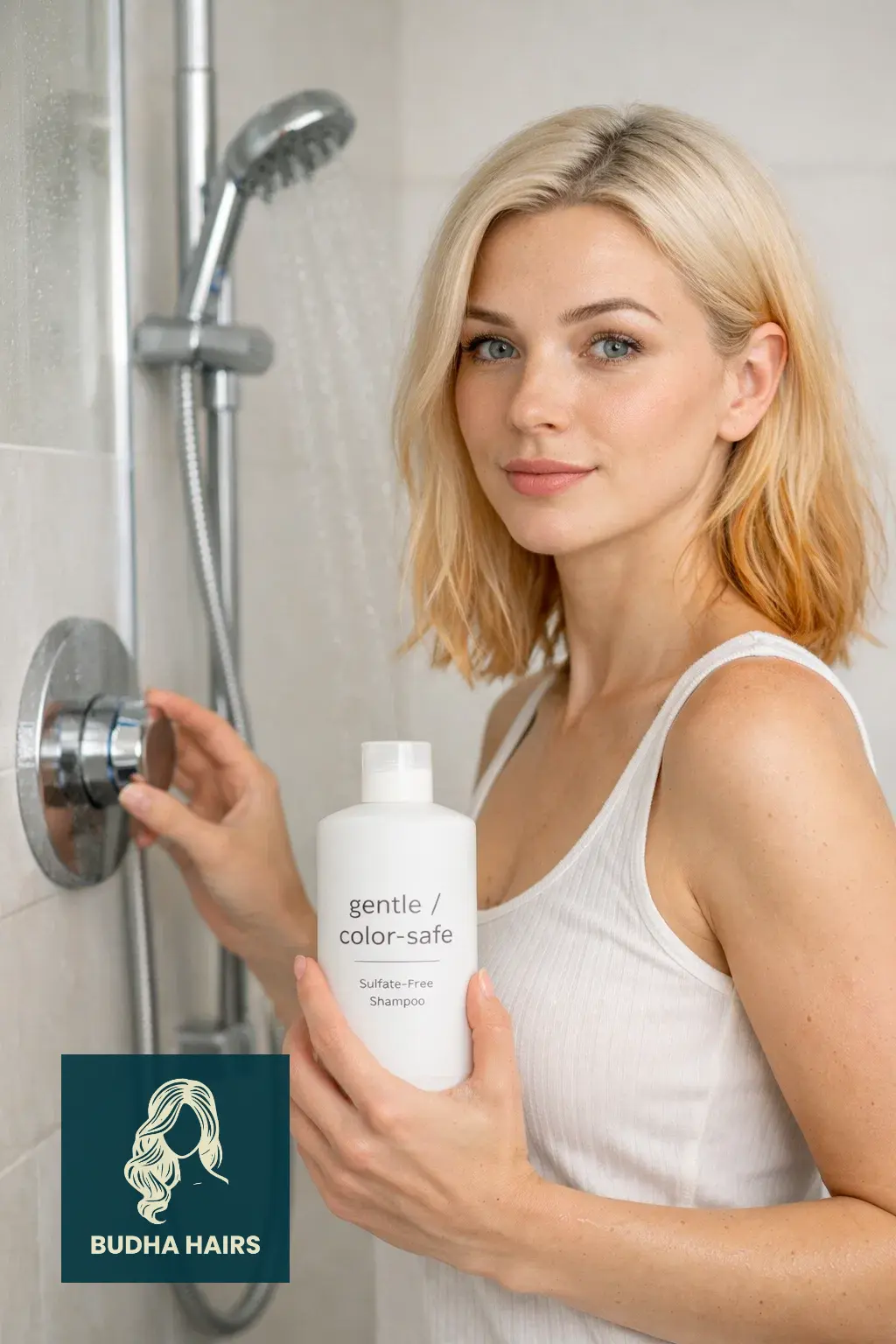
5. Avoid Hot Water and Harsh Shampoos
- Hot water opens the hair cuticle, making hair more porous and prone to brassy tones
- Use lukewarm water and sulfate-free shampoo
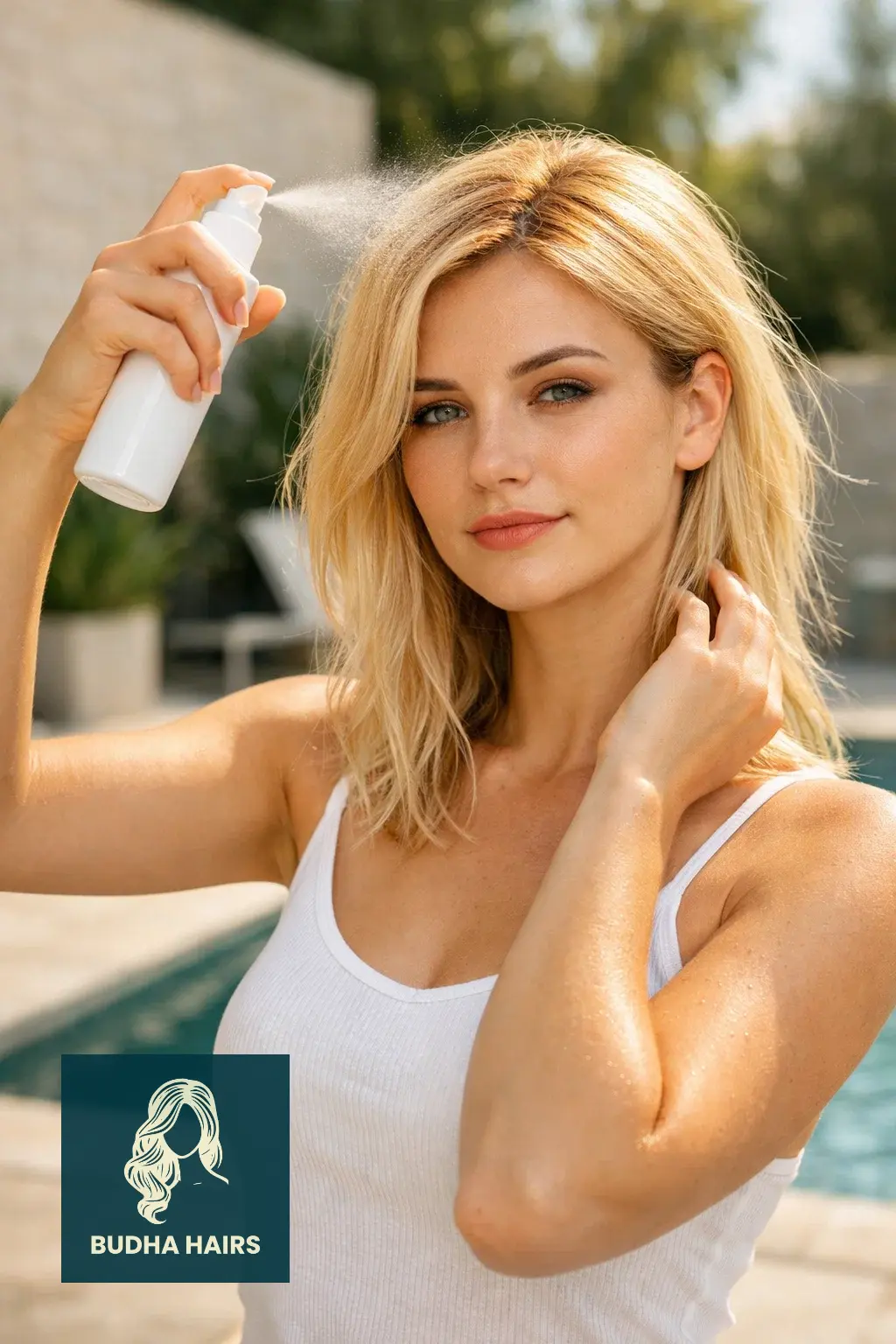
6. Protect Hair from Sun and Chlorine
UV exposure and chlorine accelerate orange tones.
- Wear hats or scarves outdoors
- Use UV-protectant hair sprays
- Rinse hair immediately after swimming
7. Regular Deep Conditioning
Bleached hair is porous and dry. Deep conditioning prevents damage and uneven color absorption.
Tips:
- Use protein-rich or hydrating masks
- Apply once a week
- Focus on mid-lengths and ends
Preventing Orange Hair After Bleaching
- Always use a professional toner after bleaching
- Avoid over-bleaching or leaving bleach too long
- Maintain hair with purple shampoos and color-safe conditioners
- Minimize sun, chlorine, and heat exposure
- Schedule touch-ups only when necessary
Signs You Might Need Professional Help
Some orange tones are difficult to fix at home. Consider consulting a professional if:
- Hair is very dark and heavily brassy
- DIY toner leaves uneven color
- Hair is dry, damaged, or breaking
- You want a major color correction
FAQs
How do I prevent orange hair in the future?
- Use a professional toner
- Wash with purple shampoo once a week
- Avoid excessive sun, heat, and chlorine exposure
- Condition and hydrate hair regularly
To give bleached hair a fuller, healthier appearance, volume-boosting methods from How to Make Thin Hair Look Thick are essential. These techniques help maintain body and thickness, even when hair has been chemically treated.
Final Thoughts
Orange hair after bleaching is common and fixable. With the right combination of purple shampoo, toner, and protective haircare routines, you can restore your hair to the desired ash, platinum, or cool blonde shade at home.
I’m Budha Styler, a hair enthusiast who loves creating beautiful, confidence-boosting looks that feel true to who you are. I’m passionate about exploring new trends, techniques, and textures, and I enjoy turning that knowledge into simple, inspiring ideas anyone can try. Through my work, I hope to help you express your unique style, feel amazing in your own hair, and discover everyday looks that make you shine.


