Pimples on the hairline can be stubborn, painful, and embarrassing. Because this area sits between your scalp and face, it collects oil, sweat, dead skin cells, and hair-product residue more than any other part of the skin.
How to Get Rid of Pimples on Hairline
If you’re searching for how to get rid of pimples on hairline, this in-depth guide explains the root causes, effective treatments, natural remedies, and long-term prevention strategies that actually work.
What Are Pimples on the Hairline?
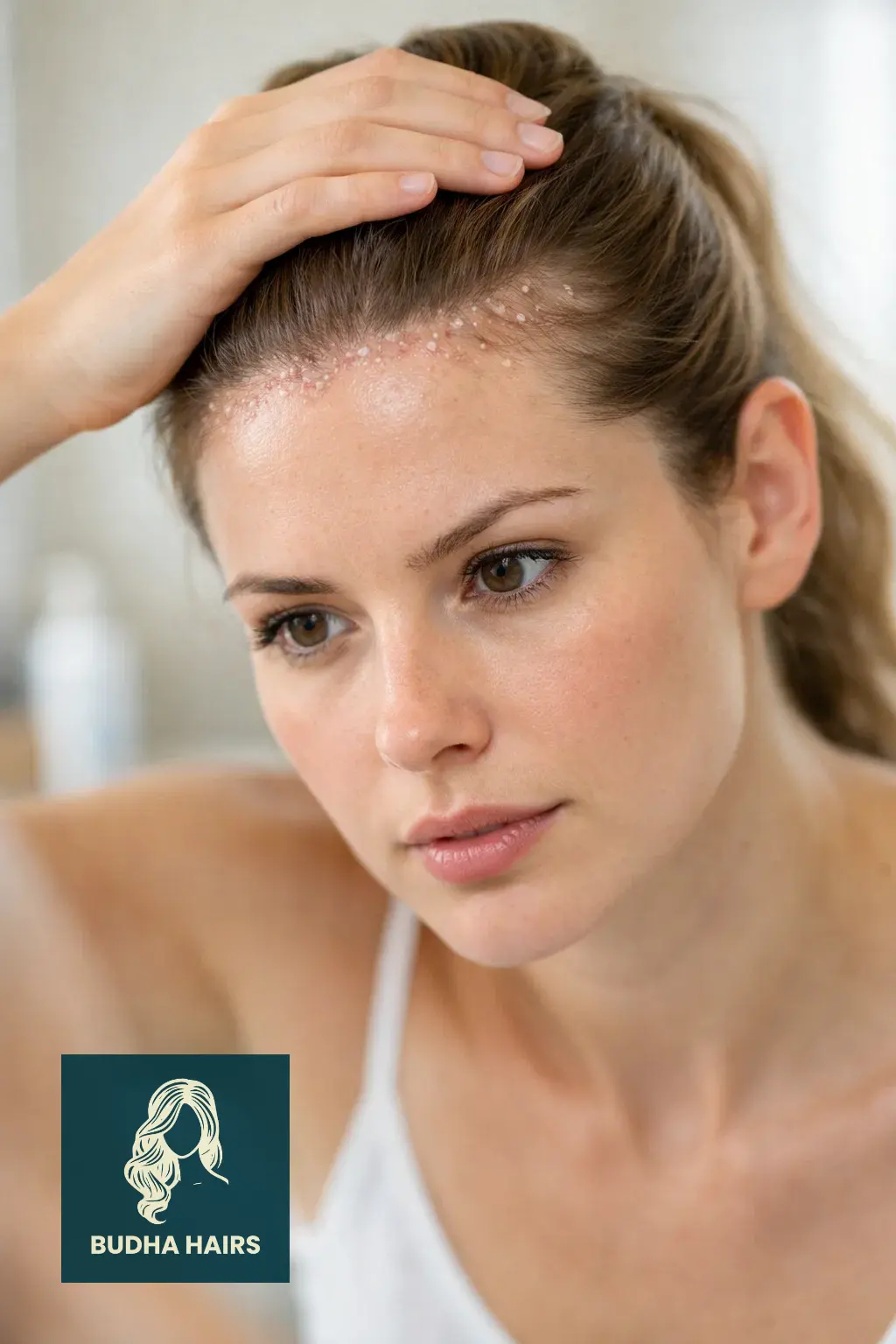
Hairline pimples are acne breakouts that develop along the border where your hair meets your forehead. These breakouts may appear as:
- Whiteheads and blackheads
- Small red bumps
- Painful cystic acne
- Itchy, uniform bumps (often fungal acne)
Because the hairline is constantly exposed to hair oils and styling products, these pimples tend to return unless treated correctly.
Main Causes of Pimples on Hairline
Now, we will explore the main causes of pimples along the hairline, from clogged pores and excess oil to reactions from hair products and sweat. Understanding these triggers can help in preventing and treating breakouts effectively.
1. Hair Products That Clog Pores (Pomade Acne)
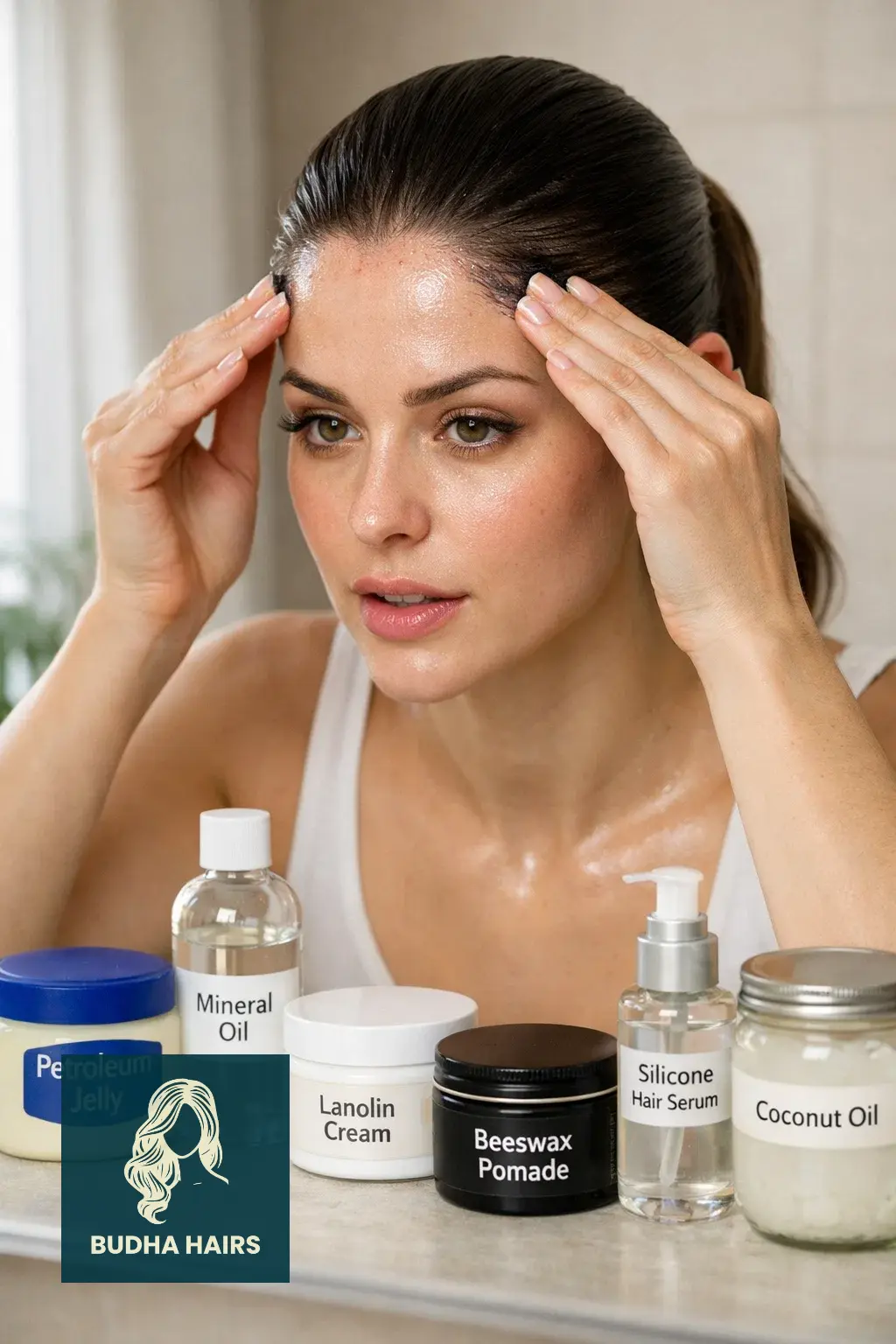
One of the most common causes of hairline acne is pomade acne, triggered by heavy hair products that migrate onto the skin.
Common pore-clogging ingredients include:
- Petroleum
- Mineral oil
- Lanolin
- Beeswax
- Silicones
- Coconut oil
These ingredients trap dirt and bacteria, leading to inflamed pores.
2. Excess Sebum & Scalp Oil
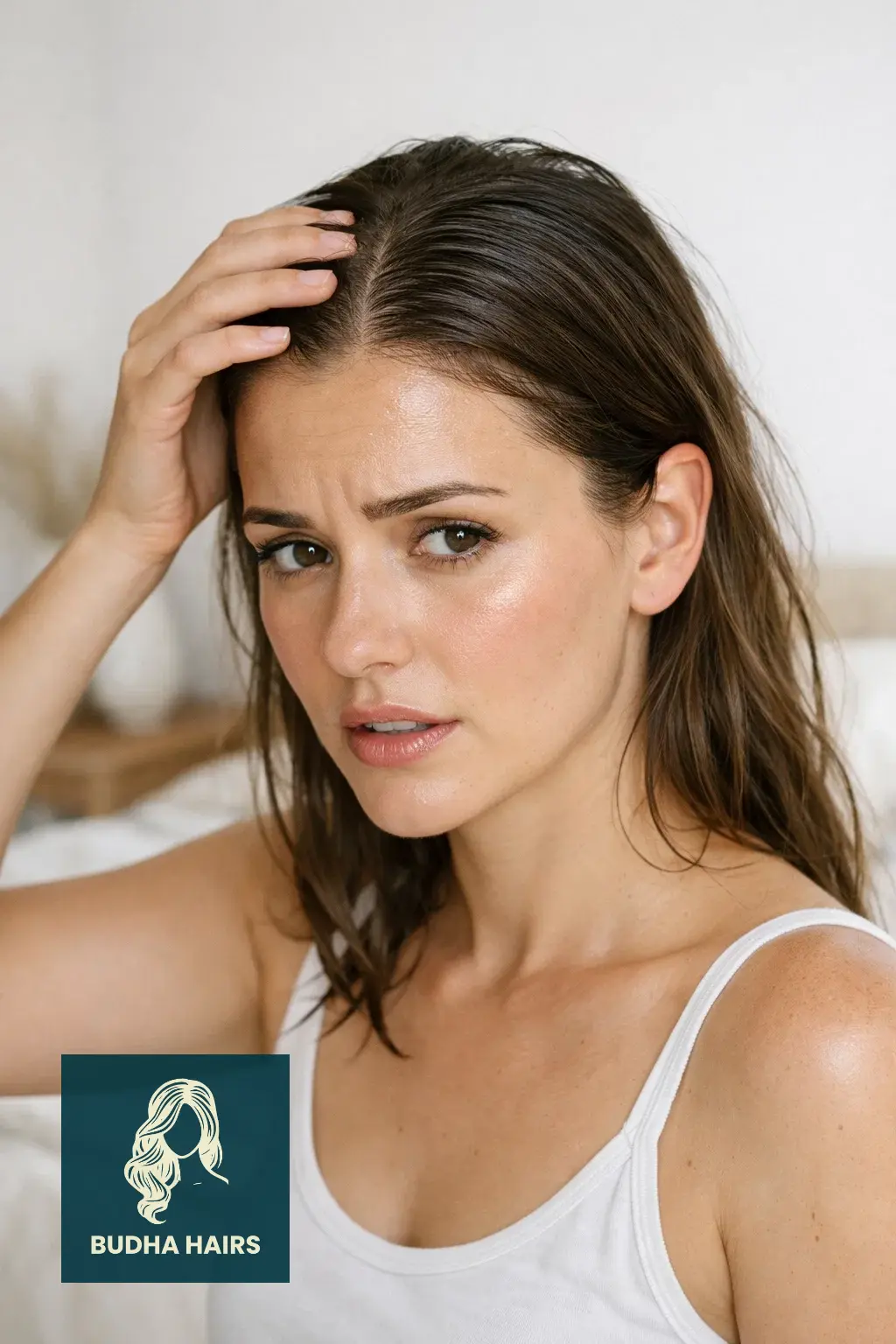
The scalp naturally produces more oil than facial skin. When this oil spreads to the hairline and mixes with sweat and dead skin, pores become blocked.
3. Sweat, Heat & Humidity
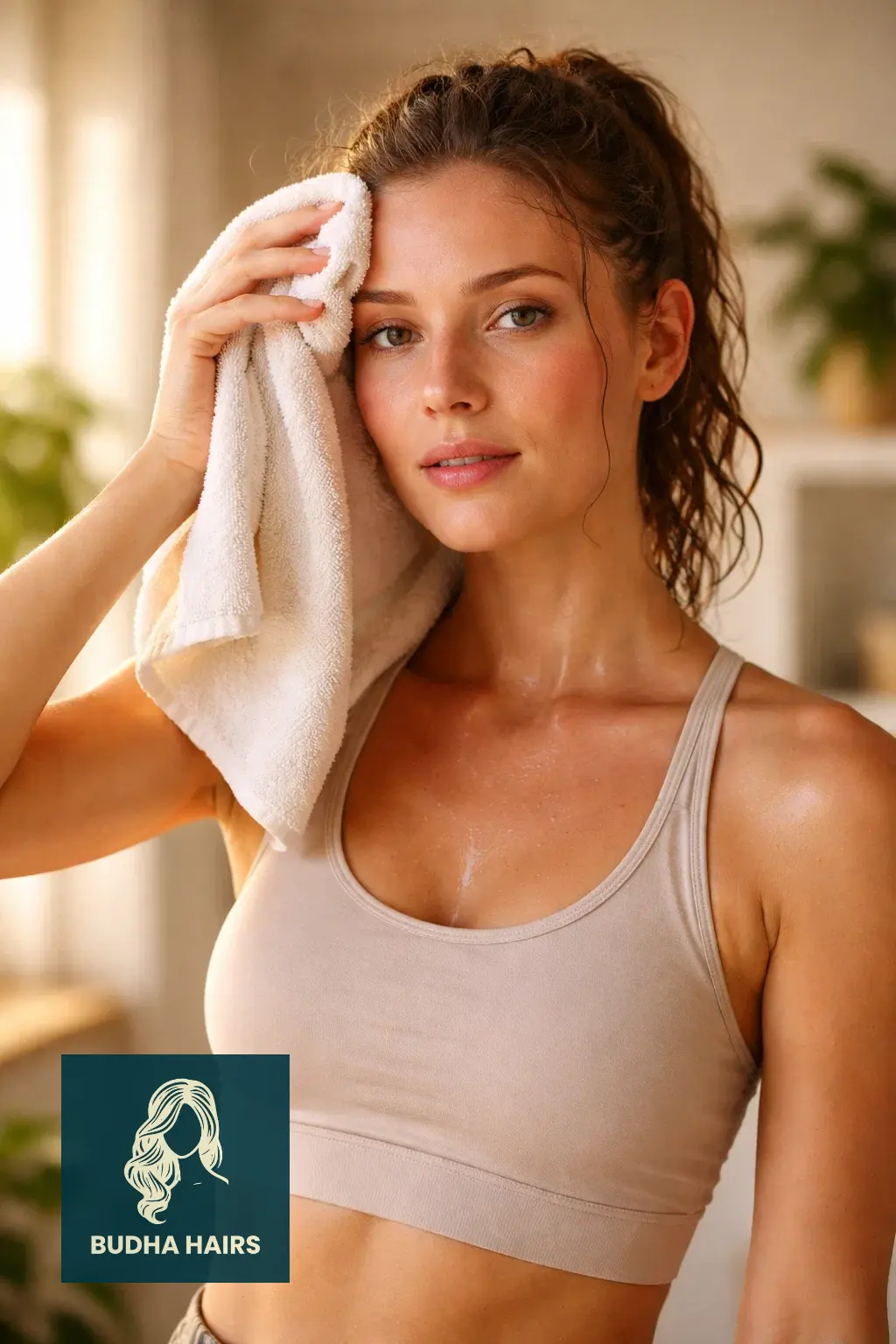
Sweat trapped near the hairline—especially after workouts or in hot weather—creates an ideal environment for acne-causing bacteria and yeast.
4. Fungal Acne on Hairline
If pimples are:
- Small
- Itchy
- Clustered
- All the same size
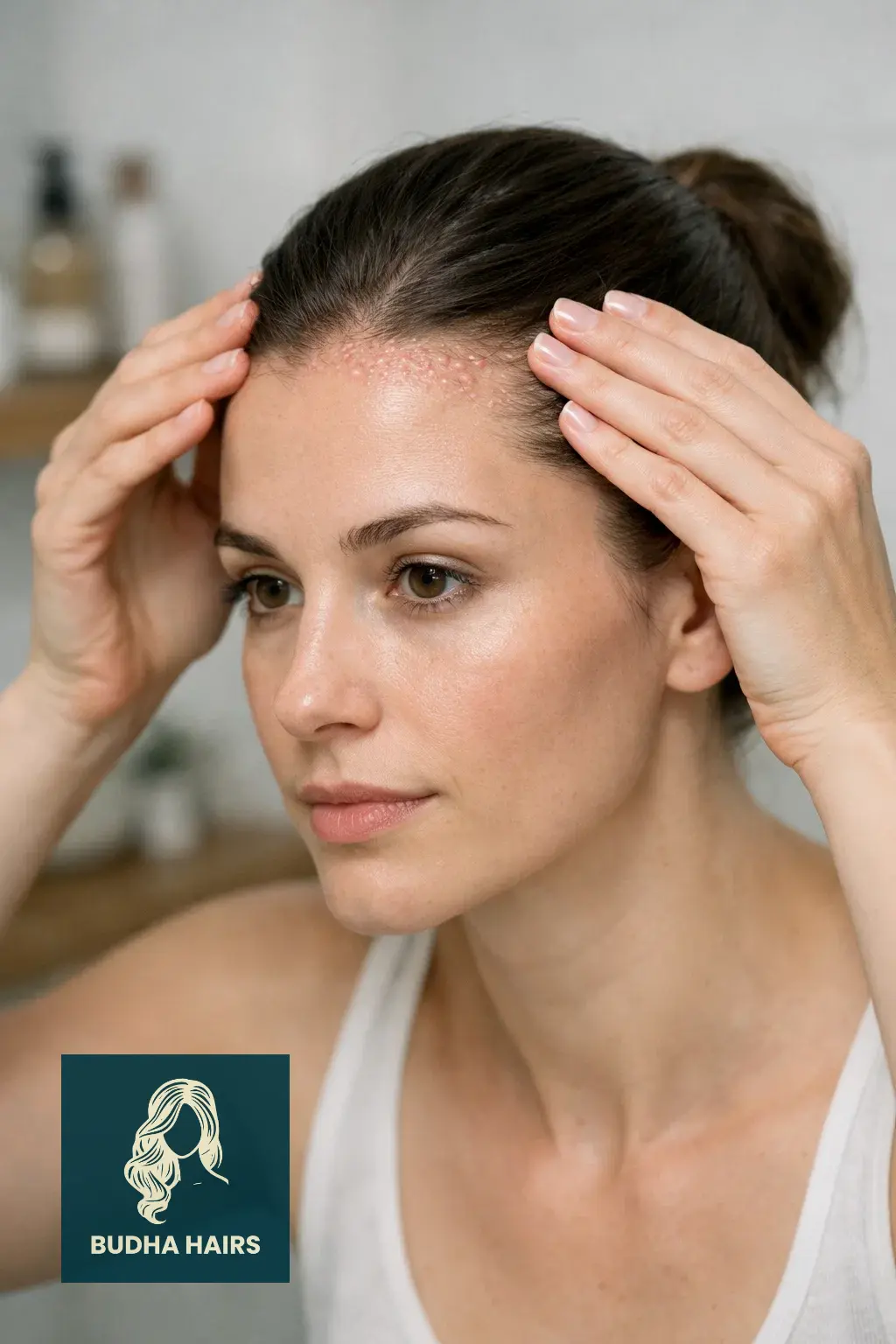
You may be dealing with fungal acne, which does not respond to regular acne products.
5. Hormonal Changes
Hormonal fluctuations increase oil production and make the hairline more acne-prone, particularly during:
- Puberty
- Menstrual cycles
- Stress
- PCOS
6. Poor Hair & Skin Hygiene
- Infrequent hair washing
- Dirty pillowcases
- Touching the hairline often
- Sleeping with product-coated hair
All contribute to recurring breakouts.
Knowing how to get rid of pimples on the hairline starts with keeping the scalp clean and avoiding harsh products. Maintaining a healthy routine similar to How to Grow Edges Back Fast can prevent irritation and support strong, healthy hair growth.
Types of Hairline Pimples (Why Diagnosis Matters)
Now, let’s explore the types of hairline pimples and why proper diagnosis matters. Different pimples—like whiteheads, cystic acne, or folliculitis—require different treatments, so identifying the type ensures effective care and prevents scarring.
Whiteheads & Blackheads
Caused by clogged pores. Respond well to salicylic acid.
Inflamed Red Pimples
Caused by bacteria. Benzoyl peroxide works best.
Cystic Pimples
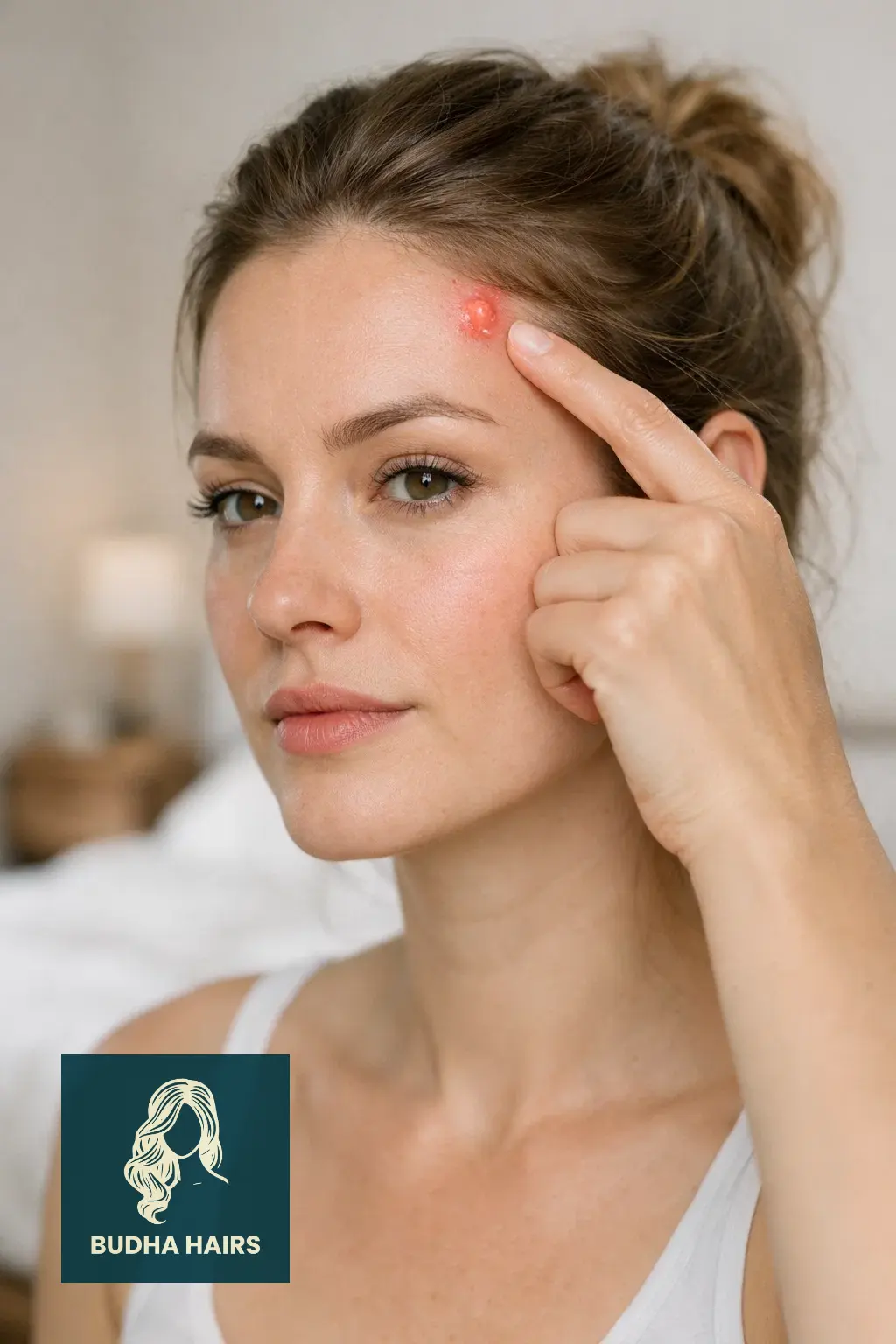
Deep, painful acne often linked to hormones. May need dermatological care.
Fungal Acne
Needs antifungal treatment—not typical acne solutions.
How to Get Rid of Pimples on Hairline Naturally
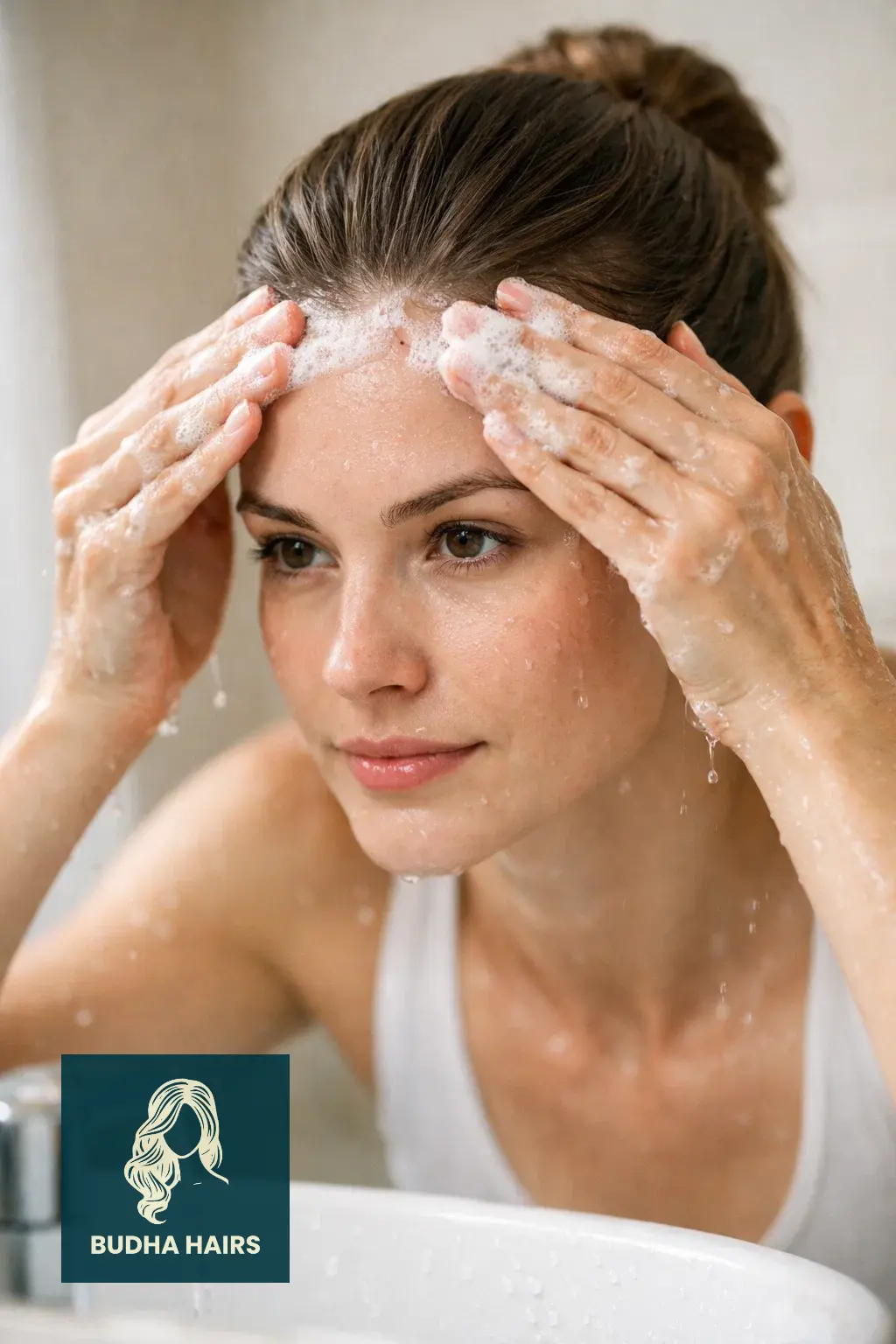
1. Clean the Hairline Properly
Use a gentle, non-comedogenic cleanser daily, especially after sweating.
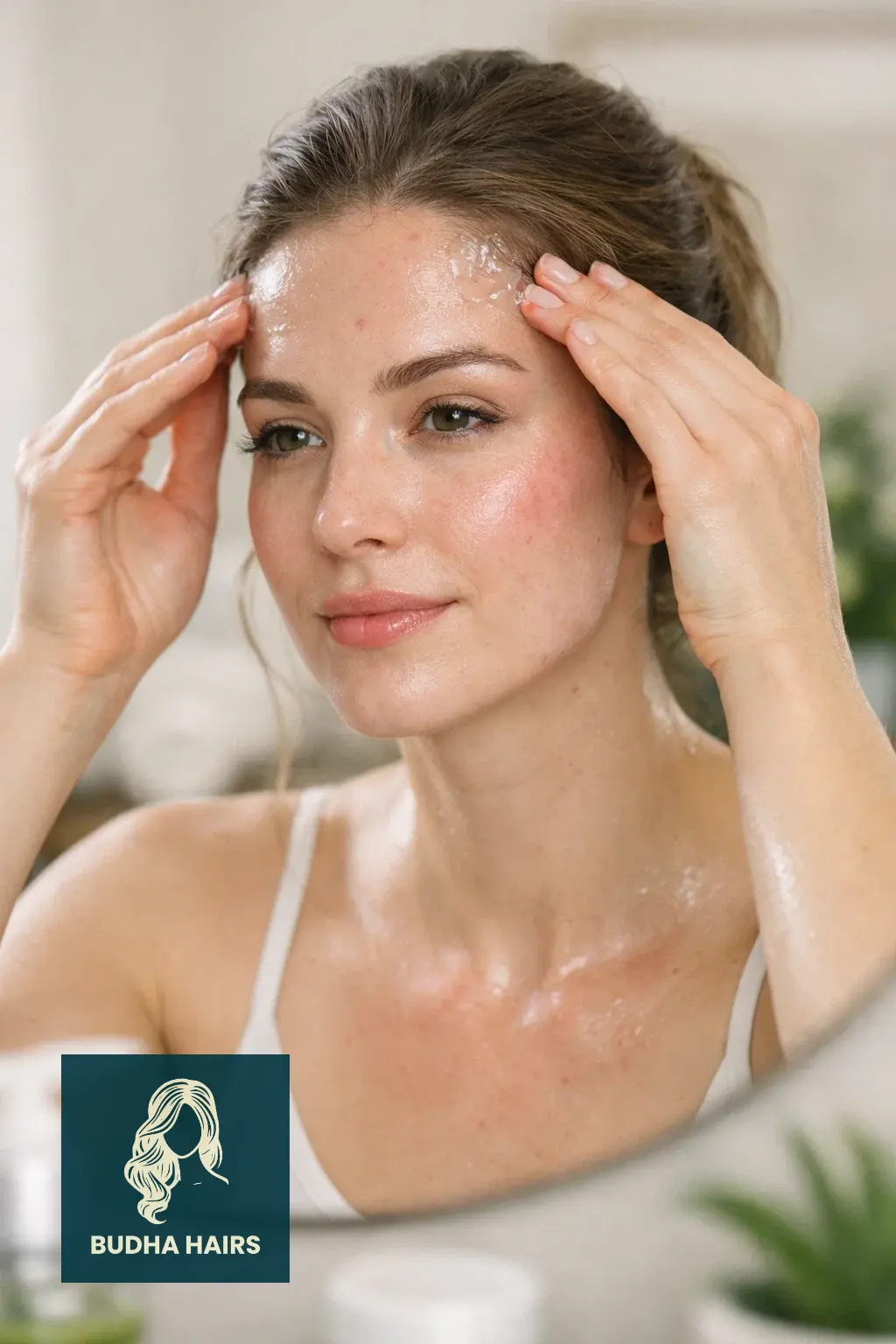
2. Aloe Vera Gel
Soothes irritation, reduces redness, and helps heal acne naturally.
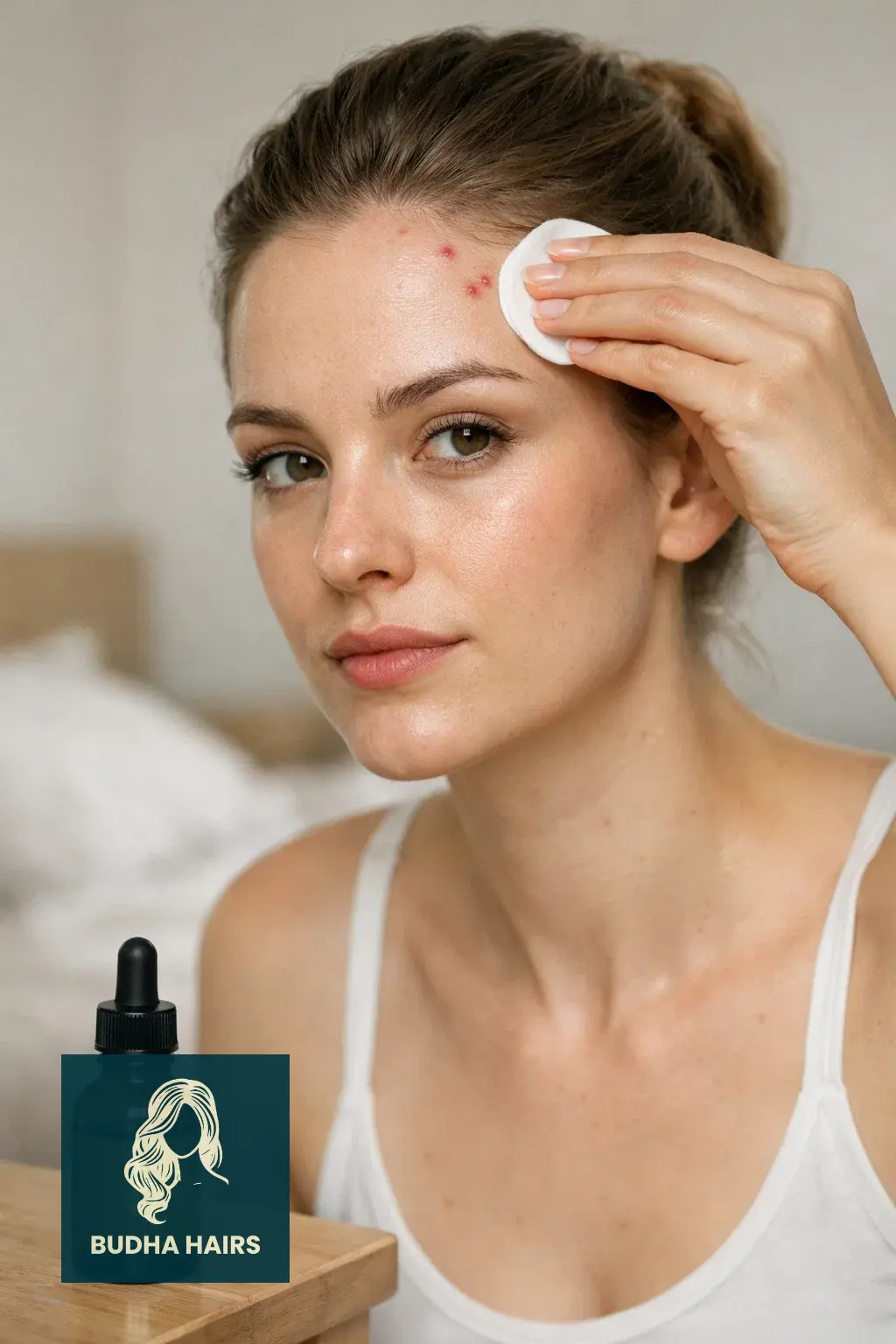
3. Tea Tree Oil (Diluted)
Provides antibacterial and antifungal benefits. Always dilute before use.
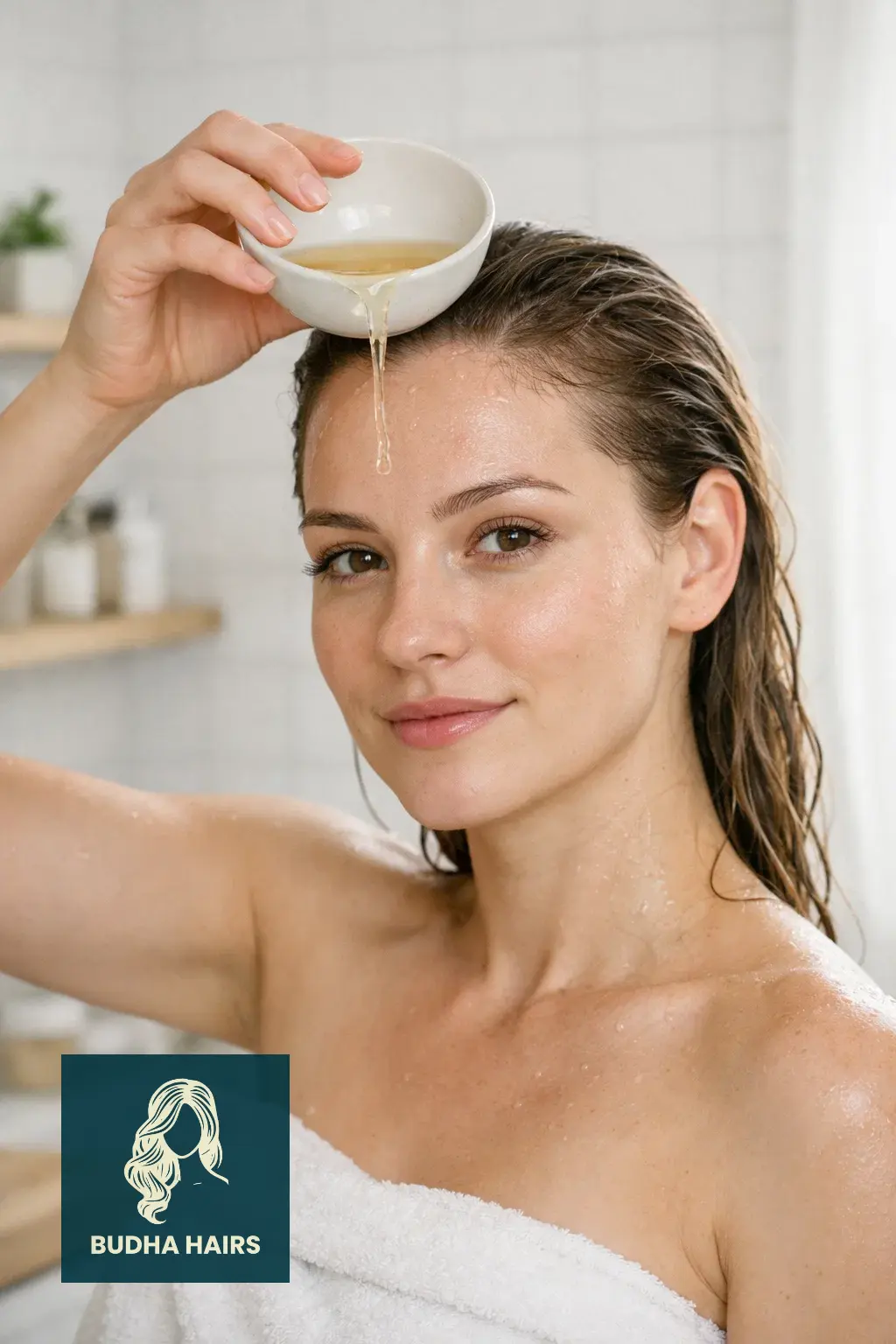
4. Apple Cider Vinegar Rinse
Balances scalp pH and reduces fungal overgrowth.
Use:
1 tablespoon ACV + 1 cup water, 2–3 times weekly.
Best Clinical Ingredients for Hairline Acne
Now, we’ll dive into the best clinical ingredients for tackling hairline acne. Ingredients like salicylic acid, benzoyl peroxide, and niacinamide help unclog pores, reduce inflammation, and control oil, promoting clearer, healthier skin along the hairline.
Salicylic Acid (BHA)
- Clears clogged pores
- Controls excess oil
- Ideal for blackheads & whiteheads
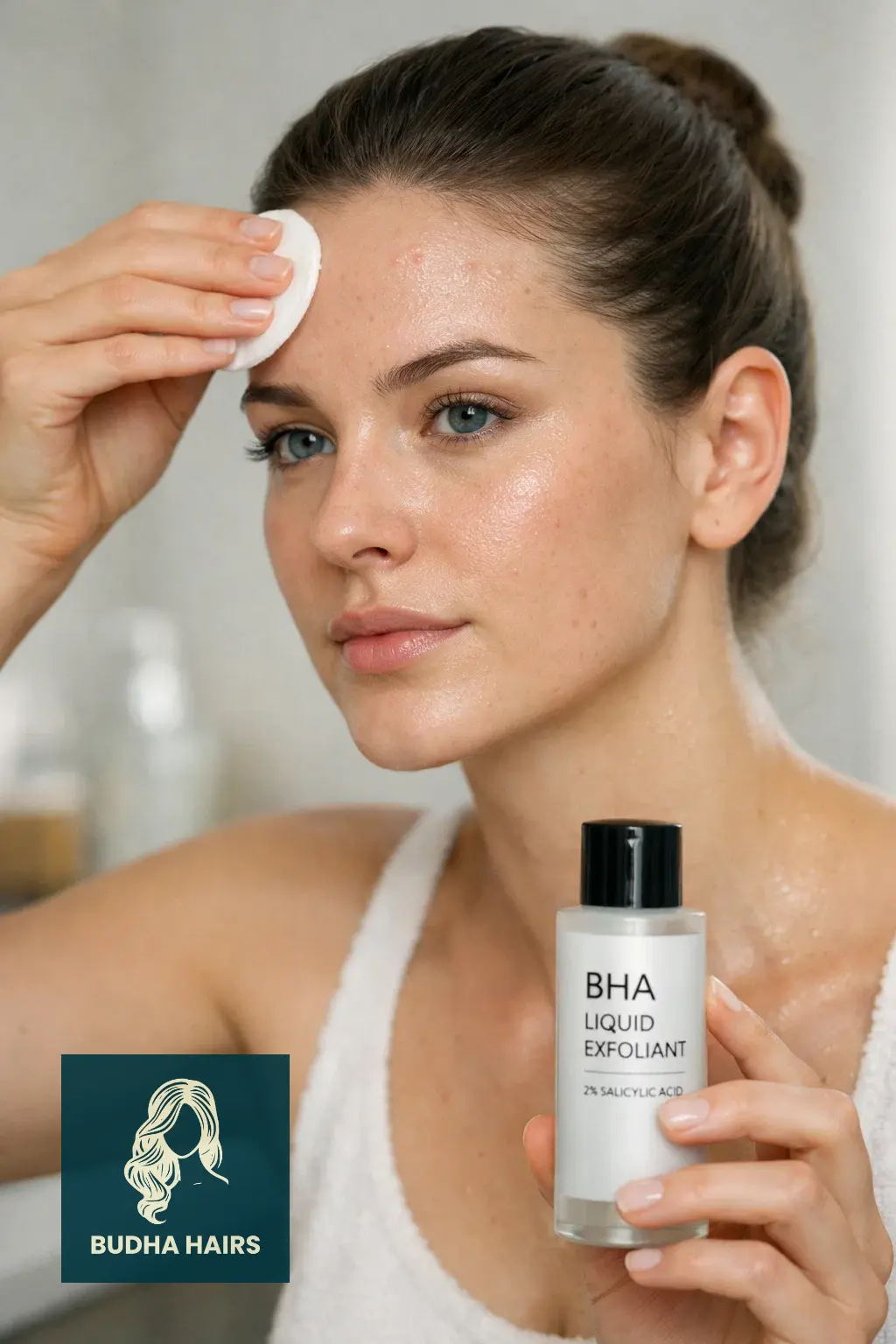
Scalp breakouts are often aggravated by dryness and seasonal changes. Tips from Dry Scalp During Winter can help soothe irritation and keep the hairline clear and comfortable.
Benzoyl Peroxide
- Kills acne-causing bacteria
- Reduces inflammation
Use sparingly to avoid dryness.
Niacinamide
- Calms redness
- Controls oil
- Strengthens skin barrier
Safe for daily use.
Ketoconazole or Zinc Pyrithione
Essential for treating fungal acne on the hairline.
Ideal Hair Care Routine to Prevent Hairline Pimples
- Wash hair regularly, especially after workouts
- Use lightweight, oil-free hair products
- Avoid applying conditioner near the hairline
- Keep bangs off your forehead
- Change pillowcases 2–3 times weekly
- Clean hats, scarves, and headbands often
Foods That Can Worsen Hairline Acne
Some foods may increase inflammation and oil production:
- Excess sugar
- Dairy products
- Fried and processed foods
Drink more water and include zinc-rich foods like seeds and nuts.
A nourished scalp not only prevents pimples but also enhances overall hair appearance. Incorporating practices from How to Make My Hair Shine adds moisture and gloss, ensuring your hair looks healthy and vibrant from root to tip.
Common Mistakes That Make Hairline Pimples Worse
❌ Over-washing or harsh scrubbing
❌ Using thick hair oils near the forehead
❌ Popping or squeezing pimples
❌ Mixing too many acne products
How Long Does It Take to Clear Pimples on Hairline?
- Mild acne: 1–2 weeks
- Moderate acne: 3–4 weeks
- Fungal acne: 7–10 days with antifungal care
Consistency matters more than speed.
When to See a Dermatologist
Consult a dermatologist if:
- Pimples are painful or cystic
- Acne keeps returning
- Scarring begins
- No improvement after 4 weeks
FAQs
Final Thoughts
If you truly want to master how to get rid of pimples on hairline, focus on scalp hygiene, smart product choices, and consistent care. Most hairline acne is preventable once you eliminate pore-clogging products and follow a balanced routine.

I’m Budha Styler, a hair enthusiast who loves creating beautiful, confidence-boosting looks that feel true to who you are. I’m passionate about exploring new trends, techniques, and textures, and I enjoy turning that knowledge into simple, inspiring ideas anyone can try. Through my work, I hope to help you express your unique style, feel amazing in your own hair, and discover everyday looks that make you shine.