
How to Grow Edges Back Fast is a top priority for many of my readers who have noticed their hairline thinning due to tight hairstyles, chemical damage, or postpartum shedding. In my experience talking with women about hair health, losing your edges can be a significant blow to self-confidence, but I always assure them that with the right routine and patience, regrowth is absolutely possible. We know that the hairline is the most fragile part of the scalp, and it is often the first area to show signs of stress from traction alopecia or neglect. Whether you are dealing with a completely bald patch or just general sparseness, the key is to stop the damage immediately and create an environment where your hair follicles can thrive. Throughout this guide, I will share the most effective, science-backed methods and natural remedies that we have seen work time and time again. From changing your styling habits to incorporating nutrient-dense oils, these steps are designed to be practical, effective, and safe for all hair textures, especially natural and relaxed hair.
When we dive into the specifics of How to Grow Edges Back Fast, it is crucial to understand that there is no overnight miracle, but consistency yields results much quicker than you might think. I have found that a holistic approach—treating the hair from the inside out and the outside in—works best. This means we need to look at your diet, your stress levels, and, most importantly, the mechanical tension you place on your hairline daily. Many of the “protective styles” we love, like box braids or high ponytails, are actually the main culprits behind edge loss. By shifting to truly low-tension styles and using stimulating growth aids like Jamaican Black Castor Oil or peppermint oil, you can jumpstart blood circulation and wake up dormant follicles. I will walk you through ten specific, actionable methods in this first section that you can start using today.
How to Grow Edges Back Fast
These aren’t just old wives’ tales; they are proven techniques that I have personally vetted and that thousands of women rely on to restore their thick, healthy edges.
1. Stop Tight Hairstyles Immediately Now
The single most effective step you can take is to Stop Tight Hairstyles Immediately Now, as mechanical tension is the leading cause of receding hairlines. I cannot stress enough that no hairstyle is worth losing your hair over; if you feel pain, pulling, or bumps along your hairline, the style is too tight and needs to be taken down instantly. We frequently see women suffering from traction alopecia simply because they wear high puffs, tight cornrows, or heavy weaves back-to-back without giving their edges a break. In my opinion, the “snatched” look has done more harm than good for our community’s hair health. When I advise clients, I tell them to opt for loose, low-manipulation styles where the hair at the temples is left completely alone or loosely draped.
By eliminating tension, you immediately remove the physical stressor that is ripping the hair from the root, allowing the hair follicles to recover and begin the healing process. We recommend a “hair vacation” of at least 4 to 8 weeks where you avoid any style that pulls on the hairline, including tight headbands or bonnets with exposed elastic. Instead, I suggest wearing your hair in loose twist-outs, fro-hawks with loose pins, or simply wearing it down. It is vital to understand that continuing to pull on damaged edges will result in permanent scarring, at which point regrowth becomes impossible. Therefore, committing to tension-free hairstyling is the non-negotiable foundation of any successful regrowth journey.

2. Massage Scalp With Growth Oils
One of my favorite therapeutic methods is to Massage Scalp With Growth Oils, which serves the dual purpose of relaxation and stimulating blood flow to the follicles. I recommend doing this every single night for at least 5 to 10 minutes; the physical act of massaging increases circulation, bringing oxygen and nutrients to the scalp which are essential for hair regrowth. We love using oils that have stimulating properties, such as peppermint oil, rosemary oil, or tea tree oil, diluted in a carrier oil like jojoba or almond oil. This practice is incredibly effective because it “wakes up” “sleeping” follicles and encourages them to enter the growth phase. For thinned edges, consistency is key—you cannot do this once a week and expect to see drastic changes.
When I perform a scalp massage, I use the pads of my fingers (never the fingernails) to apply firm but gentle pressure in circular motions directly on the thinning areas. We find that warming the oil slightly before application can enhance absorption and make the experience even more soothing. This is a great self-care ritual that signals to your body that it is time to rest and repair. Furthermore, the oils help to keep the scalp lubricated and prevent dry, flaky skin which can block hair growth. By making scalp massages a non-negotiable part of your nightly routine, you are actively feeding your edges the nutrients they need to grow back thicker, darker, and stronger than before.
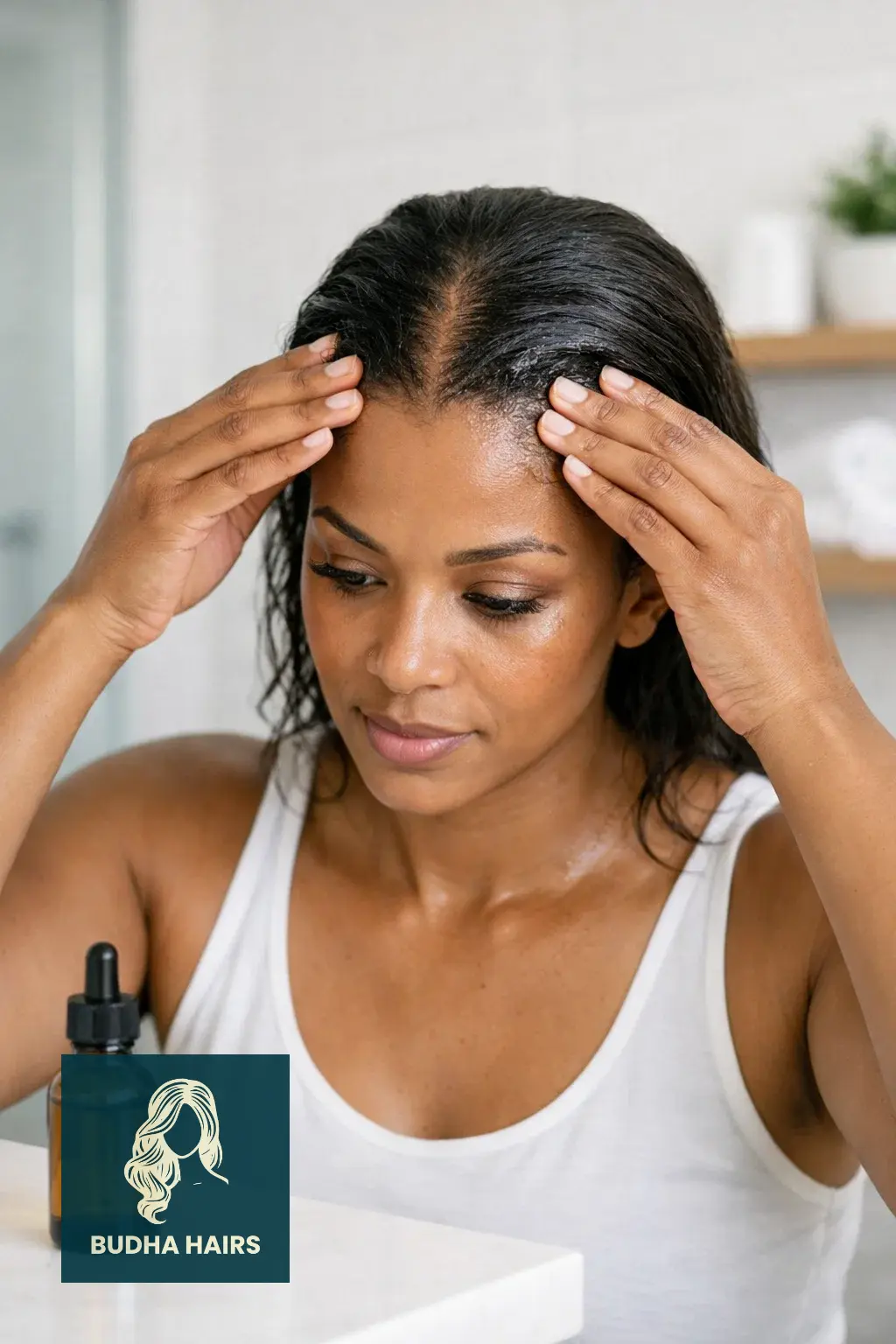
3. Use Jamaican Black Castor Oil
If there is one product that is the “holy grail” for edges, it is to Use Jamaican Black Castor Oil (JBCO), a thick, nutrient-rich oil known for its healing properties. I have seen JBCO work wonders on even the most stubborn bald spots because it is packed with ash, vitamin E, and fatty acids that deeply nourish the hair shaft and scalp. Unlike regular castor oil, the roasting process of the castor beans gives JBCO an alkaline pH which helps to open the cuticle slightly and penetrate deeper. We recommend applying a small amount to your fingertips and gently rubbing it into your edges every night before bed. Because it is so thick, a little goes a long way, and it is excellent for sealing in moisture to prevent breakage.
However, because Jamaican Black Castor Oil is heavy, I advise against using it all over your hair if you have fine strands, but for the edges, its density is perfect for staying in place. We often suggest mixing it with a few drops of lavender or peppermint oil to mask the smoky scent and add an extra boost of stimulation. This oil is particularly effective for thickening fine hair and filling in sparse areas over time. It creates a protective barrier against environmental aggressors and friction from sleeping. By incorporating this powerhouse ingredient into your regimen, you are leveraging a centuries-old remedy that is widely respected in the natural hair community for its undeniable ability to restore damaged hairlines.
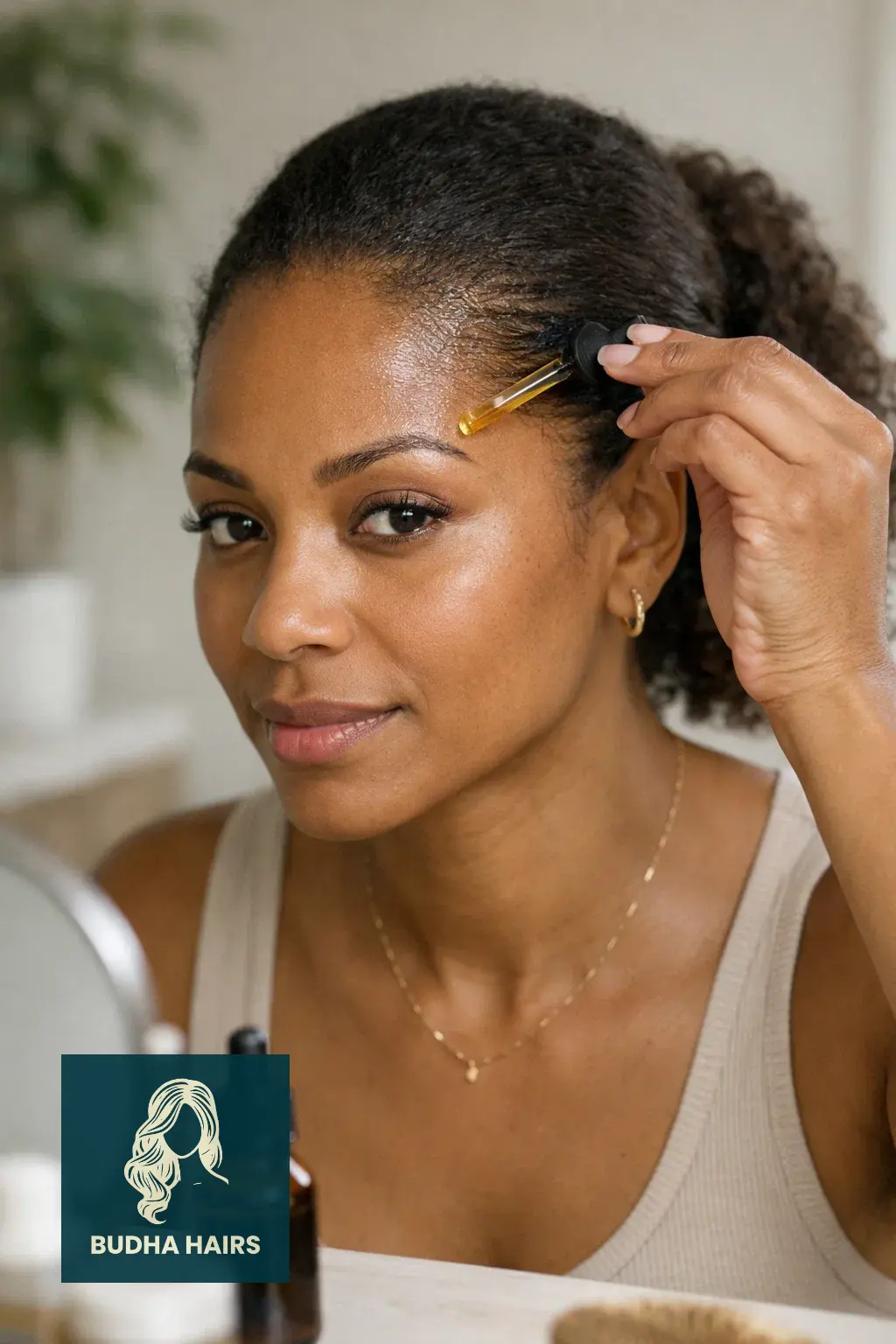
4. Wear Satin Bonnet Every Night
It might seem simple, but to Wear Satin Bonnet Every Night is a critical defense mechanism against friction that breaks off fragile baby hairs. I always tell my readers that cotton pillowcases are the enemy of hair growth; the rough fibers absorb moisture from your hair and cause unnecessary friction as you toss and turn. For your edges, which are already delicate, this friction acts like sandpaper, slowly rubbing them away while you sleep. We insist on using a high-quality satin or silk bonnet that stays securely on your head but—and this is important—does not have a tight elastic band that rests directly on your hairline. If the band is too tight, it will cause the very problem you are trying to solve.
If you are not a fan of bonnets, I recommend using a satin pillowcase as a backup, or tying a satin scarf loosely around your head. When we look at the habits of women with flourishing edges, protecting their hair at night is a universal standard. This simple habit preserves the hydration you added during the day and keeps your edge control products or treatments from wiping off onto your bedding. It also keeps your hairstyles neater for longer, reducing the need for daily manipulation and re-styling. By investing in silk hair protection, you are ensuring that the progress you make during the day isn’t undone by eight hours of friction at night.
Learning how to grow edges back fast requires gentle care and consistent moisture to prevent further breakage. Managing flyaways and dryness by following tips from How to Reduce Frizz in Hair can help protect fragile edges and support healthy regrowth.
5. Moisturize Your Edges Twice Daily
Dryness leads to breakage, so you must Moisturize Your Edges Twice Daily to keep them elastic and pliable. I find that many women moisturize the length of their hair but neglect the hairline, assuming the natural oils from their face will suffice—this is a myth. The hair at your temples is often the driest because it is most exposed to wind, sun, and face washing cleansers that can strip oils. We recommend using a water-based leave-in conditioner or a dedicated hair moisturizer spray in the morning and evening. The goal is to ensure that if you touch your edges, they feel soft and supple, not dry or crunchy like straw.
When I apply moisture, I follow the “LCO method” (Liquid, Cream, Oil) specifically on the hairline: mist with water or aloe vera juice, apply a light cream, and seal with an oil. This layering technique locks hydration in for hours. We caution against just slapping oil on dry edges; oil seals moisture in, but it doesn’t create it, so if you apply oil to dry hair, you are just sealing in dryness. Keeping your edges hydrated prevents them from snapping off when you brush or style them. It is a small step that makes a massive difference in retaining length. By treating your edges with the same care as a delicate houseplant, watering and nourishing them, you create the optimal condition for rapid hair growth.

6. Avoid Heavy Edge Control Gels
We all love a sleek look, but you must Avoid Heavy Edge Control Gels that contain high alcohol content or drying ingredients. I have noticed that many popular gels on the market harden the hair to the point of brittleness, effectively “gluing” your edges down and suffocating the follicle. When you try to comb that hardened gel out or wash it later, the hair often snaps right off with the product. Furthermore, the product buildup can clog pores, preventing new growth from pushing through. We advise using alcohol-free gels or natural alternatives like aloe vera gel or flaxseed gel, which provide hold without the cement-like finish.
If you must use edge control, I recommend not using it every single day; save it for special occasions to give your hairline a chance to breathe. When we do use these products, it is imperative to wash them out gently at the end of the day rather than letting them cake up for days on end. Applying fresh gel over old, dirty gel creates a suffocating layer of gunk that is detrimental to scalp health. We suggest using a soft toothbrush dipped in warm water to gently dissolve and remove the product. By reducing your reliance on strong-hold styling products, you reduce the chemical and mechanical stress on your edges, allowing them to remain strong and healthy.
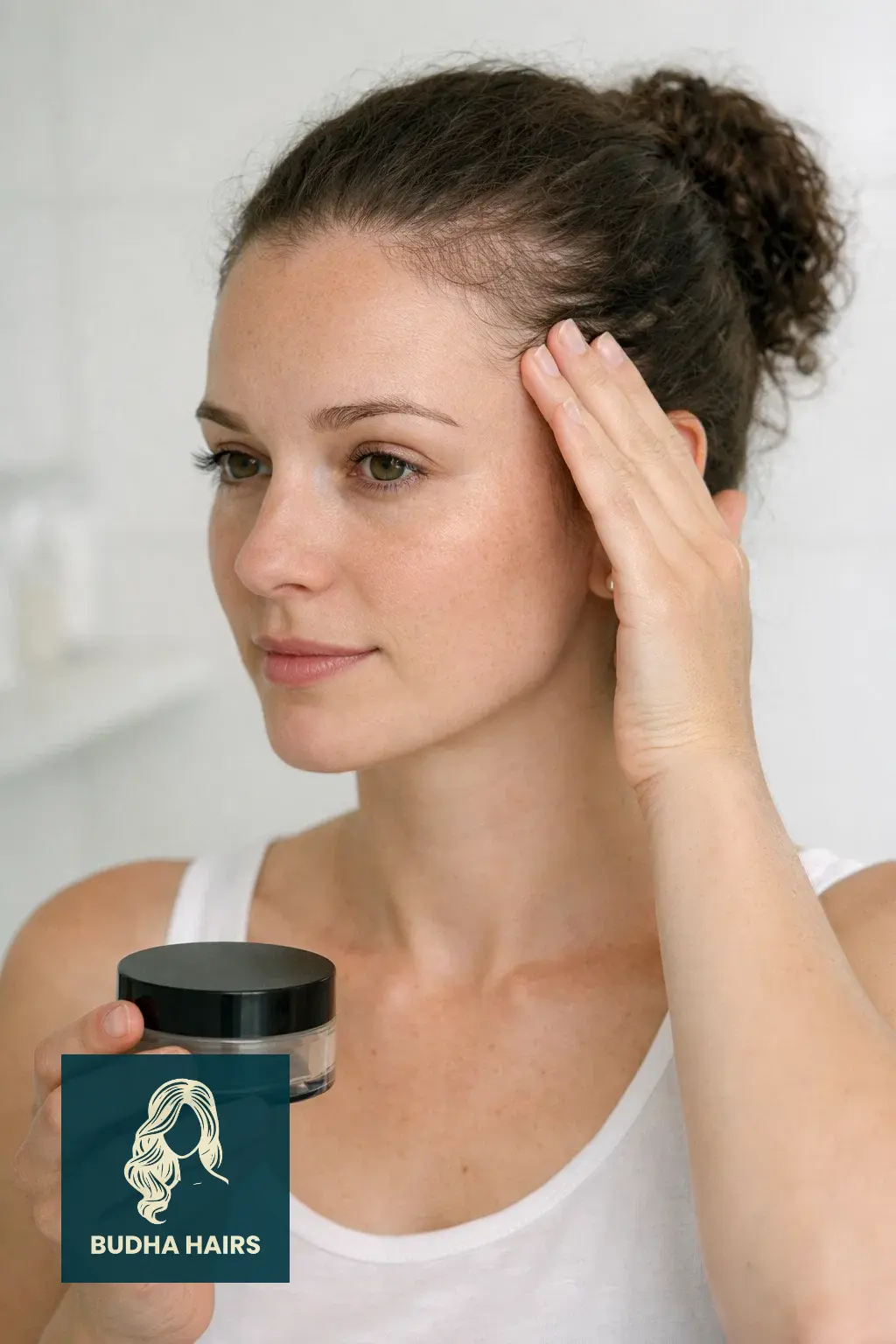
7. Try Minoxidil For Thinning Areas
For those who are not seeing results with natural remedies, you might Try Minoxidil For Thinning Areas, a scientifically proven over-the-counter treatment. I often discuss this option with women who have more advanced hair loss or genetic thinning, as sometimes natural oils are not enough to combat biological factors. Minoxidil (commonly known as Rogaine) works by prolonging the growth phase of the hair cycle and enlarging the hair follicles. We recommend consulting with a dermatologist before starting this treatment to ensure it is right for your specific type of hair loss. It comes in a topical foam or liquid that you apply directly to the receding hairline twice a day.
It is important to manage expectations here; minoxidil requires commitment, as you often need to use it indefinitely to maintain the results. When I explain this to readers, I emphasize that it can take 3 to 6 months to see significant regrowth, so patience is required. Some women experience a “shedding phase” at the beginning, which can be scary, but it is usually a sign that new growth is pushing out old, resting hairs. It is a powerful tool in the arsenal against female pattern baldness or severe traction alopecia. By combining this medical treatment with good hair care practices, you are attacking the problem from a biological standpoint, giving yourself the best possible chance at full restoration.
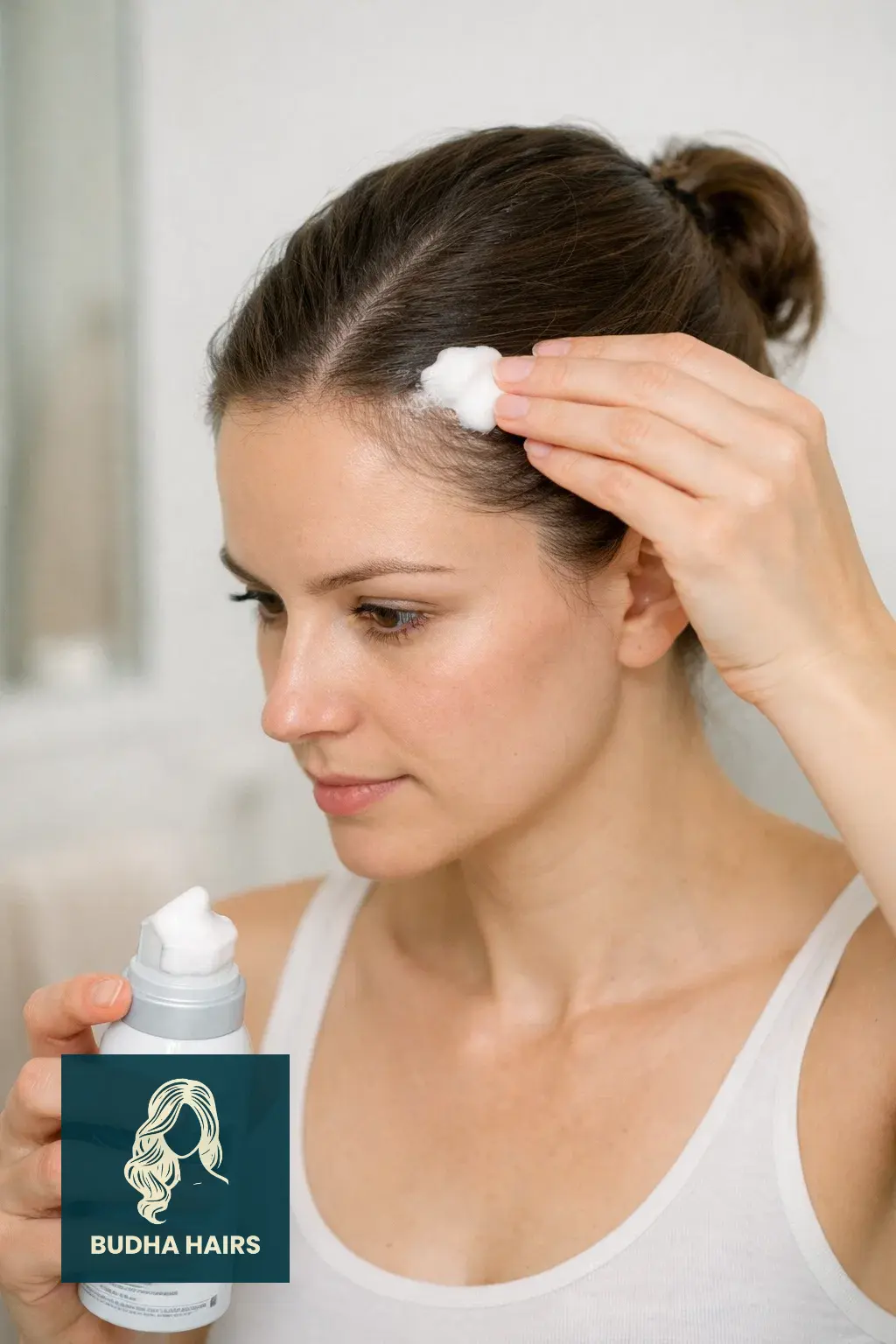
8. Eat A Protein Rich Diet
Hair is made of keratin, which is a protein, so it is essential to Eat A Protein Rich Diet to fuel hair production from within. I always remind my community that you cannot out-product a bad diet; if your body is lacking nutrients, it will shut down non-essential functions like hair growth first. We recommend incorporating lean meats, eggs, fish, beans, and nuts into your daily meals to ensure you are getting adequate building blocks for strong hair. Iron and zinc are also critical minerals found in these foods that help prevent shedding. If you are vegan or vegetarian, you need to be mindful of getting complete proteins to support healthy hair growth.
In addition to protein, I find that increasing your intake of leafy greens and fruits provides the vitamins necessary for blood circulation and cellular repair. We often see a correlation between crash dieting or poor nutrition and sudden hair thinning. Drinking plenty of water is also part of this nutritional approach; a hydrated body supports a hydrated scalp. Supplements like Biotin or Collagen can be helpful additions, but they should not replace whole foods. By focusing on nutrition, you are ensuring that your blood is rich with the vitamins and minerals that your follicles need to manufacture new hair cells. It is the most sustainable way to achieve long-term hair thickness and vitality.

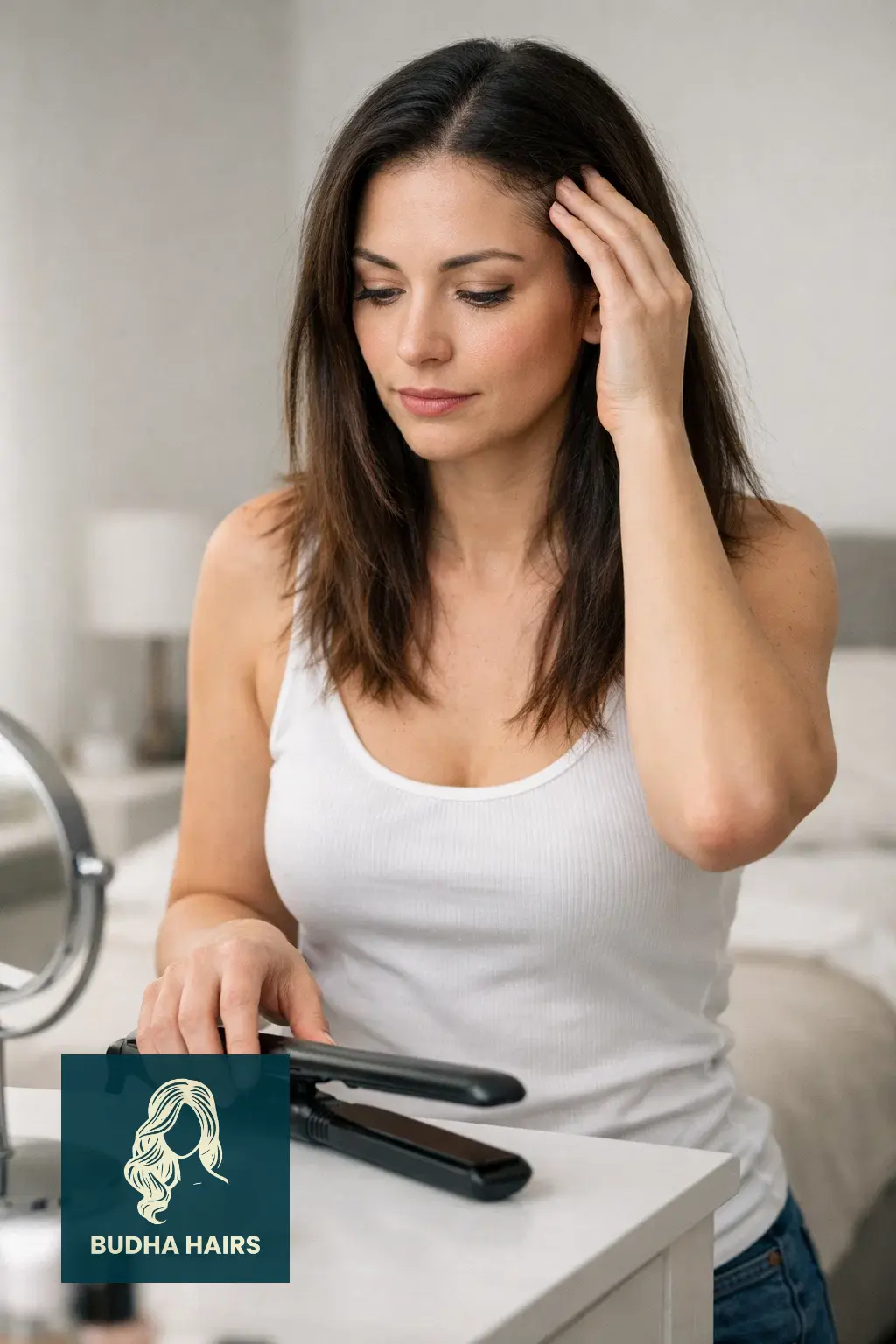
9. Reduce High Heat Styling Tools
Heat damage is irreversible, so you must Reduce High Heat Styling Tools like flat irons, blow dryers, and curling wands near your hairline. I have seen countless cases where women have literally burned their edges off by trying to get them “bone straight” to match a weave or wig. The hair at the hairline is finer and thinner than the rest of your head, meaning it burns much faster and at lower temperatures. We advise air-drying your edges whenever possible or using the “cool” setting on your blow dryer. If you must use heat, always use a high-quality heat protectant serum and keep the temperature below 350 degrees.
When we style hair, we try to use alternative smoothing methods like “wrapping” the hair or using the “scarf method”—applying a moisturizer and tying a scarf down for 10 minutes to lay the hair flat without heat. Repeated heat exposure breaks down the keratin bonds in the hair, causing it to become dry, brittle, and prone to snapping. I recommend saving heat styling for very special occasions rather than making it a weekly habit. By embracing your natural texture at the hairline or using heat-free smoothing techniques, you preserve the structural integrity of the hair. This simple change can prevent the “burnt” look and allow your edges to retain the length they are growing.
10. Deep Condition Your Hair Regularly
To strengthen the hair you do have, you should Deep Condition Your Hair Regularly, paying special attention to the front section of your hair. I believe that deep conditioning is the backbone of any healthy hair regimen because it penetrates the hair shaft to repair damage and restore elasticity. We recommend doing a deep conditioning treatment every 1-2 weeks, using a plastic cap and moderate heat (like a hooded dryer or a warm towel) to help the product absorb. Many people skip the edges when applying conditioner, focusing only on the ends, but your edges need that protein and moisture balance too. Look for treatments containing hydrolyzed protein to strengthen weak spots and humectants to draw in moisture.
When I apply a deep conditioner, I gently smooth it over the edges and ensure they are fully saturated. This practice keeps the hair flexible, which prevents snapping when you manipulate it for styling. We find that protein treatments are particularly helpful for recovering from traction alopecia, as they help to rebuild the weakened hair structure. However, be careful not to over-do protein, as it can make hair hard; balance is key. By consistently nourishing your hair with deep treatments, you create a resilient foundation that can withstand daily wear and tear. It is a pampering step that pays off in the form of resilient, flourishing edges.
A strong edge-care routine often goes hand in hand with overall hair growth practices. Incorporating proven methods from How to Grow Your Hair Faster ensures your scalp stays nourished while encouraging thicker, healthier edges over time.

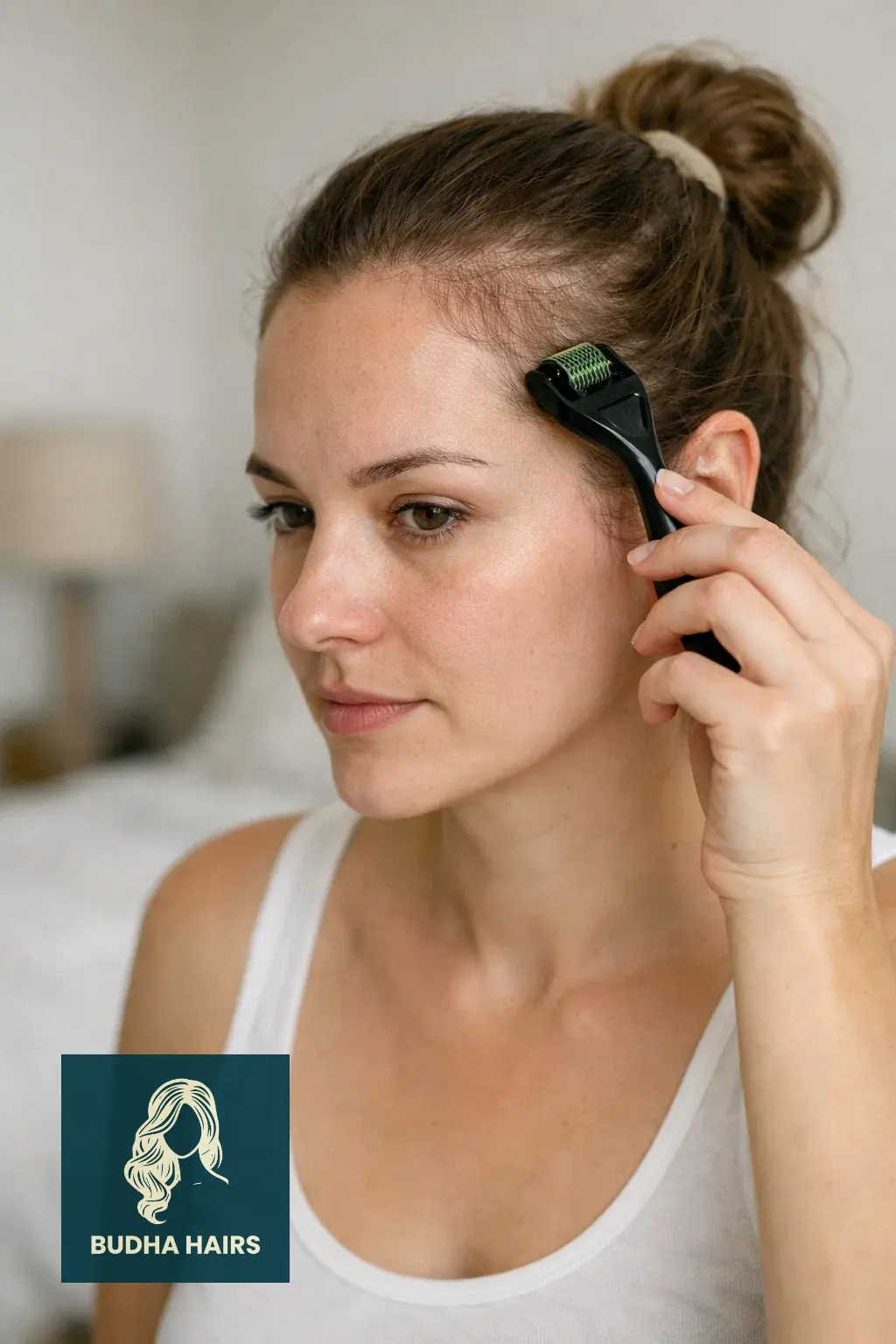
11. Use A Derma Roller For Growth
For those willing to try a slightly more advanced technique, to Use A Derma Roller For Growth can be a game-changer for stimulating stubborn follicles. I have researched microneedling extensively and found that creating tiny, controlled micro-injuries on the scalp triggers the body’s natural healing response, rushing collagen and blood flow to the area. This process is incredibly effective when paired with growth serums, as the tiny channels allow products like Minoxidil or castor oil to penetrate much deeper than topical application alone. We recommend starting with a small needle size, typically 0.25mm to 0.5mm, to ensure safety and prevent actual damage to the skin. It is a method that has gained massive popularity in the hair restoration community because it tackles the issue at a cellular level, waking up dormant roots that have stopped producing hair.
However, sanitation is paramount; we strictly advise sterilizing the roller with alcohol before and after every single use to prevent infection. When I use a derma roller, I gently roll it over the thinning edge area horizontally, vertically, and diagonally—applying light pressure without drawing blood. It should feel prickly but not painful. We suggest doing this only once a week to give the scalp time to regenerate. Overdoing it can cause inflammation and scarring, which defeats the purpose. By carefully incorporating microneedling for hair loss, you are essentially bio-hacking your scalp to prioritize repair and growth in the areas where you need it most.
12. Apply Onion Juice Remedy
It may sound pungent, but to Apply Onion Juice Remedy is one of the oldest and most effective natural treatments for regenerating hair. I frequently recommend this to readers who prefer DIY solutions because onions are rich in dietary sulfur, a nutritional element that our bodies need to produce proteins and collagen. This high sulfur content helps to minimize breakage and thinning while nourishing the hair follicles to regenerate healthy skin cells. We have seen anecdotal evidence and studies suggesting that onion juice for hair growth can significantly improve density in patchy areas. The enzymes in the juice also act as potent antioxidants, helping to reverse premature graying and fighting off scalp infections that might be hindering growth.
To make this treatment, I blend fresh onions and strain the juice using a cheesecloth, then apply the liquid directly to the edges with a cotton pad. We advise leaving it on for about 15 to 30 minutes before washing it out with a mild shampoo to eliminate the smell. If the scent is too strong, I suggest mixing in a few drops of lemon juice or lavender oil. While it requires a bit of effort to prepare, the results can be worth it for those struggling with severe edge thinning. It is a potent, chemical-free way to deliver a concentrated dose of nutrients directly to the root, creating an optimal environment for How to Grow Edges Back Fast.
13. Soothe Scalp With Aloe Vera
If your edges are gone due to inflammation or irritation from glues and weaves, you should Soothe Scalp With Aloe Vera to calm the area and promote healing. I love aloe vera because it contains proteolytic enzymes which repair dead skin cells on the scalp, effectively unblocking follicles that may be clogged by excess oil or product buildup. For damaged edges, this plant is a miracle worker; it acts as a natural conditioner that leaves hair smooth and shiny while reducing itching and dandruff. We recommend using fresh aloe vera gel straight from the leaf if possible, as it is the most potent, but 100% pure store-bought gel works well too. It provides a cooling sensation that instantly relieves the tension and “tightness” often felt after taking down braids.
When I use aloe, I massage the gel generously into the hairline and let it sit for at least an hour or wear it overnight. We find that it balances the pH level of the scalp, which is crucial for maximizing hair growth. Unlike heavy oils, aloe vera gel is lightweight and won’t weigh down fine baby hairs, making it perfect for daily use. It is also a fantastic carrier for essential oils if you want to create a custom growth serum. By prioritizing scalp health and reducing inflammation with aloe, you remove the barriers preventing your hair from pushing through, allowing for healthier, faster regrowth.
14. Rinse With Fermented Rice Water
The practice of using a Rinse With Fermented Rice Water has surged in popularity, inspired by the Yao women of China who are famous for their floor-length hair. I find this method particularly useful for edges that are breaking off as soon as they grow, as rice water is packed with inositol, a carbohydrate that repairs damaged hair and protects it from future damage. This “liquid gold” strengthens the hair shaft, adding elasticity and shine. We advise using this as a protein treatment; simply soak rice in water for 24 hours until it ferments slightly, strain it, and apply the water to your hairline. The amino acids present help to fill in the gaps of porous hair, making your fragile edges more resilient against friction.
However, a word of caution: rice water can be very potent. I always tell my readers to monitor their hair’s response, as too much protein can make low-porosity hair stiff and brittle. We recommend using a rice water rinse once every two weeks or diluting it with regular water to start. After applying, let it sit for 20 minutes and then rinse thoroughly with cool water. Many women report seeing thicker, darker hair after consistent use. It is an affordable, accessible treatment that leverages ancient wisdom to solve modern hair problems. By strengthening the new growth as it emerges, you ensure that your baby hairs survive long enough to become full, thick strands.
15. Consult A Certified Trichologist
If you have tried everything and see no change after several months, it is time to Consult A Certified Trichologist to rule out underlying medical conditions. I always emphasize that while home remedies are great, hair loss can sometimes be a symptom of hormonal imbalances, thyroid issues, or autoimmune conditions like Alopecia Areata. A trichologist is a hair and scalp specialist who can perform a microscopic analysis of your scalp to determine if the follicles are still alive or if there is permanent scarring. We believe that seeking professional help early can save you time and money on products that won’t work for your specific diagnosis. They can prescribe stronger topical treatments or suggest therapies like PRP (Platelet-Rich Plasma) injections.
When I speak with experts, they note that “scarring alopecia” is often mistaken for simple traction alopecia, but the treatments are very different. We urge you not to wait until the hairline has receded significantly before seeking help. A professional can also guide you on dietary deficiencies that might be contributing to the problem. By getting a proper diagnosis, you move from guessing to treating, which is the fastest route to recovery. It is an investment in your health and confidence, ensuring that you are taking the absolute best path toward understanding How to Grow Edges Back Fast for your unique biology.
Nighttime habits play a major role in edge retention and recovery. Adopting proper techniques from How to Sleep With Fine Hair helps minimize friction and tension, allowing edges to grow back without unnecessary stress.
Pro Tips
- Patience is Mandatory: Hair grows typically 1/2 inch per month. Do not expect a full hairline in a week. I advise taking photos once a month to track progress objectively, as staring in the mirror daily can be discouraging.
- Keep Your Hands Off: We often subconsciously touch or rub our thinning areas. This “Hand-in-Hair Syndrome” causes friction and transfers dirt to the scalp. make a conscious effort to stop touching your edges throughout the day.
- Switch Your Part: If you always wear a side part or middle part, you are exposing the same area of the scalp to the elements and tension daily. I suggest rotating your styling part to give different sections of your hairline a break.
- Check Your Headbands: Sweatbands for working out or fashion headbands can wreak havoc. Ensure they are made of satin or silk, or place a silk scarf underneath them to prevent them from snagging your edges.
- Manage Stress: High cortisol levels (stress hormones) can push hair follicles into a resting phase. I recommend incorporating yoga, meditation, or simple breathing exercises into your routine to keep stress—and shedding—at bay.
- Clean Your Tools: Dirty brushes and combs can harbor bacteria and fungus which can infect the scalp and stall growth. Wash your styling tools weekly with warm soapy water.
FAQs
Conclusion
Restoring your hairline is a journey that requires a shift in mindset from “styling” to “caring.” By understanding How to Grow Edges Back Fast, you are empowering yourself to make better choices for your hair’s long-term health. Whether you choose to incorporate scalp massages, change your diet, or simply put the tight ponytails to rest, every small step counts. I want you to remember that your hair is resilient; with love, patience, and the right products, it can bounce back. We encourage you to start with one or two of these methods today and remain consistent. Your edges didn’t disappear overnight, and they won’t return overnight, but if you stick to the plan, you will see the flourishing results you deserve.

I’m Budha Styler, a hair enthusiast who loves creating beautiful, confidence-boosting looks that feel true to who you are. I’m passionate about exploring new trends, techniques, and textures, and I enjoy turning that knowledge into simple, inspiring ideas anyone can try. Through my work, I hope to help you express your unique style, feel amazing in your own hair, and discover everyday looks that make you shine.


